
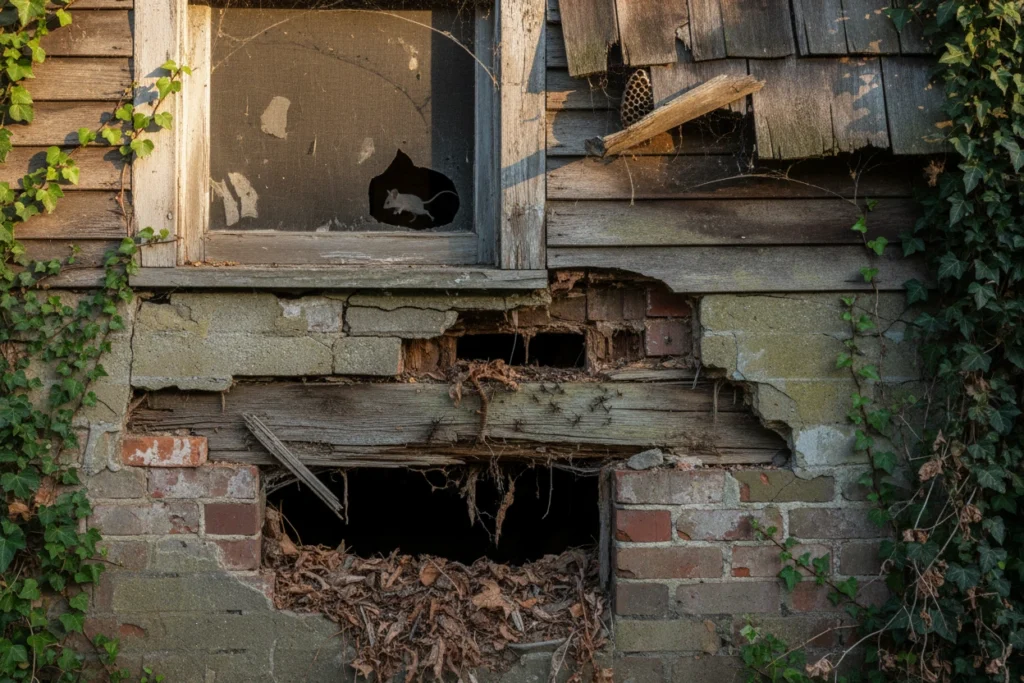
St. Johns Portland Pest Control: How Older Homes in North Portland Attract Rodents and Insects
Foundation cracks, roof gaps, and moisture damage make older St. Johns homes prime targets for pests. Find out why.
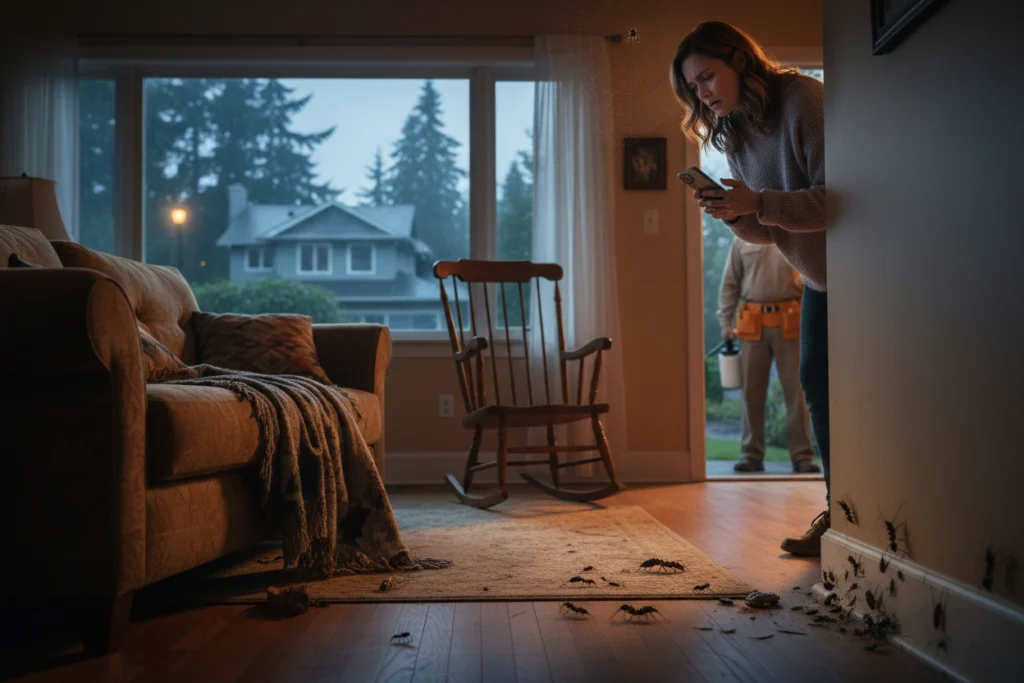
Pests in Gresham Homes: What to Expect and When to Call a Professional
Ants, rodents, and spiders thrive in Gresham’s damp conditions. Find out how to protect your home before pests multiply.

Sherwood, OR Pest Control: How Suburban Growth Brings Unwanted Wildlife Closer to Home
Growing neighborhoods are changing pest behavior in Sherwood. Learn what’s driving infestations and how to prevent them.

West Linn Pest Control: How to Protect a Wooded Property From Rodents and Wildlife
Protect your West Linn home from rats, squirrels, and raccoons with proven exclusion, landscaping, and prevention strategies.
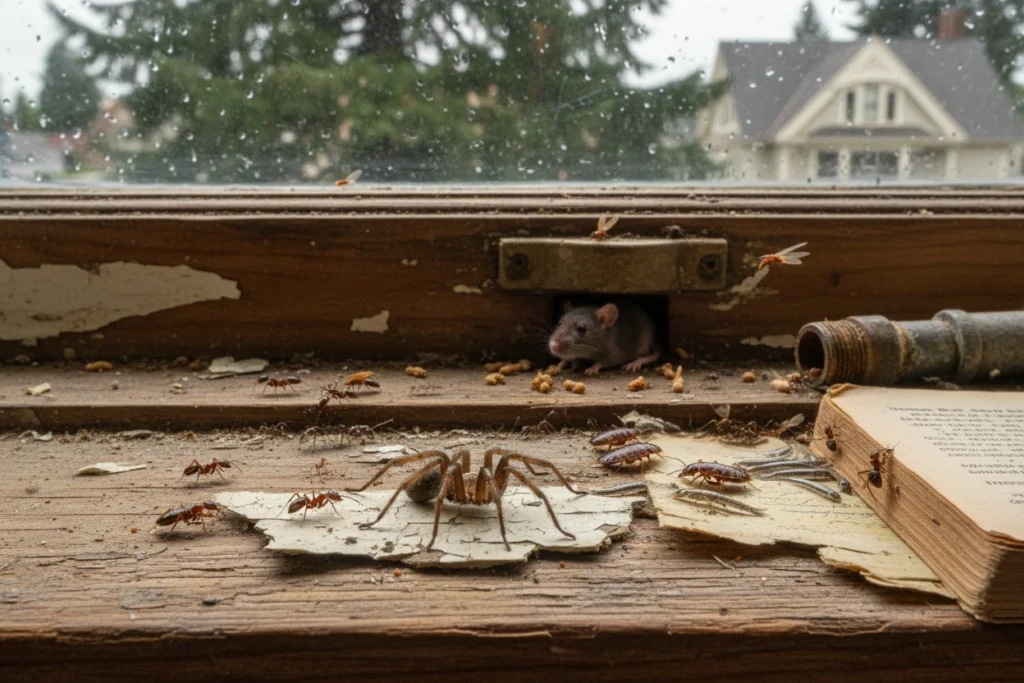
Milwaukie, OR Homeowners: The Most Common Pests Found in Older Portland-Area Homes
Older Milwaukie homes are vulnerable to rats, ants, cockroaches, and more. Learn how aging structures attract costly pest problems.
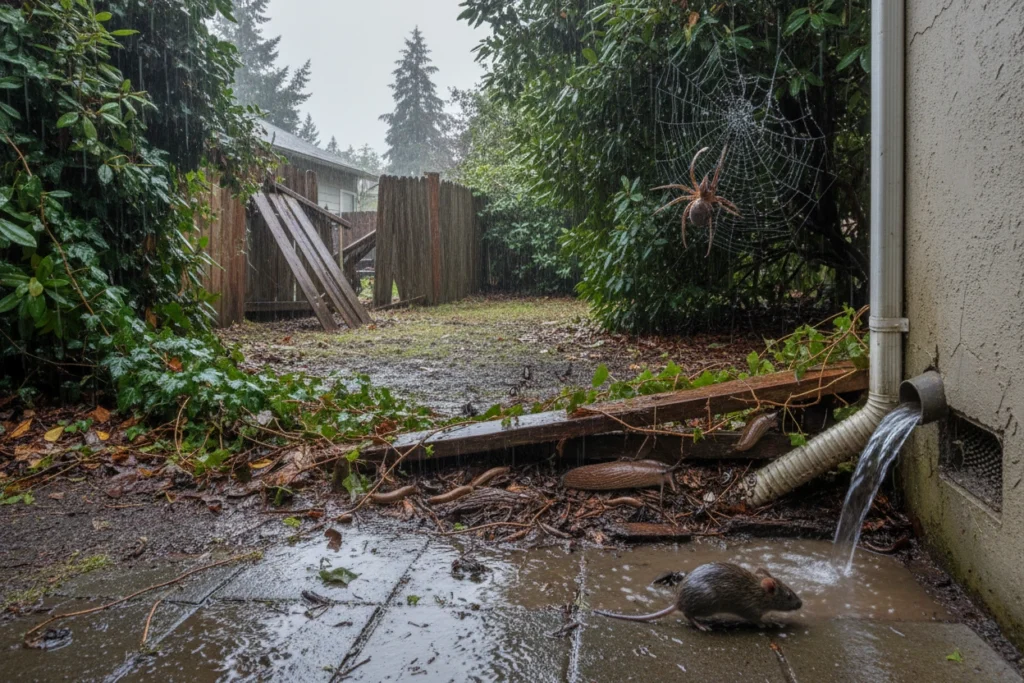
Pest Control in Tualatin: Why Wet Winters Create Year-Round Pest Problems
Tualatin homeowners face constant pest pressure thanks to wet winters and damp conditions. Learn the risks and prevention strategies.
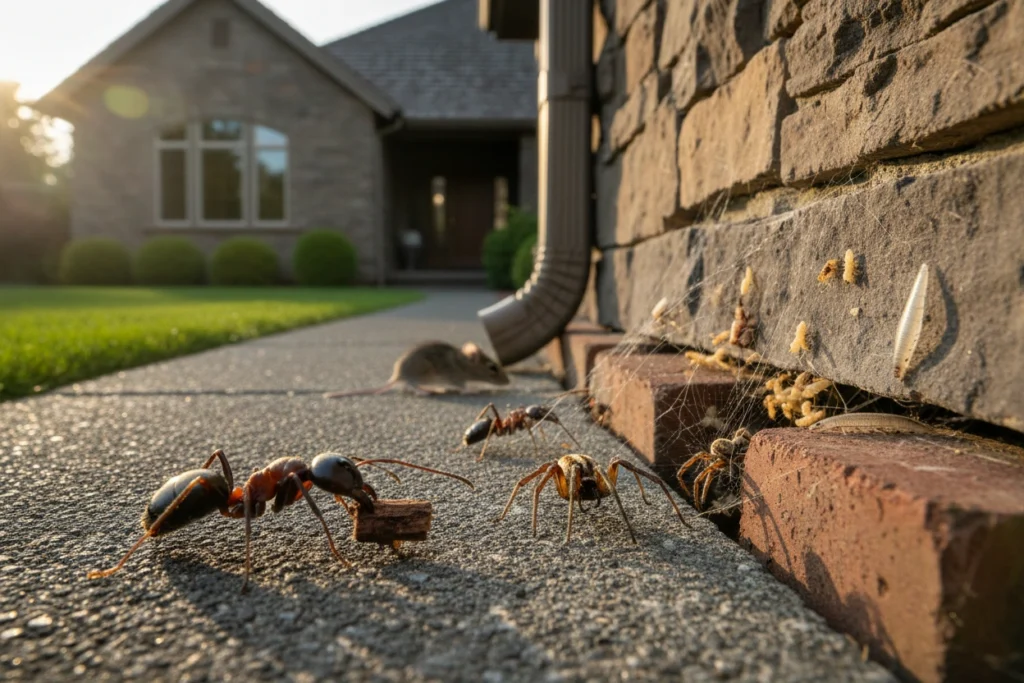
Lake Oswego Pest Control Guide: Identifying and Eliminating Common Home Invaders
Identify common home invaders in Lake Oswego and learn proven strategies to eliminate pests before they become a bigger problem.
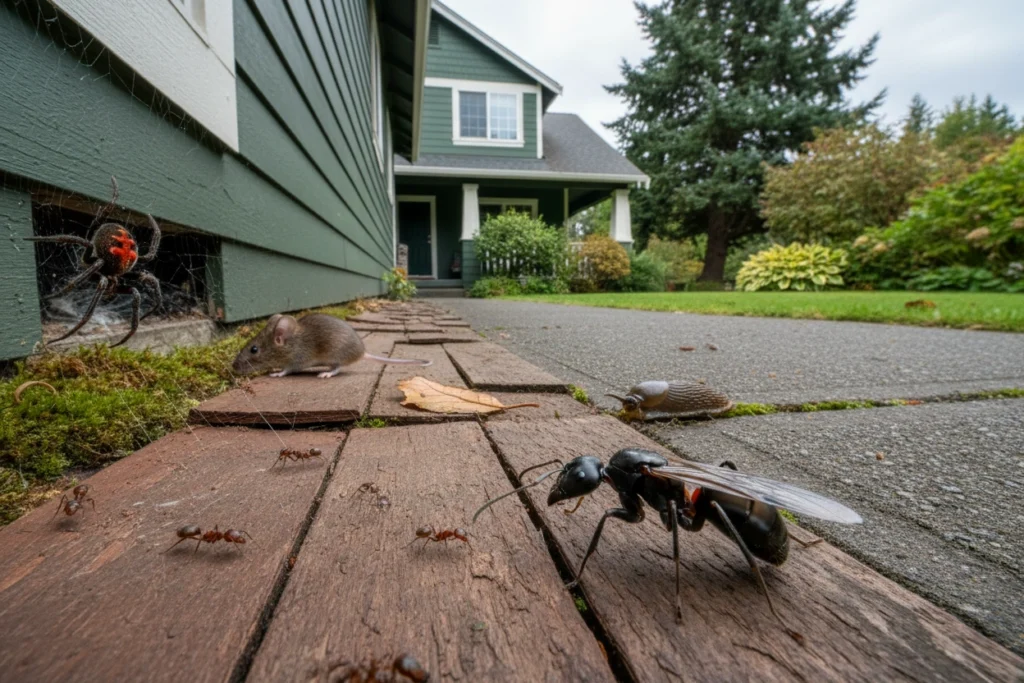
Pest Control in Tigard, OR: What Homeowners Need to Know About Local Pests
Tigard’s wet climate keeps ants, rodents, spiders, and more active year-round. Spot early warning signs before pests take over your home.

How Bed Bugs Spread Through Luggage, Clothing, and Furniture
Bed bugs spread by latching onto luggage, clothing, and furniture — hitchhiking from infested environments directly into your home.
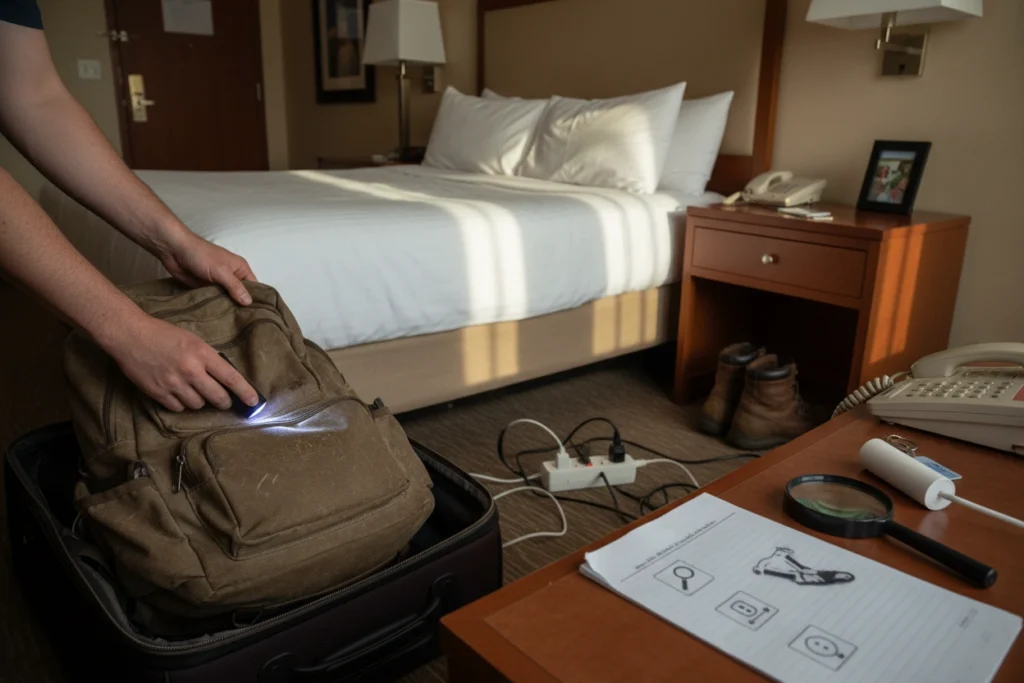
What to Check After Staying in a Hotel or Vacation Rental
After a hotel stay, inspect your luggage before it enters your home — do it outside or in the garage. Use a flashlight to check every zipper, seam, and hidden pocket for tiny rust-colored stains, dark fecal spots, or shed exoskeletons resembling poppy seeds.
Interested In Our Services?
We'll respond to your contact form request within 15 minutes (during regular business hours), or we will give you $20 off your service.
Our Reviews
See what our happy clients have to say about Pest Patrol!
Responsive, professional, and transparent pricing. Tech did a great job explaining where the mice were getting in and what the mitigation would be. Would use again!

Gabe, Katie and team were great! They were very helpful and super quick responsive and efficient. I also love to support small local business- and this company went the extra mile and were SUPER responsive !
Would use them again in a heartbeat!
These guys are the best and I would highly recommend them! Easy to schedule and reschedule with, plus such a delight and professionalism with them. I don’t review companies very often unless I think they are wonderful, and these guys fit that bill. Thank you Gabe and Adam
They were extremely responsive, explained everything and overall great service.
Sam did a very good job of getting rid of my ant problem. He knew what to look for and found where they were coming into the house. I would highly recommend Pest Patrol.
Gabe was professional and informative. We would recommend his services to others.
Very thorough. Listened carefully to our needs and serviced all areas. Also very happy they came at all in weather conditions no one else was venturing out in!
Gabe is amazing. We highly recommend his work. We are really thankful for the quick turnaround, attention to detail, and great support that Gabe provided through the whole process
I hired Pestpatrol to take care of an ant problem inside my home. Gabe was professional, patient and very thorough when he diagnosed the problem. He communicated what the solution was, discussed safety of the recommended products and performed the work efficiently. I would not hesitate to recommend pestpatrol.
My shop has had an infestation of rats for over 9 years! I tried traps and occasionally caught a rat but always they came back. On their first visit we discovered two entry points for the rats and plugged them up. After a few rats caught, my shop has returned to normalcy. Thank you Pest Patrol.