
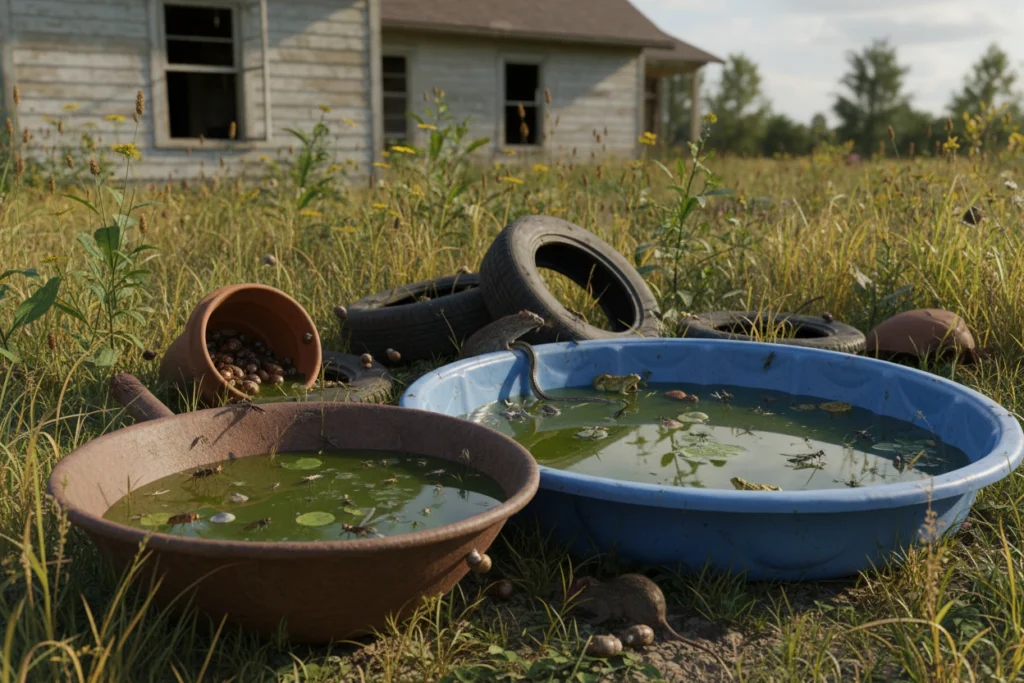
Standing water around your home attracts far more than mosquitoes — it draws rats, cockroaches, wasps, and ants that use moisture as a breeding and colonization resource. Even half an inch of stagnant water creates viable conditions for multiple pest species simultaneously. These pests don’t just linger outside; they follow moisture trails directly to your foundation, bringing serious health risks indoors. Keep going to discover exactly what’s hiding in those wet spots and how to stop it.
Key Takeaways
-
Standing water attracts rats, cockroaches, wasps, and ants in addition to mosquitoes, creating multiple pest infestations around your home.
-
Moisture softens soil, enabling rodents and insects to burrow easily and establish trails leading directly to your foundation.
-
Pests drawn to wet areas carry serious health risks, including hantavirus, West Nile virus, leptospirosis, and E. coli.
-
Common overlooked water sources include clogged gutters, plant saucers, birdbaths, tarps, and low-lying lawn areas.
-
Preventing standing water through drainage corrections, regular gutter cleaning, and container emptying significantly reduces pest attraction around your home.
What Pests Are Actually Drawn to Standing Water
Standing water doesn’t just look unsightly—it actively attracts a range of pests that can quickly become serious infestations.
Mosquito breeding begins in as little as a half inch of stagnant water, but mosquitoes aren’t alone. Rats and mice seek water sources to support their colonies, often nesting nearby once they locate a reliable supply.
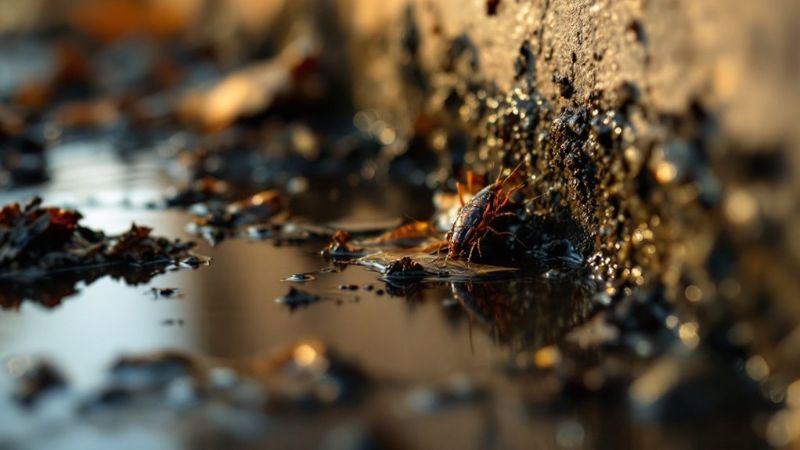
Cockroaches are drawn to moisture-rich environments and will establish harborage points close to standing water. Wasps and yellow jackets collect water for nest construction.
Even ants exploit wet soil conditions to expand their tunnels. Each of these pests uses standing water to support pest reproduction, accelerating population growth near your home. Recognizing the signs of hidden infestations early is critical to stopping an infestation before it escalates.
How Standing Water Becomes a Pest Highway Around Your Home
When standing water collects around your foundation, gutters, or yard, it doesn’t just attract one pest—it pulls in multiple species simultaneously, turning isolated wet spots into active pest zones. Moisture softens soil, creating easy burrowing paths for rodents and insects moving toward your home’s interior. You’re fundamentally building a pest highway when you allow water to pool unchecked, because each wet area connects the next, forming a continuous trail that leads directly to your structure. This accumulation of moisture also makes it easier for rodents to establish scent trails, further increasing the likelihood of infestations.
Moisture Attracts Multiple Pests
Most homeowners don’t realize that standing water doesn’t just attract one pest—it attracts many.
Moisture control is one of the most effective ways to reduce pest pressure around your home, because water influences pest behavior across multiple species simultaneously.
Mosquitoes breed in it. Rats and mice drink from it. Cockroaches and earwigs shelter near it. Carpenter ants follow moisture trails into your walls.
Even raccoons and birds are drawn to consistent water sources on your property.
Each pest arrives for different reasons, but they share one trigger: moisture.
Once one pest establishes a presence, others often follow, creating overlapping infestations that are harder to treat.
Eliminating standing water doesn’t just solve one problem—it disrupts the conditions that make your property attractive to pests in the first place.
Water Creates Pest Pathways
Beyond attracting individual pests, standing water actively shapes how pests move through your property. Moisture gradients influence pest behavior by creating directional trails that lead straight to your home’s foundation, entry points, and structural vulnerabilities. Ants, cockroaches, and rodents follow these water-driven corridors consistently, establishing repeated routes that worsen over time.
The environmental impact of pooled water extends beyond a single puddle. Saturated soil softens barriers, erodes foundation gaps, and creates conducive conditions that make your home easier to penetrate.
Drainage swales, clogged gutters, and compacted yard areas all function as interconnected pest highways.
Eliminating standing water disrupts these pathways before pests establish them. Address grading issues, repair leaky irrigation, and clear debris from drainage channels to cut off access at the source.
The Hidden Risks These Water-Loving Pests Bring Indoors
Standing water doesn’t just attract pests—it creates a pipeline for the health risks they carry indoors.
Mosquitoes transmit West Nile virus and other pathogens. Rodents carry hantavirus, leptospirosis, and salmonella, contaminating surfaces and food storage areas through urine and droppings.
Cockroaches trigger asthma and spread E. coli as they migrate from moist exterior zones into your kitchen and walls. Pest transmission escalates quickly once entry points exist, and indoor infestations can establish before you notice the first signs.
These aren’t isolated nuisances—they’re interconnected health threats originating from a single preventable source. Eliminating standing water disrupts the chain before pests reach your living spaces. Additionally, pest droppings and shed skin can degrade indoor air quality, posing immediate health hazards. If you’re already seeing activity inside, professional intervention is your fastest path to stopping the spread.
Common Standing Water Sources Homeowners Overlook
Even small, overlooked water sources can sustain pest populations as effectively as larger ones. Clogged gutters trap decomposing debris and standing water, creating ideal breeding conditions.
Low spots in your lawn collect runoff that persists for days after rainfall. Neglected birdbaths maintenance is another frequent problem—water sitting longer than 72 hours becomes a viable mosquito nursery.
You should also inspect less obvious sources: plant saucers, tarps, wheelbarrows, and compacted soil near downspouts.
Applying smart landscaping tips—like regrading soil away from your foundation and incorporating drainage swales—eliminates persistent pooling. Check flat roof sections and AC condensate lines regularly.
Systematically auditing these sources removes the conditions pests depend on, reducing pressure on your home before infestations establish. Regular inspections are essential for early pest detection, ensuring that small issues don’t escalate into larger infestations.
How to Eliminate Standing Water Pest Attractants for Good
Start by walking your property after a rainstorm to identify every location where water collects, including low spots in the lawn, compacted soil areas, and containers like buckets or tarps.
Once you’ve mapped those sources, take corrective action by regrading problem areas, drilling drainage holes, or removing unnecessary water-holding objects entirely.
Keep your gutters clean and your downspouts directed away from the foundation so rainwater moves off your property quickly rather than pooling near your home. Additionally, eliminating standing water can significantly reduce the risk of larger infestations by discouraging mosquito breeding and attracting other pests.
Identify Standing Water Sources
Many homeowners don’t realize how many small, overlooked spots around their property can collect and hold water long enough to attract pests.
Walk your property after rain and look for standing water in clogged gutters, low-lying yard drainage areas, tarps, plant saucers, old tires, and containers left outside.
Check rainwater collection systems for overflow or improper sealing. Inspect your roof, driveway, and lawn for pooling caused by grading issues or compacted soil.
Look under decks, along fence lines, and near HVAC units where water tends to accumulate unnoticed. Even bottle caps and leaf piles hold enough moisture to invite insects.
Document each problem area so you can address them systematically rather than missing spots during a quick walkthrough.
Drain And Prevent Pooling
Once you’ve mapped out every standing water source on your property, the next step is eliminating them through drainage corrections and physical modifications that stop pooling from recurring.
Regrade low spots in your yard so water flows away from your foundation at a minimum 2% slope. Install French drains or catch basins in chronically wet areas. Clean gutters every season and extend downspouts at least six feet from your home’s perimeter.
For containers like bird baths and plant saucers, empty them every 72 hours or eliminate them entirely. These drainage solutions address root causes rather than symptoms.
Your prevention strategies should also include filling ground depressions with compacted soil and ensuring irrigation systems don’t over-saturate specific zones. Consistent action keeps pest pressure low year-round.
Maintain Gutters And Drainage
Gutters and drainage systems fail quietly, letting water accumulate in ways that attract mosquitoes, rodents, and other pests before you notice any visible damage.
Consistent gutter maintenance and effective drainage solutions eliminate these hidden breeding grounds before infestations develop.
Prioritize these corrective actions:
-
Clear gutters twice yearly — remove debris, leaves, and buildup that trap moisture and cause overflow along your foundation.
-
Install downspout extensions — direct water at least four feet from your home’s base to prevent pooling near entry points.
-
Regrade problem areas — adjust soil slope so water flows away from your structure rather than collecting against it.
Ignoring these systems doesn’t just risk water damage — it actively invites pests looking for reliable moisture sources close to shelter.
When to Call a Pest Control Professional
While eliminating standing water is the most effective first line of defense, persistent moisture problems or an existing pest infestation require professional intervention.
If you’re seeing increased rodent activity, ant trails, cockroaches, or wildlife near wet areas despite your prevention efforts, it’s time to schedule a professional assessment.
Pest Patrol’s technicians provide accurate pest identification and targeted treatment plans tailored to Portland-area properties.
They’ll pinpoint the specific species involved, assess conducive conditions, and apply appropriate control measures that protect your family and pets.
Attempting to manage an active infestation without expert help often allows populations to grow and spread.
Contact Pest Patrol to address moisture-related pest problems before they escalate into costly structural damage or health hazards.
Frequently Asked Questions
Does Standing Water Attract Pests Even During Portland’s Dry Summer Months?
Yes, standing water attracts summer pests even during Portland’s dry months. You’re creating prime breeding and watering spots for mosquitoes, rodents, and wasps. Eliminate pooled water around your home to reduce infestations considerably.
Can Pests Find Standing Water Hidden Inside My Walls or Crawlspace?
Yes, pests absolutely detect hidden moisture inside your walls and crawlspace. Rodents, cockroaches, and ants use it as a pest entry signal. You should schedule a professional inspection to locate and eliminate these concealed water sources immediately.
How Quickly Can a Small Puddle Become a Serious Pest Problem?
A small puddle can trigger serious pest lifecycle activity within days. Puddle dynamics accelerate breeding cycles fast—mosquitoes hatch in 7–10 days. You’ll want to eliminate standing water immediately before infestations escalate beyond simple prevention measures.
Does My Homeowner’s Insurance Cover Pest Damage Caused by Standing Water?
Most homeowner’s insurance policies don’t cover pest damage. You’ll want to verify your specific coverage, but prioritizing pest prevention now is your best solution—eliminating standing water protects your home better than relying on insurance coverage later.
Are Certain Neighborhoods in Portland More Vulnerable to Water-Related Pest Issues?
Yes, your neighborhood’s characteristics—like proximity to rivers, poor water management infrastructure, or dense tree canopy—can increase risk. Low-lying areas like Lents or St. Johns typically experience higher water-related pest pressure.
Conclusion
Standing water isn’t just a nuisance — it’s an open invitation to mosquitoes, rodents, wasps, and a host of other pests that can compromise your home’s safety and structural integrity. You’ve got the knowledge now to identify problem areas and eliminate them before infestations take hold. Audit your gutters, grade your yard, and remove any containers collecting water. When you can’t get ahead of a pest problem on your own, don’t wait — call a licensed pest control professional immediately.