

Ignoring a small gap in your home’s foundation or weatherstripping can quickly escalate into a costly problem. Rodents exploit openings as small as a quarter inch, and a credit card-sized crack can invite an entire ant colony within days. Once inside, pests cause structural damage, electrical failures, and contamination — repairs ranging from $500 to $5,000 or more. Sealing entry points early is your most cost-effective defense, and the full breakdown ahead shows you exactly how.
Key Takeaways
-
Small gaps as tiny as a quarter inch can allow rodents inside, quickly escalating into costly structural, electrical, or HVAC damage.
-
A credit card-sized crack can enable an entire ant colony to infiltrate your home within days of discovery.
-
Electrical rewiring from rodent damage alone can cost between $1,000 and $5,000, far exceeding simple prevention measures.
-
Unaddressed entry points become permanent pest corridors, with compounding damage costs spanning structural repairs, extermination, and potential relocation expenses.
-
Portland’s extended pest seasons mean delayed intervention increases infestation risk, making early sealing and regular inspections financially critical.
How Pests Find Their Way Inside Your Home
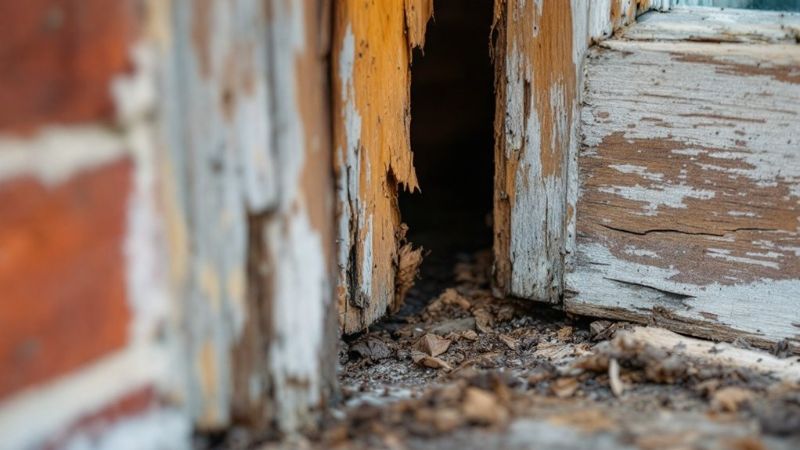
Pests don’t need an open door to get inside your home—they need only a crack, a gap, or a compromised seal.
Pest behavior is largely driven by survival instincts: warmth, moisture, and food sources pull pests toward your structure, especially during seasonal migration in fall and spring.
Rodents exploit gaps as small as a quarter inch. Ants follow pheromone trails through hairline foundation cracks. Spiders and cockroaches move through utility penetrations, weep holes, and deteriorated weatherstripping.
Wasps target unscreened vents and roof eaves to establish nests. Each pest species uses a distinct entry strategy, but they all share one dependency—your home’s structural vulnerabilities. Understanding that rodents are attracted to calorie-dense foods can help you mitigate risks associated with infestations.
Identifying and sealing these points before infestation occurs is the only reliable way to prevent escalating damage and cost.
The Most Common Entry Points Pest Inspectors Find
When pest inspectors evaluate a structure, they follow a systematic route around the exterior before moving inside—and certain locations consistently produce findings. Common entryways include gaps around utility penetrations, deteriorated weatherstripping, foundation cracks, and unscreened vents.
Inspectors also flag roof-to-wall junctions, soffit gaps, and pipe chases as high-priority pest vulnerabilities. Inside, they check behind appliances, beneath sinks, and along baseboards where structural gaps often go unnoticed for years.
Door sweeps are frequently missing or compressed beyond function. Window frames, particularly on older homes, show separation at corners that creates direct interior access.
These aren’t random discoveries—they’re predictable failure points that follow construction patterns and material degradation timelines. Identifying them early is what separates a minor correction from a costly structural remediation. Regular inspections and sanitation practices can significantly reduce the risk of pest entry.
What Happens When a Small Gap Goes Unnoticed
When you leave a small gap unaddressed, pests don’t stumble upon it randomly—they actively seek it out through chemical trails, air currents, and moisture signals.
A single crack wide enough to slide a credit card through can admit an entire ant colony within days, as scouts recruit workers the moment they confirm a viable entry point. Seal gaps and holes effectively to reduce the chances of such infestations.
Once inside, structural damage, contamination, and secondary infestations compound quickly, often spreading far beyond the original breach before you detect any visible signs.
Pests Find Every Gap
Even a gap as small as a quarter-inch gives rodents, insects, and other pests a functional entry point into your home.
Pest behavior is systematically exploratory — mice use their collapsible skeletal structure to compress through openings barely wider than a pencil, while carpenter ants and cockroaches navigate cracks along utility penetrations, foundation seams, and door frames.
Gap detection isn’t accidental on their part. Pests actively sense air pressure differentials, temperature gradients, and moisture signatures that signal accessible interior spaces. A drafty gap around a pipe chase or an unsealed soffit vent broadcasts those signals consistently.
Once one pest locates an entry point, others follow established scent trails. What starts as a structural oversight becomes a reliable corridor, accelerating infestation well before you notice visible evidence.
Small Cracks Invite Colonies
A single unnoticed gap doesn’t stay dormant — it becomes infrastructure. Ants deposit pheromone trails through it. Rodents gnaw its edges wider. Moisture warps the surrounding material, expanding the void further.
What started as a 1/4-inch crack in your foundation becomes a highway within weeks.
Crack identification isn’t cosmetic maintenance — it’s structural defense. You need to inspect mortar joints, pipe penetrations, door frames, and utility entry points systematically, not just visually.
Most colonies don’t announce themselves until populations are established and damage is done.
Gap prevention requires sealing materials matched to the substrate: polyurethane caulk for wood, hydraulic cement for masonry, steel wool combined with foam for rodent-prone areas.
Treating symptoms without addressing entry points guarantees reinfestation. The crack you ignore today finances tomorrow’s infestation.
Damage Spreads Rapidly Inside
Once a gap goes unaddressed, pest activity inside your walls compounds faster than most homeowners expect. Rodents gnaw through wiring, insulation, and structural wood within weeks.
Carpenter ants excavate galleries that weaken load-bearing framing over months. Each stage of damage escalation introduces hidden costs that weren’t part of your original repair estimate.
You’re no longer dealing with a single entry point. You’re managing electrical hazards, compromised insulation, contaminated wall cavities, and potential mold from moisture intrusion caused by gnawed plumbing lines.
Contractors charge separately for each trade involved—electrician, insulation installer, framing repair, pest control.
What started as a $150 seal-and-treat service can realistically reach $5,000 or more once interior damage is fully scoped.
Early intervention is the only cost-effective strategy.
The Real Dollar Cost of Pest Entry Point Damage
Ignoring pest entry points carries measurable financial consequences that compound quickly. The cost implications escalate across multiple damage categories before you even detect the infestation.
Prevention strategies applied early cost a fraction of reactive repairs.
Common documented expenses include:
-
Structural repairs: $500–$3,000 for wood, insulation, or drywall replacement
-
Electrical rewiring: $1,000–$5,000 when rodents chew through wiring
-
HVAC remediation: $300–$1,500 for duct cleaning after nesting contamination
-
Professional extermination: $200–$800 depending on infestation severity and species
These figures don’t include secondary costs like temporary relocation, health-related expenses, or reduced property value. Exposure to pest allergens can lead to serious health issues that further drive up costs.
A single unsealed gap measuring less than a quarter inch can generate thousands in cascading damage. Sealing entry points now costs considerably less than addressing the consequences later.
How to Seal Pest Entry Points Before They Become Expensive
Sealing pest entry points doesn’t require professional credentials for every task—but it does require a systematic approach and the right materials.
Start by inspecting your foundation, roofline, utility penetrations, and door frames. Use copper mesh or steel wool to pack gaps before applying expanding foam—rodents can’t chew through metal.
For cracks in masonry, use hydraulic cement or silicone caulk rated for exterior use. Effective sealing techniques include layering materials: mesh first, then foam, then caulk.
These preventive measures work best when applied before pest activity begins. Check weatherstripping annually and replace it when compression fails.
Roof vents need hardware cloth with openings no larger than ¼ inch. Document every repair location so you can reinspect the same spots each season. Additionally, addressing these entry points early can prevent a larger hidden population from establishing itself in your home.
When to Call a Pest Control Professional in Portland
DIY exclusion work handles a lot—but there’s a threshold where material fixes stop being enough. If you’re applying pest detection tips and still finding active signs of infestation, a professional assessment identifies what you can’t see—harborage zones, entry vectors, and population size.
Call Pest Patrol when you encounter:
-
Recurring activity after sealing confirmed entry points
-
Structural damage suggesting rodents or wildlife have been active long-term
-
Multiple pest species indicating systemic attractants throughout the property
-
Inaccessible areas like wall voids, crawlspaces, or attics requiring specialized equipment
Portland’s climate extends pest seasons. Delaying professional intervention compounds damage costs exponentially, especially as varied climate and ecological factors contribute to pest proliferation.
Pest Patrol serves Portland, Beaverton, Hillsboro, and surrounding communities with fast response times and a 100% satisfaction guarantee.
Frequently Asked Questions
Does Homeowners Insurance Cover Damage Caused by Pest Infestations?
Most insurance policies don’t include pest coverage for infestations, as they’re considered preventable maintenance issues. You’ll typically find exclusions for rodent or insect damage, leaving you responsible for all repair and extermination costs.
How Long Does a Professional Pest Entry Point Inspection Take?
A professional pest inspection duration typically takes 45–90 minutes. During that time, you’ll have a technician systematically examining your foundation, roofline, and entry points. Professional pest services guarantee no vulnerability gets overlooked.
Are Pest Entry Point Repairs Tax Deductible for Portland Homeowners?
Generally, you can’t deduct pest entry point repairs as personal home expenses. However, tax deduction eligibility may apply if you’re self-employed or run a home-based business using pest control strategies for property protection. Consult a tax professional.
Which Portland Seasons See the Highest Rates of Pest Home Invasions?
Fall infestations peak as pests seek warmth before winter. You’ll face Winter vulnerability through existing gaps, while Spring awareness catches emerging colonies. Summer prevention stops reproduction cycles before they escalate into costly structural invasions requiring professional intervention.
Can Renters Request Landlords Fix Pest Entry Points in Oregon?
Yes, you can invoke your tenant rights under Oregon’s habitability laws to request landlords seal pest entry points. Document all gaps, submit written repair requests, and track responses to support effective pest prevention efforts.
Conclusion
Every gap you leave unsealed is a calculated risk that compounds over time. Evidence consistently shows that pests exploit structural vulnerabilities within weeks of exposure, converting minor oversights into infestations requiring costly remediation. You’ve reviewed the entry points, damage pathways, and financial consequences — now the methodology demands action. Seal identified gaps using appropriate materials, schedule a professional inspection to verify completeness, and implement routine monitoring protocols. Proactive exclusion isn’t optional maintenance; it’s your most cost-effective pest management strategy.