
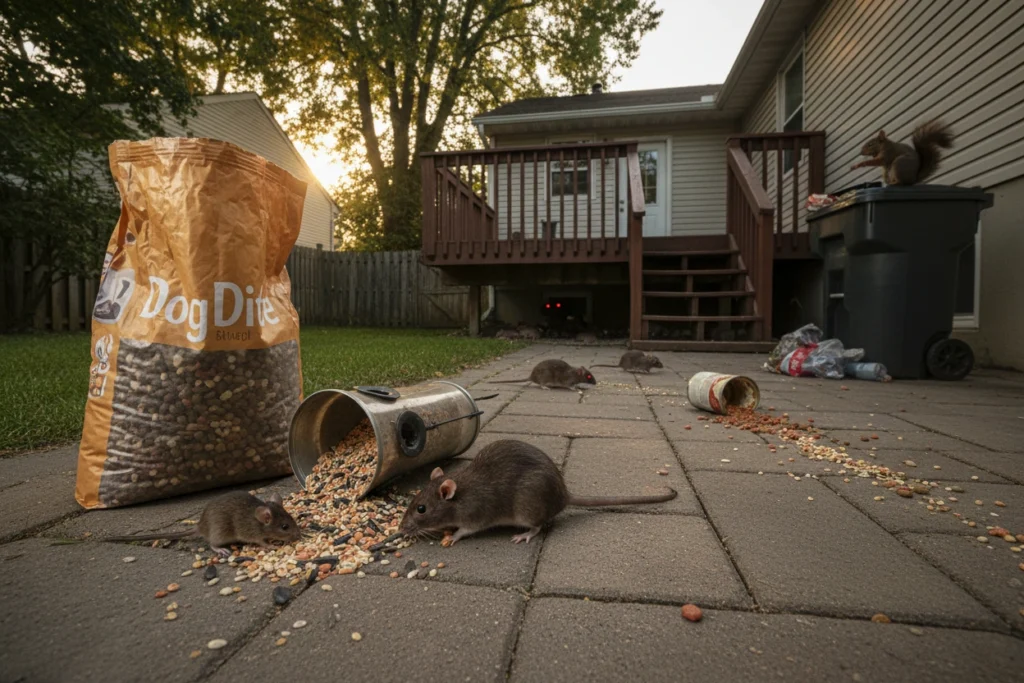
Pet food and bird seed attract rodents because they’re calorie-dense, protein-rich, and mimic the nutrition rodents naturally seek. Your yard fundamentally becomes a reliable foraging destination that rodents remember and revisit. Once they locate a food source, they establish scent trails that recruit more animals, causing infestations to escalate quickly. Understanding which foods are most attractive, what warning signs to watch for, and how to store and serve them properly will help you stay ahead of the problem.
Key Takeaways
-
Pet food and bird seed are calorie-dense and protein-rich, closely mimicking the natural nutrition rodents actively seek when foraging.
-
Meat-based kibble, suet cakes, sunflower seeds, and cracked corn are among the most attractive food sources for rodents.
-
Rodents are opportunistic foragers that quickly establish scent trails, recruiting additional animals once a reliable food source is found.
-
Infestations escalate rapidly because scent recruitment encourages more rodents to converge on the same feeding area.
-
Leaving pet food or bird seed accessible overnight is especially risky, as most rodents are nocturnal feeders.
Why Rodents Target Pet Food and Bird Seed
Rodents don’t target pet food and bird seed by accident — they’re drawn to these sources because they’re calorie-dense, protein-rich, and readily accessible.
Understanding rodent behavior helps you stay ahead of infestations before they take hold. Rats and mice are opportunistic foragers, constantly scanning their environment for reliable food sources.
Pet kibble and bird seed mimic the nutritional profile of natural forage, making them highly attractive targets. Once a rodent locates a consistent supply, it establishes scent trails that recruit additional animals.
You’ll often notice infestations escalating quickly because of this recruitment dynamic. By recognizing why these food sources appeal to rodents, you can make more informed decisions about storage, placement, and sanitation practices that eliminate the conditions attracting them in the first place.
The Pet Foods and Bird Seeds That Attract Rodents Most
Not all pet foods and bird seeds carry the same risk — some formulations are considerably more attractive to rodents than others.
High protein foods, including meat-based dry kibble, fish meal products, and suet cakes, rank among the most appealing options for rodents seeking calorie-dense nutrition.
Seed types matter greatly as well. Sunflower seeds, millet, cracked corn, and nyjer seed consistently draw rodent activity due to their high fat and carbohydrate content.
You’ll also find that mixed birdseed blends containing hulled seeds are particularly problematic, since they require less processing effort for rodents to consume.
Grain-heavy cat and dog foods present similar risks.
Understanding which specific products create elevated exposure helps you make smarter purchasing decisions and implement targeted storage and feeding protocols.
Warning Signs You Have a Rodent Problem Near Feeders
Knowing which products attract rodents puts you ahead of the problem, but you also need to recognize when rodents have already moved in.
Watch for these red flags near your feeders:
-
Droppings along fence lines, under feeders, or near storage containers
-
Gnaw marks on plastic feeders, seed bags, or wooden structures
-
Burrow entrances hidden beneath debris or mulch close to feeding stations
-
Grease trails along walls or baseboards indicating repeated rodent behavior patterns
-
Scattered seed pulled from feeders overnight
Poor feeder hygiene accelerates infestations by giving rodents consistent food access and nesting material.
If you’re spotting two or more of these signs simultaneously, act immediately.
Waiting allows populations to establish, making elimination considerably harder and more costly.
How to Store Pet Food and Bird Seed So Rodents Stay Away
Once you’ve confirmed rodents haven’t yet established a presence, proper storage becomes your most effective line of defense.
Transfer all pet food and bird seed into airtight containers made of heavy-duty plastic or metal — rodents can chew through cardboard and thin plastic with ease.
Practice elevated storage by keeping containers off the ground on shelving units, eliminating accessible entry points.
Establish strict feeding schedules rather than leaving food out indefinitely; remove uneaten portions within 30 minutes.
Consistently clean feeding areas after every meal, sweeping up spilled seed and kibble that accumulates beneath feeders and bowls.
Outdoor bird feeders should include baffles and catch trays.
These combined practices systematically eliminate the food accessibility that initially draws rodents to your property.
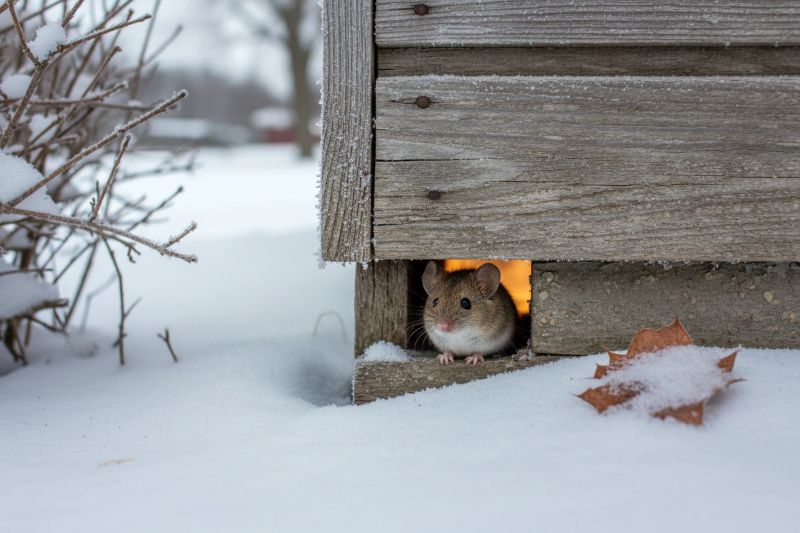
How to Feed Your Pets and Birds Without Attracting Rodents
Feeding your pets and birds responsibly requires behavioral adjustments that go beyond storage alone. Safe feeding practices directly impact rodent prevention outcomes.
For outdoor feeding, remove uneaten pet food within 20–30 minutes to eliminate residual odors. Place pet food on elevated, cleanable surfaces rather than directly on the ground.
Bird feeder types matter considerably — tube feeders and weight-sensitive designs reduce seed spillage that attracts ground-foraging rodents. Install catch trays beneath feeders and empty them daily.
Environmental factors like nearby brush, wood piles, or dense vegetation amplify rodent activity, so maintain clear perimeters around feeding zones.
Feed pets during daylight hours, as rodents are mainly nocturnal. Consistent pet food placement in designated, monitored areas further reduces the behavioral conditioning that draws rodents toward your property.
Frequently Asked Questions
Can Rodents Carry Diseases That Infect My Pets Through Shared Food?
Yes, rodents can transmit dangerous pathogens to your pets through disease transmission via contaminated food sources. In shared habitats, you’re exposing your pets to leptospirosis, salmonella, and hantavirus—so secure all food immediately.
What Time of Year Are Rodents Most Attracted to Outdoor Feeders?
Rodents most aggressively target your outdoor feeding stations during fall and winter, when natural food sources diminish. You’ll notice intensified seasonal patterns of activity, so implement preventative measures before temperatures drop to protect your outdoor feeding areas.
Do Certain Climates or Regions Have Worse Rodent Problems Near Feeders?
Yes, you’ll face worse rodent problems in warmer, humid climates where populations thrive year-round. Regional differences and climate impact vary greatly, so you must adjust your feeder management and preventative measures based on your specific geographic location.
Are There Natural Predators That Can Help Control Rodents Near Feeders?
Yes, you can leverage natural deterrents by encouraging predator species like owls, hawks, foxes, and snakes near your feeders. They’ll actively hunt rodents, markedly reducing infestations and helping you maintain a balanced, controlled outdoor feeding environment.
How Quickly Can a Small Rodent Problem Turn Into a Full Infestation?
A small rodent problem can explode into a full infestation within weeks. You’ll notice infestation signs like droppings and gnaw marks rapidly multiplying, as rodent behavior drives females to birth up to 12 pups monthly.
Conclusion
Rodents are opportunistic feeders, and you’re fundamentally rolling out a welcome mat when you leave pet food or bird seed accessible. You’ve learned that proper storage, selective feeding practices, and routine cleanup are your strongest defenses. Don’t underestimate a rodent’s ability to detect food sources from significant distances. By implementing these preventative measures consistently, you’ll eliminate the conditions that attract rodents and protect your home from costly, potentially dangerous infestations.