
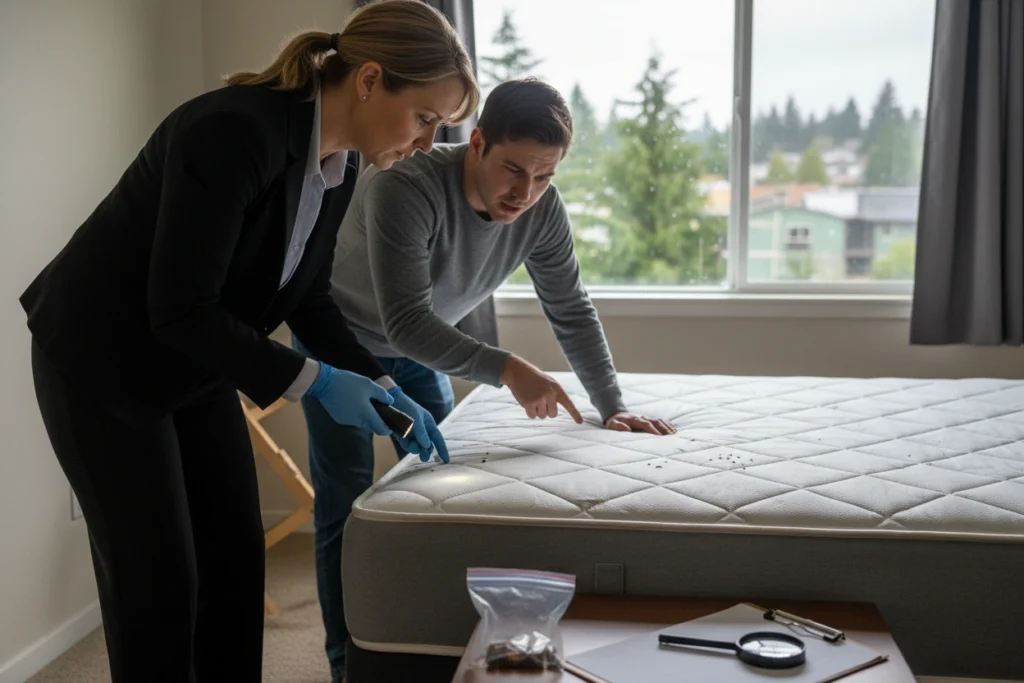
When a tenant reports bed bugs, you’re legally required to act fast or risk violating Oregon Revised Statutes Chapter 90. You must document the report, notify adjacent tenants within 24 hours, and contact a licensed exterminator immediately. Delays increase your liability and treatment costs. Oregon law typically holds landlords responsible for treatment costs unless the tenant introduced the infestation. Keep reading to understand exactly how to protect yourself at every step.
Key Takeaways
-
Oregon law requires landlords to maintain habitable units, meaning bed bug reports must be addressed promptly to avoid legal consequences.
-
Document all tenant reports with dates, signatures, and specific sighting locations to establish a clear record of the infestation.
-
Notify all adjacent tenants within 24 hours of confirming an infestation using written notices, emails, or posted alerts.
-
Contact a licensed pest control professional immediately; delays increase liability and allow infestations to spread throughout the building.
-
Restrict movement of furniture and belongings from the infested unit and seal cracks along baseboards to contain the spread.
Your Legal Obligations Under Oregon Landlord-Tenant Law
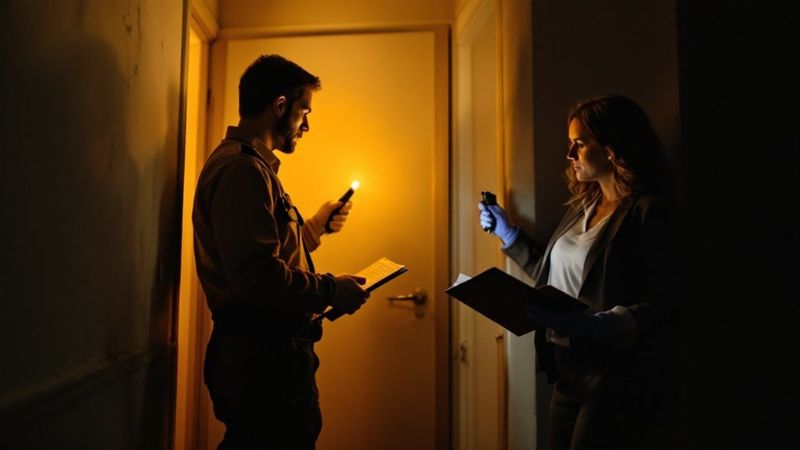
Under Oregon law, landlords must maintain rental units in a habitable condition—and that includes keeping them free of pest infestations.
Once a tenant reports bed bugs, you’re legally required to act. Ignoring the report or delaying treatment puts you in violation of Oregon Revised Statutes Chapter 90, which governs landlord-tenant relationships and protects tenant rights.
If you fail to respond promptly, tenants have access to legal remedies—including rent withholding, repair-and-deduct options, or terminating their lease without penalty.
Courts take habitability violations seriously, and the financial and reputational consequences can be significant. Document every report you receive, respond in writing, and schedule professional treatment quickly.
Acting fast isn’t just good property management—it’s your legal obligation. Additionally, it’s crucial to understand that bed bug infestations require quick and efficient responses to prevent further issues.
Document Everything Before Taking Action
Before you schedule treatment, documentation is your first line of defense. When a tenant reports a suspected infestation, your response timeline and thoroughness become evidence. Understanding documentation importance protects you legally and operationally.
Capture these three critical records immediately:
-
Written tenant report – Date-stamped complaint with the tenant’s signature, unit number, and specific locations of sightings.
-
Inspection findings – A licensed pest control professional‘s written assessment confirming or ruling out bed bugs before treatment begins.
-
Communication log – Every notice, email, and phone call between you, the tenant, and your pest control provider.
Gaps in your records can expose you to liability disputes. Thorough documentation establishes that you acted promptly, professionally, and in compliance with Oregon landlord-tenant law. Additionally, understanding that multiple sightings can indicate a larger hidden population helps ensure you take the necessary precautions.
Notify All Affected Tenants Within 24 Hours
Once you’ve documented the infestation, you must notify all tenants in adjacent units—above, below, and on either side of the affected apartment—within 24 hours. Oregon law requires prompt disclosure, and failing to act quickly exposes you to significant legal liability. Use written notices, email, and posted common-area alerts simultaneously to guarantee no tenant can claim they weren’t informed. Additionally, consider conducting thorough inspections to identify any potential signs of bed bug infestations in neighboring units.
Who Needs Immediate Notification
When a bed bug infestation is confirmed, you must notify all affected tenants within 24 hours—no exceptions. Tenant responsibility and pest awareness depend on timely communication.
Delaying notification increases infestation spread and exposes you to legal liability.
Prioritize notification for these three groups:
-
Confirmed unit occupants – Tenants in the infested unit must receive written notice immediately, detailing next steps and treatment timelines.
-
Adjacent unit occupants – Tenants in units sharing walls, floors, or ceilings with the infested unit face direct exposure risk.
-
Same-floor tenants – Occupants on the same floor require notification due to bed bugs’ ability to migrate through shared corridors and utility spaces.
Document every notification with timestamps and delivery methods to maintain a defensible compliance record.
Effective Communication Methods
Knowing who to notify is only half the equation—how you notify them determines whether your communication holds up under legal scrutiny.
Use multiple communication channels to guarantee delivery—written notices slipped under doors, emails, and text messages all create documented proof of contact.
Don’t rely on verbal conversations alone; they leave no paper trail. Your tenant engagement strategies should prioritize clarity: state the confirmed or suspected infestation, identify the affected units, outline next steps, and specify your timeline for professional treatment.
Avoid vague language that could create confusion or liability. Timestamp every communication and retain copies in your property management records.
If a tenant disputes notification later, your documentation is your defense. Consistent, multi-channel communication protects both your tenants and your business.
When to Call a Portland Bed Bug Exterminator
If you spot live bed bugs, dark fecal staining on mattress seams, shed skins, or tenant bite complaints across multiple units, you need professional treatment immediately. DIY sprays won’t penetrate wall voids, electrical outlets, or the deep harborage points where bed bug colonies establish, leaving you with a spreading infestation instead of a solved one. Every week you delay, bed bugs move to adjacent units, your liability exposure grows, and the cost of treatment multiplies. Early detection aids in controlling infestations, so it’s vital to act quickly.
Signs Requiring Professional Treatment
Certain bed bug signs demand immediate professional intervention rather than DIY attempts.
Mishandling infestations spreads them further, increasing your liability as a property manager. Accurate bed bug identification and proper pest control methods require licensed expertise.
Call a professional immediately when you observe:
-
Live bugs or shed skins in multiple units, indicating an infestation that’s already spreading through wall voids or shared spaces.
-
Multiple tenant complaints within the same building section, suggesting a systemic problem rather than an isolated incident.
-
Blood staining or fecal spotting on mattresses, walls, or furniture across several rooms, confirming an established colony.
Delaying professional intervention compounds the problem, raises remediation costs, and exposes you to tenant disputes.
Act decisively the moment these signs appear.
Delaying Costs More
Every day you wait to call a Portland bed bug exterminator, the infestation grows harder and costlier to eliminate. A single untreated unit can spread bed bugs to adjacent units within weeks, multiplying your cost implications considerably.
What starts as a manageable single-room treatment can escalate into a full building remediation costing thousands more.
Delayed action also damages tenant relations. Tenants who feel ignored pursue legal remedies, leave negative reviews, or break leases—all of which hurt your bottom line far more than early intervention would have.
Oregon law expects prompt, reasonable responses to habitability complaints.
Contact Pest Patrol at the first confirmed report. Fast professional treatment protects your property, preserves your tenant relationships, and keeps your cost implications predictable and contained from the start.
Who Pays for Bed Bug Treatment in Oregon?
Who pays for bed bug treatment in Oregon depends on the circumstances surrounding the infestation. Oregon law generally holds landlords responsible for maintaining habitable units, but tenant behavior can shift liability.
-
Landlord responsible: You must cover treatment costs if bed bugs existed before move-in or spread from another unit due to inadequate bed bug prevention measures.
-
Tenant responsible: The tenant pays if they introduced bed bugs through their belongings, furniture, or travel habits.
-
Disputed cases: Document everything—inspection reports, communication records, and move-in checklists determine who absorbs treatment costs.
When responsibility is unclear, consult an attorney before acting. Mishandling cost allocation exposes you to legal liability and potential fair housing complaints. Additionally, regular inspections can help catch infestations early and prevent infestations from escalating.
How to Prevent the Infestation From Spreading
Once you’ve confirmed a bed bug infestation, containing it immediately is your top priority as a property manager. Delay allows bed bugs to spread through wall voids, shared plumbing, and HVAC systems into neighboring units.
Take these preventative measures right away:
-
Notify adjacent units above, below, and beside the affected space for inspection.
-
Restrict movement of furniture and belongings from the infested unit until treatment is complete.
-
Seal cracks and gaps along baseboards, outlets, and shared walls.
Tenant education is equally critical. Instruct tenants not to move infested items to common areas or other units, as this accelerates the spread.
Provide written guidance on preparation requirements before treatment begins. Informed tenants are your strongest asset in stopping a bed bug infestation from becoming a building-wide problem. Additionally, emphasize the importance of regular inspections to catch potential issues early and prevent further spread.
Frequently Asked Questions
Can a Tenant Be Temporarily Relocated During Bed Bug Treatment?
Yes, you can temporarily relocate a tenant during bed bug treatment. Respecting tenant rights, you’re responsible for arranging temporary housing if the treatment makes the unit uninhabitable, ensuring full legal compliance throughout.
How Long Does a Professional Bed Bug Treatment Typically Take?
Professional bed bug treatment typically takes 2–4 hours per unit, but you’ll need follow-up visits over 30 days to align with the bed bug lifecycle and guarantee complete treatment effectiveness across all infestation stages.
Are Bed Bug Infestations Required to Be Disclosed to Prospective Tenants?
Yes, you must disclose known bed bug infestations to prospective tenants. Oregon’s disclosure laws protect tenant rights by requiring landlords to reveal any known pest history, ensuring transparency before signing a lease agreement.
Can an Apartment Manager Face Fines for Ignoring Bed Bug Reports?
Yes, you can face fines for ignoring bed bug reports. Oregon law protects tenant rights, requiring you to act on pest control issues promptly or risk penalties, legal liability, and potential lease termination disputes.
Do Bed Bug Infestations Affect a Building’s Rental License in Portland?
Yes, unresolved bed bug infestations can jeopardize your rental license. Portland authorities enforce tenant rights strictly, and neglecting bed bug prevention puts your operating license at risk during inspections or complaint-driven reviews.
Conclusion
When a tenant reports bed bugs, you don’t have time to hesitate. Oregon law holds you accountable, and every hour of delay increases your legal exposure and the infestation’s reach. Document immediately, notify affected tenants within 24 hours, hire a licensed Portland bed bug exterminator, and clarify cost responsibility upfront. Handle this correctly, and you’ll protect your tenants, your property, and your standing as a compliant landlord.