
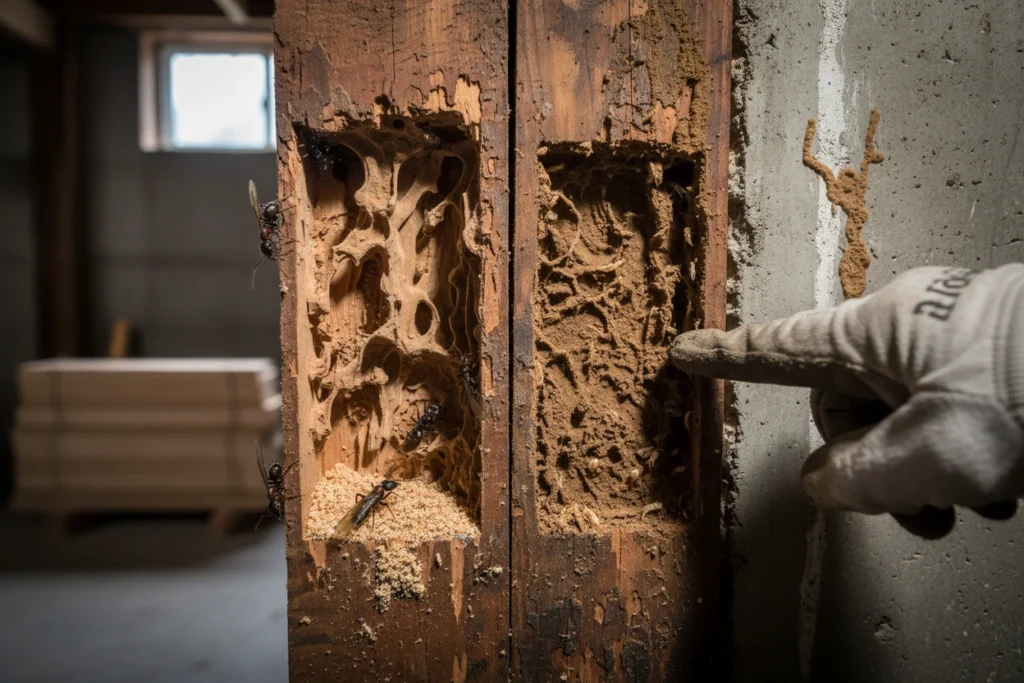
Termites cause structural damage faster than carpenter ants, but you shouldn’t underestimate either pest. Termites can compromise your home’s structural integrity within 3–5 years, while carpenter ants typically take 8–10 years to cause comparable damage. Combined infestations can accelerate that timeline considerably. Beaverton’s wet climate makes your home especially vulnerable to both. Knowing how to spot the differences and act early can save you thousands in repairs—and there’s a lot more you need to know.
Key Takeaways
-
Termites cause more structural damage faster, compromising integrity in 3–5 years, while carpenter ants typically take 8–10 years for comparable destruction.
-
Carpenter ants excavate wood for nesting, leaving smooth galleries and coarse frass, whereas termites consume wood, leaving mud-packed, rough galleries.
-
Beaverton’s wet winters increase moisture in homes, creating favorable conditions for both carpenter ants and subterranean termites simultaneously.
-
Combined infestations of both pests can accelerate structural destruction timelines beyond what either pest causes independently.
-
Early detection of frass, mud tubes, hollow-sounding wood, or swarmers is critical for preventing minor damage from becoming costly repairs.
How Carpenter Ants and Termites Actually Damage Wood
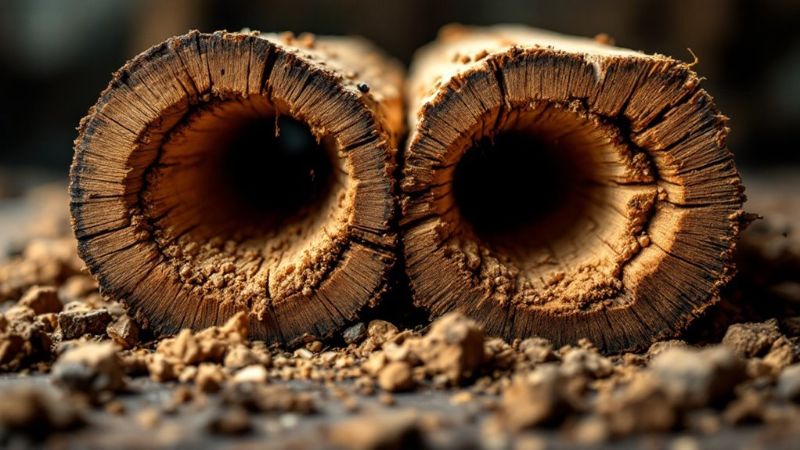
Both carpenter ants and termites destroy wood, but they do it in completely different ways—and understanding the difference helps you identify which pest you’re dealing with.
Carpenter ants don’t eat wood—they excavate it. They remove wood to build galleries for nesting, targeting areas with elevated wood moisture levels. Their pest behavior focuses on structurally compromised, soft wood near leaks or poor drainage.
Termites, however, consume wood as a food source. Subterranean termites work from the inside out, eating along the grain, while drywood termites infest drier lumber throughout your home’s structure.
The result? Carpenter ant galleries look smooth and clean, while termite damage appears layered and packed with soil or frass. Early detection of carpenter ant activity can save you thousands in structural repairs.
Carpenter Ants vs. Termites: Which Causes More Destruction?
When comparing damage patterns, termites typically cause more widespread structural destruction because they consume wood continuously, while carpenter ants only excavate it for nesting. Termites can silently compromise a structure’s integrity within a few years, whereas carpenter ant damage progresses more slowly and remains localized to specific nesting sites. You can distinguish between the two by looking for telltale signs: carpenter ants leave behind smooth, clean galleries and coarse sawdust-like frass, while termites produce mud tubes, damaged wood with a honeycombed interior, and tiny fecal pellets. Additionally, annual inspections by licensed pest control experts can help detect early signs of both pests before significant damage occurs.
Damage Patterns Compared
Damage patterns reveal a key distinction between these two pests: carpenter ants excavate wood to nest in it, while termites eat it.
Carpenter ant galleries are clean, smooth, and precisely cut, often following the wood’s grain. You’ll typically find sawdust-like frass nearby.
Termite damage, by contrast, looks honeycombed or layered, filled with soil and fecal matter.
Both affect damage severity differently over time. Termites work continuously and silently, compromising structural integrity faster.
Carpenter ants expand colonies more slowly, but prolonged infestations still weaken load-bearing wood considerably.
Understanding these distinctions shapes your prevention methods. Eliminating moisture sources deters both pests, but targeted inspections differ by species.
Knowing what you’re dealing with helps you respond faster and protect your Beaverton home more effectively.
Speed Of Destruction
Termites destroy wood faster than carpenter ants—full stop. Understanding the destruction timeline for each pest helps you assess pest severity accurately.
Termites operate 24/7, consuming cellulose continuously. Carpenter ants work slower, excavating wood seasonally and primarily during warmer months.
Key destruction timeline differences:
-
Termites can compromise structural integrity within 3–5 years of infestation.
-
Carpenter ants typically require 8–10 years to produce comparable structural damage.
-
Combined infestations accelerate total destruction considerably, shortening both timelines.
However, don’t underestimate carpenter ants. Moisture-damaged wood makes their excavation faster and more destructive than typical cases suggest.
If you’re seeing sawdust-like frass or winged ants in your Beaverton home, act immediately—waiting only worsens the outcome.
Signs Of Each Pest
Spotting the difference between carpenter ant and termite activity early saves you from costly structural repairs down the road. Use this Signs Checklist to guide your detection efforts:
Carpenter Ants:
-
Coarse sawdust-like frass near wood
-
Rustling sounds inside walls
-
Large, winged swarmers in spring
-
Smooth, gallery-like tunnels in wood
Termites:
-
Mud tubes along foundation walls
-
Hollow-sounding wood when tapped
-
Fine, pellet-like droppings (drywood species)
-
Discarded wings near windowsills
Detection Methods differ between species. Carpenter ant damage stays visible on wood surfaces, making visual inspection straightforward.
Termite damage occurs internally, often requiring moisture meters, infrared cameras, or professional probing tools.
If you’re finding any of these warning signs in your Beaverton home, don’t wait—early identification determines how aggressively you’ll need to treat.
Warning Signs of Carpenter Ants in Beaverton Homes
Catching a carpenter ant infestation early can save Beaverton homeowners from costly structural repairs. Watch for these key warning signs:
-
Frass deposits — Small piles of coarse, sawdust-like wood shavings near baseboards, windowsills, or structural beams indicate active carpenter ant nests.
-
Rustling sounds — Faint crinkling noises inside walls, especially at night, signal worker ants excavating galleries.
-
Winged ants — Swarmers emerging indoors mean an established colony is expanding.
If you spot any of these signs, act immediately.
Locating and eliminating carpenter ant nests requires professional inspection, since colonies often hide deep within moisture-damaged wood. Carpenter ants prefer damp wood for nesting, making it crucial to address any water damage in your home.
Applying prevention techniques like sealing entry points, fixing leaks, and removing decaying wood near your foundation can greatly reduce reinfestation risk.
Why Beaverton’s Climate Attracts Both Pests
Beaverton’s wet winters and mild summers create ideal breeding conditions for both carpenter ants and termites. Seasonal patterns of heavy rainfall drive moisture levels into your home’s foundation, siding, and structural wood—exactly what both pests need to establish colonies.
Carpenter ants seek out wood softened by moisture to excavate their galleries, while subterranean termites thrive in the damp soil conditions that Beaverton’s climate consistently delivers.
Your home faces peak risk during spring, when warming temperatures coincide with saturated ground and elevated indoor humidity. Wood-to-soil contact, clogged gutters, and poor drainage compound the problem considerably. Hidden dangers of ant infestations can escalate quickly if not addressed promptly.
Understanding how Beaverton’s climate fuels both infestations helps you take targeted preventive action before structural damage occurs—rather than reacting after colonies are already well-established inside your home.
Can You Tell the Difference Between the Two?
Telling carpenter ants and termites apart comes down to three key factors: physical appearance, damage patterns, and the signs each pest leaves behind.
Carpenter ants have a pinched waist, bent antennae, and darker coloring, while termites appear cream-colored with a uniform, broad body and straight antennae.
Once you know what to look for, you can spot the difference quickly and take the right action before the damage gets worse. Additionally, understanding the signs of infestation can help you identify the problem early on.
Physical Appearance Differences
Spotting the difference between carpenter ants and termites can save you from misidentifying the pest and choosing the wrong treatment. Both insects share similar sizes, but their physical traits differ markedly.
Key color variations and body features to note:
-
Waist: Carpenter ants have a pinched, segmented waist; termites have a thick, straight waist with no visible narrowing.
-
Antennae: Carpenter ants have elbowed antennae; termites have straight, beaded antennae.
-
Wings: When present, carpenter ant wings are unequal in length; termite wings are equal and twice the body length.
Carpenter ants are typically black or dark red-brown, while termites appear creamy white to pale tan.
Correctly identifying these physical traits helps you pursue the right treatment immediately.
Damage Patterns Compared
Once you’ve identified what you’re dealing with visually, the next step is reading the damage itself—because carpenter ants and termites destroy wood in distinctly different ways.
Carpenter ants excavate clean, smooth galleries following the wood grain, often ejecting sawdust-like frass outside their tunnels. Termites, by contrast, consume wood from the inside, leaving behind mud-packed galleries that look rough and layered.
Your damage assessment should focus on these interior patterns. Open a suspect area and check whether the wood feels hollow, contains mud, or shows clean excavation.
That distinction directly affects repair costs—termite damage typically penetrates deeper structural members, while carpenter ant damage, though serious, tends to be more localized.
Catching either early keeps remediation manageable and protects your home’s structural integrity.
Signs of Each Pest
Knowing what to look for can mean the difference between catching a minor infestation and facing a major structural repair. Understanding pest behavior helps you identify which intruder you’re dealing with before damage escalates.
Watch for these three signs:
-
Frass – Carpenter ants leave coarse, sawdust-like debris mixed with insect parts; termites produce fine, pellet-shaped droppings.
-
Mud tubes – Subterranean termites build pencil-width tunnels along foundations; carpenter ants don’t.
-
Swarmers – Both species produce winged reproductives, but termite swarmers have equal-length wings while carpenter ant wings are unequal.
These distinctions directly inform your prevention tips strategy. Eliminating moisture, sealing entry points, and removing decaying wood addresses both pests effectively.
When to Call a Pest Control Pro in Beaverton
Whether you’re dealing with carpenter ants or termites, calling a pest control professional in Beaverton early can prevent minor damage from becoming a costly structural repair.
If you’re noticing frass, hollow-sounding wood, mud tubes, or swarmers, don’t wait—these are active infestation indicators that require immediate professional assessment.
A licensed pest control technician can accurately identify the species, locate colony activity, and recommend targeted treatment.
Beyond elimination, they’ll provide actionable prevention tips, such as addressing moisture issues, sealing entry points, and removing wood-to-soil contact around your foundation.
Additionally, eco-friendly treatments can contribute to long-term pest activity reduction, ensuring a safer environment for your home.
Pest Patrol serves Beaverton and surrounding communities with fast response times, safe treatments, and a 100% satisfaction guarantee.
Contact them at the first sign of activity to protect your home’s structural integrity before the damage compounds.
Frequently Asked Questions
How Much Does Carpenter Ant or Termite Treatment Typically Cost in Beaverton?
Costs vary based on infestation severity, but you’ll typically spend $300–$1,500 for treatment options. Pest Patrol offers transparent pricing, effective solutions, and prevention tips to protect your Beaverton home from costly carpenter ant or termite damage.
Are Carpenter Ants or Termites More Common in Beaverton Specifically?
Carpenter ants are far more common in Beaverton. Their carpenter ant habits thrive in the Pacific Northwest’s moisture-rich environment. Termite behavior is less prevalent here, but you shouldn’t ignore either threat—both demand professional inspection.
Can Carpenter Ant or Termite Damage Be Covered by Homeowner’s Insurance?
Most homeowner’s insurance policies won’t cover carpenter ant or termite damage, as insurers classify it as preventable neglect. You’ll need a professional damage assessment to document the extent, which can help you explore any available insurance coverage options.
How Long Does a Professional Carpenter Ant or Termite Treatment Take?
Professional treatments typically take 1–3 hours, depending on infestation severity. You’ll see treatment effectiveness within days, but full results may take weeks. Technicians also recommend prevention methods to protect your home long-term.
Do Carpenter Ants or Termites Pose Any Health Risks to My Family?
Neither carpenter ants nor termites pose direct health risks to your family, but they can trigger allergies or contaminate food. You’ll protect your household by prioritizing pest prevention through professional inspections and timely treatments.
Conclusion
Both carpenter ants and termites can seriously compromise your home’s structural integrity, and Beaverton’s damp climate makes you especially vulnerable to both. Don’t wait until you’re seeing winged swarmers or buckling wood to take action. If you’ve spotted large ants, frass piles, or hollowed wood, you need a licensed pest control professional to assess the damage immediately. Early intervention is always cheaper than structural repairs — so don’t delay getting an expert inspection.