
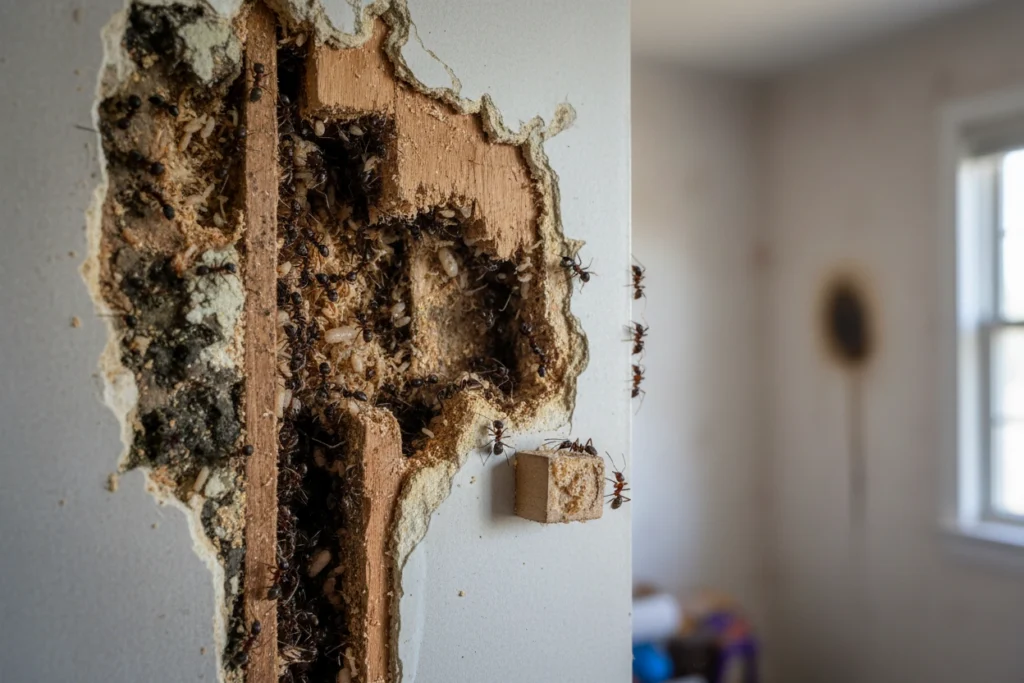
Have you ever wondered what happens when ants take up residence in your walls? While these tiny insects might seem harmless at first glance, their presence can indicate a much larger problem lurking within your home. In this article, we will explore the risks associated with allowing ants to linger in your walls, the signs of infestation, and effective pest control strategies to safeguard your property.
Understanding the Hidden Dangers of Ant Infestations
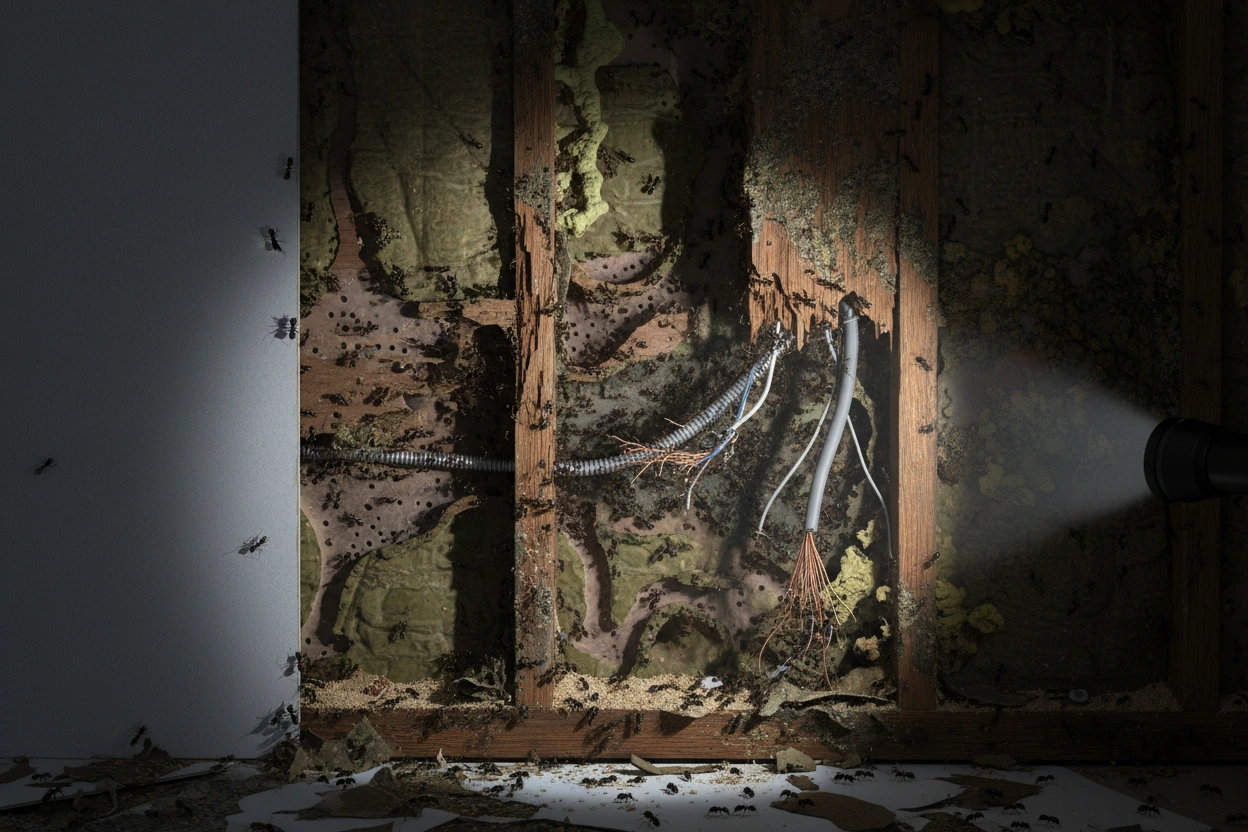
Ants may appear to be minor nuisances, but they can pose significant risks to your home and health. One of the most alarming aspects is the potential structural damage they can cause. Certain species, such as carpenter ants, have the ability to excavate wood to create nests. Over time, this can weaken the structural integrity of your walls, ceilings, and even the foundation of your home. Left unchecked, an ant infestation can lead to costly repairs and diminished property value.
In addition to structural damage, ants can also introduce health risks into your living space. Many species are known to contaminate food and surfaces with bacteria. For instance, they can carry pathogens that lead to foodborne illnesses. The health risks of ants extend beyond mere contamination; they can exacerbate allergies or trigger asthma attacks in sensitive individuals. Understanding these hidden dangers emphasizes the importance of timely intervention when dealing with an ant infestation.
The Structural Threat of Carpenter Ants
Carpenter ants are notorious for their ability to hollow out wood, leading to severe structural issues. Unlike termites, they do not eat wood but instead create galleries within it for nesting purposes. This activity can compromise beams, joists, and other critical components of your home, resulting in significant repair costs.
Health Risks Associated with Ants
Ants can contaminate food sources with harmful bacteria, posing health risks to residents. Species like the pharaoh ant are known to invade kitchens and pantries, spreading pathogens that can lead to gastrointestinal illnesses. Furthermore, the presence of ants can trigger allergic reactions in sensitive individuals, making it imperative to address infestations promptly.
Identifying the Signs of an Ant Infestation
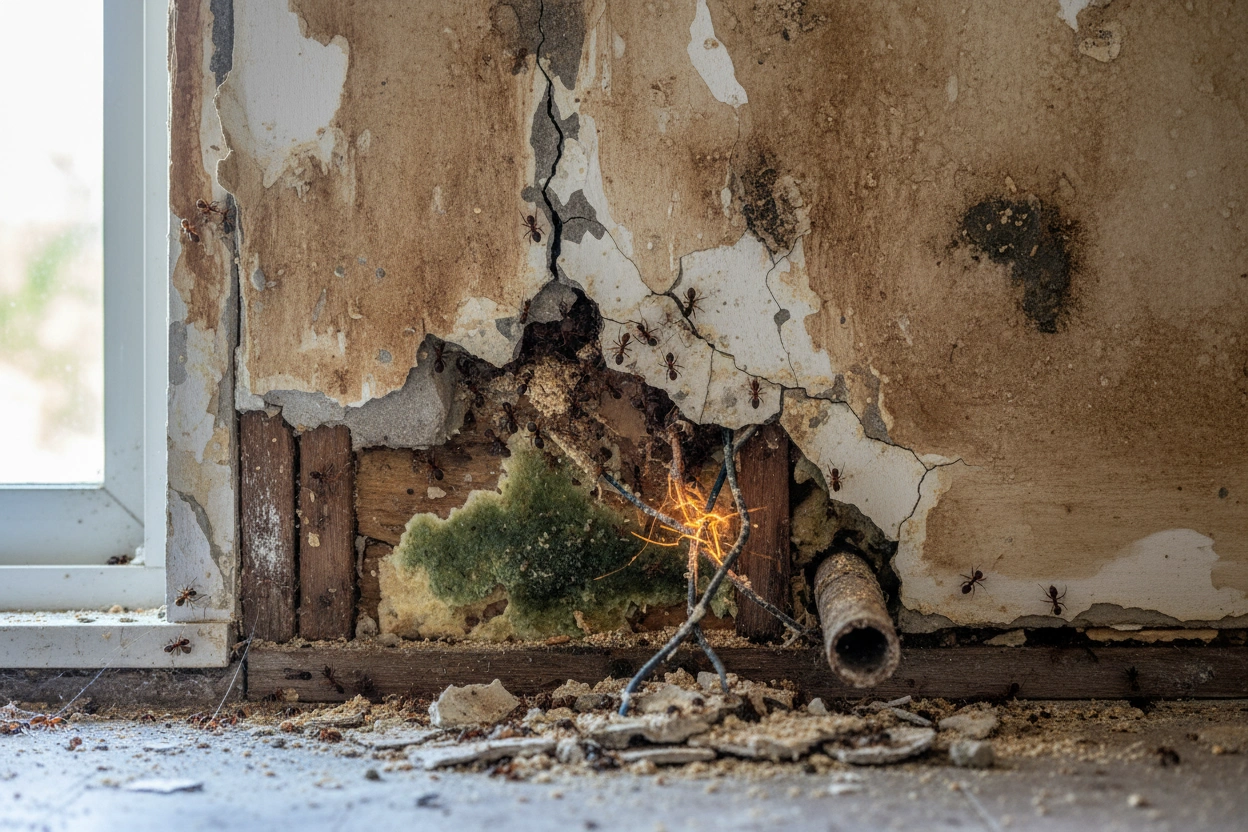
Detecting an ant infestation early can save homeowners a great deal of trouble and expense. Common indicators of ants in walls include visible trails, small piles of sawdust, or even the sounds of movement within the walls. These signs can help you identify the problem before it escalates.
To spot an infestation early, pay attention to the following:
-
Visible Ant Trails: Ants often travel in well-defined paths to and from their food sources. Observing these trails can provide insight into their nesting location.
-
Sawdust or Frass: If you notice small piles of wood shavings or frass (excrement), it may indicate that carpenter ants are nesting within your walls.
-
Unusual Noises: Sometimes, you may hear rustling or crunching sounds coming from within the walls, which can indicate active nesting.
By recognizing these signs, you can take action before the infestation worsens.
Common Indicators of Ant Activity
-
Food Sources: Ants are attracted to food, so spotting them near crumbs or spills can indicate a larger issue.
-
Nest Locations: Look for nests in hidden areas, such as behind baseboards or within wall cavities.
-
Increased Ant Activity: A sudden increase in the number of ants, especially in spring and summer, often signals an impending infestation.
How to Spot an Infestation Early
Conduct regular inspections of your home, particularly in areas prone to moisture and food sources. Checking for ant trails and potential nesting sites can help you address an issue before it escalates.
Effective Pest Control Strategies to Combat Ants
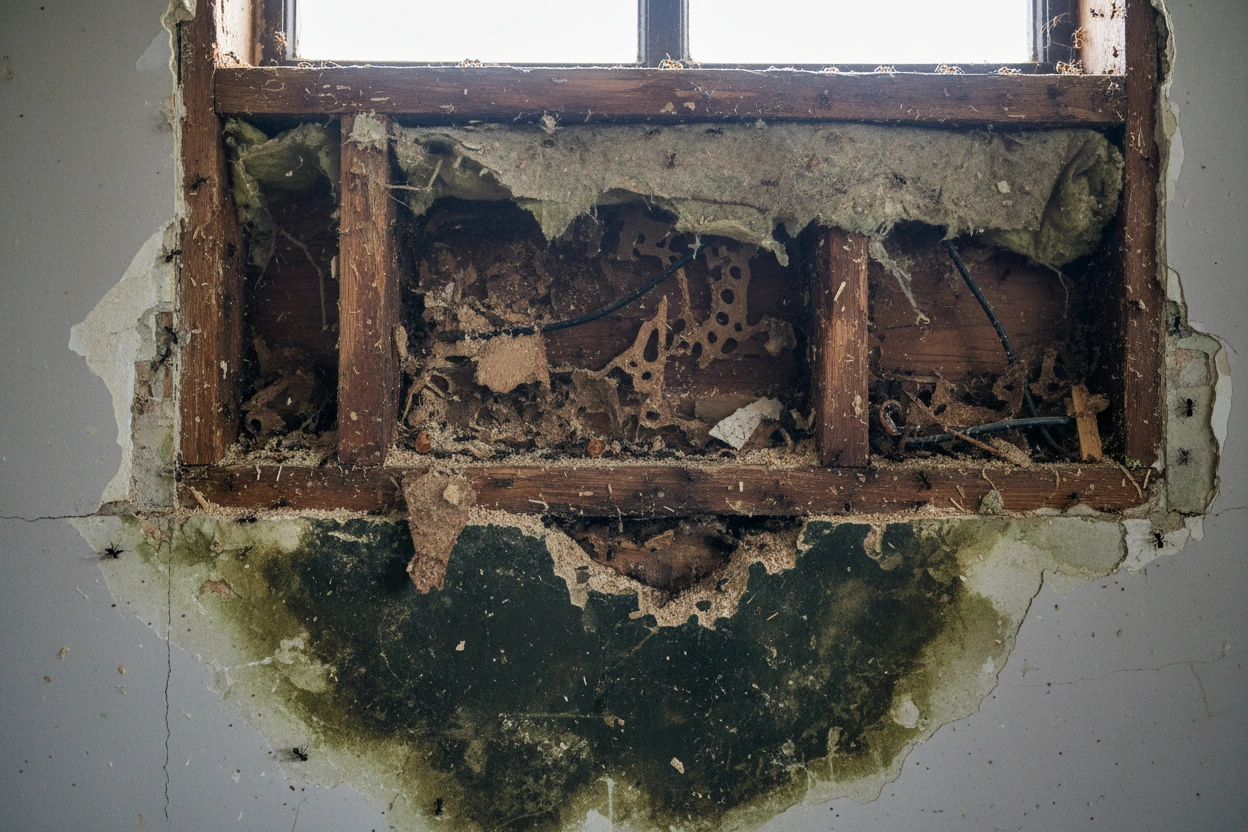
When it comes to exterminating ants, there are both professional and DIY pest control methods available. Professional extermination services can provide targeted treatments that effectively eliminate the entire colony, ensuring that the problem does not recur. This is often the most effective solution for severe infestations.
On the other hand, homeowners can also employ DIY pest control methods to manage minor ant problems. Some effective strategies include:
-
Boric Acid: This is a popular and effective ant bait that can eliminate colonies when ants carry it back to their nests.
-
Diatomaceous Earth: This natural powder can be sprinkled in areas where ants are active. It damages their exoskeletons, leading to dehydration and death.
-
Homemade Baits: Mixing sugar with vinegar or peanut butter can attract ants, allowing you to trap them effectively.
While DIY methods can be effective for minor issues, it is crucial to recognize when professional help is necessary.
Importance of Professional Extermination
Professional pest control services possess the expertise and tools to effectively deal with severe infestations. They can identify the species of ants, locate nests, and apply targeted treatments that are often more effective than over-the-counter solutions.
DIY Pest Control Methods
For homeowners looking to take matters into their own hands, simple DIY methods can provide relief from minor infestations. However, it is vital to remain vigilant and monitor the situation, as a small problem can quickly escalate if not addressed promptly.
Preventing Future Ant Infestations in Your Home
Preventing ant infestations is often easier than dealing with an existing problem. Implementing best practices for ant-proofing your property can significantly reduce the likelihood of ants invading your walls. Here are some effective strategies:
-
Seal Entry Points: Inspect your home for cracks and gaps around windows, doors, and foundations. Sealing these entry points can prevent ants from gaining access.
-
Maintain Cleanliness: Regular cleaning, especially in kitchens and dining areas, can eliminate food sources that attract ants. Store food in airtight containers and promptly clean up spills and crumbs.
-
Routine Inspections: Conduct regular inspections of your property to identify and address potential issues before they escalate.
By adopting these preventative measures, homeowners can create an environment that is less inviting to ants.
Best Practices for Ant-Proofing Your Property
-
Eliminate Standing Water: Ants are attracted to moisture, so fixing leaks and ensuring proper drainage can help deter them.
-
Store Firewood Away from the Home: Keeping firewood stacked away from your house reduces the likelihood of ants finding their way indoors.
-
Use Landscaping Wisely: Trim back vegetation and keep mulch away from your home’s foundation to minimize ant access.
Routine Inspections and Maintenance
Establishing a routine inspection schedule can help catch potential ant problems before they escalate. Regular checks can ensure that your pest control measures are effective and that your home remains ant-free.
Letting Ants Settle In Can Lead to Bigger Problems
Ants may seem harmless at first, but colonies hidden inside walls can grow quickly and become difficult to control. Some species can damage wood, while others contaminate food or create persistent trails throughout your home. The longer they remain undetected, the more established the colony becomes, increasing the chances of recurring infestations and harder to reach nesting areas.
If you are noticing signs of ants or want to stop a potential infestation before it spreads, Pest Patrol can inspect your home and recommend a targeted solution based on the species and severity. Contact Pest Patrol for a free quote and take the next step toward keeping your home clean, protected, and ant-free.