
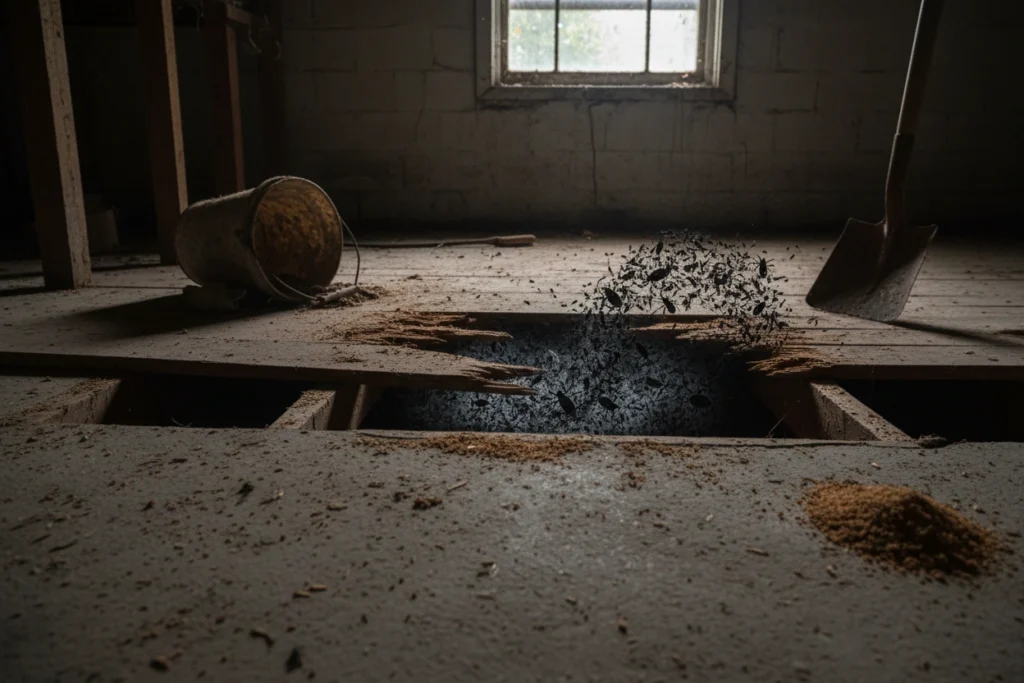
A pest problem is usually bigger than it looks when you spot multiple sightings across different areas, find droppings, gnaw marks, or nesting materials, or hear scratching inside your walls. Visible pests represent only a fraction of the hidden population — a single mouse can signal dozens more. Document what you see, where you see it, and when. The details ahead will help you accurately size up what you’re really dealing with.
Key Takeaways
-
Multiple sightings in different areas, droppings, gnaw marks, or nesting materials indicate an established infestation rather than a stray pest.
-
Scratching sounds in walls, grease marks along baseboards, and unexplained musty odors signal hidden pest activity beyond what’s visible.
-
Visible pests often represent a fraction of a larger hidden population, as nests are typically established before surface activity appears.
-
Rapid reproduction rates mean infestations escalate quickly; mice reproduce every 21 days, making early detection critical to controlling growth.
-
Evidence found inside wall cavities or multiple infestation points simultaneously signals a widespread problem requiring immediate professional assessment.
The Difference Between a Stray Pest and a Full Infestation
When you spot a single cockroach or mouse in your home, it doesn’t automatically signal an infestation — it may simply be a stray pest that wandered in through an open door or gap in your foundation.
Stray identification requires you to assess context: Was it one isolated sighting during daylight? No accompanying droppings, odors, or structural damage? That’s likely a stray.
Infestation signs tell a different story. Multiple sightings across different areas, consistent droppings, gnaw marks, shed skins, or nesting materials indicate an established population.
The critical distinction is behavioral pattern versus isolated incident. Strays don’t leave evidence trails; infestations do.
You’ll want to document each sighting — time, location, and associated evidence — before concluding which situation you’re actually dealing with.
Warning Signs Your Pest Problem Is Inside the Walls
Some of the most serious pest activity happens where you can’t see it — inside your walls, behind baseboards, and within ceiling voids.
Recognizing hidden signs early can prevent extensive wall damage and structural compromise.
Watch for these indicators:
-
Scratching or rustling sounds inside walls, especially at night, suggest rodent activity.
-
Hollow-sounding drywall when tapped indicates tunneling insects, particularly carpenter ants or termites.
-
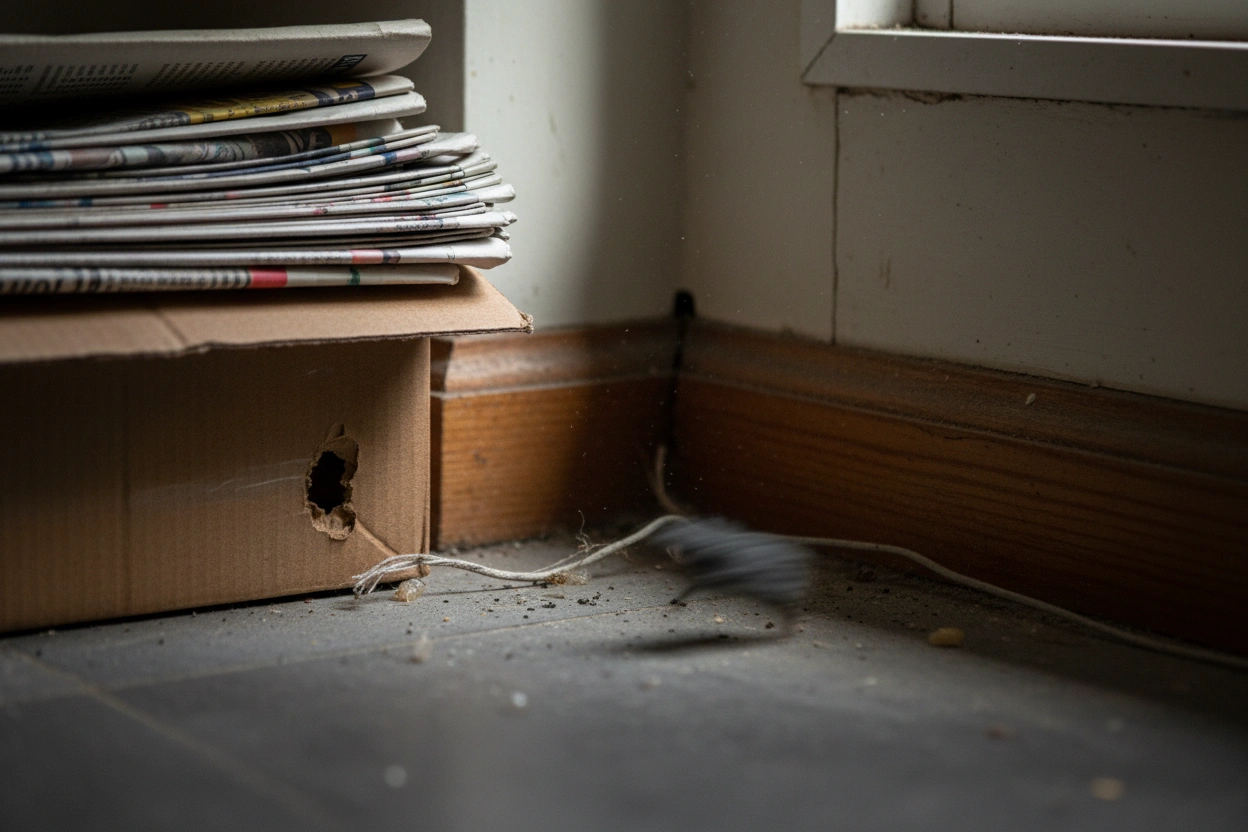
Grease marks or rub stains along baseboards signal repeated rodent travel paths.
-
Unexplained musty odors point to moisture-seeking pests or pest waste accumulation.
-
Small holes or gnaw marks near electrical outlets confirm active rodent presence.
-
Sagging or bubbling paint suggests termite moisture damage within wall cavities.
If you’re identifying multiple signs simultaneously, the infestation has likely advanced beyond surface level.
Which Pests Cause the Most Structural Damage
Not all pests damage structures equally — termites, carpenter ants, and carpenter bees are the primary offenders, each attacking wood through distinct mechanisms. Understanding termite types, carpenter ants, and wood boring beetles helps you assess foundation damage risks accurately.
-
Termites — Subterranean and drywood termite types consume wood cellulose internally, often destroying load-bearing structures before you detect visible signs.
-
Carpenter Ants — They excavate smooth galleries through moist or decaying wood, weakening structural integrity without consuming the material.
-
Wood Boring Beetles — Larvae tunnel through dense wood over years, compromising framing and flooring undetected.
Prioritizing pest prevention early limits costly structural repairs.
If you’re identifying multiple species simultaneously, your foundation damage risk escalates greatly, requiring immediate professional structural assessment rather than standard treatment protocols.
How Fast a Pest Infestation Spirals Out of Control
Pest infestations escalate faster than most homeowners anticipate, driven by reproductive cycles that compound exponentially within weeks. A single German cockroach produces roughly 400 offspring within her lifespan. Mice reproduce every 21 days, generating six to eight pups per litter.
These pest reproduction rates mean you’re rarely dealing with the dozen insects you’ve spotted—you’re encountering the visible fraction of a much larger hidden population.
Hidden nests amplify this problem considerably. Colonies establish deep within wall voids, insulation, and subfloor cavities before you detect surface activity.
Disease, Contamination, and Allergens Pests Bring Into Your Home
When pests infiltrate your home, they don’t just damage property—they introduce pathogens, bacteria, and viruses that directly threaten your health through bites, droppings, and physical contact.
They also contaminate your food supply and household surfaces with harmful microorganisms, rendering food unsafe and turning everyday surfaces into vectors for illness.
Beyond direct contamination, pests like cockroaches, rodents, and dust mites shed allergens—including feces, shed skin, and saliva proteins—that trigger respiratory conditions, allergic reactions, and asthma attacks.
Diseases Pests Directly Spread
Beyond structural damage and food contamination, pests carry and transmit a range of diseases, allergens, and pathogens that directly threaten your household’s health.
Recognizing pest vectors and their disease transmission methods helps you assess exposure risk accurately.
Common directly transmitted diseases include:
-
Hantavirus — Rodents spread this respiratory illness through urine, droppings, and saliva contact.
-
Salmonellosis — Cockroaches and flies transfer Salmonella bacteria directly onto food preparation surfaces.
-
Lyme Disease — Ticks transmit Borrelia burgdorferi bacteria through direct bites, requiring prompt identification.
Each of these conditions escalates from manageable to severe without early intervention.
If you’re noticing pest activity alongside unexplained illness symptoms in your household, don’t dismiss the connection — a professional inspection becomes medically necessary, not just recommended.
Contaminated Food And Surfaces
Food contamination extends far beyond visible pest sightings — cockroaches, rodents, and flies deposit bacteria, fecal matter, and urine across countertops, pantry shelves, and cooking utensils during nighttime foraging activity.
Pathogens including Salmonella, E. coli, and Listeria transfer onto food contact surfaces without leaving detectable visual indicators, making contamination awareness critical to maintaining food safety. You won’t always see the problem — you’ll encounter it through foodborne illness symptoms instead.
Surface cleanliness becomes compromised when pest traffic remains undetected across preparation zones, storage containers, and appliance exteriors. Implementing pest prevention measures directly reduces pathogen load on household surfaces.
Inspect sealed food packaging regularly for gnaw marks, moisture damage, or droppings, as these confirm active contamination requiring immediate sanitation protocols and professional pest intervention.
Allergens From Pest Infestations
Pest infestations introduce allergens into your home that trigger respiratory conditions, skin reactions, and chronic inflammation — often without your awareness.
Pest droppings, shed skins, and saliva contain proteins that become airborne, embedding themselves into surfaces, furniture, and ventilation systems. Identifying your exposure requires systematic evaluation:
-
Cockroach allergens — dried pest droppings and decomposed body parts contaminate air ducts, intensifying asthma and allergy symptoms year-round.
-
Rodent dander — microscopic proteins from fur, urine, and droppings accumulate in wall voids and insulation, provoking persistent respiratory irritation.
-
Dust mite byproducts — pest activity accelerates dust mite populations, compounding existing allergy symptoms through fecal particle inhalation.
You must address infestations promptly — allergen concentrations escalate with population growth, making remediation increasingly complex over time.
When to Stop DIY-ing and Call a Pest Control Professional
While DIY pest control methods can effectively address minor infestations, there are clear thresholds that signal it’s time to hand the problem over to a licensed professional.
DIY limitations become apparent when infestations persist after repeated treatment cycles, structural damage is detected, or colony sizes exceed manageable levels.
Professional expertise proves essential when dealing with wood-destroying organisms like termites, venomous species, or vector-borne pests requiring regulated pesticide applications.
You should also contact a licensed exterminator if you’re identifying multiple infestation points simultaneously, discovering evidence inside wall cavities, or facing species that require specialized equipment to treat.
Delaying professional intervention at these critical thresholds typically accelerates structural deterioration, increases remediation costs, and elevates health risks for building occupants.
Frequently Asked Questions
Can Pets Accidentally Bring Pests Inside From the Backyard?
Yes, your pets can track fleas, ticks, and mites indoors. You’ll need to prioritize flea prevention, maintain proper pet hygiene, practice pest identification regularly, and guarantee backyard safety to effectively minimize infestation risks entering your home.
Does Homeowners Insurance Ever Cover Pest-Related Property Damage?
Most homeowners insurance policies exclude pest-related damage through pest exclusions, meaning you’re typically responsible for all repair costs. You’ll want to review your specific policy carefully, as coverage varies greatly between insurers and individual plan structures.
Are Certain Climates or Seasons More Prone to Severe Infestations?
Yes, climate impact and seasonal trends directly affect infestation severity. You’ll find warm, humid climates accelerate pest breeding cycles, while spring and summer seasons typically trigger peak activity, increasing your risk of encountering larger, harder-to-control infestations.
Can a Recently Purchased Home Already Have a Hidden Infestation?
Yes, your recently purchased home can harbor hidden infestations. You’ll want to inspect for hidden signs like wood damage, droppings, and mud tubes. Prioritize pest prevention by scheduling a professional inspection before finalizing any purchase.
Do Neighboring Properties With Infestations Put My Home at Risk?
Yes, neighboring infestations absolutely put your home at risk. Pests don’t respect property lines, and pest migration occurs naturally as colonies expand, resources deplete, or treatments displace them, driving populations directly toward your structure.
Conclusion
Recognizing a pest problem’s true scope protects your home’s structural integrity and your family’s health. You’ve learned to distinguish isolated sightings from active infestations, identify concealed warning signs, and understand how rapidly populations escalate. Don’t underestimate contamination risks or delay professional intervention when evidence demands it. Apply these diagnostic markers systematically, act on multiple converging warning signs immediately, and you’ll prevent minor pest activity from compounding into costly, hazardous infestations requiring extensive remediation.