
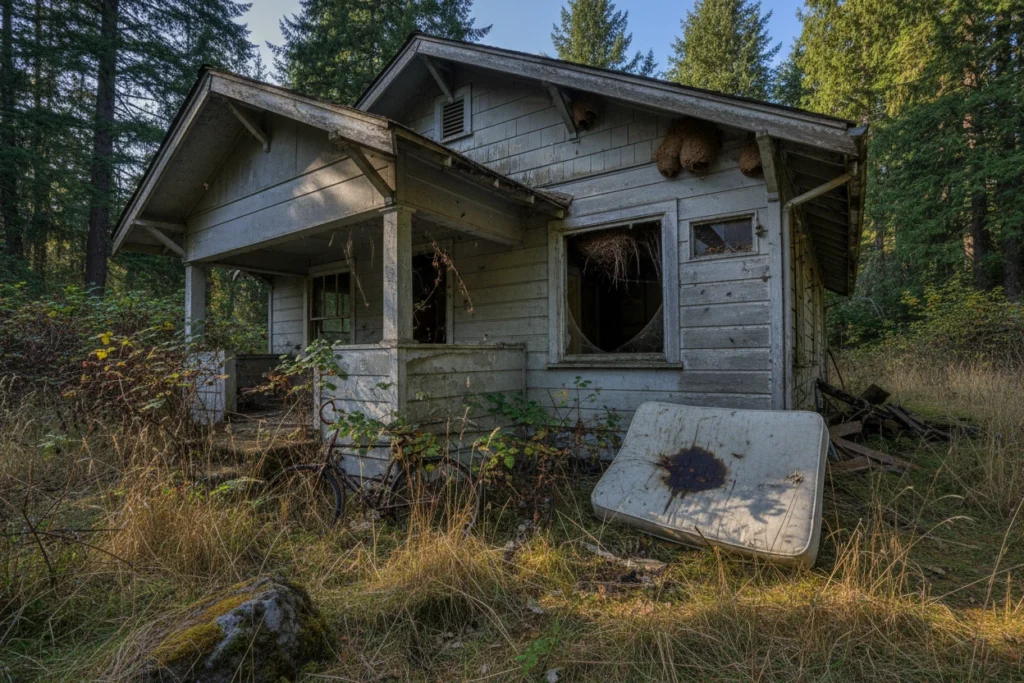
When your property sits empty in Oregon, pests move in fast. Rodents squeeze through gaps as small as a quarter inch, insects follow moisture into softened wood, and wildlife claims undisturbed attics and crawlspaces. Oregon’s 140-plus rainy days a year make conditions nearly ideal year-round. Without regular occupancy, damage compounds silently — gnawed wiring, compromised structures, and ruined insulation. Understanding exactly how this happens is the first step toward stopping it.
Key Takeaways
-
Vacant homes attract rodents, insects, and wildlife quickly, as low human activity removes the disturbance that typically deters pest intrusion.
-
Oregon’s wet climate, with over 140 rainy days annually, accelerates pest pressure by creating moisture-rich conditions ideal for infestation year-round.
-
Rodents can enter through gaps as small as a quarter inch, targeting wall voids, attics, and crawl spaces for shelter.
-
Hidden damage accumulates fast, including gnawed wiring creating fire hazards, structural decay from carpenter ants, and insulation damage from wildlife.
-
Regular inspections and sealing entry points around vents, pipes, and foundations are essential preventive measures for protecting vacant Oregon properties.
Why Vacant Homes Attract Pests So Quickly
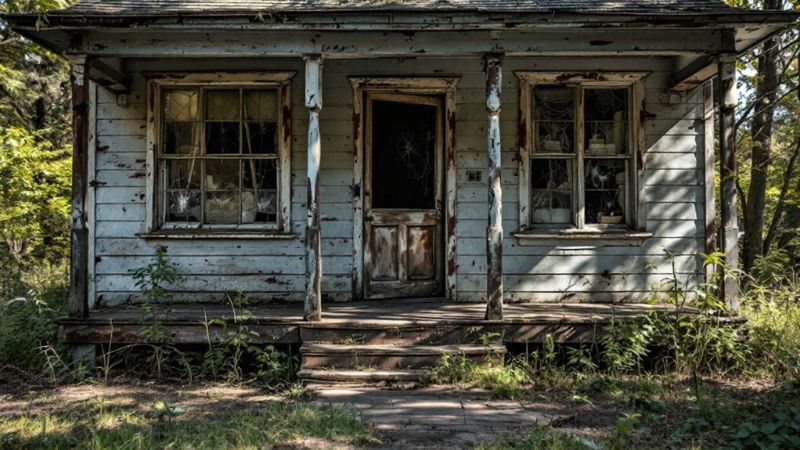
When a home sits vacant, it doesn’t take long for pests to move in. Without regular human activity, pests quickly recognize the space as low-risk and ideal for nesting. Rodents exploit small structural gaps, insects follow moisture and food residue, and wildlife takes advantage of undisturbed entry points like attic vents or crawl space openings.
Oregon’s climate accelerates this process. Wet winters drive rodents and insects indoors seeking warmth and shelter, while overgrown vegetation and standing water on neglected properties create additional harborage zones. Additionally, pests like mice and cockroaches actively seek warmth indoors during colder months, increasing the risk of infestations.
Consistent property maintenance is your first line of defense. Without it, pest prevention becomes reactive rather than proactive.
Vacant properties require the same level of structural attention as occupied ones—sometimes more, since no one’s there to catch early warning signs.
Which Pests Are Most Likely to Move In
When you leave a home vacant in Oregon, you’re creating an open invitation for three distinct categories of pests.
Rodents like rats and mice move in first, targeting entry points around foundations and utility penetrations to establish nests in wall voids and attics.
Insects exploit structural gaps next, while wildlife species—raccoons, squirrels, and birds—claim unchallenged spaces in crawlspaces, chimneys, and roof voids. Additionally, early identification of these pests is crucial for effective prevention, helping homeowners mitigate infestations before they escalate.
Rodents Seek Shelter First
Vacant homes in Oregon create ideal conditions for opportunistic pests, and rodents are typically the first to exploit them. Rats and mice prioritize warmth, moisture, and proximity to food sources when selecting harborage sites, and an empty home checks every box.
Rodent behavior shifts seasonally—expect increased intrusion attempts during fall and winter as temperatures drop. Their shelter preferences lean toward wall voids, attics, crawl spaces, and utility entry points, all of which vacant properties leave unmonitored.
Even a gap as small as a quarter inch allows mice to enter. Once inside, they’ll nest, reproduce, and cause structural damage before you’re aware of the infestation.
Routine inspections and exclusion measures are critical for any property sitting unoccupied for more than a few weeks.
Insects Exploit Structural Gaps
Insects move fast once a home sits vacant, and Oregon’s climate gives them plenty of opportunity. Carpenter ants target moisture-damaged wood, tunneling through framing and compromising structural integrity over time.
Cockroaches squeeze through gaps as small as 1.5mm, exploiting pest entry points around pipes, utility lines, and foundation cracks. Yellowjackets build nests inside wall voids and attic spaces, creating hazards that grow harder to treat the longer the property sits empty.
You’ll find that vacant homes accumulate these issues quietly—no daily activity to disturb nesting behavior or signal early warning signs. Oregon’s wet winters accelerate wood decay, widening existing gaps and creating new ones.
Scheduling a professional inspection before listing or occupying a vacant property protects both its value and its structural soundness.
Wildlife Claims Empty Spaces
Oregon’s wildlife doesn’t wait long before treating a vacant home as a viable shelter opportunity. Without regular property maintenance, even a briefly unoccupied structure becomes a target for wildlife intrusion.
Animals actively seek warmth, nesting materials, and food access — and your vacant home offers all three.
Watch for these warning signs during property inspections:
-
Raccoons tearing back roof shingles or pushing through deteriorated fascia boards to access attic spaces
-
Squirrels exploiting uncapped vents and gnawing electrical wiring, creating both structural and fire hazards
-
Birds nesting inside chimneys or wall cavities, leaving debris that blocks airflow and attracts secondary pest activity
Each of these situations escalates quickly, compounding repair costs and complicating future occupancy timelines if left unaddressed.
How Oregon’s Climate Makes Empty Homes Vulnerable
Oregon’s wet climate creates ideal conditions for pests year-round, and your vacant home becomes an easy target when no one’s actively monitoring it.
Persistent moisture from rain and humidity weakens wood, degrades seals, and compromises foundation barriers—giving pests structural vulnerabilities to exploit.
Unlike drier climates with defined pest seasons, Oregon’s mild temperatures keep ant, rodent, and insect activity continuous, meaning your empty property faces pressure in every month of the year. Additionally, rodents seek shelter indoors during colder months, further increasing the risk of infestations in unmonitored homes.
Oregon’s Wet Climate Invites Pests
Because Portland and the surrounding region average over 140 rainy days per year, vacant homes face elevated pest pressure that owners and property managers can’t afford to ignore.
Oregon’s wet climate directly drives seasonal pest trends, pushing moisture-seeking pests indoors when conditions outside become saturated.
Without active occupancy, you’re missing the early warning signs that effective pest prevention strategies depend on:
-
Standing water pooling in basements, crawl spaces, and window wells, creating ideal rodent and cockroach harborage zones
-
Softening wood framing along sills and subflooring, accelerating carpenter ant and termite entry points
-
Mold-saturated wall cavities that attract moisture-dependent pests like silverfish and certain spider species
Oregon’s rainfall doesn’t pause between tenant turnovers—and neither do the pests exploiting every damp entry point.
Moisture Weakens Home Defenses
When moisture infiltrates an unoccupied home, it systematically dismantles the structural and material barriers that keep pests out. Prolonged moisture retention softens wood framing, degrades sealants around windows and doors, and compromises crawl space membranes — all critical components of your home’s structural integrity.
Once these materials weaken, entry points multiply. Termites target moisture-damaged wood. Rodents exploit gaps where swollen frames no longer seal properly. Carpenter ants nest inside deteriorating wall cavities.
Oregon’s persistent rainfall accelerates this cycle considerably in vacant properties because no one’s managing ventilation, running dehumidifiers, or catching early warning signs.
You’re also facing potential code compliance issues if moisture damage goes unaddressed long enough to affect load-bearing components. Prevention isn’t just about pests — it’s about protecting the structure itself.
Year-Round Pest Activity Persists
Unlike regions with harsh winters that naturally suppress pest populations, the Pacific Northwest maintains conditions that support year-round pest activity.
When your home sits vacant, it becomes a static target across every season. Seasonal pest variations don’t pause—they shift, meaning different species exploit your empty property throughout the calendar year.
-
Winter moisture drives rats and mice indoors through gaps as small as a quarter inch.
-
Spring warmth triggers ant colonies to probe foundations and wall voids for food and nesting sites.
-
Summer heat sends yellow jackets into attic spaces and overhangs to build protected nests.
Without consistent occupancy, you lose the early detection that effective pest prevention strategies depend on.
An unmonitored home in Oregon isn’t dormant—it’s actively being assessed by pests.
The Hidden Damage Pests Do While a Property Sits Empty
Pests don’t just take up residence in a vacant property—they actively destroy it. Rodents gnaw through electrical wiring, creating fire hazards that violate Oregon building codes and complicate insurance claims. Carpenter ants and moisture-loving insects exploit untreated wood, accelerating structural decay that’s costly to remediate. Raccoons and squirrels tear through insulation and roofing materials, exposing interiors to water intrusion. The hidden costs accumulate fast: you’re often looking at thousands in property damage before you even discover the infestation. Without regular occupancy, there’s no one to catch early warning signs—droppings, gnaw marks, or compromised insulation. Additionally, rodent damage can lead to significant increases in energy costs due to compromised insulation.
Warning Signs Your Vacant Home Has a Pest Problem
Catching a pest problem early in a vacant home comes down to knowing the 7 most telling warning signs before they escalate into code violations or insurance disputes.
Regular walkthroughs using targeted inspection tips help you identify pest indicators before structural or sanitary damage compounds liability.
Watch for these critical red flags:
-
Droppings along baseboards or inside cabinets — rodent or cockroach fecal matter signals active infestation, not isolated entry.
-
Gnaw marks on wiring, wood framing, or PVC piping — fresh chewing indicates current activity requiring immediate intervention.
-
Mud tubes along foundation walls or hollow-sounding wood — classic termite pest indicators that often go undetected for months.
Document everything you find. Additionally, understanding rodent behavior is crucial for addressing infestations effectively. Photos and timestamps support insurance claims and contractor assessments.
How to Protect an Empty Property From Pests in Oregon
Protecting an empty property from pests in Oregon requires a layered defense strategy—one that combines physical exclusion, environmental controls, and scheduled monitoring.
Start by sealing all entry points—gaps around pipes, vents, rooflines, and foundations are common access routes for rodents and insects. Remove standing water, debris piles, and overgrown vegetation that create harborage conditions.
Inside, eliminate food sources by clearing leftover materials and ensuring proper storage. Schedule regular pest inspections with a licensed professional to detect activity before infestations establish.
Oregon’s damp climate accelerates pest pressure, making preventive measures non-negotiable rather than optional.
If you’re managing a vacant property in the Portland metro area, Pest Patrol offers tailored protection plans designed to keep your empty home pest-free year-round.
Frequently Asked Questions
Are Vacant Home Pest Infestations Covered by Standard Homeowner’s Insurance Policies?
Most standard homeowner’s insurance policies don’t cover vacant home pest infestations. You’ll typically encounter pest exclusions that void insurance coverage once a property sits empty, so you’ll need proactive pest management instead.
How Long Can a Home Sit Empty Before Pests Become a Serious Problem?
Pests can become a serious problem within 30 days of vacancy duration. You’ll want to start pest prevention immediately, as Oregon’s moisture and mild climate accelerate infestations of rodents, ants, and moisture-loving insects remarkably fast.
Can Neighbors Be Held Liable for Pests Spreading From Their Property?
Neighbor liability for pest spread is possible in Oregon, but it’s difficult to prove. You’d need to document negligence, show clear evidence of origin, and often pursue civil action—consulting a local attorney first is practical.
Do Pest Control Companies Offer Special Monitoring Contracts for Vacant Properties?
Yes, you can secure pest monitoring services tailored for empty homes. Many companies, including Pest Patrol, offer recurring vacant property inspections to detect infestations early, helping you stay compliant with local property maintenance regulations and prevent costly damage.
Is It Legal to Use Certain Pest Traps in Unoccupied Oregon Homes?
Yes, you can use most traps in vacant Oregon homes, but you’ll need to follow trap regulations carefully. Ethical considerations apply too—especially for wildlife. It’s best to consult a licensed pest control professional for compliance guidance.
Conclusion
Don’t let a vacant property become an open invitation for pests. Oregon’s climate creates year-round infestation risks that can quickly escalate into costly structural damage and compliance issues when you’re preparing to sell or reoccupy. You’ll need to implement proactive exclusion measures, schedule regular inspections, and address moisture vulnerabilities before pests establish themselves. Taking action now protects your investment, preserves property value, and keeps you ahead of potential code or disclosure requirements down the line.