
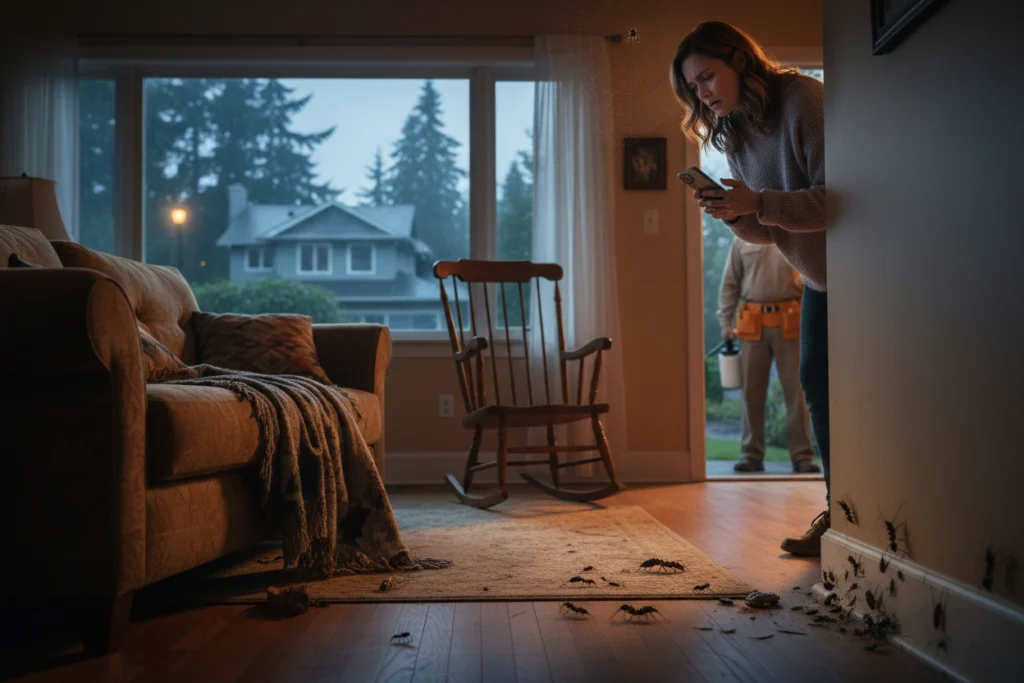
Gresham’s 44 inches of annual rainfall drives ants, rodents, spiders, and termites directly into your home year-round. You’ll likely encounter odorous house ants, Norway rats, and cellar spiders taking shelter in your walls, basement, and crawl spaces. Watch for droppings, gnaw marks, and unusual odors as early warning signs. DIY fixes can help, but recurring or structural infestations require professional intervention. Everything you need to identify, prevent, and eliminate these pests is covered ahead.
Key Takeaways
-
Gresham’s 44 inches of annual rainfall creates high humidity, attracting moisture-dependent pests like carpenter ants, rodents, and subterranean termites year-round.
-
Common signs of infestation include droppings near baseboards, gnaw marks on wood or wiring, grease trails, and unusual musty odors.
-
DIY solutions like sealing entry points, fixing moisture leaks, and applying diatomaceous earth can help manage minor pest problems effectively.
-
Call a professional when infestations recur, structural damage appears, multiple pest species are present, or pest activity sources remain unidentified.
-
Professional pest control uses tailored treatments, follow-up visits, and Integrated Pest Management to ensure long-term prevention and effective elimination.
The Most Common Pests Found in Gresham Homes
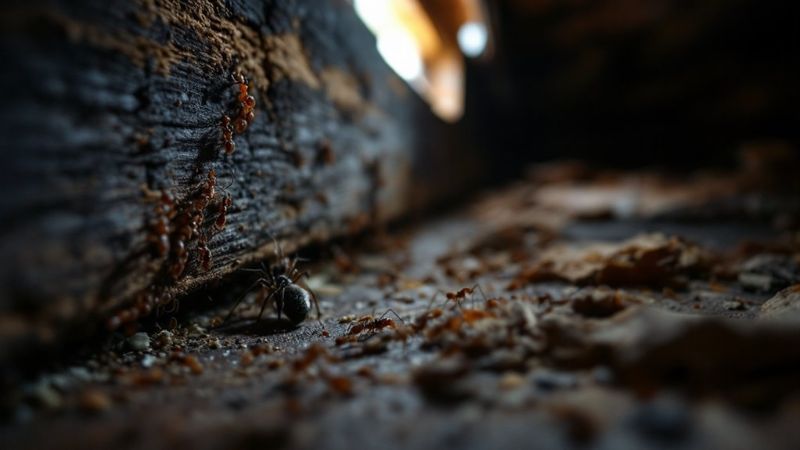
Gresham’s damp, Pacific Northwest climate and dense tree canopy make it a prime habitat for a handful of persistent pests.
You’ll commonly encounter odorous house ants, pavement ants, and carpenter ants — ant species that exploit moisture-damaged wood and food sources inside your home.
Rodent habits like wall-running and gnawing leave clear evidence of Norway rats and house mice, especially during fall and winter.
Spider types such as house spiders and cellar spiders thrive in Gresham’s humid basements and crawl spaces, while hobo spiders occasionally appear in ground-level areas.
Wasps, yellow jackets, and slugs round out the typical pest profile.
Understanding which pests target your property is the first step in effective pest prevention before infestations escalate, and common household pests like these require tailored management strategies.
Why Gresham’s Climate Makes Pest Problems Worse
Nestled in the foothills of the Cascade Range, Gresham receives an average of 44 inches of rainfall annually, creating persistently high humidity levels that accelerate wood decay, promote mold growth, and attract moisture-dependent pests year-round.
Carpenter ants and subterranean termites exploit saturated soil and softened wood, while rodents seek dry shelter inside your walls and crawlspaces during heavy rain events.
Seasonal fluctuations compound the problem considerably. Warm, dry summers drive ants, yellow jackets, and spiders indoors searching for water, while mild, wet winters prevent the hard freezes that would otherwise reduce overwintering insect populations.
These overlapping pressure cycles mean you’re rarely dealing with a single pest season. Instead, Gresham’s climate creates continuous, shifting infestation risks that demand consistent monitoring and proactive prevention strategies throughout the entire year. Additionally, understanding pest life cycles is essential for implementing effective pest control measures tailored to these ongoing challenges.
Signs You Have a Pest Problem Before You See One
With pest pressure building year-round in Gresham, you’ll rarely get a dramatic, obvious infestation as your first warning.
Pest behavior is largely nocturnal and evasive, meaning warning signs appear long before you spot anything directly.
Watch for these early indicators:
-
Droppings along baseboards, inside cabinets, or near food storage
-
Gnaw marks on wood, wiring, or food packaging
-
Grease trails left by rodents repeatedly following the same paths
-
Shed skins or wings from insects like cockroaches or termites
-
Unusual odors, particularly musty or ammonia-like smells in enclosed spaces
-
Scratching or rustling sounds inside walls or ceilings at night
-
Tunneling or surface ridges in your yard indicating mole or gopher activity
Identifying these warning signs early gives you a significant advantage in controlling an infestation before it escalates. Engaging with commercial pest control at the first signs can help prevent more serious infestations.
DIY Fixes That Work (and Ones That Waste Your Time)
Once you spot the warning signs, it’s tempting to reach for whatever solution is closest—but not all DIY pest control methods deliver equal results.
Some home remedies genuinely help. Sealing entry points with caulk, fixing moisture leaks, and eliminating food sources directly disrupt pest habitation. Diatomaceous earth works against crawling insects when applied correctly in dry conditions.
Natural repellents, however, often fall short. Peppermint oil and vinegar sprays may deter occasional scouts but won’t eliminate an established colony or infestation. Ultrasonic devices lack credible evidence supporting their effectiveness. Additionally, pet food and bird seed can quickly attract rodents, making it crucial to manage these food sources effectively.
Where DIY consistently fails is depth—surface treatments don’t reach nests, egg clusters, or harborage zones.
If you’re dealing with recurring activity, structural entry points, or wildlife, professional intervention becomes the more cost-effective and reliable option.
When to Stop Guessing and Call a Pest Control Pro
If you’re repeatedly treating the same pest problem without lasting results, it’s time to stop guessing and call a professional. Signs like structural damage, large or multiple active colonies, wildlife intrusions, or bed bug activity signal infestations that DIY methods can’t reliably resolve. Waiting longer increases your risk of compounding property damage, health hazards, and treatment costs. Additionally, using natural deterrents can only help to a certain extent, making professional intervention essential for severe issues.
Signs Demand Professional Help
Some pest problems outgrow DIY solutions fast, and knowing when to call a professional can save you significant time, money, and structural damage.
Use this warning signs checklist and pest identification techniques to recognize when expert intervention is necessary:
-
Recurring infestations — You’ve treated the problem twice, and it’s returned within weeks.
-
Structural damage — You’re finding chewed wiring, gnawed wood framing, or compromised insulation.
-
Unidentified pest activity — Droppings, tracks, or damage appear, but the source remains unknown.
-
Multiple pest species — You’re dealing with overlapping infestations requiring coordinated treatment strategies.
If any of these conditions match what you’re seeing in your Gresham home, don’t delay.
A licensed technician can accurately assess the situation and implement targeted solutions immediately.
Risks of Waiting Longer
Recognizing the warning signs is only half the battle—acting on them quickly is what protects your home and wallet.
Delaying pest control escalates both health implications and financial costs dramatically. Rodents contaminate food surfaces and spread pathogens like hantavirus and salmonella. Cockroaches trigger asthma and allergic reactions, particularly in children.
Carpenter ants and moisture-loving pests silently compromise structural wood, turning a manageable treatment into a costly renovation.
Every week you wait, colonies grow, damage spreads, and treatment complexity increases. What costs a few hundred dollars today could require thousands in structural repairs or medical expenses tomorrow.
Don’t let a treatable infestation become a serious liability. If you’ve spotted the warning signs, contacting a licensed pest control professional immediately is your smartest, most cost-effective move.
What to Expect From Professional Pest Control in Gresham
When you hire a professional pest control company in Gresham, the process typically starts with a thorough inspection of your home’s interior and exterior to identify pest species, entry points, and conditions driving the infestation. From there, your technician will recommend and apply targeted treatments suited to the specific pest and severity of the problem. Most reputable companies also schedule follow-up visits to monitor results, address any remaining activity, and apply additional treatments if necessary. Additionally, understanding Integrated Pest Management (IPM) can enhance the effectiveness of the chosen treatments and ensure long-term pest prevention.
Initial Inspection Process
Every professional pest control visit in Gresham starts with a thorough inspection before any treatment begins.
During the initial assessment, a technician systematically evaluates your property for signs of infestation and pest identification.
Expect the inspector to examine:
-
Entry points — gaps around pipes, doors, windows, and foundation cracks where pests enter
-
Interior hot spots — kitchens, basements, attics, and crawl spaces for droppings, nesting, or damage
-
Exterior conditions — wood piles, overgrown vegetation, standing water, and structural vulnerabilities
-
Activity evidence — gnaw marks, burrow holes, shed skins, or grease trails indicating active pest movement
Once the inspection concludes, the technician explains their findings and recommends a targeted treatment plan specific to your home’s pest pressures.
Treatment and Follow-Up
Once the inspection wraps up and the technician outlines their findings, treatment begins based on what’s actually driving the infestation—not a one-size-fits-all application.
Treatment options vary by pest type and severity. Ant colonies may require bait gel and perimeter spray, while rodent infestations typically involve tamper-resistant bait stations and exclusion work. Bed bugs often demand heat treatment or targeted chemical application across multiple visits.
Follow-up frequency depends on the pest and treatment method used. Some infestations require a return visit within 7–14 days to assess effectiveness; others need monthly monitoring for several months.
You’ll receive a clear schedule upfront. If activity persists between visits, you can contact the technician directly—consistent follow-through is central to achieving full control.
Frequently Asked Questions
How Much Does Professional Pest Control Typically Cost in Gresham?
Costs vary based on cost factors like pest type and infestation size. You’ll find treatment options ranging from $100–$300 for basic services. Contact Pest Patrol for transparent, precise pricing tailored to your Gresham home’s needs.
Are Pest Control Treatments Safe for My Children and Pets?
Yes, modern pest control safety standards guarantee treatments protect your family. Pest Patrol uses EPA-approved products prioritizing child protection and pet safety, and they’ll advise you on temporary precautions during and after each treatment application.
How Do I Prepare My Home Before a Pest Control Visit?
Before your visit, follow a pre-treatment checklist: clear clutter, store food in sealed containers, and guarantee home accessibility by moving furniture away from walls. You’ll also want to secure pets and remove items from under sinks.
Will Homeowners Insurance Cover Pest Damage Repairs in Oregon?
Most homeowners insurance won’t cover pest damage repairs in Oregon due to pest exclusions in standard policies. Insurance coverage typically applies to sudden events, not infestations, so you’ll need to address prevention proactively.
How Often Should Gresham Homeowners Schedule Routine Pest Inspections?
You should schedule pest inspections twice yearly to align with seasonal pest trends—once in early spring and once in fall. This inspection frequency helps you catch infestations early before Gresham’s wet climate accelerates pest activity indoors.
Conclusion
Protecting your Gresham home from pests isn’t a one-time fix—it’s an ongoing process that demands attention through every season. You’ve now got a clear picture of which pests to watch for, what early warning signs look like, and exactly when DIY methods won’t cut it. Don’t wait until an infestation has already caused structural damage or health risks. If you’re seeing persistent signs of pest activity, contact a licensed Gresham pest control professional immediately.