
Key Takeaways
- Each pest species has a unique life cycle that impacts when and how infestations occur.
- Identifying the life stage of a pest can help determine the most effective control strategy.
- Seasonal changes play a major role in pest activity and reproduction patterns.
- Prevention efforts timed to life cycles can significantly reduce infestation risks.
- Hiring professional pest control offers a more targeted and long-term solution.
Pest problems in Oregon homes aren’t random—they’re part of a predictable cycle. Whether it’s ants trailing across the kitchen floor or rodents nesting in your attic, many infestations follow a biological rhythm influenced by temperature, moisture, and seasonal availability of shelter.
This article dives deep into the life cycles of common household pests found throughout Oregon. With this knowledge, homeowners can better understand the why behind recurring infestations—and more importantly, how to address them effectively.
The Importance of Understanding Pest Life Cycles
Pest control is not just about removing visible bugs—it’s about breaking the cycle that allows them to reproduce and come back. By learning how pests grow, develop, and behave throughout the year, homeowners can time their efforts for maximum impact.
For example, treating pests during their egg or larval stages can reduce the chance of a full-blown infestation later. Similarly, knowing when a pest is most active helps target areas before damage is done.
Understanding life cycles allows for:
- Better timing of preventive measures
- Early intervention before pests multiply
- Selection of the right treatments at the right stage
- Reduced reliance on reactive solutions
Let’s break down the life stages of the most common pests in Oregon homes.
Common Oregon Pests and Their Life Cycles
Ants
Ants are among the most common pests in Oregon homes. Their life cycle consists of four stages: egg, larva, pupa, and adult. Colonies often grow rapidly during the spring and summer, with winged reproductive ants (called swarmers) emerging to start new colonies.
- Spring/Summer: Active foraging and colony expansion
- Fall/Winter: Retreat to nesting sites, reduced activity indoors
Ant infestations usually spike in warmer months, which is the ideal time to seal entry points and monitor kitchen areas where food is stored.

Rodents (Mice and Rats)
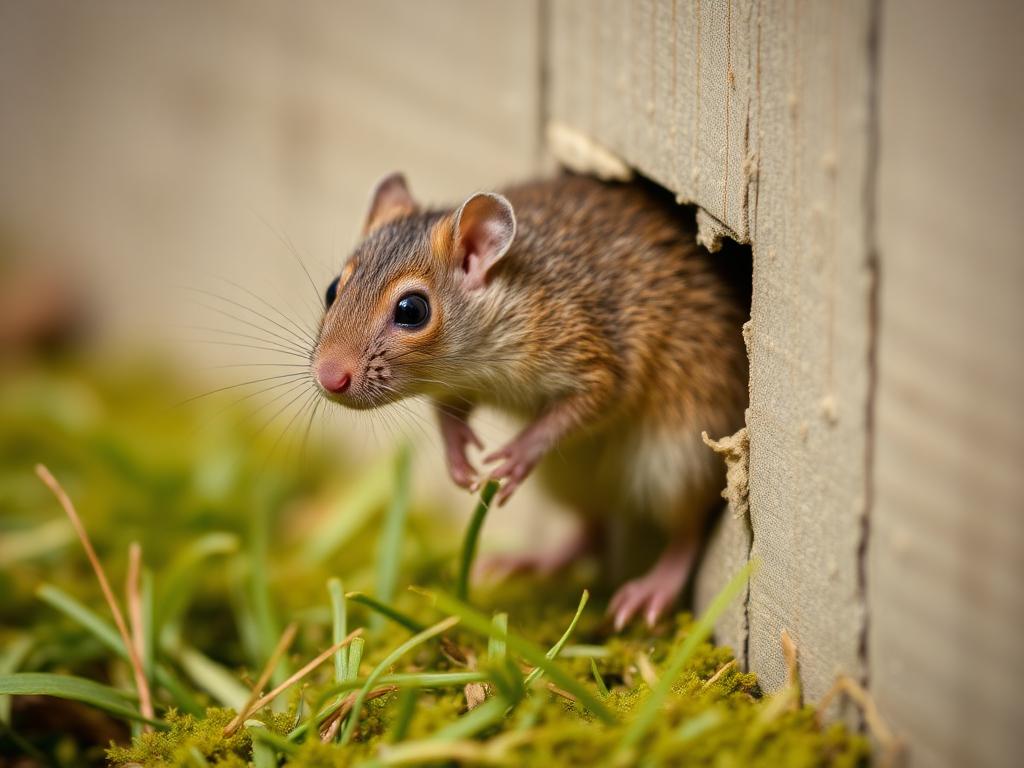
Rodents can reproduce year-round, but their activity increases in the fall as they seek warmth indoors. A single pair of mice can produce dozens of offspring within weeks, making their life cycle alarmingly fast.
- Gestation period: 19–21 days
- Litter size: 5–12 pups
- Breeding frequency: Every 3–4 weeks
Understanding this rapid cycle is crucial. One or two sightings could signal a much larger problem brewing behind the walls.
Cockroaches
Cockroaches are especially difficult to eliminate because of their resilience and stealth. Their life cycle includes egg (in a protective casing), nymph, and adult stages.
- Egg to adult: 100–200 days, depending on species and temperature
- Reproductive rate: One female can produce hundreds of offspring
They prefer warm, humid areas—like kitchens, bathrooms, and basements. Their lifecycle means infestations often grow unnoticed until they’re well established.
Spiders
While most Oregon spiders are harmless, their presence can indicate other pest problems, since they feed on insects. Their life cycle includes egg sacs, spiderlings, and adults.
- Egg hatching: Spring
- Peak activity: Late summer and fall
A sudden increase in spiders may suggest a hidden insect infestation drawing them in.
Fleas
Fleas are a year-round issue for pet owners. Their life cycle includes egg, larva, pupa, and adult stages. They can survive in carpet fibers, pet bedding, and cracks in the floor.
- Total lifecycle: As short as two weeks
- Dormancy: Pupae can remain inactive for months until conditions are right
This explains why flea problems often seem to “come out of nowhere.”
Silverfish
Silverfish thrive in moist, dark environments like bathrooms, attics, and basements. Their life cycle from egg to adult takes about 3–4 months but can stretch longer in cooler conditions.
- Activity: Year-round
- Preferred environment: High humidity and darkness
They are often drawn to old books, wallpaper glue, and stored paper—making them a threat to both cleanliness and belongings.
Timing Your Pest Control Efforts
Armed with knowledge of pest life cycles, homeowners can plan seasonal maintenance and treatments more effectively:
- Spring: Start monitoring for ants, spiders, and cockroaches. Seal cracks and clean out basements and garages.
- Summer: Install screens, address yard debris, and monitor for flea and tick activity.
- Fall: Rodent-proof your home, check attic insulation, and inspect food storage.
- Winter: Conduct routine indoor inspections and monitor less-active areas like crawl spaces.
Being proactive during the early stages of pest life cycles helps prevent major infestations and costly repairs.
Why Hiring Professionals Is Better Than DIY
While some Oregon homeowners attempt to manage pests on their own, over-the-counter sprays and traps rarely address the root of the problem. Professional pest control services bring a level of precision and consistency that DIY methods simply can’t match.
Key Benefits of Hiring a Professional:
- Accurate Identification: Pros understand the life stages of each pest and know when and where to target them.
- Customized Plans: Treatments are tailored to your home’s structure, pest species, and seasonal conditions.
- Long-Term Prevention: Professionals don’t just remove pests—they help prevent future invasions.
- Proper Tools and Products: Access to high-grade equipment and safe, effective treatments.
- Regulatory Knowledge: Compliant with Oregon’s environmental and health standards.
For example, Pest Patrol offers discreet, highly tailored residential services throughout the Portland area—equipping homeowners with both immediate relief and ongoing protection.
Attempting to handle an infestation without understanding pest biology often leads to wasted time, recurring problems, and greater expense down the road. With expert intervention, you get efficient, thorough, and lasting results.

Subtle But Effective Prevention Tips
Along with professional support, small habits can go a long way in disrupting pest life cycles:
- Store food in sealed containers
- Clean crumbs and spills immediately
- Repair leaks and reduce humidity
- Install door sweeps and screen vents
- Regularly check for droppings, gnaw marks, or egg casings
Seasonal reminders or calendar alerts can also help you keep track of when to ramp up certain inspections or treatments.
When in doubt, consult a licensed pest control provider. Pest Patrol offers science-backed solutions that align with Oregon’s eco-conscious values and your home’s specific vulnerabilities.
Frequently Asked Questions
How do I know which stage of a pest’s life cycle I’m dealing with?
Most professionals can identify the life stage based on signs like droppings, eggs, shed skins, or activity timing.
Do all pests have the same lifecycle length?
No. Each species has its own development speed, reproductive rate, and environmental triggers.
Why are pests worse in certain seasons?
Warmer months typically accelerate reproduction and increase food availability, making spring and summer peak activity times for most pests.
What if I only see a few pests—is that a big deal?
Yes. Even a single sighting can indicate a larger hidden problem, especially for fast-reproducing pests like cockroaches or mice.
Can I handle pest control with store-bought sprays?
These may offer temporary relief, but they often fail to eliminate the source. Misuse can also lead to resistance and potential health risks.
How do I choose the right pest control company?
Look for licensed providers with experience in Oregon homes, good reviews, and clear treatment plans. Prioritize those who offer follow-ups and preventive guidance.