
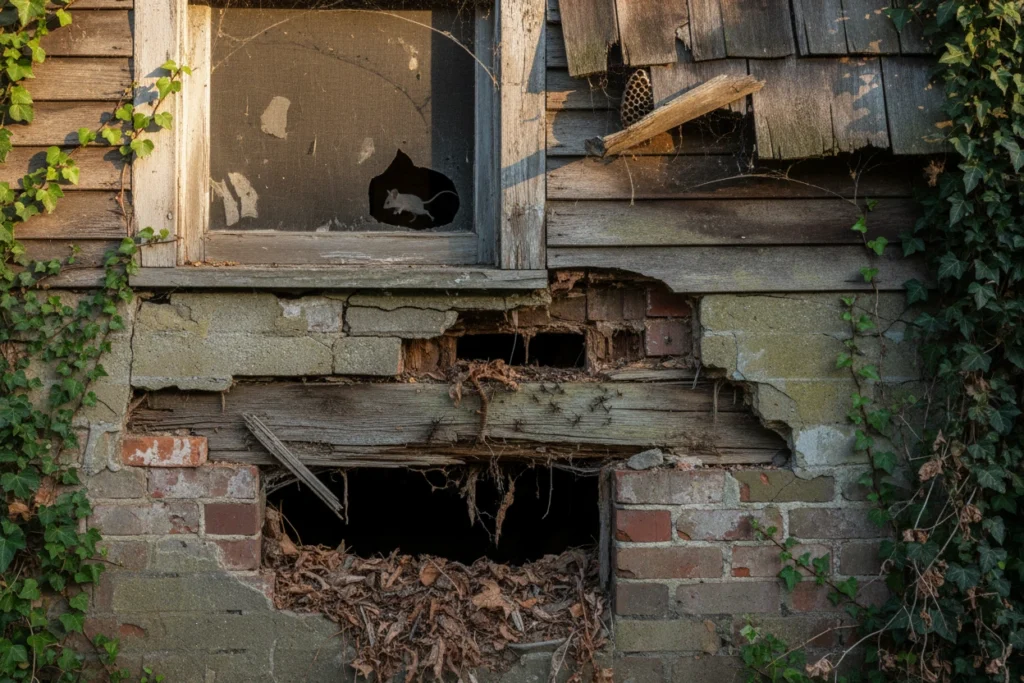
If you own an older home in St. Johns, your house’s aging structure is actively working against you. Homes built between the 1910s and 1950s develop foundation cracks, deteriorating rooflines, and gap-riddled sill plates — all exceeding the quarter-inch threshold rodents need to enter. Moisture-damaged wood draws carpenter ants, while old plaster cavities harbor cockroaches and silverfish. Recognizing what’s making your home vulnerable is the first step toward stopping an infestation before it takes hold.
Key Takeaways
-
St. Johns homes built between the 1910s–1950s have foundation cracks, wall gaps, and deteriorated seals that allow rodents and insects easy entry.
-
Rodents need only a quarter-inch opening to enter, making aging St. Johns homes with structural wear highly vulnerable to infestations.
-
Moisture-damaged wood from older balloon-frame construction attracts carpenter ants, termites, and other wood-destroying insects common in North Portland homes.
-
Deteriorating rooflines, fascia boards, and soffit panels create accessible entry points for pests nesting in insulation and wall cavities.
-
Professional pest control targets harborage zones in older homes, while DIY solutions only address surface symptoms without eliminating root causes.
Why St. Johns Homes Are a Magnet for Pests
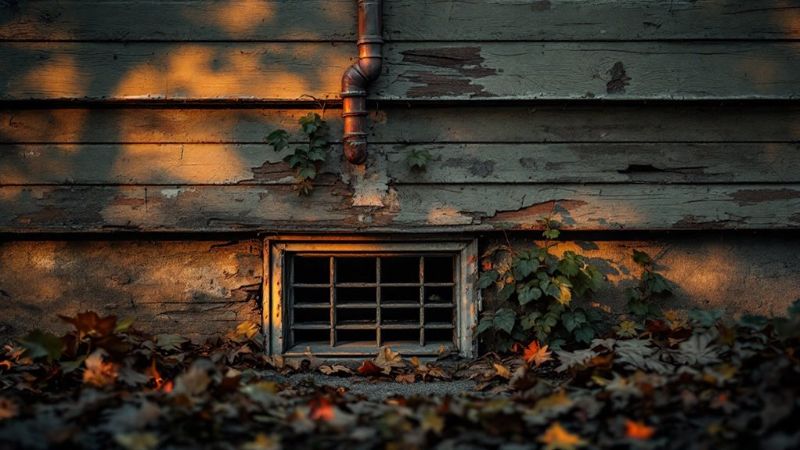
St. Johns’ housing stock presents specific structural vulnerabilities that make pest prevention tips essential knowledge for any homeowner in the area. Most homes here were built between the 1910s and 1950s, meaning your foundation, wall cavities, and roofline have had decades to develop gaps, cracks, and deteriorated seals. Rodents need only a quarter-inch opening to enter, and insects require even less.
Routine home maintenance directly determines your pest pressure. Aging wood siding absorbs moisture, attracting carpenter ants and termites.
Older crawl spaces often lack adequate vapor barriers, creating humid conditions that rodents and insects favor. Deteriorated weatherstripping, failing pipe penetrations, and cracked masonry give pests direct interior access.
Your home’s age isn’t the problem—neglected structural upkeep is. Identifying those entry points is where effective pest control begins. Implementing natural deterrents can further enhance your efforts to keep pests at bay.
The Structural Weak Points Rodents Exploit First
Rodents don’t enter your home randomly — they follow structural vulnerabilities with predictable precision.
In older North Portland homes, foundation cracks and deteriorating rooflines are the two entry points they exploit most aggressively. Understanding where these weak points exist gives you a clear starting point for shutting them down. Additionally, blocking entry points can significantly reduce the likelihood of infestations by preventing mice from accessing your home.
Foundation Gaps and Cracks
Foundation gaps and cracks are the primary entry points rodents exploit in older North Portland homes. Homes built before 1960 frequently have poured concrete or brick foundations that have shifted, settled, or deteriorated over decades.
Rodents need only a gap of 1/4 inch to gain entry, making even minor cracking a serious vulnerability.
Your foundation maintenance tips should include inspecting the perimeter twice yearly, particularly after winter freeze-thaw cycles that expand existing cracks.
Look for gaps where utility lines penetrate the foundation, where the sill plate meets the foundation wall, and at basement window frames.
Effective pest proofing strategies require sealing identified gaps with hydraulic cement or steel wool backed by caulk.
Don’t use foam alone—rodents chew through it readily.
Deteriorating Roof Entry Points
While foundation gaps demand attention at ground level, your roof presents an equally serious—and often overlooked—vulnerability. Aging shingles, rotted fascia boards, deteriorating soffit panels, and compromised flashing create direct access points for rats, mice, and squirrels. These pests exploit gaps as small as a quarter inch.
Effective pest exclusion methods target these specific failure points: seal flashing gaps with weather-resistant caulk, replace damaged soffit panels, and install galvanized wire mesh over open vents.
Roof maintenance tips that double as pest prevention include inspecting gutters annually for wood rot and trimming overhanging branches that provide aerial access.
In older North Portland homes, these vulnerabilities compound quickly. Addressing roof entry points systematically eliminates pathways before infestations establish inside wall cavities and attic spaces.
Common Insects Thriving in North Portland’s Older Walls
Older homes in North Portland’s historic neighborhoods—many built before 1950—create ideal conditions for insect infestations due to aging wood, deteriorating insulation, and gaps in aging structural materials.
The specific insect types colonizing your walls depend heavily on wall materials. Balloon-frame construction with original fir or cedar lumber attracts carpenter ants, which excavate galleries through moisture-damaged wood.
Plaster-and-lath walls harbor silverfish within their paper-backed cavities, feeding on organic adhesives.
Fiberglass batt insulation retrofitted into older cavities provides nesting substrate for yellowjackets and paper wasps.
Cockroaches exploit gaps between original plaster and added drywall layers.
Each insect type exploits distinct structural vulnerabilities, meaning accurate identification of both the pest and the wall material composition is essential before implementing any targeted treatment protocol. Understanding ant species behaviors can also aid in effective pest management strategies.
Signs You Already Have a Rodent or Insect Problem
Detecting a pest infestation early in an older North Portland home requires knowing exactly what physical evidence to look for and where.
Rodent behavior leaves measurable indicators: dark grease marks along baseboards, gnaw marks on wood or wiring, and droppings concentrated near food sources or entry points. You’ll often find nesting material—shredded insulation, paper, or fabric—tucked inside wall voids or cabinet interiors.
For insect attraction, inspect moisture-prone zones first. Termite activity produces hollow-sounding wood and frass near structural members. Carpenter ants leave clean, sawdust-like debris. Cockroach infestations generate a distinct musty odor alongside shed exoskeletons.
Check crawl spaces, utility penetrations, and subfloor framing regularly. Catching these signs early greatly reduces structural damage and treatment complexity. Additionally, understanding rodent behavior can significantly enhance your ability to identify potential entry points and signs of infestation.
DIY Fixes vs. What Actually Stops an Infestation
Many North Portland homeowners reach for hardware store solutions first—foam sealant, snap traps, boric acid—and these fixes address surface symptoms without eliminating the conditions driving infestation.
DIY solutions fail because older homes present compounding vulnerabilities: deteriorated framing, unsealed utility penetrations, and moisture-compromised wood that creates continuous entry and harborage opportunities. Killing visible pests doesn’t disrupt active colonies or nesting sites embedded within wall cavities.
Effective treatments require systematic inspection, accurate species identification, and targeted application methods that address root causes. A professional technician traces entry vectors, applies appropriately dosed treatments to harborage zones, and implements exclusion protocols matched to your home’s specific structural deficiencies.
Without this methodology, reinfestation follows predictably. You’re not solving the problem—you’re managing symptoms while the underlying conditions remain fully intact. Additionally, understanding rodent behavior is crucial for developing effective prevention strategies.
When to Call a St. Johns Pest Control Professional
When does a pest problem cross the line from manageable nuisance to structural threat? Call a St. Johns pest control professional when you observe:
-
Active rodent runways inside wall cavities or subfloor systems
-
Recurring infestations despite applying pest prevention tips consistently
-
Structural wood showing tunneling, frass, or moisture damage from insect activity
-
Wildlife entry points requiring remediation under local pest regulations
Pest Patrol’s technicians conduct systematic inspections, identify harborage zones, and apply targeted treatments calibrated to your home’s construction type.
Older North Portland homes demand precise intervention—not broad-spectrum sprays. Delaying professional assessment allows colonies and rodent populations to expand exponentially. If you’re seeing evidence beyond isolated activity, the infestation has likely progressed further than surface signs indicate, especially since multiple sightings and droppings can indicate an established infestation.
Frequently Asked Questions
Does St. Johns Pest Activity Increase During Portland’s Rainy Winter Months?
Yes, you’ll see increased pest activity during winter. Rising winter moisture drives rodent behavior indoors as they seek warmth and shelter. St. Johns’ older homes offer easy entry points, making seasonal pest pressure particularly higher.
Can Pest Infestations Affect My Older Home’s Resale Value in North Portland?
Yes, pest infestations can greatly damage your home’s resale value. Buyers’ agents routinely require pest inspections, and discovered infestations trigger price reductions, disclosure obligations, or deal cancellations—particularly in North Portland’s older housing stock with documented structural vulnerabilities.
Are Pest Control Treatments Safe for Households With Young Children and Pets?
Yes, Pest Patrol’s treatments are safe for your household. They utilize natural pest control methods prioritizing child safety, applying targeted, low-toxicity solutions that minimize exposure risks for your young children and pets during and after treatment.
How Much Does Professional Pest Control Typically Cost in the St. Johns Area?
Pest control pricing varies based on local pest trends and infestation severity. You’ll typically pay $150–$400 for initial treatments in St. Johns. Contact Pest Patrol for a transparent, precise quote tailored to your specific situation.
Will My Homeowner’s Insurance Cover Damage Caused by Rodent Infestations?
Most homeowner’s insurance policies don’t cover rodent damage, as insurers typically classify it as a preventable maintenance issue. You’ll want to review your specific policy’s exclusions and contact your provider to confirm your coverage details.
Conclusion
Your older St. Johns home’s structural vulnerabilities won’t resolve themselves. Gaps in aging foundations, deteriorating wood framing, and compromised plumbing entry points create direct pest access routes that worsen over time. You’ll need to systematically seal penetrations, eliminate moisture sources, and schedule regular professional inspections to maintain effective exclusion. Delaying intervention allows infestations to expand beyond cost-effective treatment thresholds. Contact a licensed North Portland pest control professional to assess your property’s specific risk factors and implement a targeted control protocol.