
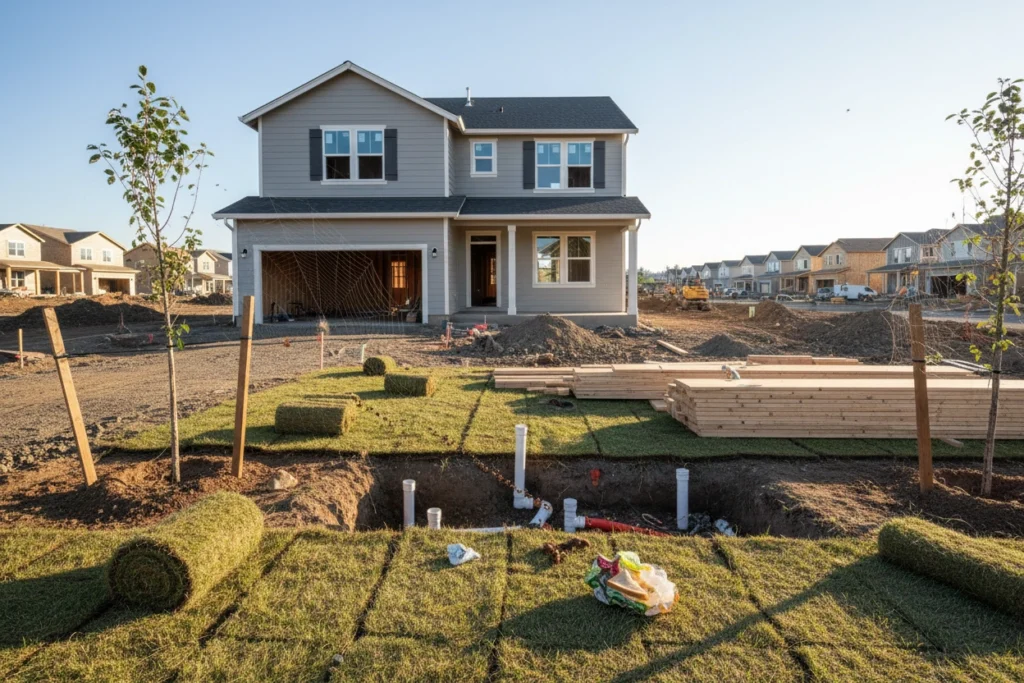
When you build on previously undeveloped land in Hillsboro, you’re displacing established ecosystems that have to go somewhere. Land clearing drives rodents, ants, and insects out of their natural habitats and directly toward your new home. Construction materials, unsealed gaps, and disturbed soil create conditions pests actively seek out. Even brand-new framing and foundation work contain entry points that go unnoticed until an infestation takes hold. Keep going to understand exactly what’s happening beneath the surface.
Key Takeaways
-
Land clearing and grading displace rodents, ants, and wildlife, pushing them toward newly built homes as stable alternatives.
-
Unsealed gaps, utility penetrations, and hollow wall voids created during construction give pests direct entry points into new homes.
-
Disturbed soil and absent mature landscaping leave foundations exposed, making new homes especially vulnerable to ant and rodent activity.
-
Stored construction materials and debris create ideal nesting conditions for wasps, rodents, and insects before homeowners even move in.
-
Moisture accumulation from improper grading attracts insects, while wood framing and foam insulation offer no resistance to determined pests.
Why New Construction Disturbs and Attracts Local Pests
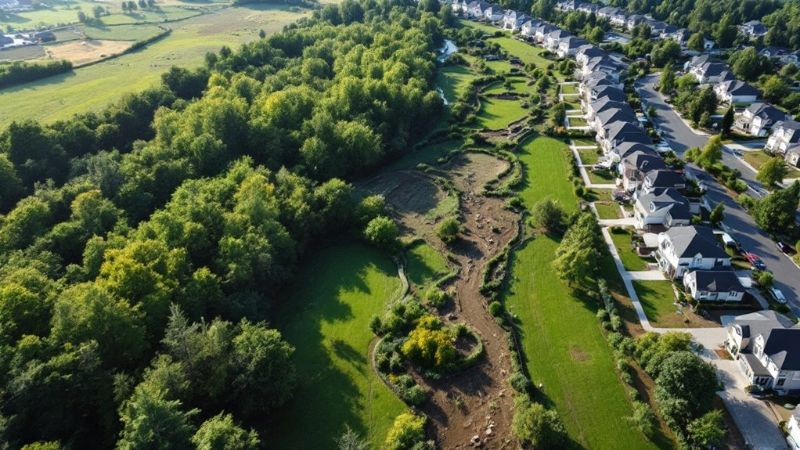
New construction in Hillsboro’s expanding subdivisions doesn’t just build neighborhoods—it displaces the ecosystems that existed before.
When developers clear land, grade soil, and lay foundations, they trigger significant environmental changes that directly alter pest behavior. Rodents, ants, and other wildlife lose established harborage sites and food sources, forcing them to migrate toward adjacent structures—including your newly built home.
Grading disrupts underground ant and rodent colonies. Removed vegetation eliminates natural predator habitats, reducing biological pest pressure. Stored construction materials like lumber and insulation create ideal nesting conditions.
Freshly disturbed soil attracts moisture-seeking insects.
You’re not inheriting a pest-free property simply because it’s new. You’re moving into a space where displaced pest populations are actively searching for new shelter, warmth, and resources. Moreover, the diverse climate in Oregon can contribute to ongoing termite activity that may affect your new home.
What Gets Displaced When Hillsboro Land Gets Cleared
When land gets cleared for a Hillsboro subdivision, the displacement isn’t abstract—it’s a measurable ecological disruption that sends specific species moving in predictable directions.
Land clearing removes the structural cover, food sources, and moisture retention that sustain established wildlife populations. Rodents abandon subsurface burrow networks. Ground-nesting wasps relocate. Raccoons lose denning sites. Moles follow disrupted soil corridors toward adjacent lots.
Habitat disruption doesn’t eliminate these animals—it redirects them. They move toward the nearest stable environment, which is often the completed homes surrounding the cleared site. This redirection can also increase the likelihood of encountering pests that are attracted to calorie-dense and protein-rich food sources, such as pet food and bird seed.
Your new construction sits at the edge of that disruption zone, making it a primary destination rather than a coincidental one. Understanding which species get displaced during grading and excavation tells you exactly which pests you’ll likely encounter first.
How New Homes Create Ideal Conditions for Infestation
Fresh construction introduces a specific set of structural and environmental conditions that wildlife and insects exploit almost immediately. Disturbed soil, exposed lumber, unsealed gaps, and incomplete drainage systems all drive pest behavior toward your newly built home.
Construction impact on surrounding ecosystems forces displaced populations to seek alternative harborage, and your structure becomes the most viable option.
New builds typically lack mature landscaping barriers, leaving foundations directly accessible. Hollow wall voids, unsettled ground, and residual construction debris provide nesting opportunities for rodents, spiders, and colonial insects.
Moisture accumulates in improperly graded areas, attracting cockroaches and ants. HVAC penetrations, utility conduits, and subfloor gaps remain unsealed during phased construction timelines, creating direct entry points.
You’re not moving into a pest-free environment—you’re moving into one that pests identified before your closing date. Regular inspections are essential to mitigate these risks and maintain a pest-free home.
The Building Materials and Gaps Pests Move Through First
Building materials themselves determine which pests enter first and where they establish. Wood framing creates direct pest pathways for carpenter ants and moisture-seeking beetles, particularly where green lumber retains high moisture content.
Concrete block foundations develop hairline cracks that rodents and cockroaches exploit within weeks of settling. Foam board insulation offers no barrier to mice, who tunnel through it efficiently.
Your home’s OSB sheathing gaps at corners and roof junctions give wasps and stink bugs immediate entry points. Utility penetrations — where electrical conduit, plumbing, and HVAC lines pass through framing — rarely receive complete sealing during construction.
Each unsealed gap, no matter how small, becomes an established pest pathway before your first year ends. Identifying these specific building materials vulnerabilities early determines how effectively you can prevent infestation. Additionally, implementing regular inspections can help identify these issues before they escalate.
Which Pests Show Up Most in Hillsboro New Subdivisions
Hillsboro’s new subdivisions consistently attract the same pest species in predictable sequence, driven by construction disturbance, exposed materials, and surrounding agricultural land.
Understanding ant behavior helps explain why odorous house ants and pavement ants colonize new builds first—they exploit fresh soil displacement and exposed food sources during active construction.
The most frequently encountered pests include:
-
Ants — drawn by disturbed soil and unsealed foundation gaps
-
Rodents — entering through framing voids before drywall installation completes
-
Spiders — following insect populations that establish during the building phase
Effective pest prevention starts by recognizing this sequence early.
You’re not dealing with random infestations—you’re seeing a structured ecological response to habitat disruption. Recognizing the common pest problems in new constructions can help in implementing strategies for effective management.
Identifying which species arrives first determines your most effective intervention point.
How to Protect a New Hillsboro Home Before Pests Settle In
Knowing which pests arrive first gives you a clear action window—and that window opens before you move in. Schedule early inspections while walls are still accessible and grading is fresh.
Inspectors can identify soil-to-wood contact, unsealed penetrations, and drainage issues before landscaping conceals them. Follow up with preventative measures that address each vulnerability directly: install door sweeps, seal utility entry points with wire mesh and caulk, and confirm crawlspace vents have intact screens.
Request a builder walk-through focused specifically on exclusion gaps. In Hillsboro’s active construction zones, disturbed soil pushes rodents, ants, and spiders toward any available shelter.
Acting before you unpack means you’re not reacting to an infestation—you’re preventing one from establishing in the first place.
Frequently Asked Questions
Does New Home Warranty Coverage Include Pest Control Treatments or Damage?
Most new home warranties don’t cover pest control options or related damage. You’ll typically face warranty limitations that exclude infestations, so you’re responsible for securing independent pest management treatments to protect your investment.
How Soon After Move-In Should I Schedule a Professional Pest Inspection?
Schedule your inspection within 30 days of move-in. You’ll address new home vulnerabilities before infestations establish. Early professional assessment delivers targeted pest prevention tips, identifies construction gaps, and creates a precise, methodical defense plan for your Hillsboro property.
Can My Neighbors’ Pest Problems Spread Directly Into My New Home?
Yes, your neighbors’ pest problems can directly trigger pest migration into your home. Shared walls, utility lines, and landscaping create direct pathways. Maintaining neighbor awareness and scheduling routine inspections helps you intercept infestations before they’re fully established.
Are Hillsboro New Subdivision Pests Different From Older Neighborhood Pests?
You’ll encounter similar pest species, but construction materials impact their entry points differently. New builds present unique gaps and vulnerabilities requiring distinct pest prevention strategies compared to older homes where settled structures create different, more predictable infestation patterns.
Does Landscaping Timing After Construction Affect How Quickly Pests Arrive?
Yes, landscaping timing directly affects pest arrival speed. When you delay installing landscaping materials, you’re leaving disturbed soil exposed longer, which accelerates pest migration. Early, strategic landscaping acts as your first line of pest prevention.
Conclusion
Your new Hillsboro home won’t stay pest-free by default — you’ve got to take deliberate steps before infestations establish themselves. Seal foundation gaps, eliminate moisture points, and schedule a pre-treatment inspection immediately after move-in. Don’t wait for visible evidence; by the time you’re spotting activity, pests have already exploited your structure’s vulnerabilities. New construction creates specific, predictable entry conditions, and addressing them systematically from day one is your most effective line of defense.