
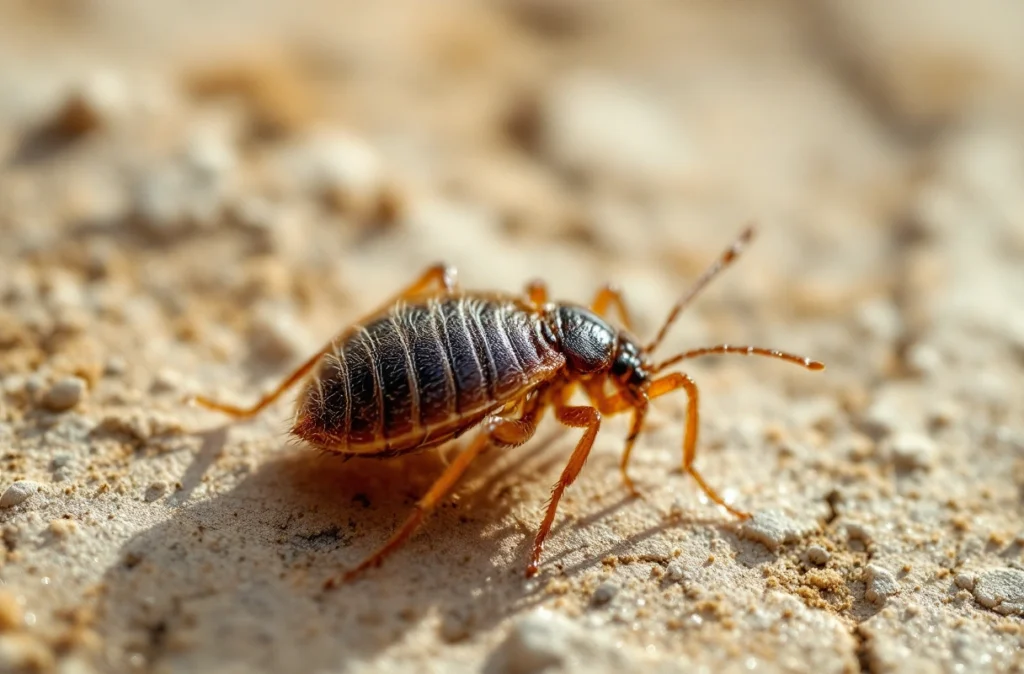
Bed bugs are notorious for their ability to invade homes, but how do they manage to spread in places that rarely see travel? Many people associate bed bugs with hotels or motels, believing that only travelers can bring these pests into their homes. However, the truth is that bed bugs can infiltrate your living space in a multitude of ways, even if you haven’t traveled recently. This article explores the unexpected ways bed bugs can infiltrate your home and offers practical prevention strategies to keep your living environment safe.
Unseen Pathways: How Bed Bugs Enter Your Home

Bed bugs are highly adaptable creatures that can hitch a ride on various items brought into the home. They are not just limited to luggage; these pests can be found in many everyday items that you may not suspect. For instance, second-hand furniture and clothing can be prime targets for bed bug infestations. When you purchase used items, you may inadvertently bring these pests into your home. Even something as simple as a box borrowed from a friend can harbor bed bugs.
Common places and items that can introduce bed bugs include:
-
Public transportation: Bed bugs can easily latch onto bags or clothing of individuals who have been in infested areas.
-
Shared laundry facilities: If you use a communal laundromat, bed bugs can cling to clothing or laundry baskets.
-
Visitors: Friends or family who have bed bugs in their homes may unknowingly bring them along during a visit.
By understanding how bed bugs get into homes that travel rarely, you can take proactive measures to minimize the risk of an infestation.
Signs of Bed Bug Infestations: What to Look for
Identifying typical signs of bed bugs in your home is crucial for early intervention. These pests are small and often hide during the day, making detection challenging. However, there are specific indicators that can alert you to their presence. Look for:
-
Bite marks: Bed bug bites usually appear as small, red welts on the skin and are often clustered together.
-
Fecal stains: Dark spots on bedding or furniture can indicate bed bug droppings.
-
Egg casings: These are tiny, white, and oval-shaped, often found in crevices where bed bugs like to hide.
The importance of early detection cannot be overstated. The sooner you identify the signs of bed bug infestations, the easier it will be to manage the problem before it escalates into a larger issue.
Effective Bed Bug Prevention Tips for Homeowners

Proactive measures are essential to keep your home bed bug-free. Implementing routine checks and preventive practices can significantly reduce the likelihood of an infestation. Here are some effective bed bug prevention tips for homeowners:
-
Regular inspections: Routinely check your bedding, furniture, and any second-hand items for signs of bed bugs.
-
Protective covers: Use mattress and box spring encasements designed to prevent bed bugs from entering or escaping.
-
Mind your visitors: Encourage guests to check their belongings for bed bugs before entering your home, especially if they have traveled recently.
By incorporating these strategies into your home pest management routine, you can create a protective barrier against potential infestations.
What to Do if You Discover Bed Bugs
Upon discovering an infestation, it is crucial to take immediate action to mitigate the problem. The initial steps involve isolating affected areas and preventing the spread of bed bugs to other parts of your home. Here are some recommended actions:
-
Contain the infestation: Remove bedding and clothing from affected areas and wash them in hot water to kill any bed bugs.
-
Vacuum thoroughly: Use a vacuum with a bag to clean the infested area, paying special attention to cracks and crevices.
-
Consult professionals: Understanding bed bug treatment options available is essential. Professional pest removal services can provide effective solutions tailored to your specific situation.
Taking these steps promptly can help control the infestation and prevent it from spreading further.
The Intersection of Understanding Bed Bug Infestations and Pest Management
Understanding how bed bugs get into homes that travel rarely is vital for effective pest management. With the insights gained from this article, you can better protect your home from these unwelcome guests. Bed bugs can enter through various unseen pathways, and knowing the signs of an infestation will empower you to act quickly. Implementing effective prevention strategies will also enhance your home’s defenses against future invasions.
Pest Patrol is committed to helping homeowners navigate the complexities of bed bug management. If you suspect an infestation or want to learn more about preventing bed bugs, contact Pest Patrol. Our team of experts is ready to assist you in safeguarding your home from these persistent pests.