
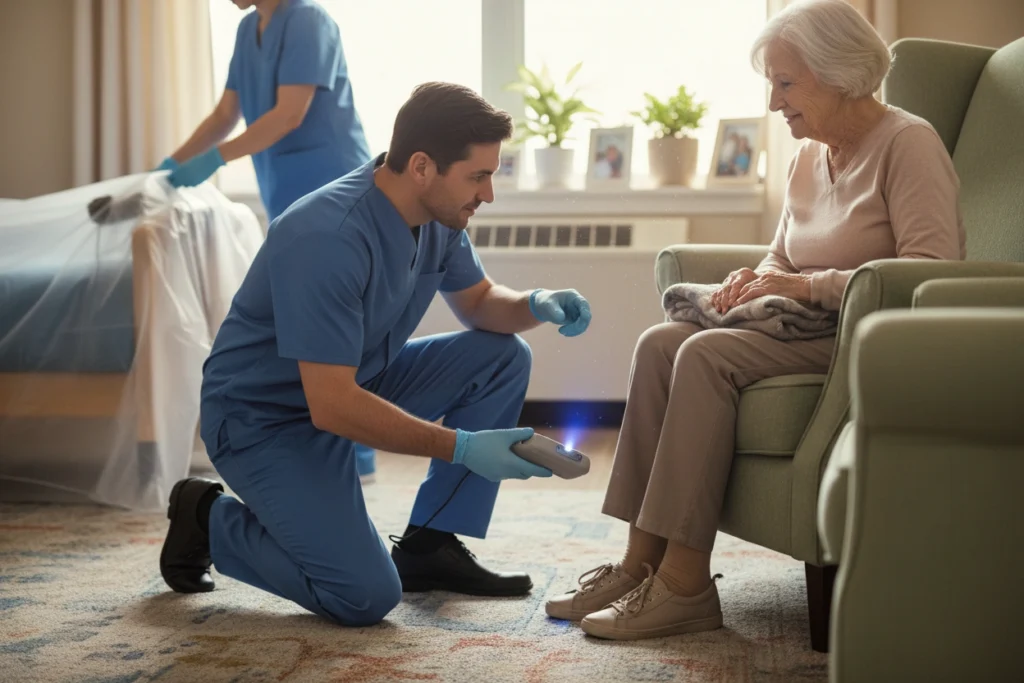
Pest control in senior living and assisted care facilities isn’t a standard service—it’s a regulated responsibility that directly impacts the health and safety of some of the most vulnerable people in your care. You’re managing chemical sensitivities, compromised immune systems, CMS compliance requirements, and infection control standards simultaneously. Treatment decisions must prioritize resident safety while eliminating active threats. Understanding the full scope of these unique considerations will help you build a more effective, compliant pest management program.
Key Takeaways
-
Vulnerable residents with compromised immune systems face heightened health risks from pest-borne pathogens, allergens, and contaminated surfaces.
-
Integrated Pest Management (IPM) minimizes chemical use, prioritizing eco-friendly and botanical-based treatments safe for sensitive residents.
-
Common pests like rodents, cockroaches, and bed bugs pose serious respiratory and infection risks in shared living spaces.
-
CMS compliance requires documented pest management protocols, inspection records, and written treatment plans from licensed providers.
-
Proactive prevention, including staff training and scheduled inspections, reduces infestation risks before they impact resident health.
Why Pest Control in Senior Care Facilities Is Different
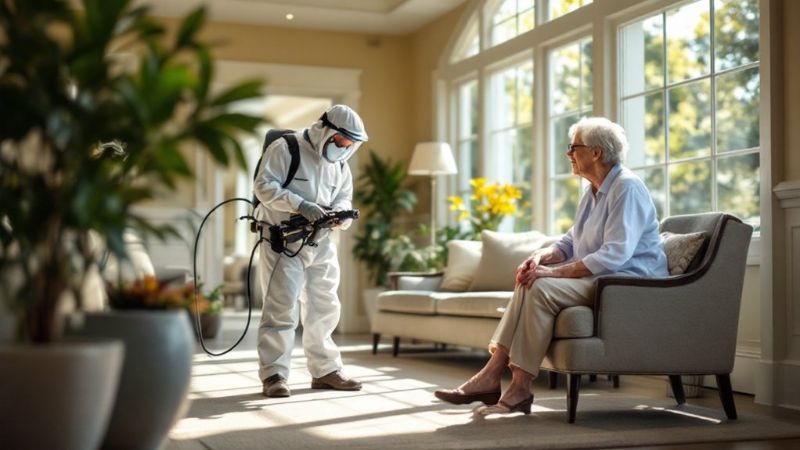
Pest control in senior living facilities operates under a different set of constraints than standard residential or commercial service. You’re managing pest risks within a regulated healthcare environment where resident health, medication interactions, and chemical sensitivities directly influence every treatment decision.
Licensing requirements, inspection schedules, and documentation standards add layers of compliance that typical service calls don’t require.
Residents may have compromised immune systems, respiratory conditions, or cognitive limitations that affect how they respond to both pests and treatments. That’s why pest awareness training for your staff isn’t optional — it’s essential for early detection and rapid response.
Equally important is resident communication, which must be clear, timely, and considerate of cognitive and sensory differences. These factors collectively shape a pest management approach that demands precision at every step. Additionally, implementing Integrated Pest Management (IPM) strategies can enhance safety while effectively controlling infestations.
The Pests Most Likely to Threaten Senior Living Facilities
When managing pest control in a senior living facility, you’re dealing with a specific set of invaders that thrive in high-traffic, food-rich, and climate-controlled environments.
Rodents, cockroaches, ants, bed bugs, and flies represent the most persistent threats, each exploiting the unique structural and operational characteristics of care facilities.
You’ll find that the constant movement of residents, staff, deliveries, and visitors creates continuous entry opportunities that demand a systematic, proactive approach to exclusion and monitoring. Regular monitoring and inspections serve as the first line of defense against these pests.
Common Facility Invaders
Senior living facilities face a distinct set of pest pressures driven by their physical layout, resident vulnerability, and regulatory oversight.
Bed bug outbreaks rank among the most operationally disruptive threats, spreading rapidly through shared linens, mobility equipment, and visiting personal belongings.
Rodent infestations compromise both structural integrity and food safety standards, triggering mandatory reporting in licensed care environments.
Cockroaches exploit kitchen and laundry infrastructure, contaminating surfaces and exacerbating respiratory conditions in immunocompromised residents.
Ants infiltrate dining and medication storage areas, while flies introduce pathogens into clinical and food service zones.
Each pest category carries distinct health, compliance, and reputational consequences.
You need a pest management strategy that accounts for all of them systematically and proactively.
Pest Entry Risk Factors
Four structural and operational characteristics make senior living facilities disproportionately vulnerable to pest entry: high foot traffic from residents, staff, and visitors; frequent delivery of food, medical supplies, and personal goods; aging building infrastructure with unsealed gaps and deteriorating weatherproofing; and shared living spaces that accelerate pest movement between units.
Environmental factors compound these vulnerabilities.
Prioritize inspections across three critical entry points:
-
Loading docks and delivery areas — cardboard boxes and food shipments introduce cockroaches and rodents directly into supply chains.
-
Utility penetrations — plumbing, electrical, and HVAC conduits create concealed corridors between units.
-
Resident belongings — furniture, luggage, and personal items transported from outside facilities frequently harbor bed bugs.
Addressing these factors systematically reduces infestation risk before pests establish themselves.
Health Risks Pests Pose to Elderly and Immunocompromised Residents
When pests infiltrate your senior living facility, they introduce health hazards that hit elderly and immunocompromised residents far harder than the general population.
Cockroach and rodent allergens trigger respiratory distress, worsening conditions like asthma and COPD in residents whose lungs are already compromised.
Beyond that, pathogens carried by rodents, cockroaches, and flies can cause severe infections in residents whose weakened immune systems can’t mount an effective defense. Additionally, pest droppings and shed skin can degrade indoor air quality, posing further health risks to these vulnerable individuals.
Respiratory Risks From Pests
Pests don’t just damage property—they actively compromise air quality and respiratory health, a particular concern in senior living environments.
Cockroach droppings, rodent dander, and dust mite waste introduce potent pest allergens into shared ventilation systems, triggering respiratory infections and worsening chronic conditions like COPD and asthma.
Three key respiratory risks you must address:
-
Cockroach allergens — shed skins and feces become airborne particles that infiltrate HVAC systems throughout your facility.
-
Rodent dander — proteins in urine and hair trigger acute allergic responses in immunocompromised residents.
-
Mold amplification — pest activity creates moisture damage, accelerating mold growth that further degrades indoor air quality.
Proactive pest management isn’t optional—it’s a regulatory and ethical obligation to protect your residents’ respiratory health.
Disease Transmission Dangers
Beyond respiratory risks, the disease transmission dangers pests introduce into senior living facilities demand immediate regulatory attention. Rodents, cockroaches, and mosquitoes function as primary disease vectors, carrying pathogens that exploit weakened immune systems in elderly and immunocompromised residents.
You must recognize that transmission pathways extend beyond direct contact. Rodents contaminate food preparation surfaces with Salmonella and Hantavirus.
Cockroaches spread E. coli and Listeria through fecal deposits on shared dining equipment. Ticks introduce Lyme disease into outdoor common areas.
Regulatory frameworks, including CMS infection control standards, require you to implement documented pest management protocols that actively interrupt these transmission pathways.
Delayed intervention isn’t acceptable when residents face compromised immunity. Proactive, professionally managed pest control directly reduces disease transmission risk across your entire facility.
Weakened Immune Vulnerability
Elderly and immunocompromised residents can’t mount the same defensive response to pest-introduced pathogens that healthy adults can. A compromised immune system transforms minor pest exposure into serious infection risk.
Your facility must implement structured protocols that address this vulnerability directly:
-
Establish monitoring systems with scheduled pest identification inspections to catch infestations before they reach resident living spaces.
-
Enforce sanitation protocols that eliminate pest harborage and food sources, reducing contamination pathways that threaten infection prevention efforts.
-
Adjust treatment frequency based on seasonal pest pressure and resident population sensitivity, ensuring chemical applications remain safe for vulnerable individuals.
Resident education reinforces these efforts.
When staff understand pest identification and reporting procedures, your facility maintains tighter control over environmental conditions that directly impact immunocompromised resident health outcomes.
Treatment Methods That Are Safe Around Vulnerable Residents
Because senior residents often have compromised immune systems, respiratory sensitivities, and limited mobility, pest control treatments in senior living facilities require stricter safety protocols than standard residential applications.
You must prioritize eco-friendly treatments and non-toxic solutions that eliminate pests without introducing harmful chemical exposure.
Effective low-risk methods include:
-
Integrated Pest Management (IPM): Combines monitoring, exclusion, and targeted treatments to minimize chemical use.
-
Botanical-based or plant-derived pesticides: Deliver effective control with reduced toxicity profiles.
-
Gel baits and enclosed bait stations: Contain active ingredients safely, limiting resident contact.
-
Heat treatments for bed bugs: Eliminate infestations without chemical application entirely.
You should always verify that your pest control provider follows EPA guidelines and documents every treatment applied within the facility. Additionally, engaging local experts can enhance tailored pest management approaches that cater specifically to the unique needs of senior living environments.
What to Look for in a Pest Control Provider for Senior Care
Choosing the right pest control provider for a senior care facility isn’t simply a matter of comparing prices—it requires evaluating credentials, protocols, and accountability standards that directly affect resident safety.
Provider qualifications should include licensed technicians trained in healthcare environments and low-toxicity application methods.
Beyond credentials, you’ll want to assess:
-
Licensing and insurance — Verify state-issued pest control licenses and adequate liability coverage.
-
Service flexibility — Confirm the provider accommodates your facility’s scheduling needs, including off-hours treatments that minimize resident disruption.
-
Documented protocols — Require written treatment plans, chemical safety data sheets, and post-service reporting.
Pest Patrol serves Portland-area senior facilities with transparent, compliance-conscious pest management designed to protect vulnerable residents without compromising care environments. Additionally, investing in pest control services can help prevent costly repairs and ensure a safer living environment for residents.
Building a Long-Term Pest Prevention Plan for Your Facility
Reactive pest control—treating infestations after they occur—costs more and poses greater risk to residents than a structured prevention plan.
Work with your provider to establish a schedule of preventive maintenance inspections, ideally quarterly or monthly depending on your facility’s risk profile. These visits allow technicians to catch vulnerabilities before they become violations.
Incorporate staff training into your prevention framework. Employees who recognize early warning signs—droppings, gnaw marks, nesting materials—become your first line of defense.
Document all pest activity, treatments, and inspection findings to maintain compliance with state and federal care facility regulations.
Pest Patrol partners with Portland-area senior living facilities to build customized, long-term pest management programs that prioritize resident safety, regulatory compliance, and consistent follow-through.
Frequently Asked Questions
How Quickly Can Pest Control Services Respond to an Emergency Infestation?
You’ll get fast response times with Pest Patrol’s emergency protocols, ensuring resident safety stays the priority. They’re locally based in Portland, so you can expect prompt, methodical intervention when an urgent infestation demands immediate, precise action.
Are Pest Control Treatments Required to Be Disclosed to Residents’ Families?
Yes, you’re typically required to disclose pest control treatments to residents’ families. Regulations mandate treatment transparency and proactive family communication, ensuring loved ones know what chemicals you’re using, application schedules, and any safety precautions protecting vulnerable residents.
How Do You Handle Pest Control in Memory Care or Dementia Units?
We prioritize memory care safety by using low-toxicity, odorless treatments during off-hours when residents are relocated. You’ll receive detailed protocols focused on infestation prevention through sealed entry points, routine monitoring, and strict chemical-free zones near resident living spaces.
What Certifications Should Pest Control Technicians Have for Healthcare Settings?
You’ll want technicians with IPM certification, state pesticide applicator licenses, and healthcare-specific technician training. Look for certification types like QualityPro Health Care or NPMA credentials, ensuring they’re trained in low-toxicity protocols for vulnerable populations.
How Does Pest Activity Differ Between Urban and Suburban Senior Facilities?
You’ll find urban pests like cockroaches and rodents require year-round management, while suburban pests follow stronger seasonal variations. Both directly affect resident impact, demanding you maintain rigorous, facility-specific integrated pest management protocols accordingly.
Conclusion
When you manage a senior care facility, you can’t afford to treat pest control as an afterthought. You’ve got regulatory standards to meet, vulnerable residents to protect, and zero tolerance for chemical overexposure. Implement a structured IPM program, vet your providers carefully, and document everything. Your prevention plan isn’t optional — it’s a compliance and care obligation. Act methodically, stay proactive, and you’ll maintain the safe, dignified environment your residents require.