
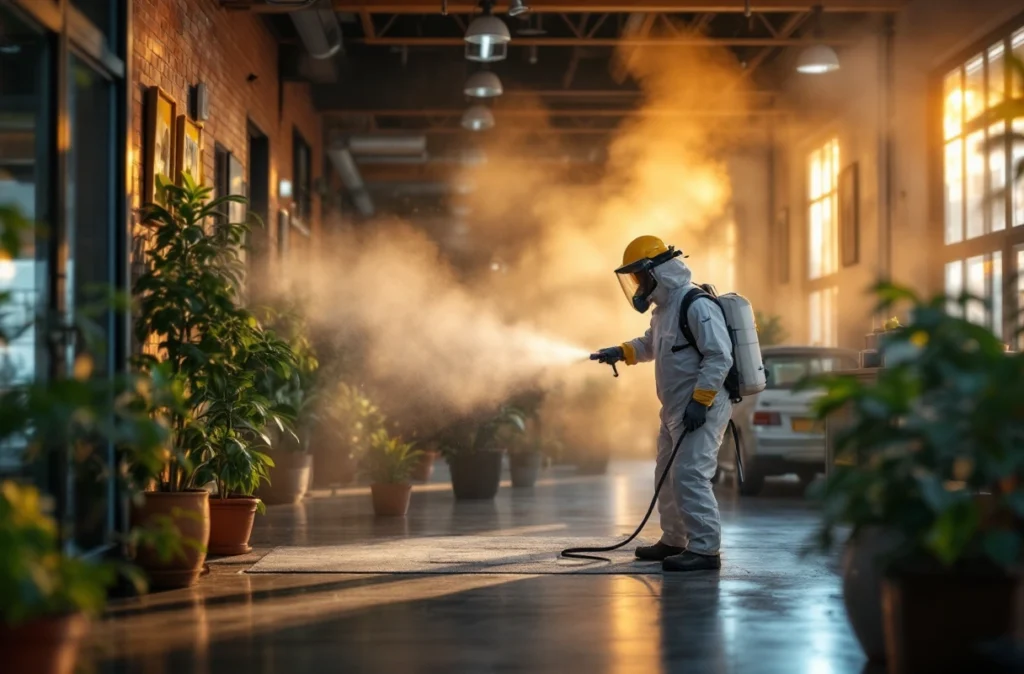
In today’s competitive landscape, businesses must proactively protect their assets and reputation. One critical area that often goes overlooked is pest management. Commercial pest control services play an essential role in safeguarding businesses from potential infestations that can harm operations and customer trust. The financial repercussions of pest-related issues can be staggering, with businesses facing significant costs related to damage, loss of reputation, and even legal liabilities.
Understanding the preventative benefits of pest control is crucial for business owners. This article will explore the reasons businesses invest in commercial pest control services, the effects of weather changes on pest activity, and actionable insights for implementing effective pest management strategies.
The Importance of Commercial Pest Control Services

Commercial pest control services encompass a range of strategies designed to prevent and manage pest infestations in business environments. These services not only focus on eliminating existing pests but also on preventing future occurrences through comprehensive pest maintenance plans.
Protecting Business Reputation
One of the most significant benefits of investing in commercial pest control services is the protection of a business’s reputation. Customers are increasingly aware of hygiene standards and pest issues; a single pest sighting can lead to negative reviews and loss of clientele. For instance, restaurants must adhere to strict health regulations, and a pest infestation can lead to closure and hefty fines. Regular pest inspections and maintenance can mitigate this risk, ensuring a clean and inviting environment.
Compliance with Health Regulations
Businesses operating in sectors such as food service, hospitality, and healthcare must comply with various health regulations that mandate pest control measures. Failing to meet these regulations can result in penalties and operational disruptions. Engaging commercial pest management services helps businesses stay compliant with local laws and regulations, minimizing the risk of fines and ensuring customer safety.
Cost-Effectiveness of Preventative Pest Services
Investing in preventative pest services is often more cost-effective than dealing with an infestation after it occurs. The costs associated with pest removal techniques, repairs, and lost revenue during downtime can quickly add up. By implementing a proactive pest management plan, businesses can avoid the high costs associated with emergency pest control and maintain smooth operations.
How Weather Changes Impact Pest Activity in Commercial Areas

Weather patterns significantly influence pest activity, making it essential for businesses to adapt their pest control strategies accordingly. Understanding these changes can help in formulating effective pest maintenance plans.
Seasonal Variations in Pest Activity
Different pests thrive in various weather conditions. For example, warm, humid summers can lead to an increase in cockroach and mosquito populations, while cold winters may drive rodents indoors. Businesses must monitor these seasonal changes and adjust their pest control strategies to address potential infestations effectively.
-
Spring: As temperatures rise, insects such as ants and termites become active. Early intervention is crucial.
-
Summer: High humidity levels can lead to increased mosquito and fly populations, necessitating regular inspections.
-
Fall: Rodents begin seeking shelter from the cold, making it vital to seal entry points and implement rodent control solutions.
-
Winter: Pests may become dormant, but businesses should remain vigilant, as some pests can be active indoors.
Climate Change and Pest Behavior
Climate change has led to more unpredictable weather patterns, which can affect pest behavior. Warmer winters may result in pests surviving longer and reproducing more rapidly, while extreme weather events can cause shifts in pest populations. Businesses must stay informed about these trends and adapt their pest management strategies accordingly. Utilizing pest inspection services regularly can help identify potential risks associated with changing weather patterns.
Actionable Insights for Effective Pest Management

Implementing effective commercial pest control services requires a strategic approach. Here are essential steps to consider:
-
Conduct Regular Pest Inspections
-
Schedule routine inspections to identify potential pest issues before they escalate. This proactive measure allows businesses to address problems early on.
-
-
Develop a Customized Pest Maintenance Plan
-
Work with pest control professionals to create a tailored plan that addresses specific pest risks associated with the business type and location.
-
-
Train Staff on Pest Prevention Practices
-
Educate employees about best practices for preventing pest infestations, such as proper food storage, cleanliness, and reporting signs of pests.
-
-
Utilize Integrated Pest Management (IPM)
-
Implement an IPM approach, combining biological, cultural, and physical controls to minimize pest populations while reducing reliance on chemical treatments.
-
-
Monitor and Evaluate Pest Control Efforts
-
Regularly assess the effectiveness of pest control strategies and make adjustments as necessary to ensure optimal results.
-
Common Misconceptions About Commercial Pest Control Services
Despite the clear benefits of commercial pest control services, several misconceptions persist that can hinder effective pest management. Addressing these misconceptions is essential for business owners.
Myth: Pest Control is Only Needed When There is an Infestation
Many believe that pest control services are only necessary when an infestation is apparent. In reality, preventative pest control is critical. Regular inspections and maintenance can help identify potential problems before they escalate, saving businesses time and money in the long run.
Myth: All Pest Control Solutions are Chemical
While chemical treatments are one aspect of pest control, many businesses overlook alternative pest removal techniques. Integrated pest management incorporates environmentally friendly solutions, such as biological controls and habitat modification, which can be effective without relying solely on chemicals.
Myth: Pest Control is a One-Time Solution
Another common misconception is that pest control is a one-time fix. Effective pest management requires ongoing monitoring and maintenance to ensure long-term success. Businesses should view pest control as a continuous process rather than a single event.
The Role of Pest Patrol in Commercial Pest Control Services
When it comes to implementing effective pest management strategies, partnering with a reliable pest control service provider is crucial. Pest Patrol offers comprehensive commercial pest control services tailored to the unique needs of businesses. With an emphasis on preventative measures, Pest Patrol helps businesses maintain a pest-free environment while ensuring compliance with health regulations.
The Benefits of Choosing Pest Patrol
-
Expertise in Local Pest Issues: Pest Patrol understands the specific pest challenges faced by businesses in Portland and surrounding areas, providing targeted solutions.
-
Customized Pest Management Plans: Each business is unique, and Pest Patrol develops tailored pest maintenance plans that align with individual needs.
-
Commitment to Customer Satisfaction: Pest Patrol prioritizes customer satisfaction, ensuring businesses receive the support they need to maintain a pest-free environment.
Taking Action Against Pests
Investing in commercial pest control services is essential for safeguarding your business’s reputation, compliance, and financial health. By understanding the preventative benefits and addressing misconceptions, business owners can make informed decisions regarding choosing pest control services.
For businesses seeking to implement effective pest control strategies, Pest Patrol offers the expertise and resources necessary to achieve lasting results. Contact us today to learn more about our tailored pest control solutions and how we can help you maintain a pest-free environment.