

Step into a world where your home becomes a fortress against unwanted intruders with pest resistant insulation. Imagine an insulation solution that not only keeps your home warm during those chilly nights but also serves as a barrier against persistent pests. Pest resistant insulation, a blend of traditional insulation materials and advanced pest control methods, offers this dual protection. From fibrous materials to pest-resistant foam insulation, these options provide a shield against rodents and insects. Understanding the types of pest resistant insulation available allows you to choose the best insulation for pest control and prevention specific to your home. Experience the benefits of effective pest control insulation, which include reduced infestations and improved energy efficiency. Moreover, selecting the right pest resistant insulation materials is a proactive measure for your home’s long-term protection. Embark on a simple journey of learning how to install pest resistant insulation to maximize its effectiveness and safeguard your home.
What is Pest Resistant Insulation
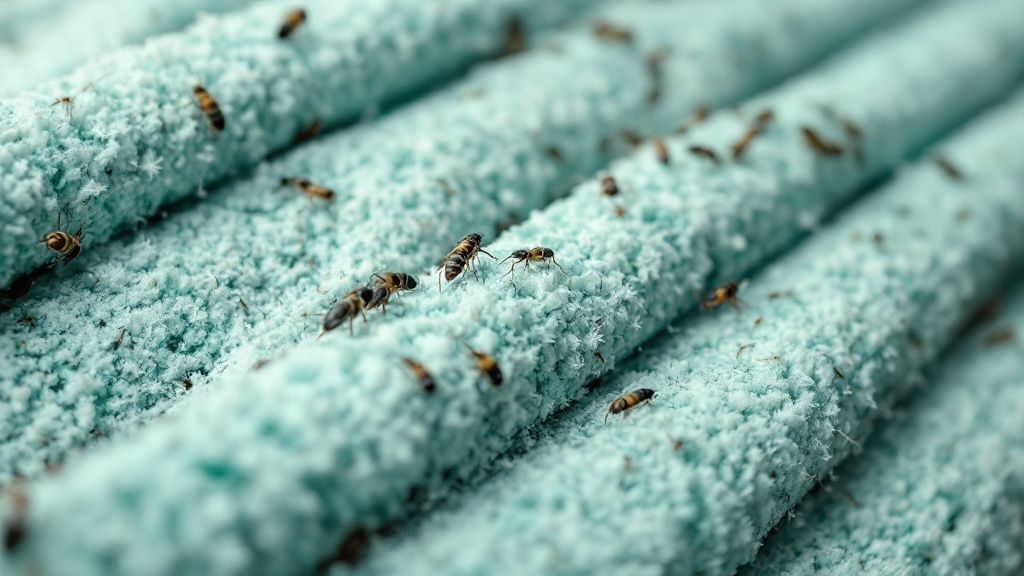
Pest resistant insulation serves as a dual-purpose wonder for your home, not only providing essential thermal regulation but also acting as a barrier against common pests. Crafted from specialized insulation materials, it prevents rodents and insects from entering your living space. This unique capability makes it the best insulation for pest control, particularly in regions prone to infestations. The blend of energy efficiency and pest prevention distinguishes this insulation choice from conventional options.
There are several types of pest resistant insulation available, each designed to address specific needs. Fiberglass, cellulose, and pest resistant foam insulation are popular choices, with each providing effective defense against specific pests. For instance, cellulose insulation includes naturally pest-repellent additives, ensuring your home remains critter-free. Choosing the right type is key to maintaining a comfortable and secure living environment.
For example, in areas with significant termite issues, using cellulose insulation with added boric acid can provide excellent pest control. The boric acid acts as a deterrent, protecting your home from these wood-consuming insects, making this an ideal choice for pest prevention in termite-prone regions. This practical application demonstrates how you can effectively tailor your insulation strategy to local pest threats.
Installing pest resistant insulation involves careful planning and execution to maximize its potential. Understanding how to install pest resistant insulation properly ensures that all entry points are effectively sealed. This step is crucial in forming a comprehensive protective barrier, contributing to the overall pest resistant insulation benefits your home will receive.
Incorporating pest control insulation into your home upgrade plans yields long-term advantages. Besides reducing energy bills, it minimizes the risk of costly pest damage, enhancing the value and safety of your home. Embrace the benefits and security that come with investing in an integrated approach to insulation for pest prevention.

Benefits of Using Pest Resistant Insulation
Pest resistant insulation provides numerous benefits that extend beyond simple temperature regulation. By incorporating it into your home, you gain not only efficient thermal insulation but also a proactive pest control solution. This dual function makes it the best insulation for pest control, reducing the need for additional pest repellents or services. With consistent use, you see significant improvements in both comfort and safety.
From a unique perspective, viewing pest resistant insulation as both a shield and a savings tool highlights its value. It prevents structural damage from pests like rodents and termites, which can lead to expensive repairs. Furthermore, by preventing pest entry, these insulation materials also contribute to better indoor air quality, an often overlooked advantage.
Implementing pest resistant foam insulation or similar types can fortify your home’s defenses while enhancing its insulation for pest prevention. These materials seal potential entry points, which is key to effective pest control measures. Knowing how to install pest resistant insulation properly maximizes its benefits, ensuring a secure and efficient home environment.
The benefits of pest resistant insulation extend to financial savings, energy efficiency, and environmental responsibility. It reduces the need for chemical pest control, leading to a more eco-friendly household. This comprehensive approach, combining insulation efficiency with effective pest prevention, offers you sustainable peace of mind.
Common Pests Targeted by Pest Resistant Insulation
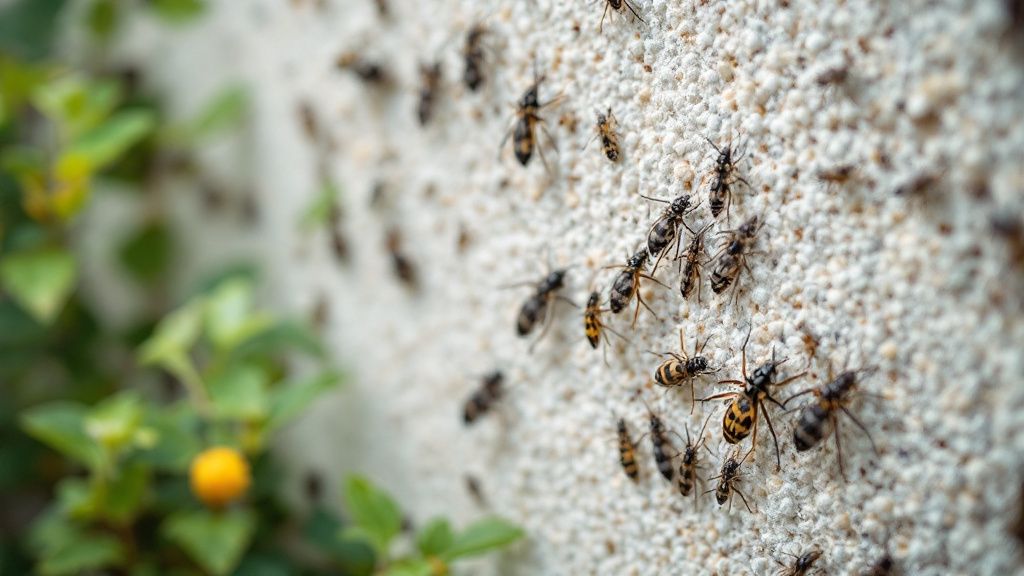
Pest resistant insulation is specifically designed to target and deter common household invaders like rodents, insects, and reptiles. Rodents, such as mice and rats, are notorious for causing damage to insulation materials as they seek warmth and shelter. Applying insulation for pest prevention effectively blocks their entry routes, protecting both your home’s structural integrity and its inhabitants from these nuisances.
Insects, particularly termites, can be devastating if left unchecked. Pest resistant insulation, such as cellulose with boric acid, provides a chemical barrier against these wood-consuming pests. This is why understanding the types of pest resistant insulation is crucial for prevention. The use of these specialized barriers helps to keep your home secure from costly infestations.
To make the most of your pest resistant insulation, ensure that installation is thorough with no gaps left exposed where pests can sneak through. Consider using pest resistant foam insulation in vulnerable areas like attics or basements to bolster defenses. Knowing how to install pest resistant insulation effectively will ensure maximum benefit and protection for your home.
Small reptiles may also seek refuge in the comfortable confines of your home. By incorporating pest control insulation, you further deter these creatures from making their way indoors. The benefits of pest resistant insulation extend well into the realm of comprehensive home protection, offering peace of mind and practical safeguarding of your living space.
Choosing the Right Pest Resistant Insulation
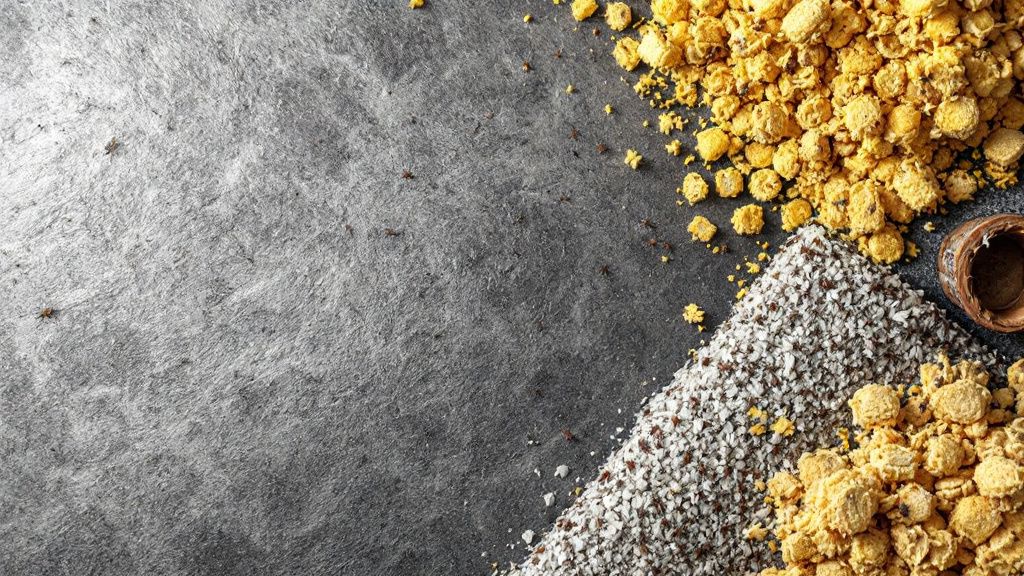
Choosing the right pest resistant insulation can transform your home into a robust defense system against unwanted guests. There are various types of pest resistant insulation to consider, each designed with specific qualities to meet diverse needs. From cellulose with pest-repelling additives to pest resistant foam insulation, selecting the best insulation for pest control depends on your home’s structure and local pest issues.
Think of selecting pest resistant insulation as building a fortress around your home. Just like a well-constructed castle with its thick walls and moats, this insulation creates a formidable barrier that keeps pests at bay while maintaining a comfortable indoor climate. This dynamic protection method emphasizes the importance of choosing the correct insulation materials for your peace of mind.
Evaluate your environment and the common pests that infiltrate your area before making a choice. If termites are prevalent, opting for cellulose insulation treated with boric acid could be beneficial. Understanding these aspects will drive your decision, ensuring you select the most effective insulation for pest prevention and long-term benefits.
As you consider how to install pest resistant insulation, ensure you seek professional advice or thorough guidelines to achieve the best results. Proper installation is key to maximizing the pest resistant insulation benefits, allowing you to enjoy a safer and more comfortable home environment.
Installation Process of Pest Resistant Insulation
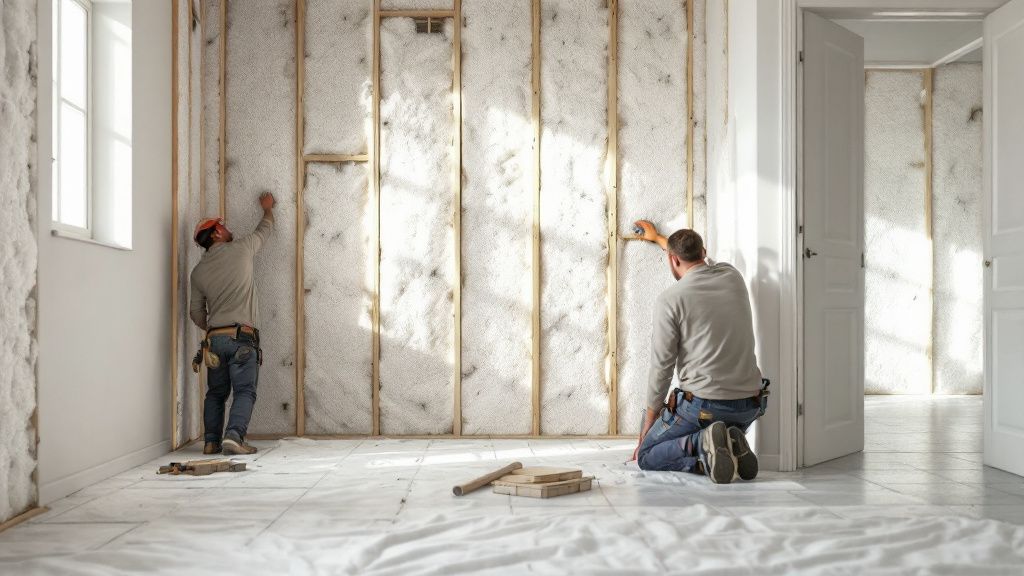
The installation process of pest resistant insulation requires careful preparation and execution to ensure optimal protection. Begin by assessing the areas of your home that are most vulnerable, such as attics, basements, and crawl spaces. These zones are prime candidates for pest control insulation due to their accessibility to unwanted invaders, and sealing these areas can significantly enhance your home’s defenses.
Choosing the right insulation materials is crucial for effective installation. Pest resistant foam insulation is often recommended for its ability to expand and fill any crevices, providing a seamless, airtight barrier. To maximize the pest resistant insulation benefits, ensure all corners and potential entry points are meticulously covered. This thoroughness prevents pests from finding any refuge in your living space.
Looking ahead, the installation of pest resistant insulation is expected to evolve with the integration of smart technologies and environmentally friendly materials. Innovations in insulation materials will likely provide even more efficient solutions for pest prevention while enhancing energy conservation. Staying informed about these advancements may guide future home improvements for even better protection.
By understanding how to install pest resistant insulation effectively, you enhance the long-term resilience of your home. It offers peace of mind, knowing you’ve fortified your living space against pests all year round. Proper installation facilitates both immediate and lasting benefits, making it a worthwhile investment.
Cost Considerations
When considering the cost of pest resistant insulation, you’ll find it varies based on factors such as the types of pest resistant insulation chosen and the size of the area to be covered. While initial expenses may be higher compared to conventional insulation materials, the long-term savings in pest control and energy bills often offset the upfront cost. Investing in quality insulation for pest prevention protects your home from costly damages.
One unpopular opinion about pest resistant insulation is that its high initial cost isn’t justified. Some may argue that regular pest control measures suffice instead of opting for specialized insulation materials. However, this view overlooks potential repairs from persistent pest issues and the enhanced energy efficiency gained from pest control insulation, demonstrating the long-term value of a more integrated approach.
Evaluating the benefits of pest resistant foam insulation compared to alternatives gives insight into its costs. Foam insulation offers superior coverage and pest prevention capabilities, though it can be pricier. When determining how to install pest resistant insulation, consider labor costs too, as professional installation ensures thorough coverage and maximizes the insulation’s effectiveness and lifespan.
Budgeting for this investment involves considering not just the cost of materials but also the potential savings. The pest resistant insulation benefits extend beyond immediate pest deterrence, contributing to overall home value by reducing energy loss and fostering a healthier, pest-free environment. This broader financial perspective is crucial when evaluating such home improvements.
By wisely choosing the best insulation for pest control, you mitigate the financial risks associated with pest damage and inefficiencies. While awaiting newer cost-effective solutions in the market, assess your home’s specific needs and local pest threats to customize your insulation strategy and secure your home against wasteful expenses in the long run.