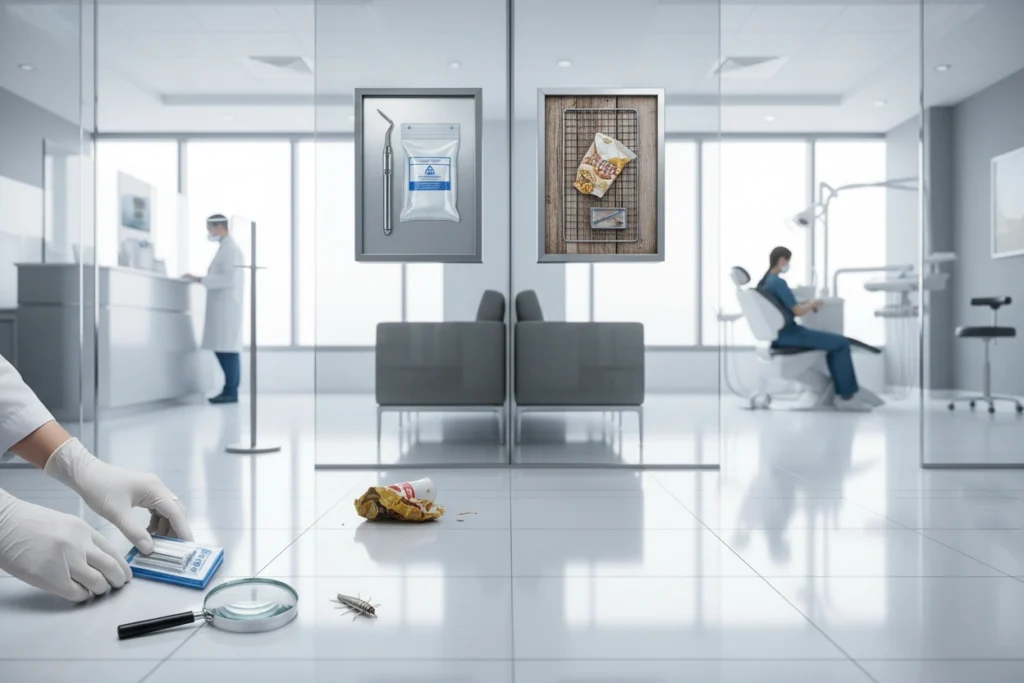
Medical and dental offices operate under OSHA and HIPAA standards that retail spaces simply don’t face. When pests appear near sterilization equipment or medication storage, your compliance exposure becomes immediate and serious. Regulatory bodies require documented, proactive pest management plans—not reactive fixes. Standard retail pest control methods often conflict with clinical infection protocols and air quality requirements. The stakes are higher here, and understanding exactly why changes how you protect your facility.
Key Takeaways
-
Medical and dental offices must comply with OSHA and HIPAA standards, requiring documented pest management plans that retail environments typically don’t need.
-
Immunocompromised patients face greater health risks from pest-borne pathogens, demanding stricter contamination controls than standard retail settings require.
-
Aerosol pesticides and broad-spectrum chemicals can violate clinical air quality standards, making low-toxicity or chemical-free treatments essential.
-
Pest control services must be scheduled after hours, typically at 9 PM, with a six-hour clearance window to prevent patient exposure.
-
Treatment logs, EPA registration numbers, Safety Data Sheets, and signed service reports must be retained to satisfy health department compliance audits.
Why Medical Offices Face Stricter Pest Risks Than Retail
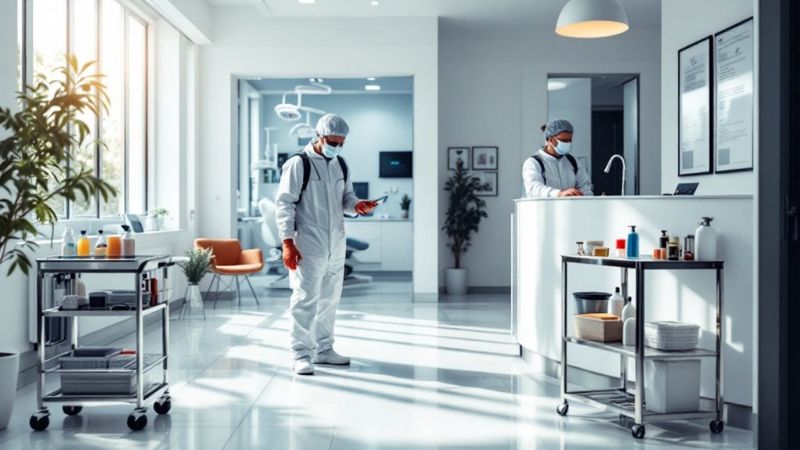
Medical and dental offices operate under regulatory frameworks that retail environments simply don’t face. OSHA, HIPAA facility standards, and state health department regulations all impose strict sanitation protocols that make pest presence far more consequential than a stray ant in a clothing store.
In your clinic, a single cockroach near sterilization equipment or a rodent near medication storage creates immediate compliance exposure.
Pest transmission risks also carry different weight in healthcare settings. Your patients are often immunocompromised, elderly, or recovering from procedures, making them considerably more vulnerable to pathogens that pests carry and spread. Investing in professional pest control services ensures compliance and long-term safety for your practice.
Retail can tolerate a reactive approach. Your office can’t. Regulators and accreditation bodies expect documented, proactive pest management plans, not just a call to an exterminator after something’s already been spotted.
The Regulations Clinics Must Follow for Pest Control
Whether you operate a small dental practice or a multi-provider clinic, federal and state regulations impose specific pest management obligations that go well beyond general cleanliness standards.
OSHA, the CDC, and state health departments each set expectations for maintaining sanitary, pest-free environments in healthcare settings. You’ll need documented pest identification logs, written treatment protocols, and records of any chemical applications used on-site. Additionally, you must adhere to Oregon Fertilizer Rules that regulate the safe use of pest control products in healthcare settings.
Oregon health inspectors can request these records during routine facility reviews. You must also guarantee any pest control products applied in patient areas meet healthcare-grade safety standards.
Non-compliance can trigger citations, fines, or temporary closure. Meeting these regulatory standards isn’t optional — it’s a core operational requirement that directly protects your patients, your staff, and your license to practice.
Pests Most Likely to Infiltrate Medical and Dental Offices
Because healthcare environments offer reliable access to food, water, warmth, and shelter, they attract a predictable set of pests that you’ll need to identify and address proactively. Applying consistent pest identification strategies helps you recognize threats before they escalate into compliance violations.
Common pest species infiltrating medical and dental offices include:
-
Cockroaches – thrive in break rooms, sterilization areas, and utility spaces
-
Rodents (rats and mice) – enter through gaps in walls, floors, and utility penetrations
-
Ants – target food storage and moisture sources
-
Flies – breed near waste receptacles and organic material
-
Bed bugs – introduced through waiting room furniture and patient belongings
Each species carries distinct contamination risks, requiring targeted identification and species-specific treatment protocols aligned with healthcare facility standards. In particular, unpleasant odors from infestations can signal deeper issues that need immediate attention.
Why Standard Pest Treatments Don’t Work in Clinical Settings
Standard pest control methods designed for general commercial use fall short in clinical environments, where chemical exposure limits, sterile field requirements, and regulatory oversight fundamentally change what’s permissible.
Understanding pest biology helps determine where infestations originate, but treatment selection must align with OSHA, CDC, and state health department standards. Weak sanitation practices accelerate pest pressure, making integrated protocols essential.
Common reasons standard treatments fail in clinical settings:
-
Chemical residue risks contaminate sterile instruments, exam surfaces, and open medication storage.
-
Aerosol applications violate air quality requirements in procedure and treatment rooms.
-
Broad-spectrum pesticides conflict with infection control protocols and patient safety regulations.
-
Untargeted baiting strategies ignore pest biology specific to clinical entry points and harborage zones.
-
Implementing pest-resistant insulation can enhance the overall protection against infestations by acting as a barrier in vulnerable areas.
Your facility requires a structured, compliance-driven approach, not a generalized commercial spray schedule.
What a Clinic-Safe Pest Control Protocol Actually Looks Like
When you work with a qualified pest control provider for your medical or dental office, you should expect a protocol built around three non-negotiable elements: chemical-free or low-toxicity treatment options, after-hours scheduling to avoid patient exposure, and documented safety compliance records your facility can retain for inspection or accreditation purposes. Chemical-free methods—such as heat treatment, mechanical trapping, and exclusion techniques—eliminate the risk of chemical contamination in sterile or semi-sterile environments. Your provider should supply written documentation of every treatment applied, including product safety data sheets and service logs that align with OSHA, HIPAA facility standards, and any applicable state health code requirements. Additionally, implementing a focus on sustainable pest management can further enhance the safety and effectiveness of pest control in your facility.
Chemical-Free Treatment Options
Clinics and dental offices operate under strict sanitation and safety standards, so pest control protocols must reflect that environment.
When chemical applications aren’t appropriate, you can rely on proven chemical-free methods that align with regulatory requirements and patient safety obligations.
Effective non-chemical options include:
-
Heat treatments for bed bugs and insects without chemical residue
-
Mechanical traps for rodent monitoring in sterile or sensitive zones
-
Natural repellents derived from essential oils applied in non-patient areas
-
Organic solutions using food-grade diatomaceous earth along baseboards and entry points
These methods reduce exposure risks for immunocompromised patients, staff, and sensitive medical equipment.
You’ll maintain compliance with OSHA and health department standards while still addressing active infestations effectively and thoroughly.
Timed After-Hours Scheduling
Scheduling pest control services after hours isn’t just a convenience—it’s a core component of a compliant, clinic-safe protocol. You eliminate patient safety risks by ensuring zero overlap between treatment windows and occupied clinical hours.
After hours efficiency means technicians can access exam rooms, sterilization areas, and waiting spaces without disrupting workflows or triggering cross-contamination concerns.
Your scheduling protocol should define exact entry and exit times, specify ventilation clearance periods before staff return, and document treatment completion for regulatory records. Treatments applied at 9 PM with a six-hour clearance window allow normal operations to resume by morning.
Pest Patrol coordinates directly with your office manager to build a recurring schedule that aligns with your compliance requirements and keeps your clinical environment protected without operational disruption.
Documented Safety Compliance
A clinic-safe pest control protocol isn’t just good practice—it’s a documented system your office can produce during a health department inspection or accreditation review.
Following best practices means maintaining records that satisfy compliance audits before they happen, not scrambling afterward.
Your protocol documentation should include:
-
Treatment logs with product names, EPA registration numbers, application zones, and technician credentials
-
Safety Data Sheets (SDS) for every chemical used on-site
-
Re-entry intervals confirming when treated areas are safe for staff and patients
-
Service reports timestamped and signed, outlining findings and corrective actions taken
Pest Patrol provides this documentation automatically after every visit.
Your front office, compliance officer, or accreditation team can access exactly what they need—without delays or follow-up requests.
How to Choose a Pest Control Company for Your Medical Office
Choosing the right pest control company for your medical office requires careful vetting—not every provider is equipped to handle the strict compliance demands of a healthcare environment.
Evaluate pest control qualifications first: confirm licensure, healthcare facility experience, and familiarity with HIPAA-adjacent access protocols and infection control standards. Ask whether technicians receive specialized training for clinical environments.
Review service guarantees carefully. A provider should offer documented follow-up visits, written treatment logs, and clear accountability if issues persist. Request sample reports to assess whether their documentation meets regulatory expectations.
Pest Patrol serves Portland-area medical and dental offices with compliant, discreet pest management tailored to healthcare settings. Their transparent processes, fast response times, and satisfaction guarantee make them a reliable partner for maintaining a safe clinical environment.
Frequently Asked Questions
How Often Should Medical Offices Schedule Routine Pest Inspections?
You should schedule pest inspection frequency at least quarterly for effective clinic pest management. High-risk areas like sterilization rooms and break rooms need monthly checks to maintain regulatory compliance and protect patients.
Can Pest Activity Affect a Clinic’s Insurance Coverage or Liability?
Yes, pest activity can affect your coverage. Documented infestations create pest liability risks and serious insurance implications, potentially voiding policies or exposing you to lawsuits if patients or staff suffer harm from neglected pest conditions.
What Should Staff Do if They Spot a Pest During Patient Hours?
Don’t ignore it—you must follow your pest identification protocols immediately. Calmly remove patients from the area, document the sighting, and notify your supervisor. Your staff training requirements should’ve prepared you to handle this without disrupting clinical operations.
Are There Pest Control Options Safe for Immunocompromised Patients Nearby?
Yes, you can access safe treatment options designed around patient safety protocols for immunocompromised individuals. Pest Patrol uses low-toxicity, targeted applications that minimize chemical exposure, ensuring vulnerable patients nearby remain protected during and after treatment.
How Quickly Can a Pest Control Company Respond to a Clinic Emergency?
You can expect emergency response within hours when you contact Pest Patrol. They’ll align with your clinic protocols quickly, ensuring fast, methodical treatment that meets the regulatory standards your medical facility requires.
Conclusion
Your clinic operates under a different set of rules than any standard commercial space, and your pest control program must reflect that reality. You’re responsible for maintaining a sterile, compliant environment where patient safety isn’t negotiable. Don’t settle for generic treatments that ignore regulatory requirements or put vulnerable patients at risk. Implement a protocol-driven, clinic-specific pest management strategy, vet your provider carefully, and document everything. That’s not optional — it’s your professional obligation.