
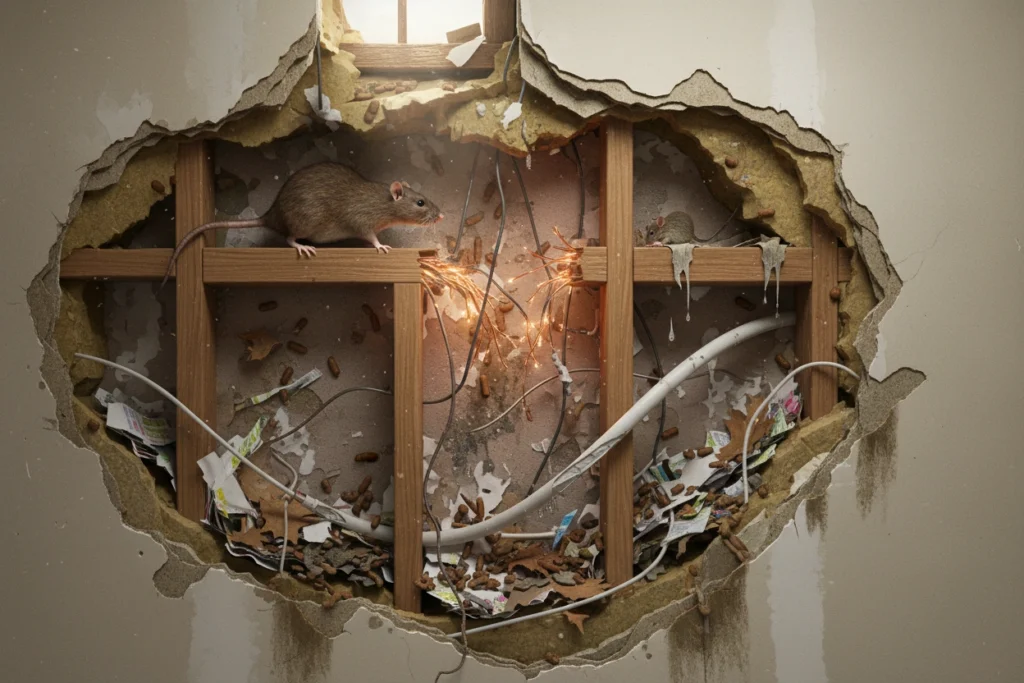
Rodents can silently wreak havoc in your home, especially within the walls, causing unseen damage that can lead to costly repairs. Many homeowners may not realize the extent of the damage until it has progressed significantly. Identifying the signs of rodent activity early can save you from extensive repairs, health risks, and potential structural issues. This article will guide you through recognizing the signs of rodent damage inside your walls, understanding the health risks associated with infestations, and exploring effective prevention and control methods.
Recognizing the Signs of Rodent Damage
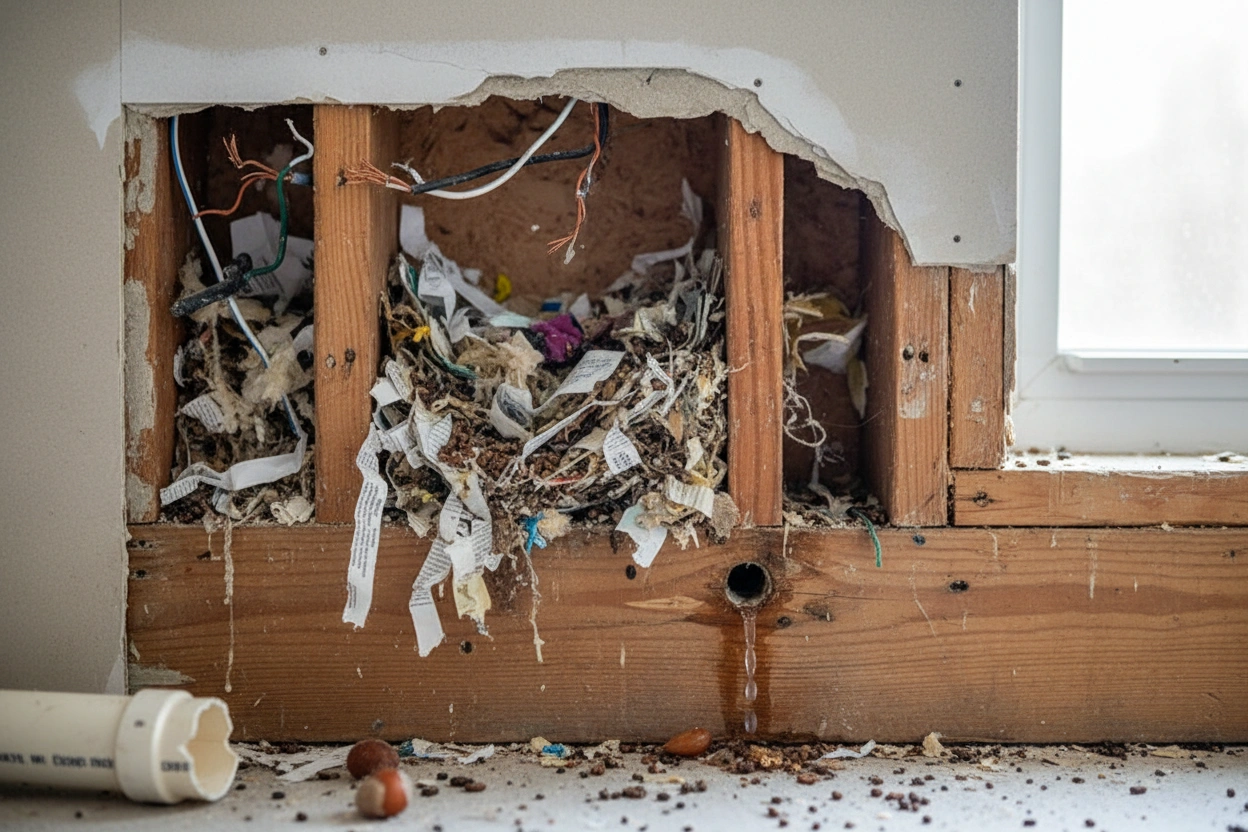
When it comes to identifying rodent damage signs, several key indicators can help you determine if rodents have made their way into your walls. One of the most common signs is droppings, which can often be found near entry points or nesting areas. Rodent droppings are small, dark, and pellet-shaped, typically measuring about a quarter of an inch in length. If you notice these droppings, it is essential to investigate further, as they indicate active infestations.
In addition to droppings, gnaw marks are another clear sign of rodent activity. Rodents have continuously growing teeth, which compel them to gnaw on various materials to keep their teeth from becoming too long. These marks can often be found on wood, drywall, or insulation within your walls. Moreover, nesting materials such as shredded paper, fabric, or insulation can indicate that rodents have made a home in your walls. This is particularly concerning because insulation damage from rodents can lead to increased energy costs and reduced comfort in your home.
Understanding Insulation Damage from Rodents
Insulation serves as a barrier to regulate your home’s temperature, and rodents can significantly compromise its effectiveness. When rodents nest within insulation, they often shred it for nesting material, leading to gaps and reduced insulation performance. This can cause your heating and cooling systems to work harder, ultimately resulting in higher energy bills. Furthermore, compromised insulation can also lead to moisture issues and mold growth, creating additional health risks for your household.
Health Risks Associated With Rodent Infestations
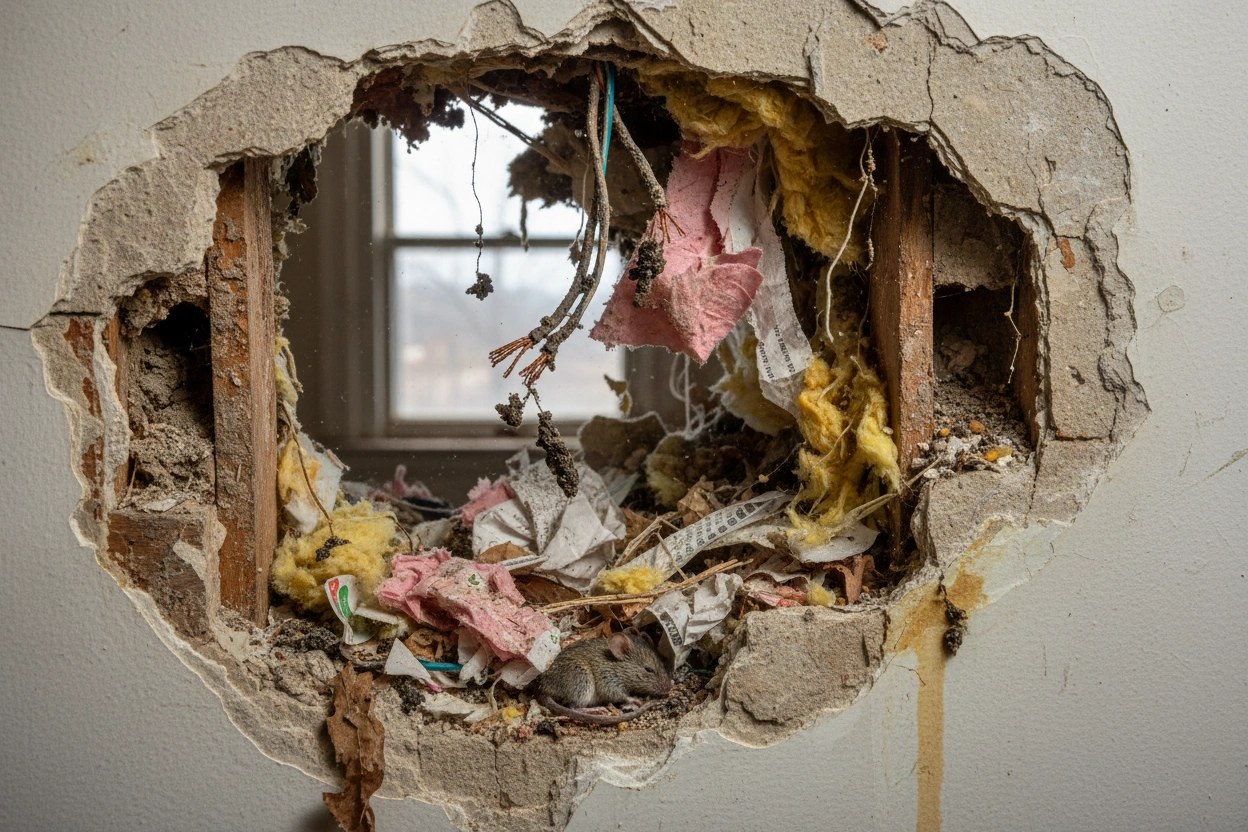
Rodents are not just a nuisance; they pose significant health risks that can have long-term implications for you and your family. One of the most concerning aspects of rodent infestations is the diseases they can transmit. Rodents can carry pathogens that lead to serious illnesses, such as hantavirus, leptospirosis, and salmonella. These diseases can be transmitted through direct contact with rodent droppings, urine, or saliva, as well as through contaminated surfaces.
Understanding the long-term health implications of rodent infestations is crucial. Prolonged exposure to rodent droppings and urine can lead to respiratory issues, allergies, and even chronic diseases. Additionally, the presence of rodents can also attract other pests, compounding the health risks. Therefore, it is essential to address rodent problems promptly and effectively to safeguard your family’s health.
Overview of Diseases Transmitted by Rodents
Here are some of the most common diseases associated with rodent infestations:
-
Hantavirus: A severe respiratory disease transmitted through contact with rodent droppings and urine.
-
Leptospirosis: A bacterial infection that can lead to liver and kidney damage, transmitted through contact with contaminated water or surfaces.
-
Salmonella: A bacterial infection that can cause gastrointestinal distress, often contracted through contaminated food or surfaces.
Effective Rodent Control Methods
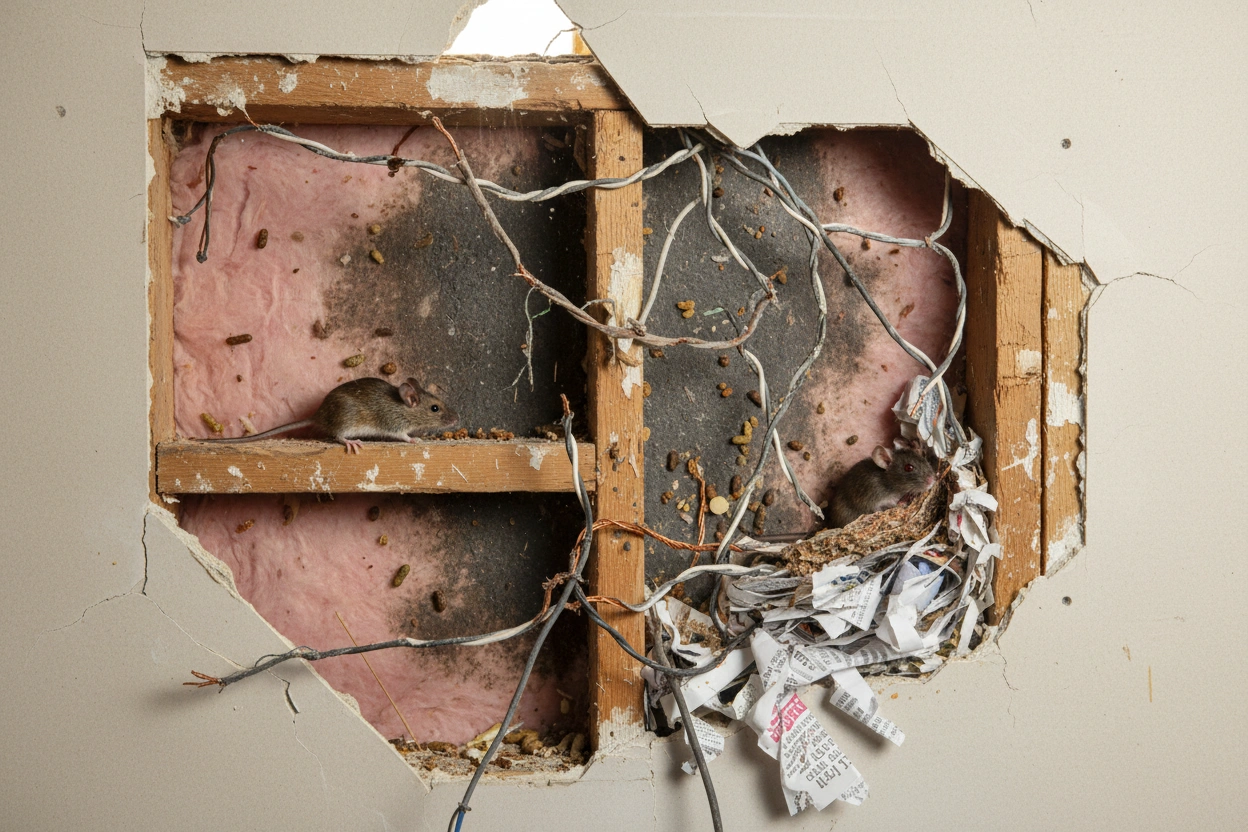
When faced with a rodent infestation, effective control methods are crucial to mitigate damage and health risks. Several options are available for homeowners, ranging from traps to professional pest control services. Traps are often the first line of defense. Snap traps, glue traps, and electronic traps can effectively capture rodents, but they must be placed strategically in areas where rodent activity is evident.
Baits are another option for controlling rodent populations. These can be used in conjunction with traps for maximum effectiveness. However, caution must be exercised when using baits, especially in homes with pets or children. If the infestation is severe or persistent, it may be necessary to consider hiring pest control experts who can assess the situation and implement comprehensive rodent control methods.
When to Consider Hiring Pest Control Experts
If you notice signs of significant rodent damage or a large infestation, it may be time to consult with a professional. Pest control experts can provide specialized knowledge and tools that are often more effective than DIY methods. They can also identify potential entry points and recommend preventive measures to reduce the risk of future infestations. Engaging a professional service not only ensures thorough rodent removal but also addresses any underlying issues that may contribute to infestations.
Repairing Wall Damage Caused by Rodents
Once you have addressed the rodent issue, it is essential to assess and repair the damage caused by their presence. The first step in this process is to inspect the affected areas carefully. Look for signs of gnawing on drywall and check for any insulation that may have been disturbed or damaged. If you find any holes or gaps, these need to be sealed to prevent future rodent entry.
Repairing wall damage can involve patching drywall, replacing insulation, and repainting affected areas. Depending on the extent of the damage, you may be able to tackle some repairs yourself, but more severe damage may require the expertise of a contractor. Additionally, understanding the cost considerations for repairs and restorations is vital. Minor repairs may be relatively inexpensive, but extensive damage can lead to significant expenses.
Cost Considerations for Repairs and Restorations
Repair costs can vary widely based on the extent of the damage. Here are some factors to consider:
-
Severity of Damage: Minor patches may cost as little as a few hundred dollars, while extensive repairs could run into the thousands.
-
Material Costs: The type of materials used for repairs, such as drywall, insulation, and paint, will affect overall costs.
-
Labor Costs: If you hire a contractor, labor fees can significantly increase total repair expenses. Always obtain multiple quotes to find the best value.
Hidden Rodent Damage Can Add Up Quickly
Rodents inside walls can cause more harm than most homeowners realize. Gnawed wiring increases fire risk, damaged insulation reduces energy efficiency, and droppings or urine can lead to lingering odors and health concerns. Because this activity happens out of sight, the problem often grows before it is detected. Sounds in the walls, unusual smells, or sudden electrical issues can all point to hidden damage that needs immediate attention.
If you suspect rodents inside your walls or want to assess potential damage before it worsens, Pest Patrol can inspect your home and recommend a targeted plan for removal and repair. Contact Pest Patrol for a free quote and take the next step toward protecting your home and restoring peace of mind.