
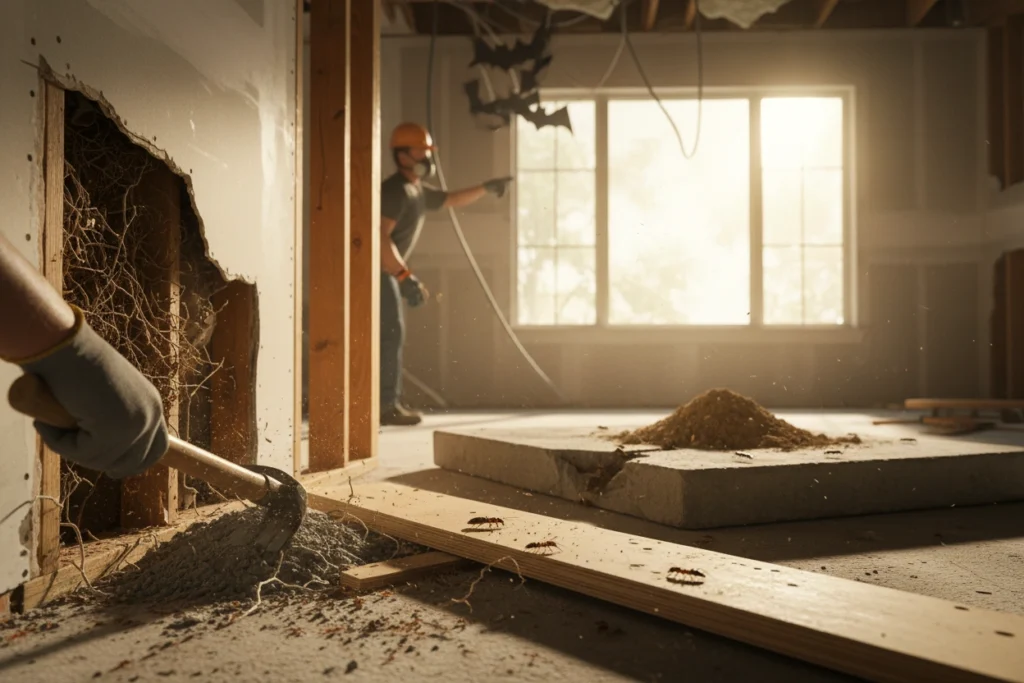
Did you know that your home renovation project could uncover a hidden world of pests lurking in the shadows? As homeowners embark on remodeling journeys, they often focus on aesthetics and functionality, overlooking the potential for pest infestations that may be hidden within walls, ceilings, and even beneath floors. This article will explore how remodeling your home can disturb hidden pest infestations, the signs to look for, and effective pest management strategies during renovations.
The Surprising Link Between Home Renovations and Pest Activity
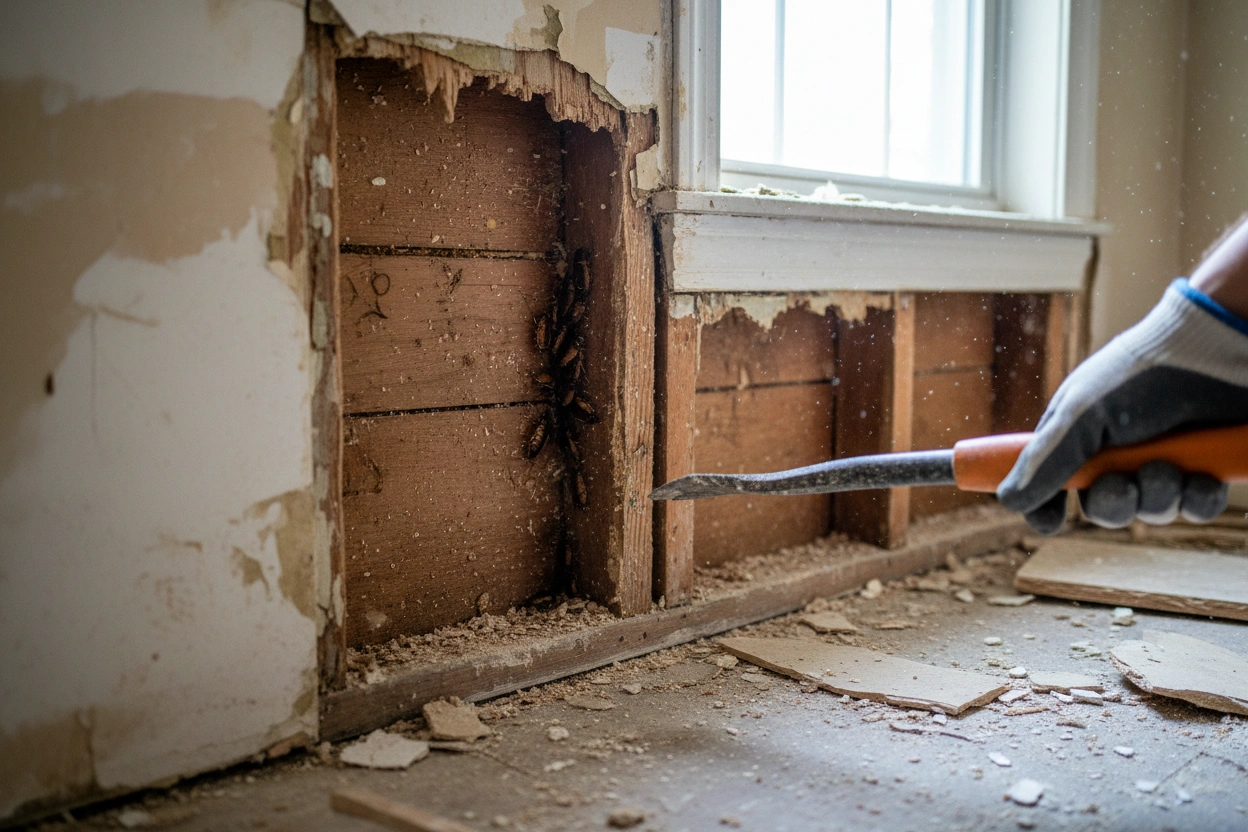
Pest activity can be significantly influenced by the disturbances caused during home renovations. When construction begins, the noise, vibration, and changes in the environment can trigger pests to move from their hidden spots into more visible areas. Common pests that may be revealed during renovations include termites, rodents, and various insects, all of which can pose significant threats to your home’s integrity and your health.
For instance, the vibrations from drilling or hammering can disrupt nesting sites for rodents, prompting them to flee to areas where they may be more visible or accessible. Similarly, termites may be disturbed from their colonies when walls are opened up, leading to a sudden increase in activity that homeowners may not have noticed prior to the renovation. Understanding these dynamics is crucial for anyone planning a remodeling project, as it highlights the importance of proactive pest management.
Identifying Signs of Hidden Pests Before They Become a Problem
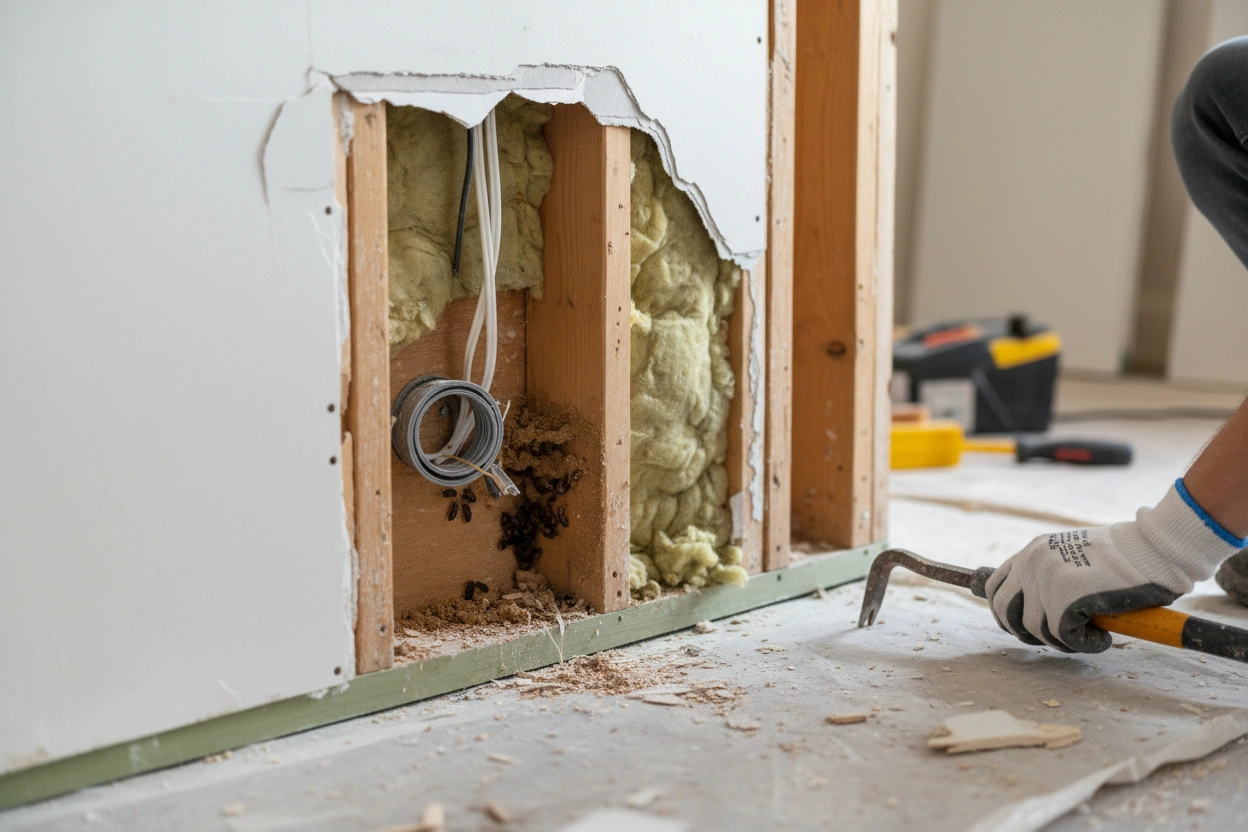
Identifying signs of hidden pests is essential before beginning any remodeling work. Common indicators of pest presence in walls and ceilings include unusual noises, droppings, and visible damage to wood or insulation. For example, if you hear scratching sounds within the walls or find small, dark droppings near potential nesting sites, these may be signs of rodent activity. Similarly, if you notice small holes in wood structures or frass (termite droppings), it is a clear indication of a pest infestation that needs immediate attention.
To conduct a thorough inspection prior to remodeling, homeowners should consider the following steps:
-
Inspect all areas of the home, including basements, attics, and crawl spaces.
-
Look for signs of moisture, as many pests are attracted to damp environments.
-
Check for any visible entry points, such as cracks or gaps around windows and doors.
-
Utilize professional pest inspection services if necessary, as they can identify hidden infestations that may not be apparent to the untrained eye.
By recognizing these signs early, homeowners can address potential pest problems before they escalate during the renovation process.
Effective Pest Management Strategies During Remodeling Projects
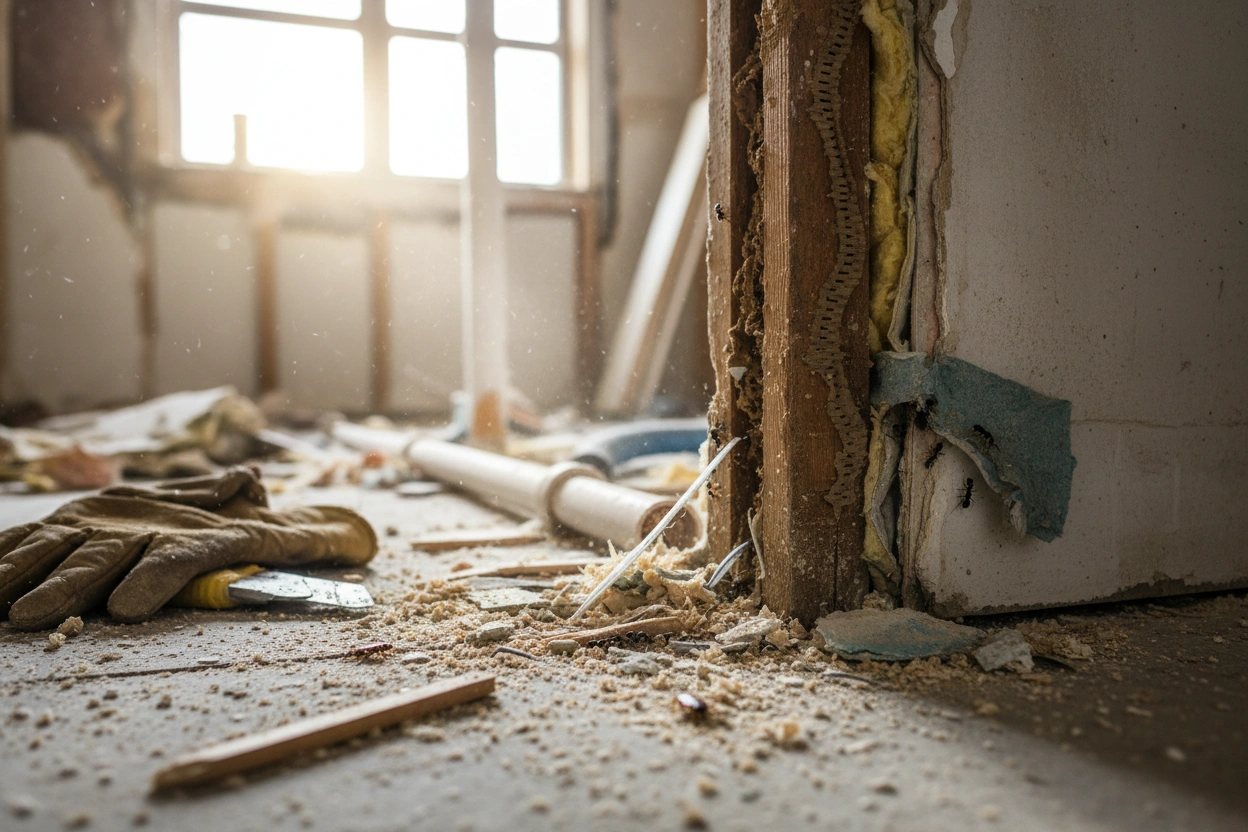
Integrating pest control measures into your renovation plan is essential for preventing pest infestations. One effective strategy is to schedule pest inspections and treatments before, during, and after the remodeling work. This proactive approach ensures that any pests disturbed by construction activities are managed appropriately, reducing the risk of them becoming a problem.
Consulting with pest control professionals is also highly recommended. Experts can provide guidance on the best practices for pest management tailored to your specific remodeling project. They can advise on the use of safe and effective pest control products that will not interfere with your renovation plans while ensuring that your home remains pest-free.
Additionally, consider setting up barriers or traps in areas where pests are likely to emerge. This can help in capturing any pests that are disturbed by the renovations before they have a chance to spread throughout your home.
Preventing Future Pest Infestations Through Smart Design Choices
Incorporating pest-resistant materials in your renovation can significantly reduce the likelihood of future infestations. For example, using treated wood in construction can deter termites, while opting for non-porous materials in kitchens and bathrooms can help prevent moisture buildup that attracts various pests.
Design elements that deter pest activity include proper drainage systems and sealing cracks and gaps around windows and doors. Ensuring that your home is well-ventilated can also help in reducing moisture levels, making it less appealing to pests.
Here are some effective design choices to consider:
-
Use metal mesh screens to cover vents and chimneys.
-
Install pest-resistant insulation in walls and attics.
-
Choose caulking and sealants that are specifically designed to deter pests.
By making informed design choices during your renovation, you can create an environment that is less hospitable to pests, significantly reducing the risk of future infestations.
Renovations Can Reveal More Than You Expect
Remodeling projects often open up walls, crawl spaces, and attics that have been undisturbed for years. In the process, hidden pest activity such as rodent nests, insect colonies, or entry points may suddenly come to light. Construction vibrations and displaced materials can also push pests into new areas of the home. Staying alert to droppings, nesting debris, damaged insulation, or live sightings during a renovation helps prevent a small discovery from turning into a larger setback.
If you are planning a remodel or have uncovered signs of pest activity mid project, Pest Patrol can inspect exposed areas and recommend a targeted plan to eliminate and prevent infestations. Contact Pest Patrol for a free quote and keep your renovation on track without unwanted surprises.