
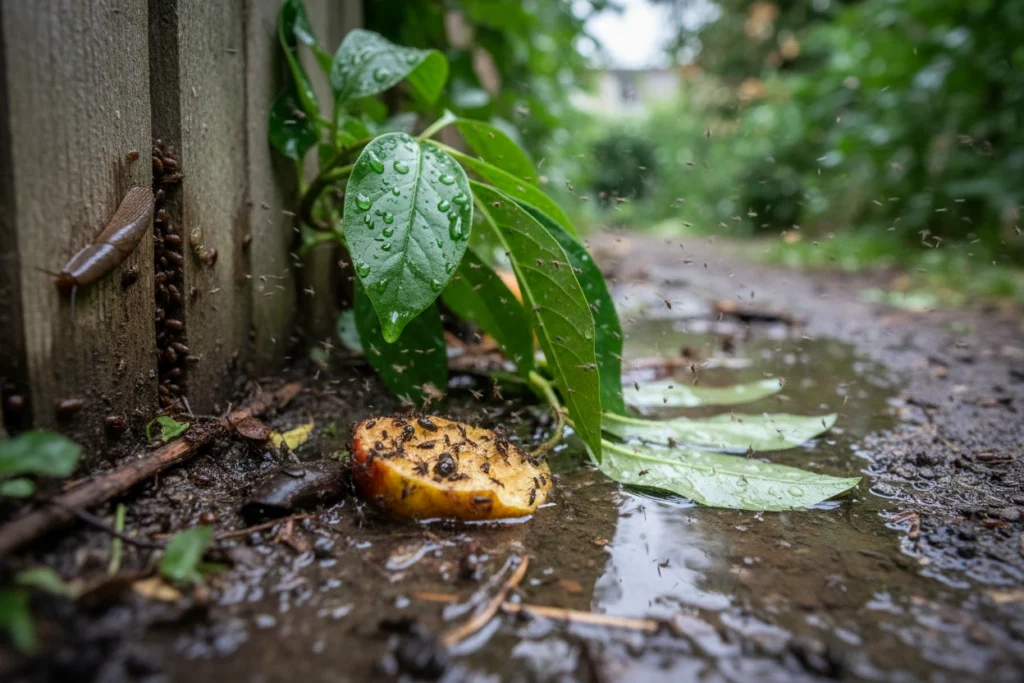
As summer showers become more frequent, the pest population can explode, leaving homeowners scrambling for solutions. The relationship between increased moisture levels and pest activity is complex yet critical for effective pest management. This article explores how summer rain impacts pest activity and offers effective strategies for managing these seasonal challenges.
The Connection Between Rain and Pest Activity
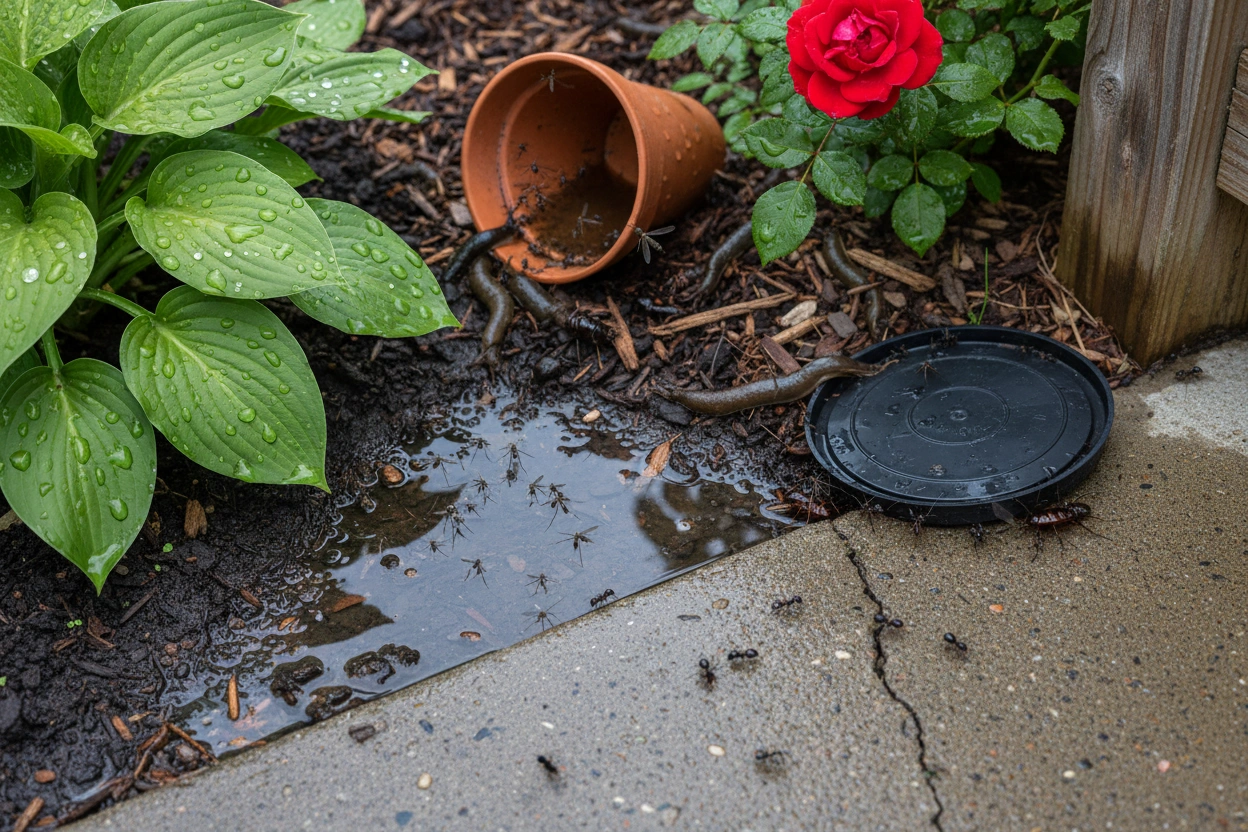
Understanding how summer rain increases pest problems begins with recognizing the ideal conditions that moisture creates for various insects. Rainfall not only provides the necessary hydration for plants but also for the pests that thrive in humid environments. For example, many insects, such as ants and cockroaches, are drawn to moist soil, which they need for nesting and survival. Additionally, standing water from rain can become a breeding ground for several types of pests.
Humidity plays a significant role in pest reproduction and survival as well. The moisture in the air allows insects to remain hydrated and enhances their reproductive cycles. For instance, studies indicate that higher humidity levels can lead to increased egg production in many pest species, such as mosquitoes and flies. Therefore, with summer rains fostering higher humidity, the likelihood of infestations rises sharply.
Key Factors Influencing Pest Activity
-
Moisture Levels: Increased rainfall elevates moisture levels in soil and vegetation, creating a hospitable environment for pests.
-
Nesting Opportunities: Many pests utilize damp areas to nest, making summer rain an ideal time for population growth.
-
Reproductive Rates: Humidity accelerates the reproductive cycles of pests, leading to rapid population increases.
Identifying Seasonal Pest Trends
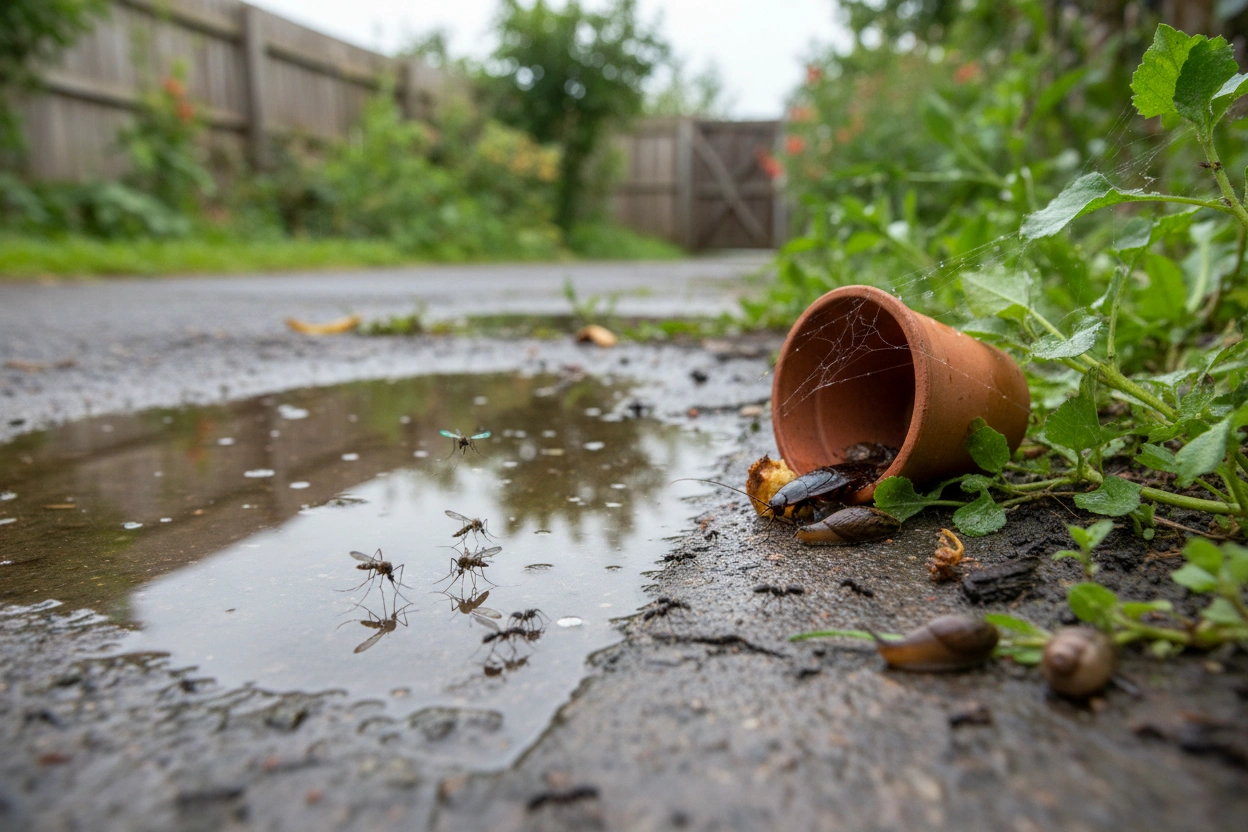
During the summer months, specific pests tend to become more problematic due to favorable weather conditions. Common culprits include mosquitoes, ants, flies, and termites. Each of these pests has unique behaviors and adaptations that allow them to thrive during the rainy season. For instance, mosquitoes are particularly notorious for their ability to breed in standing water, which is often a byproduct of summer rain.
Weather patterns also significantly influence pest populations. Fluctuations in temperature and precipitation can lead to surges in pest activity. For example, a wet spring followed by a warm summer often results in higher mosquito populations. Similarly, ants may establish new colonies during this time as they seek out moist environments to build their nests.
Notable Summer Pests
-
Mosquitoes: Thrive in stagnant water, making rain a key factor in their breeding.
-
Ants: Often seek out moisture-rich areas to establish new colonies.
-
Flies: Increased humidity can lead to higher populations due to favorable breeding conditions.
Effective Pest Management Strategies for Summer
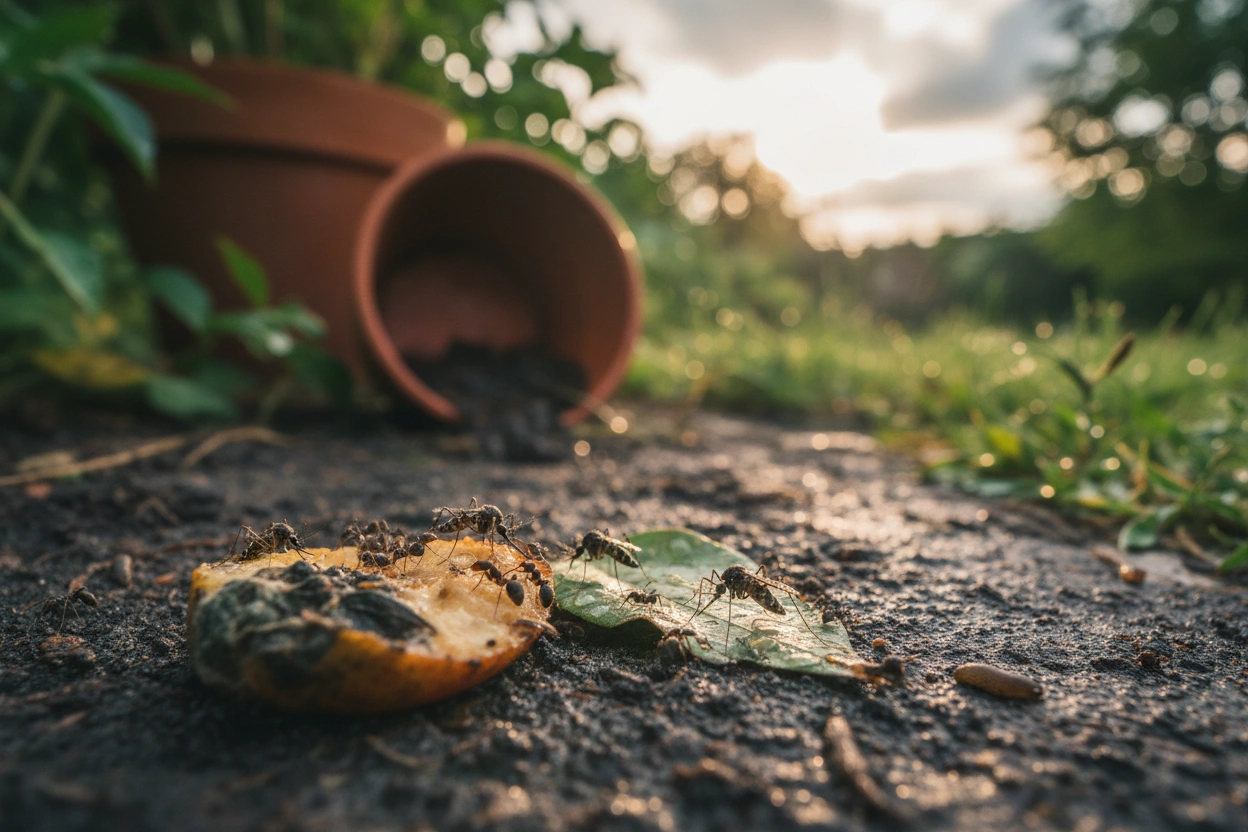
As humidity rises, proactive pest control becomes essential for preventing infestations. Homeowners can adopt several effective strategies to manage pest activity during the summer months. First and foremost, eliminating standing water around properties can significantly reduce mosquito breeding sites. This includes checking gutters, bird baths, and any containers that may collect rainwater.
Regularly maintaining landscaping is another key tactic. Trimming shrubs and mowing lawns can minimize pest habitats. Additionally, sealing cracks and gaps in structures can prevent pests from entering homes. Using natural pest deterrents, such as essential oils or diatomaceous earth, can also be effective in repelling unwanted insects.
Practical Tips for Pest Prevention
-
Eliminate Standing Water: Regularly check and remove any sources of stagnant water around your property.
-
Maintain Landscaping: Keep gardens and lawns trimmed to reduce pest hiding spots.
-
Seal Entry Points: Inspect and seal cracks and gaps in windows, doors, and foundations to prevent pest entry.
Understanding Mosquito Breeding Grounds
Summer rain creates ideal breeding conditions for mosquitoes, which can pose serious health risks to humans and pets. Female mosquitoes require standing water to lay their eggs, and even small amounts of water can serve as a breeding ground. This means that after heavy rainfall, properties can quickly become hotspots for mosquito activity.
The health risks associated with mosquito infestations are significant. Mosquitoes are known vectors for various diseases, including West Nile virus, Zika virus, and dengue fever. Understanding the breeding habits of mosquitoes can help homeowners take preventive measures to protect their families.
Key Insights on Mosquito Control
-
Breeding Habitats: Mosquitoes thrive in standing water, making it crucial to identify and eliminate these areas.
-
Health Risks: Infestations can lead to the spread of serious diseases, emphasizing the need for effective control measures.
-
Preventive Measures: Regular inspections and treatments can significantly reduce mosquito populations.
After the Rain, Pest Pressure Often Follows
Summer rain does more than water your lawn. It drives insects and rodents to seek drier shelter, often pushing them toward foundations, crawl spaces, and interior living areas. Increased humidity also creates ideal breeding conditions for ants, mosquitoes, cockroaches, and other moisture loving pests. Recognizing how rainfall shifts pest behavior allows you to take preventive steps before small issues grow into larger infestations.
If you are noticing increased pest activity after heavy rain or want a seasonal prevention plan in place, Pest Patrol can evaluate vulnerable areas around your home and recommend targeted solutions. Contact Pest Patrol for a free quote and stay ahead of the pest problems that often follow summer storms.