

As the temperature rises, so does the likelihood of encountering one of the most resilient pests: the cockroach. Many homeowners and urban dwellers alike dread the sight of these insects, especially during the warmer months. The question arises: do cockroaches multiply faster in summer? This article explores the relationship between summer heat and cockroach multiplication, examining their breeding habits, life cycle, and effective pest control methods.
The Impact of Summer Heat on Cockroach Breeding
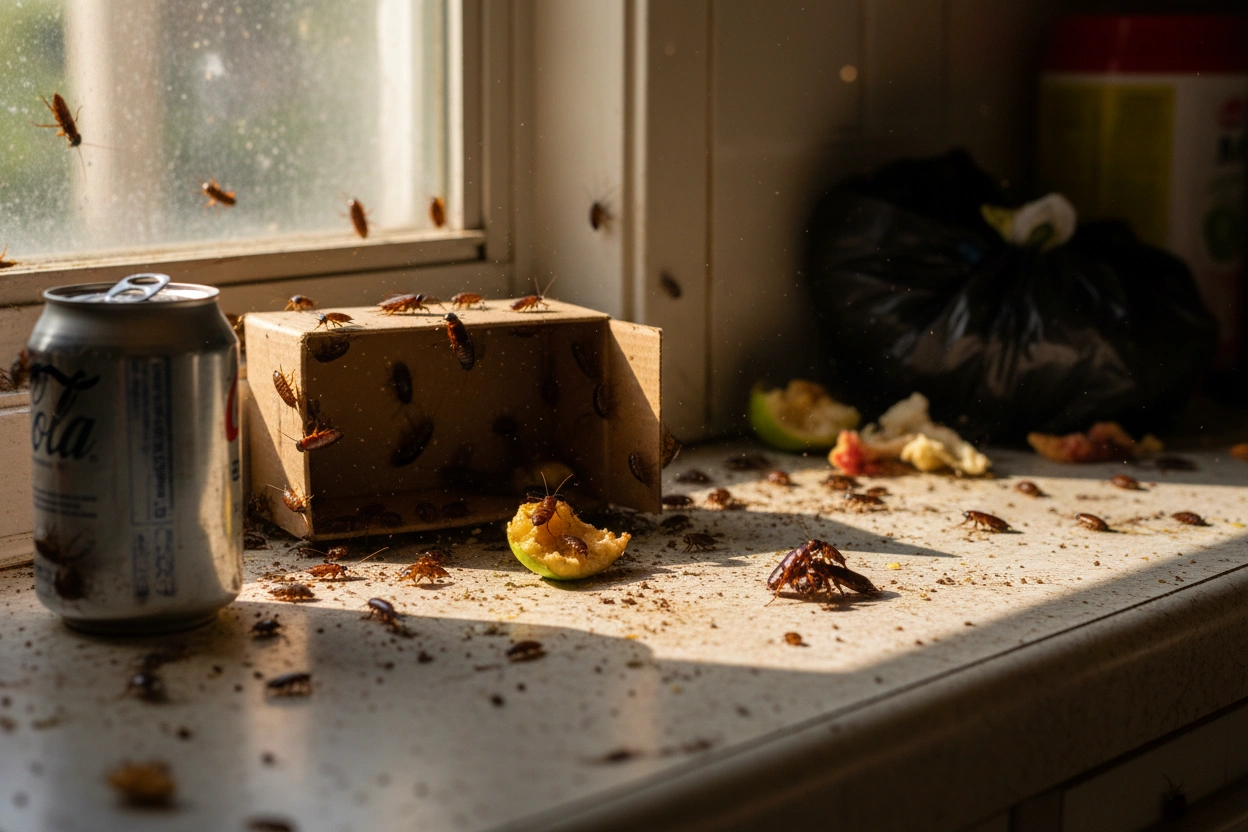
Summer temperatures create ideal conditions for breeding, significantly affecting cockroach populations. The warmth and humidity of summer not only enhance the cockroaches’ ability to thrive but also accelerate their reproduction rates. For instance, species like the German cockroach can produce several batches of offspring in a single season, with each egg case containing approximately 30 to 40 eggs. This exponential growth can lead to rapid infestations if not managed effectively.
Increased warmth leads to faster growth rates in cockroaches. The optimal temperature range for cockroach development is between 80°F to 90°F (27°C to 32°C). At these temperatures, their life cycle can be completed in as little as three months, compared to six months or longer in cooler conditions. This accelerated life cycle means that during summer, populations can grow unchecked, leading to significant pest control challenges for homeowners and urban environments alike.
Understanding the Cockroach Life Cycle
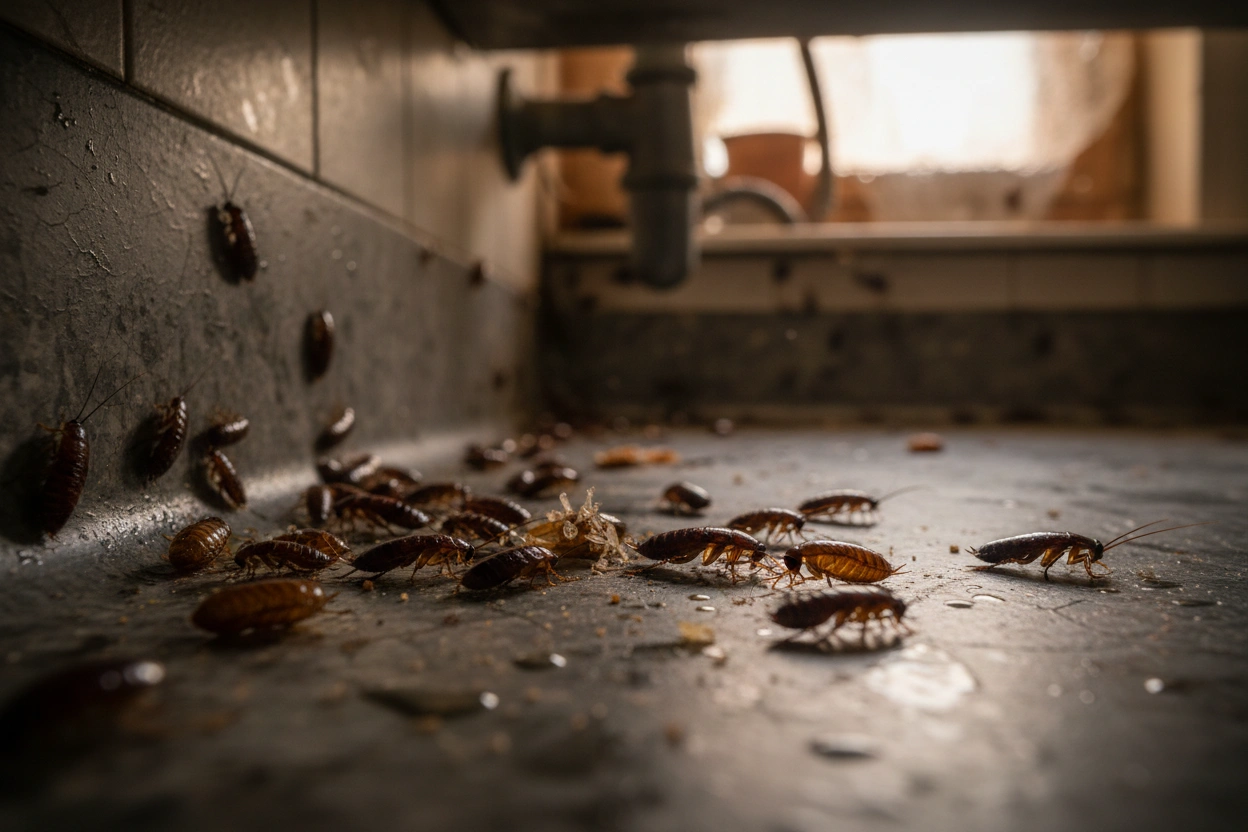
Cockroaches go through multiple life stages, which include the egg, nymph, and adult stages. Each stage’s duration is affected by environmental conditions, particularly temperature and humidity. Understanding the cockroach life cycle is crucial for effective pest management, as it allows for targeted interventions at various points in their development.
The average life cycle of a cockroach begins with the egg case, or ootheca, which is typically laid in hidden, warm areas. Once the eggs hatch, the nymphs emerge and resemble miniature adults, gradually maturing into full-grown cockroaches. The nymph stage can last anywhere from several weeks to a few months, depending on environmental factors. In warmer temperatures, this process is expedited, leading to more frequent sightings of these pests. Recognizing the signs of each life stage can help in implementing timely pest control measures.
Seasonal Behavior of Common Cockroach Species
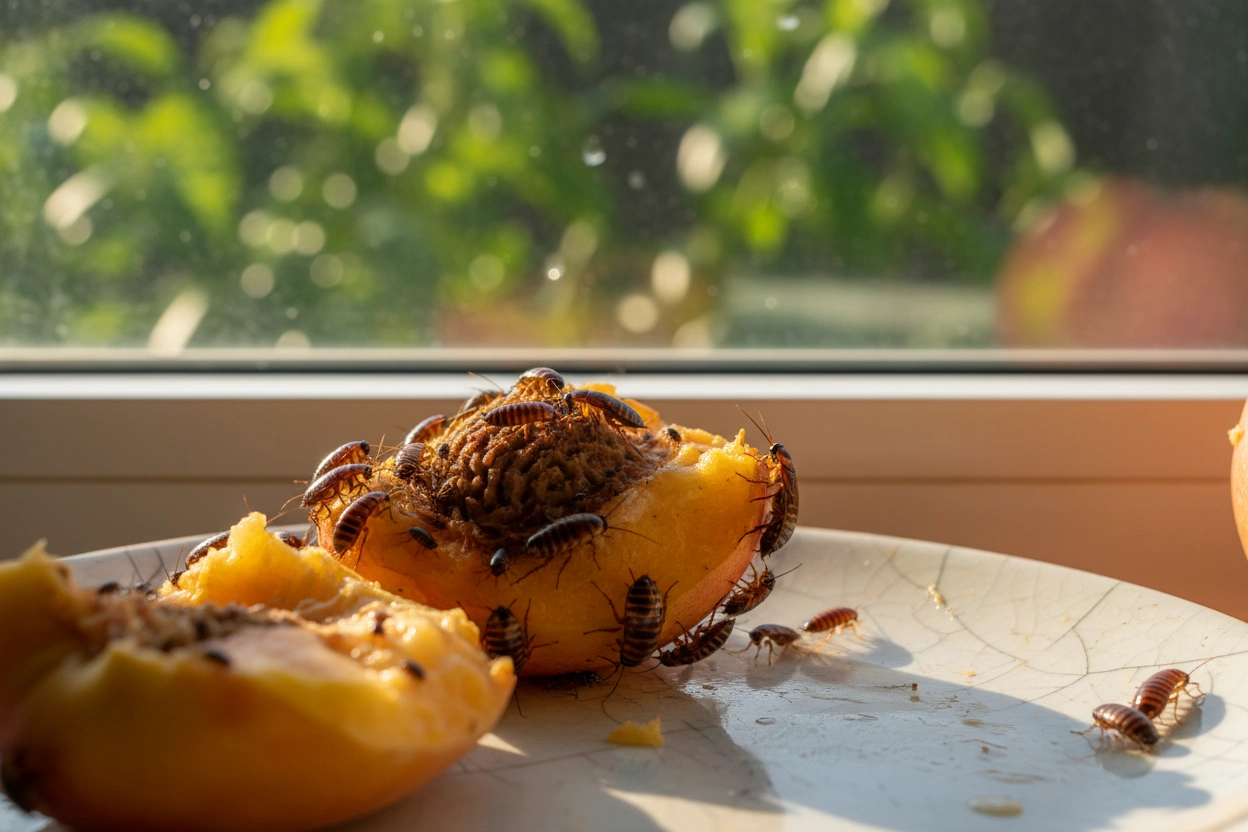
Different species of cockroaches exhibit distinct seasonal behaviors that can significantly influence their populations. The most common species found in urban environments include the German cockroach, American cockroach, and Oriental cockroach, each with unique habits and breeding patterns. Identifying these species can aid in targeted pest control efforts, ensuring that the right methods are applied to effectively manage infestations.
For instance, the German cockroach is notorious for its ability to reproduce rapidly and thrive in indoor environments. During summer, they tend to migrate towards kitchens and bathrooms, seeking food and moisture. In contrast, the American cockroach prefers warmer climates and is often found outdoors but can invade homes during hot weather. By understanding these behavioral patterns, homeowners can take proactive steps to prevent infestations, such as sealing entry points and maintaining cleanliness in high-risk areas.
Effective Pest Control Methods for Summer
Preventative measures are crucial during warmer months when cockroach activity peaks. Homeowners should adopt an integrated pest management (IPM) approach, combining various strategies to reduce the likelihood of infestations. Effective pest control methods for summer include:
-
Regular Cleaning: Keeping living spaces clean and free of food debris is essential. Cockroaches are attracted to crumbs and spills, so regular vacuuming and wiping down surfaces can deter them.
-
Sealing Entry Points: Inspecting and sealing cracks and crevices in walls, windows, and doors can prevent cockroaches from entering homes.
-
Moisture Control: Cockroaches thrive in humid environments, so fixing leaks and using dehumidifiers can create less hospitable conditions for them.
-
Professional Extermination: In cases of severe infestations, contacting pest control professionals can provide effective solutions tailored to the specific species and severity of the problem.
By implementing these methods, homeowners can significantly reduce the risk of cockroach infestations during the summer months.
The Importance of Urban Pest Management
Urban environments pose unique challenges for pest control, particularly concerning cockroach populations. High-density living conditions, combined with ample food sources and shelter, create ideal habitats for these pests. Community efforts can help minimize infestations and promote public health, making urban pest management a vital aspect of city living.
Effective urban pest management strategies include community awareness programs, where residents are educated about the signs of cockroach activity and the importance of maintaining cleanliness. Local governments can also play a role by implementing regular inspections and providing resources for pest control. Collaboration between residents and pest management services can lead to more sustainable solutions, ultimately reducing the prevalence of cockroaches in urban settings.
Summer Heat Can Accelerate Cockroach Activity
Warmer temperatures create ideal conditions for cockroaches to breed, feed, and expand their hiding spots inside walls, kitchens, and crawl spaces. As their life cycle speeds up in the summer, small problems can escalate quickly. Staying alert to early warning signs such as droppings, egg casings, or nighttime sightings helps prevent a manageable issue from becoming a widespread infestation. Consistent sanitation and sealing entry points are important, but established colonies often require targeted treatment to fully resolve.
If you are noticing increased roach activity during the warmer months or want to put a prevention plan in place before it worsens, Pest Patrol can inspect your property and recommend a customized solution. Contact Pest Patrol for a free quote and take proactive steps to keep your home protected throughout the summer.