

Have you ever wondered if bed bugs can simply disappear on their own? The thought might cross your mind when you notice the occasional bite or see a tiny bug scurrying across your mattress. However, the truth is far more complex than a simple wish for these pests to vanish. This article explores the myths and realities surrounding bed bugs, shedding light on their behavior, signs, and effective treatment methods.
The Reality Behind Bed Bug Infestations
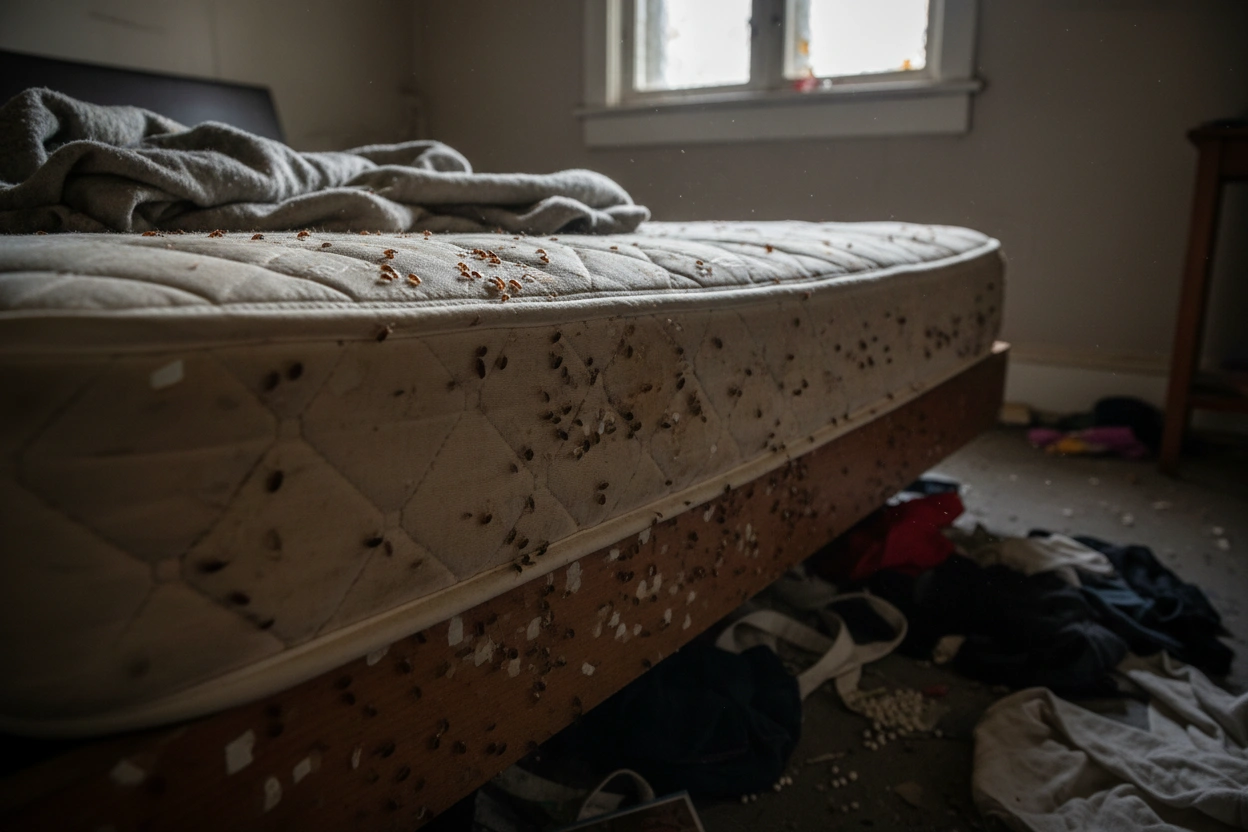
Bed bugs do not just vanish without intervention. These resilient pests are known for their ability to survive in a variety of environments and can go for months without feeding. Understanding their life cycle and behavior is crucial in grasping why they are unlikely to disappear on their own. Adult bed bugs can live for several months, and females can lay hundreds of eggs in their lifetime. This reproductive capacity ensures that once they infest a space, they can establish a strong presence, making eradication without proper treatment nearly impossible.
The persistence of bed bugs in environments is another critical factor to consider. They thrive in places where humans sleep, such as homes, hotels, and public transport. Their ability to hide in small crevices and their nocturnal nature makes them difficult to detect. Even if you believe you’ve seen the last of them, a few eggs or hidden adults can lead to a resurgence of the infestation. Therefore, the answer to the question “Do bed bugs ever go away on their own?” is a resounding no; they require targeted intervention to be effectively eliminated.
Identifying the Signs of Bed Bugs
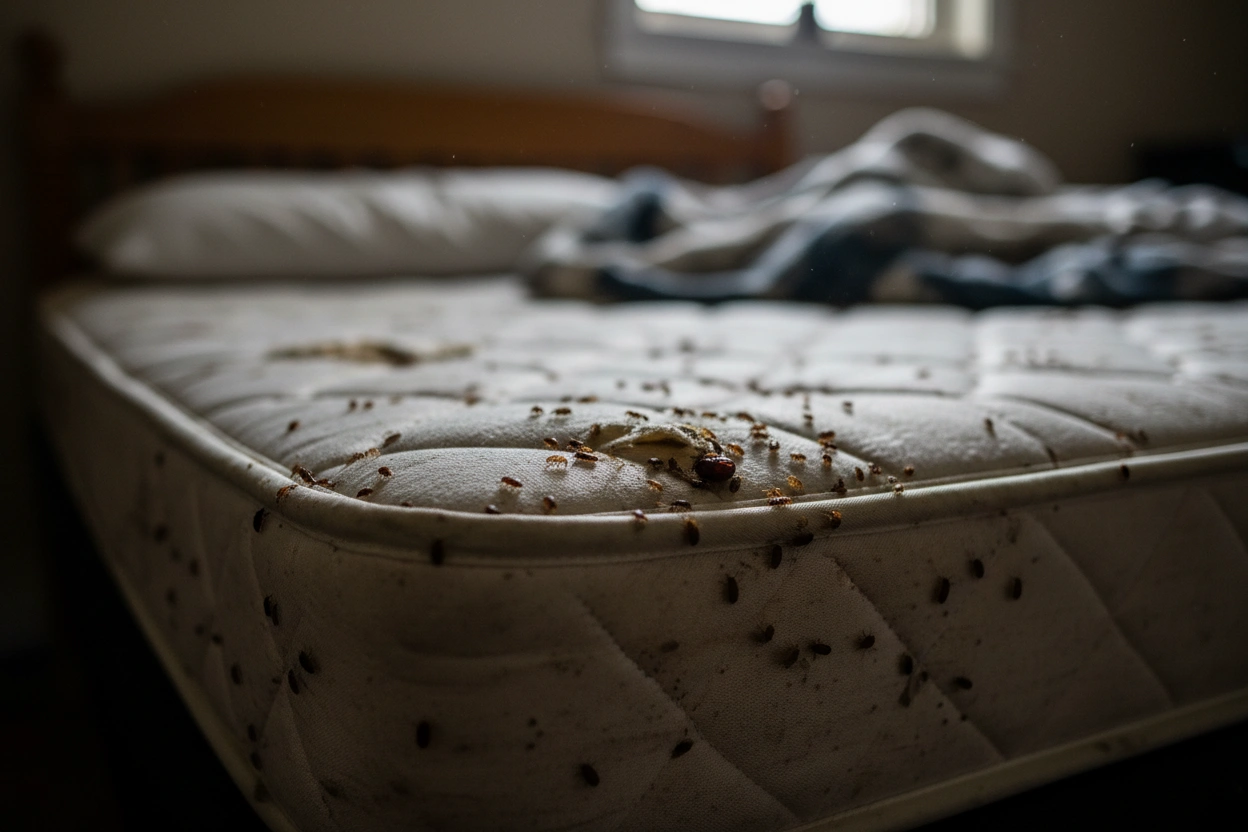
Recognizing bed bug bites and symptoms is essential for early detection and management. Bed bug bites typically appear as small, red, itchy welts on the skin, often in a line or cluster. These bites usually manifest within one to two days after being bitten, making it crucial to monitor your skin if you suspect an infestation. Additionally, some individuals may experience allergic reactions to the bites, leading to more severe symptoms such as swelling or even blistering.
Visual signs of an infestation can also aid in identification. Look for small, dark spots on bedding or furniture, which may be bed bug excrement. Shed exoskeletons, eggs, and live bugs are also telltale signs of an infestation. Inspecting common hiding spots, such as mattress seams, bed frames, and baseboards, can help confirm the presence of bed bugs. Understanding these signs is vital for addressing a potential problem before it escalates into a full-blown infestation.
Common Myths About Bed Bugs
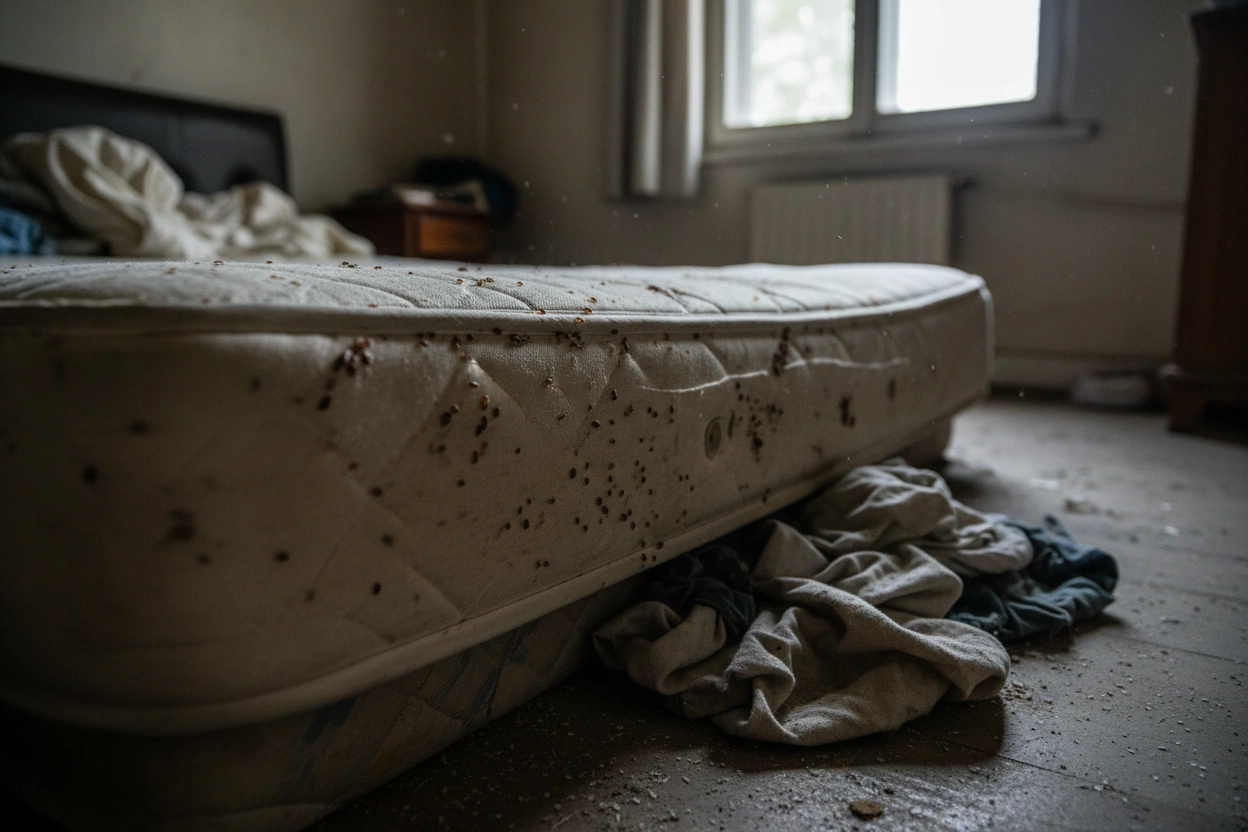
Dispelling the myth that bed bugs can disappear on their own is essential for effective pest management. Many people believe that simply cleaning or decluttering their home will eliminate bed bugs. While maintaining cleanliness is important, it does not address the root cause of an infestation. Bed bugs are not attracted to dirt; rather, they are drawn to warmth and carbon dioxide emitted by humans. This misconception can lead to inaction, allowing the problem to worsen.
Additionally, there are misconceptions about bed bug treatments. Some individuals may think that over-the-counter pesticides are sufficient for eradication. However, these treatments often fail to reach bed bugs hiding in cracks and crevices. Professional bed bug removal services are typically necessary to ensure complete eradication. Understanding these myths is crucial for homeowners to take the appropriate steps in managing bed bug infestations effectively.
Effective Bed Bug Treatment Options
There are several effective treatment methods for managing bed bug infestations. The most common approaches include chemical treatments, heat treatments, and physical removal strategies. Chemical treatments involve the use of insecticides specifically designed to target bed bugs. These can be effective but must be applied with caution and according to manufacturer guidelines to ensure safety and efficacy.
Heat treatments, on the other hand, involve raising the temperature of an infested area to levels lethal to bed bugs. This method can penetrate into walls and furniture, ensuring that even hidden bed bugs are eliminated. Physical removal strategies, such as vacuuming and laundering infested items, can also help reduce the population but should be used in conjunction with more comprehensive treatment methods.
The importance of professional bed bug removal cannot be overstated. Pest control experts are trained to identify the extent of an infestation and implement a tailored treatment plan. They have access to advanced technologies and methods that are not available to the average homeowner, making them invaluable in the battle against bed bugs.
Preventing Future Bed Bug Infestations
Preventing bed bugs in your home requires vigilance and proactive measures. One of the most effective strategies is to conduct regular inspections of your living spaces, especially after traveling or bringing in used furniture. When traveling, inspect hotel rooms for signs of bed bugs, such as dark spots on sheets and the presence of live bugs. Always store luggage away from the bed and on luggage racks when possible.
Another critical prevention tip is to seal cracks and crevices in your home. Bed bugs are adept at hiding in small spaces, so sealing potential entry points can help reduce their ability to infiltrate your living areas. Additionally, washing and drying bedding and clothing on high heat can kill any bed bugs or eggs that may be present. By taking these preventative steps, you can significantly reduce the risk of future infestations.
Understanding Bed Bug Management with Pest Patrol
The insights shared in this article illuminate the complexities surrounding the question of whether bed bugs ever go away on their own. The reality is that these pests require intervention to be effectively managed. Pest Patrol is dedicated to providing expert solutions tailored to your specific needs.
If you’re facing a bed bug issue or wish to prevent future infestations, don’t hesitate. Contact us today for professional assistance and ensure your home remains bed bug-free.