

Dealing With Pest Birds in Your House: Best Removal Methods for 2025
Encountering pest birds in your home can be frustrating, but understanding how to effectively deal with them is crucial for maintaining your space. Whether birds are nesting in eaves, roosting on signs, or leaving droppings on walkways, the practical steps you take determine both immediate safety and long term outcomes. This article provides a tactical, humane, and legally informed playbook for dealing with pest birds in your house so you can protect people, property, and reputation.
Effective pest bird control requires a blend of accurate identification, risk assessment, humane removal, and ongoing prevention. The guidance below combines field-tested techniques and regulatory considerations to help homeowners and business owners make defensible decisions. Each section offers actionable measures you can implement directly or use when vetting professional providers.
Identifying Common Pest Birds in Your Home
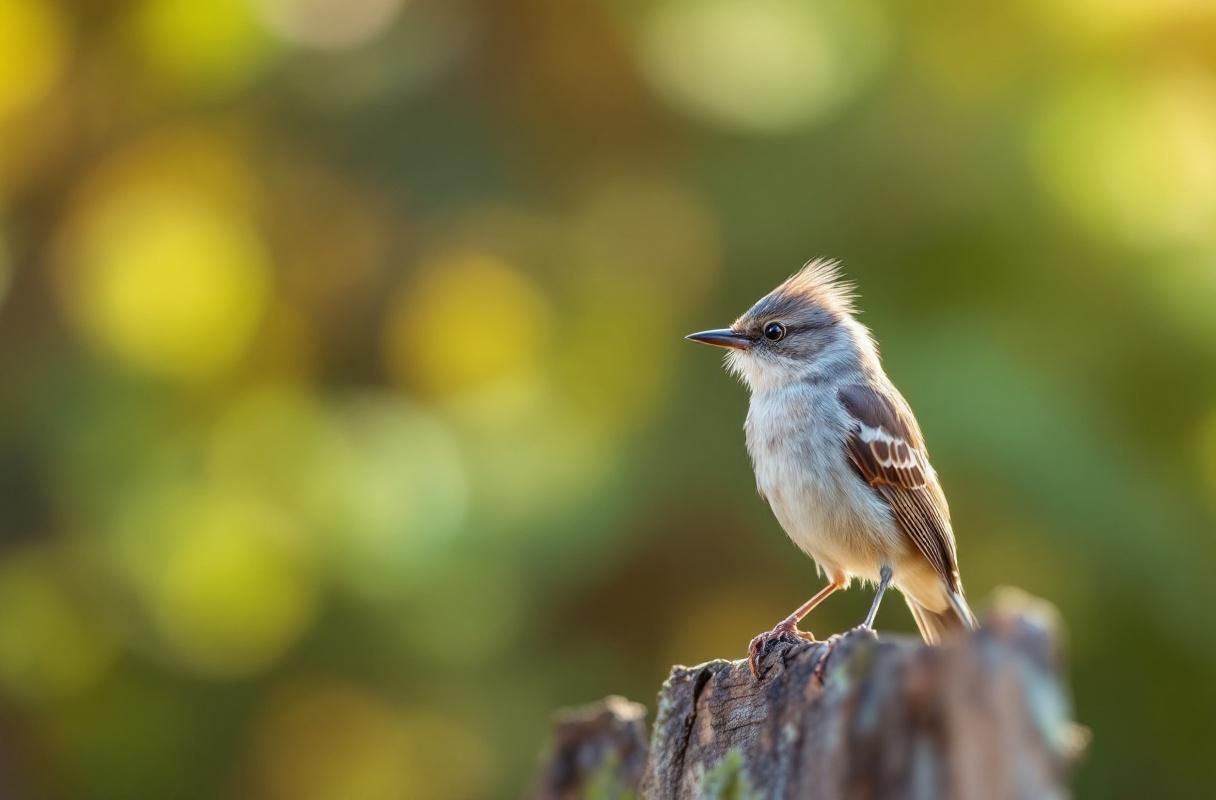
Accurate identification of species is the foundation of any effective approach to dealing with pest birds in your house. Different species bring distinct behaviors, nesting preferences, and legal protections, so a misidentification can turn an avoidable problem into a persistent one. Start by observing size, feeding behavior, preferred perches, and nesting materials to narrow down likely culprits.
House sparrows are among the most common species found near human structures and often cause repeated nuisance problems. These birds nest in small cavities, nest boxes, vents, and building crevices, and they can raise several broods in a single season when conditions are favorable. Their small size and aggressive territorial behavior around nesting sites make them frequent indoor invaders through attic vents, eaves, and gaps in siding.
House sparrows: characteristics and behavior
House sparrows are compact, social birds that thrive in urban and suburban environments that provide predictable food and shelter. They favor cavities and manmade structures for nesting and will quickly exploit any opening that provides warmth and protection. Their nesting materials are typically grasses, feathers, and bits of trash, and their nests can quickly accumulate debris that attracts other pests.
Recognizing pigeon issues
Pigeons, also called rock pigeons, create visible and recurring problems in built environments due to their size and roosting habits. Signs of a pigeon infestation include heavy droppings on ledges, audible cooing at dawn and dusk, accumulated nesting material on building ledges, and fecal staining along building facades. Pigeons tend to roost and nest in flat, sheltered horizontal spaces such as rooftop HVAC units, signs, and ornamental cornices.
Other common pest birds to watch for
Starlings, house finches, and swallows also appear frequently in and around buildings and can create targeted issues such as clogged gutters and noisy colonies. Starlings in particular will aggressively displace native species from nest cavities and can form large flocks that create concentrated mess and noise. Observing the time of day birds are active and their flight patterns helps refine control tactics.
Understanding the Risks of Pest Birds
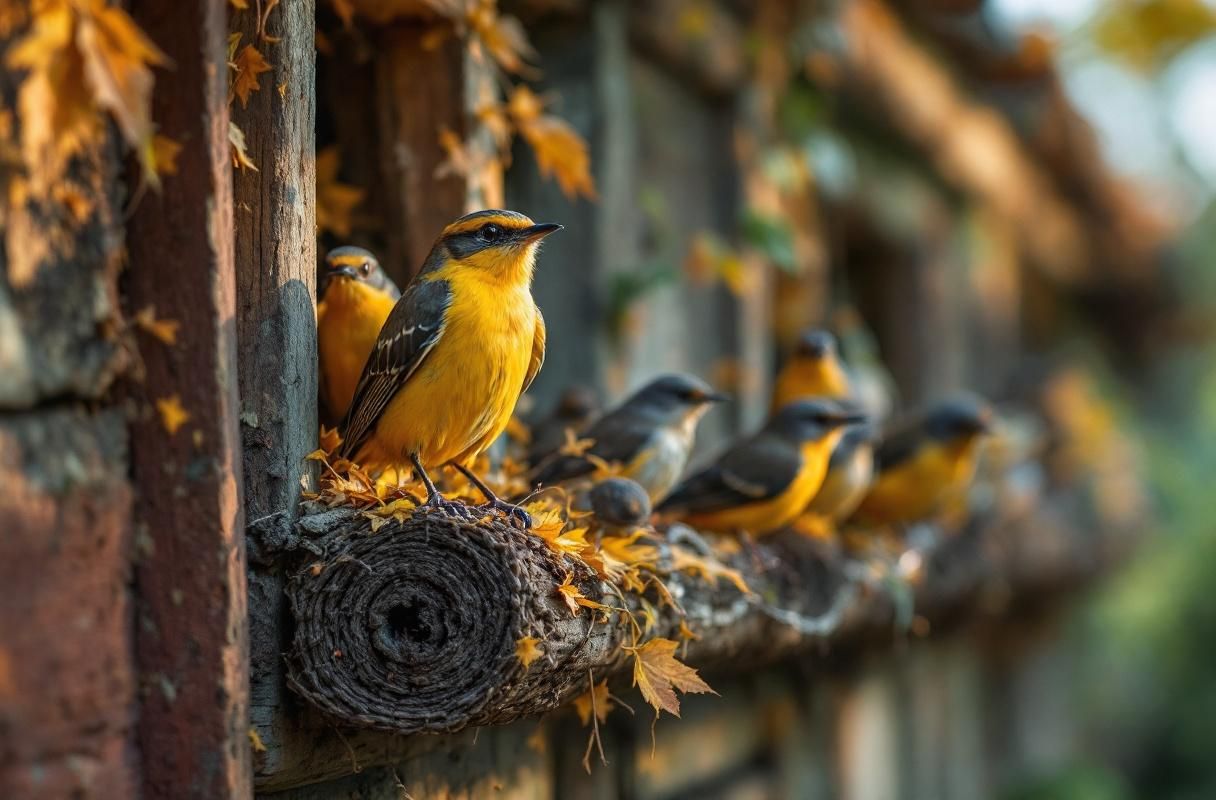
Assessing the risks pest birds present helps prioritize interventions and justify the costs of mitigation. Bird droppings are not merely an aesthetic problem; they can carry fungal and bacterial pathogens that become airborne when disturbed and pose inhalation risks to people working in affected areas. For businesses, contaminated areas can lead to regulatory scrutiny, sanitation failures, and reputational damage when customers encounter contaminated outdoor seating, entryways, or signage.
Property damage from pest birds is often progressive. Acidic droppings erode stone, metal, and painted surfaces, accelerating maintenance needs and replacement costs. Nesting material placed in ventilation intakes, electrical equipment, and gutters can cause clogged drains, reduced HVAC efficiency, and even fire risks when nests contact electrical components. These physical impacts increase operational costs and can trigger safety and compliance obligations in regulated industries.
Health hazards from bird droppings and nests
Bird droppings and dried guano can host fungal spores and bacteria that lead to respiratory illnesses when aerosolized, particularly in poorly ventilated areas. Nest materials often harbor mites, ticks, and other arthropods that transfer to indoor spaces and create secondary pest issues. Safe handling and remediation require proper personal protective equipment, containment, and sanitation protocols to limit exposure for building occupants and maintenance staff.
Property damage concerns and common patterns
Areas beneath roosting sites typically show the earliest signs of damage, including staining, surface erosion, and accelerated deterioration of roofing and façades. Nesting in gutters and downspouts results in water overflow and wood rot, and nests in mechanical equipment reduce operational life and increase energy consumption. Regular inspections focused on these vulnerable zones let you act before damage escalates.
Business risks and regulatory exposure
Commercial properties face additional stakes because visible bird activity can undermine customer confidence, trigger public health inspections in food service operations, and create liability exposures for slip hazards. Establishing documentation of inspections and mitigation actions is important for both internal risk management and regulatory compliance.
Effective Strategies for Bird Control
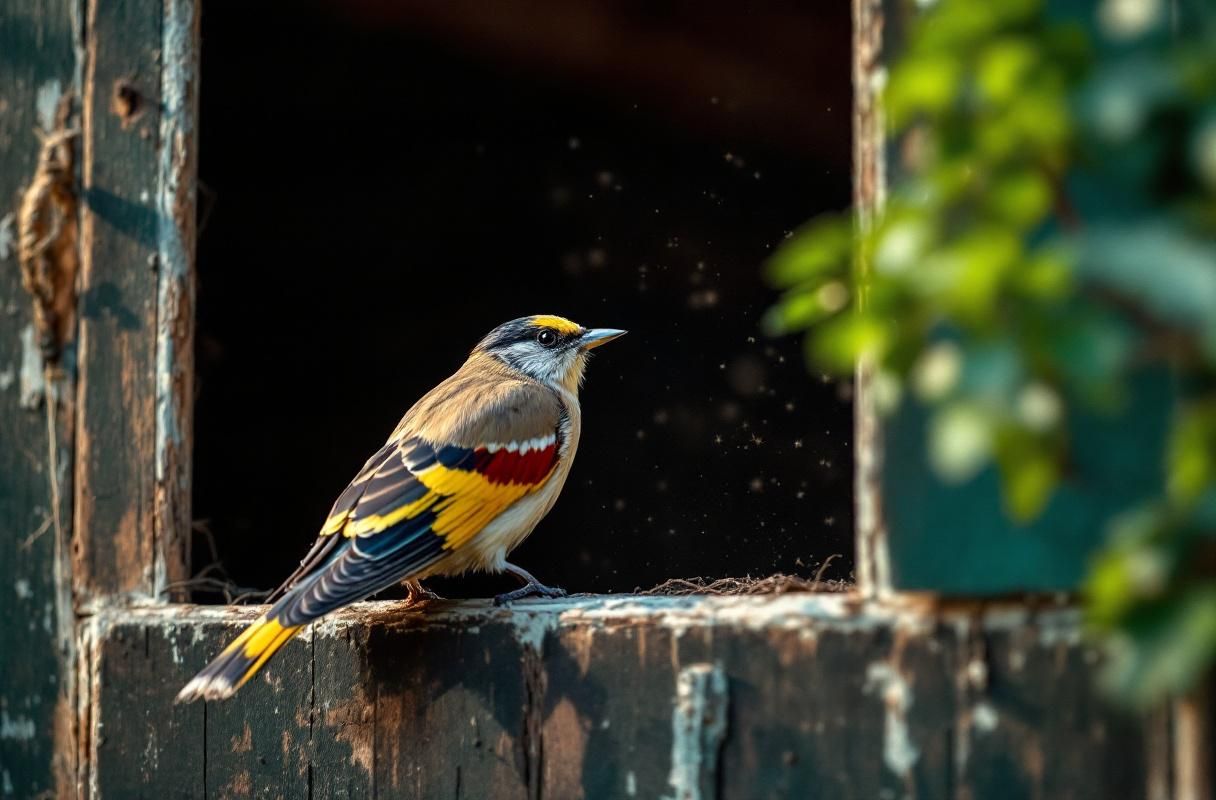
A humane, evidence based approach to pest bird control favors exclusion and deterrence over lethal measures. Exclusion and habitat modification reduce the attractiveness of sites, while targeted deterrents address persistent roosting. For many species and situations, combining multiple nonlethal methods yields the most reliable results and aligns with both ethical considerations and legal requirements.
When birds have already nested inside a structure, safe removal must follow legal protections and seasonal constraints for breeding birds. Many common nuisance species are protected under migratory bird regulations in various jurisdictions, prohibiting removal of active nests containing eggs or young. Understanding local laws and adopting humane timing and techniques reduces legal risk and improves the likelihood of permanent control.
Humane bird removal options
Humane removal centers on exclusion and safe eviction techniques that avoid harm and minimize stress to birds. Common options include exclusion netting to block access points, one way doors that allow adult birds to leave but not reenter when nests are empty, and manual nest removal only when nests are confirmed inactive. For rooftop and ledge problems, physical deterrents such as discreet netting or angled barriers prevent roosting without harming birds.
Non-lethal deterrents and their uses
A variety of non-lethal deterrents provide behavioral cues that discourage birds from returning to favored sites. Visual deterrents such as reflective tapes, predator decoys, or dynamic flags can reduce roosting for some species on exposed surfaces. Auditory deterrents and bioacoustic playback systems play distress or alarm calls to encourage dispersal, though habituation reduces effectiveness if used alone. Physical systems such as bird spikes, sloped ledges, and low voltage track systems create uncomfortable perching conditions that shift birds elsewhere.
Integrated pest bird control planning
An integrated plan sequences actions to ensure lasting results by addressing immediate infestation, eliminating attractants, and implementing durable exclusions. Begin with an assessment, implement humane eviction or exclusion, clean and sanitize contaminated areas, and then install long term barriers and monitoring. Documenting each step supports ongoing maintenance schedules and simplifies communication with tenants, staff, and regulators.
Safe nest removal: a step-by-step guide
- Confirm that nests are inactive and free of eggs or young.
- Wear appropriate personal protective equipment including respiratory protection, gloves, and eye protection.
- Carefully remove nest material and debris, placing material in sealed containers to prevent spread of parasites.
- Decontaminate the area using appropriate cleaning agents and follow local disposal guidance for biological waste.
- Seal entry points and install exclusions to prevent reoccupation.
Long-Term Solutions for Outdoor Bird Management
Long term success in outdoor bird management relies on altering the environment so it becomes unattractive to pest birds. Removing food and water sources, modifying landscaping, and sealing potential nesting sites encourage birds to relocate to natural habitats instead of human structures. This ecological approach reduces recurring costs and minimizes the need for disruptive interventions.
Landscape design decisions have a strong influence on bird preferences. Selecting plant species that do not produce persistent berries, locating landscaping away from building eaves, and avoiding open compost piles near building entries reduce foraging incentives. Structural modifications such as trimming overhanging branches, installing slope covers on ledges, and retrofitting vulnerable surfaces with bird proofing materials offer durable prevention without continuous active management.
Creating an unfriendly environment for birds
Reducing food availability includes securing dumpster lids, using bird resistant waste containers, and adopting siting rules for outdoor dining and smoking areas. Water removal includes repairing leaks and eliminating standing water in trays and planters. Regular maintenance that removes accessible nesting materials cuts off resources birds need to remain in place.
Landscape and architectural modifications
Design changes that reduce perching and nesting opportunities include replacing wide flat ledges with sloped coping, using decorative metal or polycarbonate covers, and applying netting to open rafters or eaves. Choosing hardscaping near entrances rather than berry producing shrubs reduces bird congregation. These interventions balance aesthetics with functionality for commercial properties.
Monitoring, maintenance, and seasonal adjustments
Ongoing inspections timed to breeding cycles allow early detection of new nesting attempts and ensure deterrents remain effective after weather events. Implementing a maintenance schedule that includes seasonal cleaning, reattachment of netting or spikes, and verification of seals around vents and ducts keeps systems resilient. Data driven monitoring, such as counts of bird activity and photographic records, supports budget planning for replacements and upgrades.
Professional Help: When to Call in Experts
Professional intervention is appropriate when infestations exceed what routine maintenance can handle or when health risks and structural damage present significant liability. Professionals bring specialized tools, training, and legal knowledge that protect building occupants and ensure compliance with wildlife protection laws. For complex situations such as rooftop HVAC infestations, large colonial roosts, or recurrent winged intrusions, a licensed provider delivers faster, safer outcomes.
Hiring a trained provider also speeds recovery after contamination events. Comprehensive services include assessment and mapping of entry points, humane eviction strategies, safe cleanup and sanitation of droppings, and targeted exclusion installations backed by maintenance plans.
Identifying when DIY is insufficient
Professional help is wise when bird activity is widespread, when birds are nesting in mechanical equipment, when droppings cover large areas, or when staff health reports point to respiratory exposure. Homeowners and businesses should call in experts when local regulations or industry standards require documented remediation practices, or when repeated DIY fixes have failed to break the infestation cycle.
Benefits of hiring humane bird removal specialists
Specialists provide validated removal methods that minimize risk to people and wildlife, carry insurance that protects clients, and often have access to materials and systems not easily sourced by property owners. They also navigate permit requirements and migratory bird protections, reducing legal risk. For commercial properties, professionals deliver documentation and service records that support regulatory audits and insurance claims.
Choosing a reputable provider
Select providers that demonstrate experience with humane bird removal, provide clear methods and materials, and can supply a written plan that outlines exclusion, cleanup, and follow up. Confirm insurance coverage, training credentials, and familiarity with local wildlife laws. Ask for a detailed scope of work, timelines, and maintenance agreements rather than accepting one time fixes.
What to expect from professional services
A professional engagement typically begins with an on site assessment and a prioritized action plan that balances immediate risks and longer term prevention. Execution includes humane eviction or exclusion, thorough cleaning and sanitation using industry standard protocols, and installation of long term deterrents with a maintenance schedule. Pest Patrol offers monitoring visits to confirm that birds have not reestablished roosts.