
Pest problems can devastate your restaurant or retail business faster than you’d expect. A single sighting triggers immediate trust erosion, with over 75% of customers refusing to return. Smartphone videos spread virally within minutes, creating permanent searchable records that compound regulatory scrutiny and health code violations. Customers interpret pest incidents as systemic operational failures, not isolated accidents. Understanding the full scope of this risk — and how to prevent it — starts here.
Key Takeaways
-
A single pest sighting causes immediate trust erosion, with over 75% of customers refusing to return after witnessing one.
-
Smartphone videos of pest incidents spread virally within minutes, creating permanent searchable records that deter future customers.
-
Pest-related health code violations become publicly available, signaling systemic operational failures and directly undermining consumer confidence.
-
Negative pest-related reviews permanently affect search results, making it difficult for businesses to rebuild their damaged reputation.
-
Proactive integrated pest management and swift responses to concerns help maintain customer trust and demonstrate operational discipline.
Why One Pest Sighting Can Destroy Customer Trust
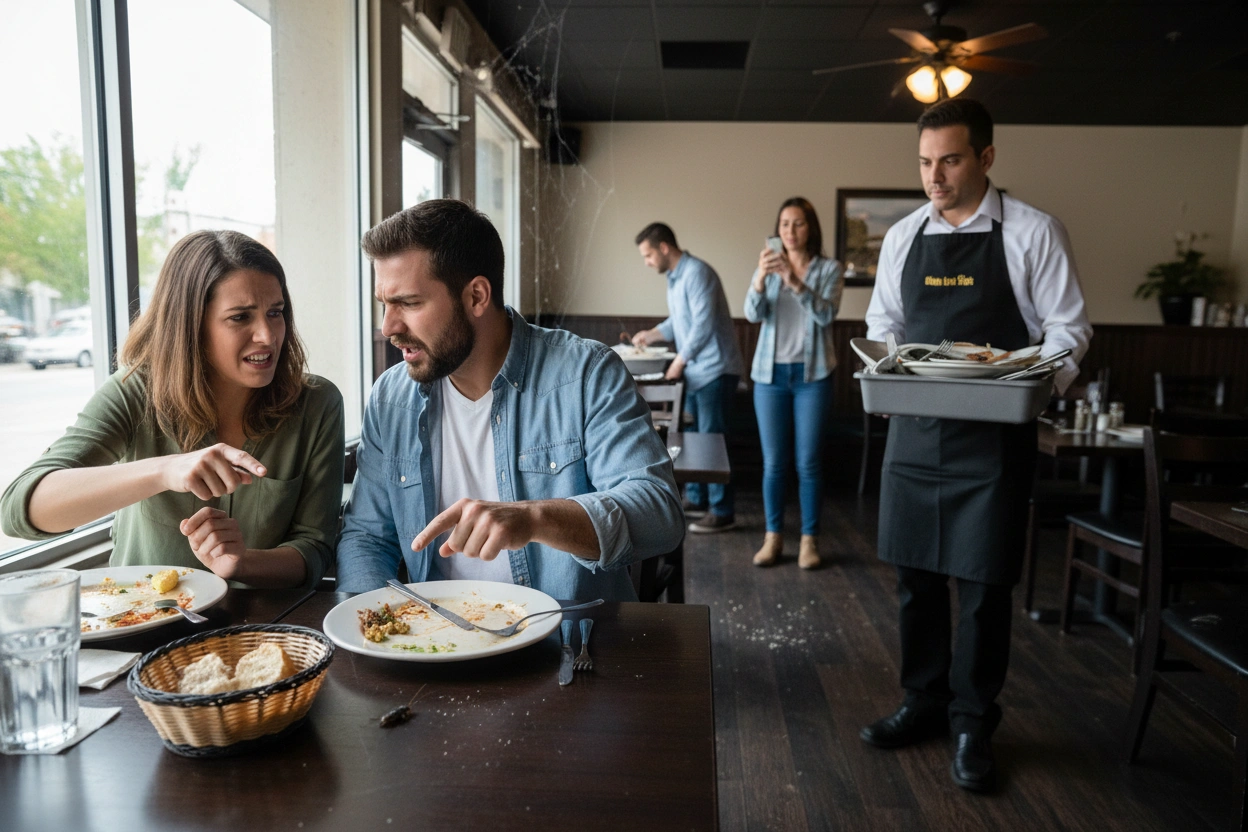
When a customer spots a cockroach scurrying across your kitchen floor or a mouse darting behind a display case, the damage to your business’s reputation is almost instantaneous.
Pest perception operates on a zero-tolerance basis — customers don’t distinguish between an isolated incident and a systemic infestation. A single sighting triggers trust erosion that spreads rapidly through online reviews, social media posts, and word-of-mouth conversations.
Research consistently shows that over 75% of customers won’t return after witnessing a pest in a food or retail environment. You can’t afford to treat pest control as a reactive measure.
Regulatory violations, failed inspections, and public health citations compound the reputational fallout, making prevention your only viable operational strategy.
How Pest Problems Go Viral on Social Media
When a customer captures a pest sighting on their smartphone, that single moment can reach thousands of followers within minutes, triggering a cascade of shares, comments, and reactions that you can’t retract.
Platforms like Instagram, TikTok, and X amplify these incidents exponentially, transforming a localized pest problem into a nationally visible brand crisis.
Hashtags such as #RatSighting or #RoachAlert function as searchable, permanent records that aggregate complaints, making your establishment’s pest failures persistently discoverable to prospective customers.
Viral Pest Sightings Spread
A single smartphone video of a rodent scurrying across a restaurant floor can accumulate thousands of shares within hours, triggering a public relations crisis that no amount of advertising spend can quickly reverse.
You’re operating in an environment where viral marketing works against you the moment a customer captures verifiable evidence of a pest infestation.
Platform algorithms prioritize high-engagement content, meaning pest sighting videos reach exponentially broader audiences than your promotional materials ever will.
Consumer perception shifts rapidly and permanently following such exposure, with studies indicating that 75% of viewers won’t revisit an establishment after watching pest-related content.
You must implement documented inspection protocols, staff training records, and licensed pest management contracts to demonstrate regulatory compliance before an incident occurs—not after reputational damage has already spread.
Hashtags Amplify Pest Incidents
Beyond raw video views, hashtags function as organizational infrastructure that transforms isolated pest sightings into searchable, indexed campaigns against your business.
When customers tag posts with location-specific or brand-specific hashtags, they’re building a permanent, discoverable archive of your pest incidents that compounds your hashtag impact exponentially.
Consider what aggregated hashtag activity enables:
-
Search indexing: Platforms prioritize hashtagged content, making your pest incident retrievable months after the original post.
-
Community amplification: Users join existing hashtag threads, accelerating social media reach beyond the original poster’s network.
-
Regulatory attention: Health inspectors and journalists actively monitor trending location-tagged complaints.
You can’t control user-generated hashtags once they circulate.
Proactive pest management documentation and rapid incident response protocols remain your only legitimate countermeasures against hashtag-driven reputation damage.
Why Restaurants and Retailers Face the Steepest Reputational Risk
When you operate a restaurant or retail space, you’re managing one of the highest-risk environments for pest-related reputational damage because your facility’s interior is routinely visible to the public, health inspectors, and food safety regulators simultaneously.
A single documented pest sighting triggers scrutiny across multiple regulatory frameworks—FDA food safety codes, local health department standards, and USDA guidelines—making your compliance exposure exponentially greater than in non-public-facing industries.
Social media then amplifies that exposure instantly, converting a localized inspection failure or customer photograph into a viral liability that your brand may not recover from without significant remediation effort.
High-Traffic Visibility Risks
Restaurants and retailers operate in environments where pest sightings carry immediate, compounding consequences that other industries rarely face. High traffic areas amplify visibility concerns exponentially—a single cockroach spotted during peak dining hours reaches dozens of witnesses simultaneously. Your exposure isn’t limited to one dissatisfied customer; it multiplies across social networks within minutes.
Consider what accelerates reputational damage in these settings:
-
Open food handling zones create observable contamination risks that customers directly associate with health code violations.
-
High customer turnover means more witnesses, more smartphone cameras, and faster social media escalation.
-
Regulatory inspection schedules align with operational hours, increasing the probability of documented violations during peak visibility windows.
You can’t afford to treat pest control as a reactive measure when your exposure is this structurally embedded.
Food Safety Scrutiny
Food safety scrutiny operates on a different severity scale than general reputational damage—it triggers regulatory consequences, not just customer complaints. When inspectors find pest evidence in food handling areas, you’re not facing a negative review—you’re facing citations, mandatory closures, and potential license revocation.
Restaurants and retailers operate under stricter hygiene standards than most industries because contaminated product reaches consumers directly. A single rodent dropping near food storage doesn’t just embarrass your brand—it constitutes a public health violation.
Regulatory agencies publish inspection results publicly, meaning your compliance failures become permanent, searchable records. You can’t manage this risk through reputation alone. Customers cross-reference health department scores before dining.
Once food safety violations attach to your business name, rebuilding consumer confidence requires documented corrective action, not marketing efforts.
Social Media Amplification
A single photo of a cockroach on a dining table can reach tens of thousands of people before you’ve finished your dinner service. Social media monitoring isn’t optional—it’s operationally critical.
Viral pest incidents typically trigger:
-
Immediate review bombing across Google, Yelp, and TripAdvisor, compounding regulatory inspection records
-
Health authority scrutiny, as inspectors increasingly track social complaints as enforcement triggers
-
Permanent digital documentation that surfaces in search results for years post-incident
Your customer engagement strategy must include rapid response protocols that acknowledge issues transparently while demonstrating corrective action.
Regulators and consumers now cross-reference social posts against official inspection reports, creating a dual accountability structure. One unmanaged pest sighting can collapse years of brand equity within 48 hours.
The Real Cost of Pest-Related Negative Reviews
When a pest-related review surfaces online, the damage extends far beyond a single dissatisfied customer. Research consistently shows that customer perceptions shift dramatically after reading pest-related complaints, with potential patrons actively avoiding your establishment.
You’re not just losing one sale—you’re triggering a compounding revenue loss that’s difficult to reverse without strategic reputation management.
Consider the measurable impact: a one-star rating drop on platforms like Yelp can reduce revenue by 5–9%. Pest mentions specifically carry heavier weight than general complaints because they implicate health code compliance and regulatory standing.
Health departments monitor review platforms, meaning negative pest-related feedback can prompt inspections. Your response protocol, review monitoring systems, and proactive pest control documentation aren’t optional—they’re essential financial and regulatory safeguards that directly protect your bottom line.
What Health Code Violations Tell Your Customers
Beyond the revenue implications of negative reviews, health code violations send a distinct and damaging signal to your customers—one that’s harder to walk back than a bad Yelp rating.
Health violations don’t just reflect a single bad day—they signal systemic failure in your cleanliness standards and operational discipline.
Customers interpret posted violations through a specific lens:
-
Negligence: You knew the regulations and ignored them
-
Risk: Your space poses a direct threat to their health
-
Distrust: Compliance awareness wasn’t part of your culture
Customer perception shifts permanently when regulatory records become public.
Health department inspection scores are searchable, shareable, and permanent.
Once customers connect your business to documented violations, rebuilding trust requires far more than a deep clean—it demands demonstrated, sustained compliance.
Pest Prevention Strategies That Protect Customer Loyalty
Protecting customer loyalty starts before a single pest enters your facility—integrated pest management (IPM) gives you the operational framework to prevent infestations rather than react to them.
Deploy layered pest control methods: seal structural entry points, enforce strict sanitation protocols, schedule regular third-party inspections, and maintain documented monitoring logs regulators can audit.
Train staff to identify early infestation indicators and report them immediately through a clear internal chain of command.
Monitor customer feedback channels—online reviews, comment cards, and direct complaints—as early-warning systems that often surface pest sightings before your inspections do.
When customers flag concerns, respond swiftly, document corrective actions, and close the loop publicly.
Consistent, proactive execution across these measures signals operational discipline that builds lasting customer trust.
Frequently Asked Questions
How Long Does It Take to Rebuild Trust After a Pest Incident?
You’ll typically need 6–12 months to achieve meaningful trust recovery after a pest incident. Rebuilding customer loyalty demands you implement verified pest control protocols, transparent communication, and consistent regulatory compliance to demonstrate long-term operational integrity.
Are Certain Pest Species More Damaging to a Brand’s Reputation?
Yes, certain pests devastate your brand more severely. Cockroaches and rodents trigger immediate negative consumer perception due to high pest visibility, rapidly destroying brand loyalty and signaling critical infestation severity that regulators and customers won’t easily forgive.
Do Pest Problems Affect Employee Morale and Staff Retention Rates?
Yes, pest problems directly damage employee engagement and workplace hygiene standards, making your staff feel unsafe and undervalued. You’ll notice increased absenteeism and turnover as employees lose confidence in management’s commitment to maintaining a compliant, sanitary work environment.
Can Pest Issues Impact a Business’s Ability to Secure Insurance?
Yes, pest issues can jeopardize your insurance coverage. Insurers conduct risk assessments that flag infestations, potentially raising your insurance premiums or causing policy denials, leaving your business financially vulnerable to pest-related liabilities and regulatory violations.
How Do Franchises Handle Pest-Related Reputation Damage Across Multiple Locations?
When managing franchise protocols, you’ll enforce system-wide pest control standards, conduct regular audits, and activate reputation management plans swiftly. You’re protecting brand equity across all locations by isolating incidents and communicating transparently with regulatory bodies and customers.
Conclusion
You can’t afford to treat pest control as an afterthought. A single sighting triggers health code scrutiny, viral reviews, and permanent customer loss. You’re responsible for implementing integrated pest management protocols, maintaining documentation for regulatory inspections, and scheduling routine licensed contractor assessments. Your compliance record directly determines customer confidence. Act proactively—because once trust erodes, no amount of marketing recovers what a cockroach or rodent sighting costs you.