
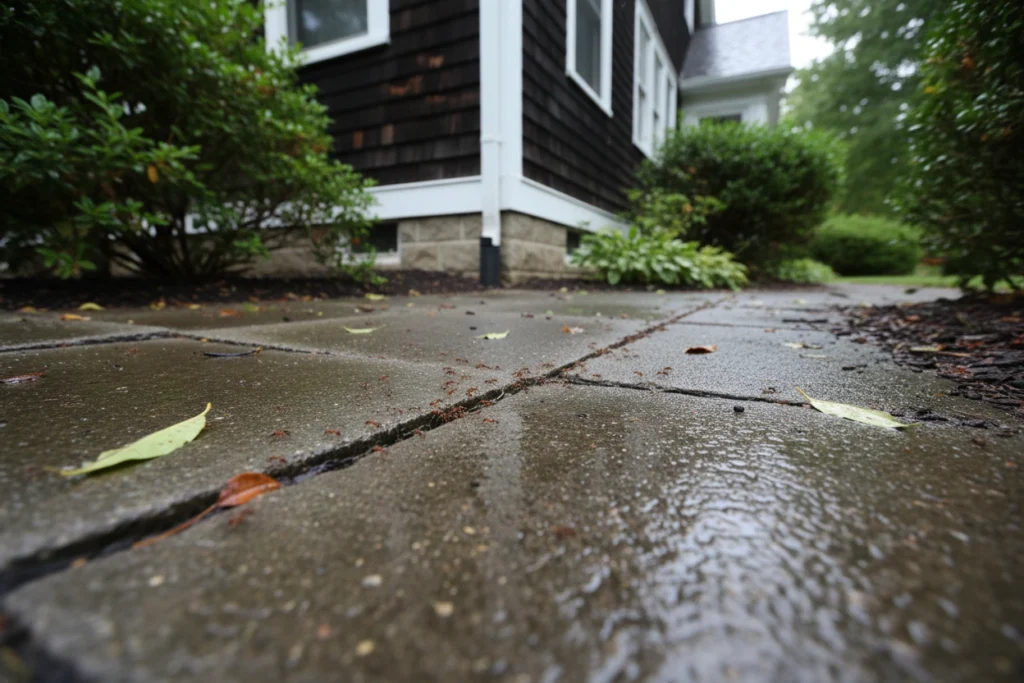
When heavy rain saturates Salem’s soil, it displaces oxygen inside ant tunnels, forcing entire colonies to evacuate. Your home becomes an ideal refuge because it offers the dryness and warmth ants desperately need. Post-storm moisture near your foundation makes the problem worse by attracting even more activity toward your structure. Understanding exactly how this process unfolds — and which ant species are involved — will help you protect your home more effectively.
Key Takeaways
-
Heavy rain saturates Salem’s soil, forcing entire ant colonies to evacuate flooded tunnels and seek dry shelter in nearby homes.
-
Homes offer ideal post-storm refuge, providing the warmth, dryness, and food sources that displaced ant colonies urgently need.
-
Foundation cracks, warped door frames, and unsealed utility penetrations give ants easy entry points into Salem homes after rain.
-
Common Salem species like odorous house ants and carpenter ants become especially active and invasive following prolonged wet weather.
-
Post-storm moisture lingering around Salem structures continues attracting ants even after rain stops, extending the period of increased activity.
Why Rain Forces Ants Out of the Ground
When heavy rain saturates the soil, water fills the air pockets within ant tunnels, effectively displacing the oxygen ants need to survive. This forces entire colonies to evacuate quickly, driving workers and queens toward drier surfaces — including your home’s foundation, walls, and interior spaces.
Ant behavior shifts dramatically during prolonged wet conditions. Colonies don’t simply wait out the flooding; they actively relocate to survive. Your home presents an ideal refuge because it offers both dryness and warmth.
Moisture attraction also plays a role post-storm. As water pools near your foundation or seeps through cracks, it signals ants toward your structure even after rainfall stops.
Understanding this biological response helps you anticipate why ant pressure intensifies following wet weather and why proactive treatment becomes essential.
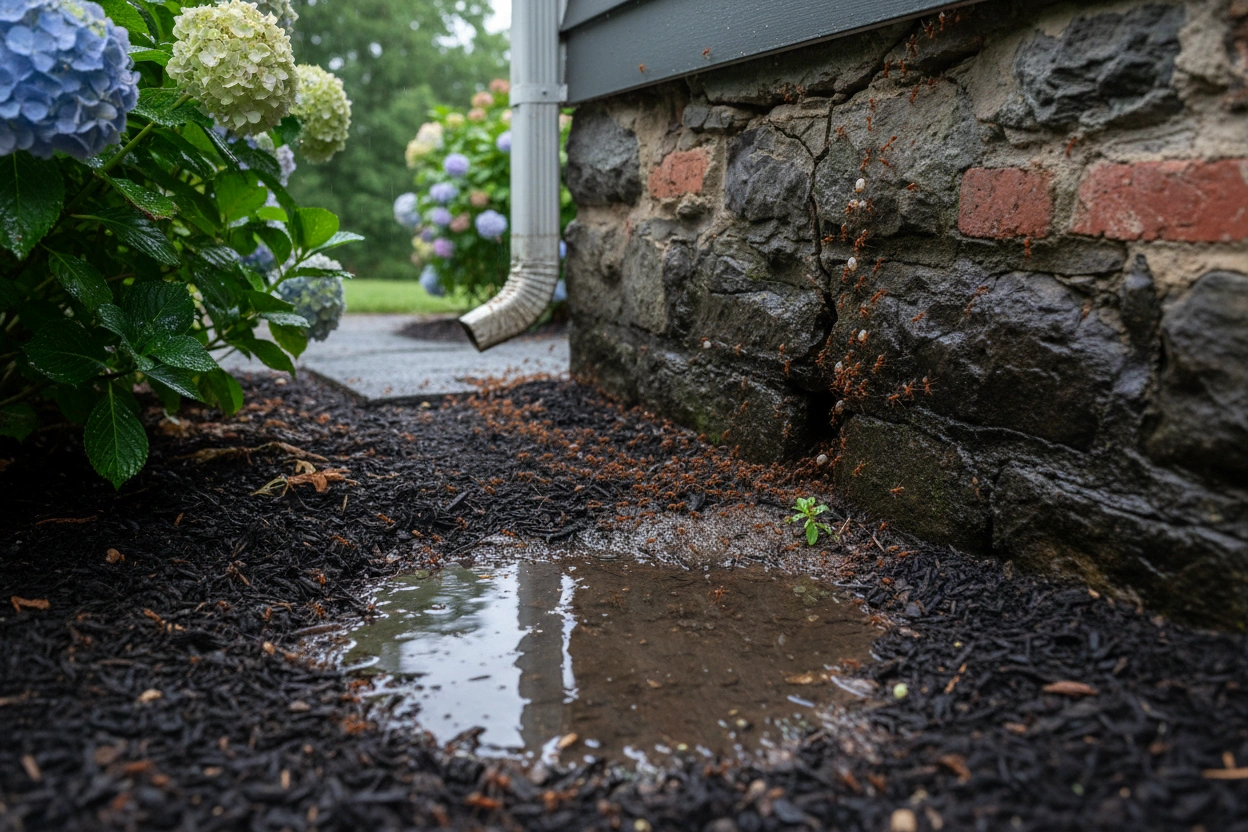
Where Ants Enter Salem Homes When It Rains
Knowing why ants move toward your home is only half the picture — you also need to know exactly where they get in.
Moisture attraction pulls ants toward specific ant entryways that you might overlook during dry conditions. After rain, watch these three vulnerable spots:
-
Foundation cracks and gaps — Water seeps into hairline fractures, softening soil and creating direct access points at ground level.
-
Door and window frames — Warped or unsealed frames create small openings that ants exploit immediately after saturation.
-
Utility penetrations — Pipe entry points, conduit openings, and wire pass-throughs often lack proper sealing, giving ants a direct interior route.
Inspecting these areas after heavy rainfall lets you identify exactly where colonies are breaching your home’s perimeter.
Which Salem Ant Species Show Up After Rain
Not all ant species respond to rainfall the same way, and identifying which ones are active in Salem helps you respond accurately.
Species identification directly shapes your treatment approach and prevention strategy.
Pavement ants typically emerge after rain to relocate saturated nests near driveways and sidewalks.
Odorous house ants, named for their coconut-like scent when crushed, frequently invade kitchens following wet weather.
Carpenter ants seek moisture-damaged wood inside structures, making post-rain inspections critical.
Field ants relocate mounds after heavy soil saturation.
Understanding ant behavior specific to each species lets you distinguish a temporary foraging event from an active infestation requiring professional intervention.
Misidentifying the species leads to ineffective treatment.
If you’re unsure which ant you’re dealing with, a pest control professional can provide accurate species identification quickly.
How Salem Homeowners Can Seal Their Homes Before It Rains
Sealing your home before rain arrives gives you a structural advantage that reduces ant entry considerably. Applying these preventive measures before wet weather hits strengthens your home’s perimeter against foraging ants.
Use these sealing techniques systematically:
-
Caulk foundation gaps and wall penetrations — Apply silicone-based caulk along utility entry points, pipe penetrations, and basement wall cracks where moisture and ants enter simultaneously.
-
Install or replace door sweeps — Worn door sweeps create ground-level gaps that ants exploit during rain-driven displacement events.
-
Weatherstrip windows and door frames — Compression weatherstripping eliminates edge gaps that standard inspection often overlooks.
Prioritize exterior applications on north and east-facing walls, where Salem’s rainfall patterns concentrate moisture accumulation most heavily.
What to Do If Ants Are Already Inside After Rain
Prevention works best before rain hits, but if ants have already pushed inside, you’ll need to shift from exclusion to active control.
Start by identifying trails and locating entry points—don’t just kill visible ants without understanding their ant behavior patterns. Disrupting a trail without addressing the source only scatters the colony temporarily.
Use targeted baits near active trails rather than repellent sprays, which can fracture colonies and worsen infestations.
If populations are large or the species is difficult to control, contact a licensed pest control professional who can assess the infestation, identify the species, and apply appropriate treatments.
Document where ants appeared and during what conditions—that data helps your technician pinpoint vulnerabilities and prevent recurrence after the next rain event.
Frequently Asked Questions
How Long Does Ant Activity Typically Last After a Rainstorm in Salem?
You’ll typically see heightened ant behavior for 3–7 days after a rainstorm. Salem’s weather patterns influence this duration—moisture levels, temperature, and colony size all affect how long ants actively forage and invade your home.
Are Certain Salem Neighborhoods More Prone to Ant Infestations After Rain?
Yes, your neighborhood’s proximity to wooded areas, moisture retention, and soil type directly influence ant species activity post-rain. You’ll notice higher infestation rates where neighborhood factors like dense vegetation and poor drainage converge.
Can Wet Weather Ant Invasions Cause Structural Damage to Salem Homes?
Yes, wet weather ant invasions can create structural vulnerabilities in your Salem home. Carpenter ants exploit moisture attraction, tunneling through water-damaged wood, weakening load-bearing elements, and accelerating decay that’ll compromise your home’s foundational integrity over time.
Do Salem Ants Carry Diseases That Could Affect My Family or Pets?
Most Salem ants don’t transmit ant-borne diseases directly, but they’re capable of contaminating food surfaces with bacteria. You’ll want to prioritize pet safety by preventing your animals from consuming ant trails or nest materials.
What Time of Year Brings the Worst Rain-Related Ant Problems in Salem?
You’ll face the worst rain-related ant problems during spring rains in April and May, when colonies actively expand. Summer storms in July and August also drive significant indoor invasions as ants escape saturated soil.
Conclusion
When rain saturates Salem’s soil, you’re dealing with a predictable ant displacement pattern that drives colonies directly toward your foundation. You’ve learned where they enter, which species to expect, and how to seal vulnerabilities before moisture triggers an invasion. If ants are already inside, don’t delay treatment. Identifying the species, eliminating entry points, and applying targeted control measures quickly will prevent a temporary weather-driven intrusion from becoming a permanent infestation.