

Bed bugs are notorious for their stealthy presence and can wreak havoc on your peace of mind. These tiny pests, often undetected until they have established a significant infestation, can lead to sleepless nights and increased anxiety. Their bites can result in itchy welts, and the thought of sharing your living space with them is unsettling. However, early detection is key to effective pest control and prevention. In this article, we will explore ten often-overlooked areas in your home where early signs of bed bugs may reside, equipping you with essential knowledge for detection and prevention.
The Importance of Early Detection in Bed Bug Infestations

Early detection can prevent a larger infestation, which can save you time, money, and stress. Bed bugs reproduce quickly, with females laying hundreds of eggs in their lifetime. If you can identify the early signs of bed bugs, such as bites or small blood stains on sheets, you can take action before they proliferate and spread throughout your home. Understanding how to check for early signs of bed bugs is crucial in maintaining a pest-free environment.
Recognizing signs helps in effective pest control. The sooner you identify the presence of bed bugs, the easier it will be to eliminate them. Ignoring early symptoms can lead to a full-blown infestation that requires professional intervention. By being proactive and aware of the signs, you can implement effective home pest control strategies, ensuring that your living space remains comfortable and safe.
Uncommon Areas Where Bed Bugs Love to Hide

Understanding bed bug behavior is essential for effective detection. These pests are experts at finding secluded spots to hide, making them difficult to locate. While most people think of mattresses and bedding as the primary hiding spots, bed bugs can inhabit various unexpected locations. Identifying less obvious hiding spots can significantly enhance your chances of spotting these pests early.
Here are some common bed bug hiding spots that often go unnoticed:
-
Behind baseboards: Bed bugs can squeeze into the tiny gaps between baseboards and walls, making them difficult to see.
-
Under loose wallpaper: These pests may hide under peeling or loose wallpaper, where they can remain undisturbed.
-
In electrical outlets: Bed bugs can find refuge in electrical outlets and switch plates, utilizing the warmth generated by wiring.
-
Inside furniture joints: Inspect the joints and crevices of your furniture; bed bugs often hide in these tight spaces.
-
In luggage and bags: Bed bugs can hitch a ride in your belongings, so check your luggage and bags after traveling.
By understanding where bed bugs are likely to hide, you can conduct a more thorough inspection and catch them before they multiply.
Effective Bed Bug Inspection Techniques
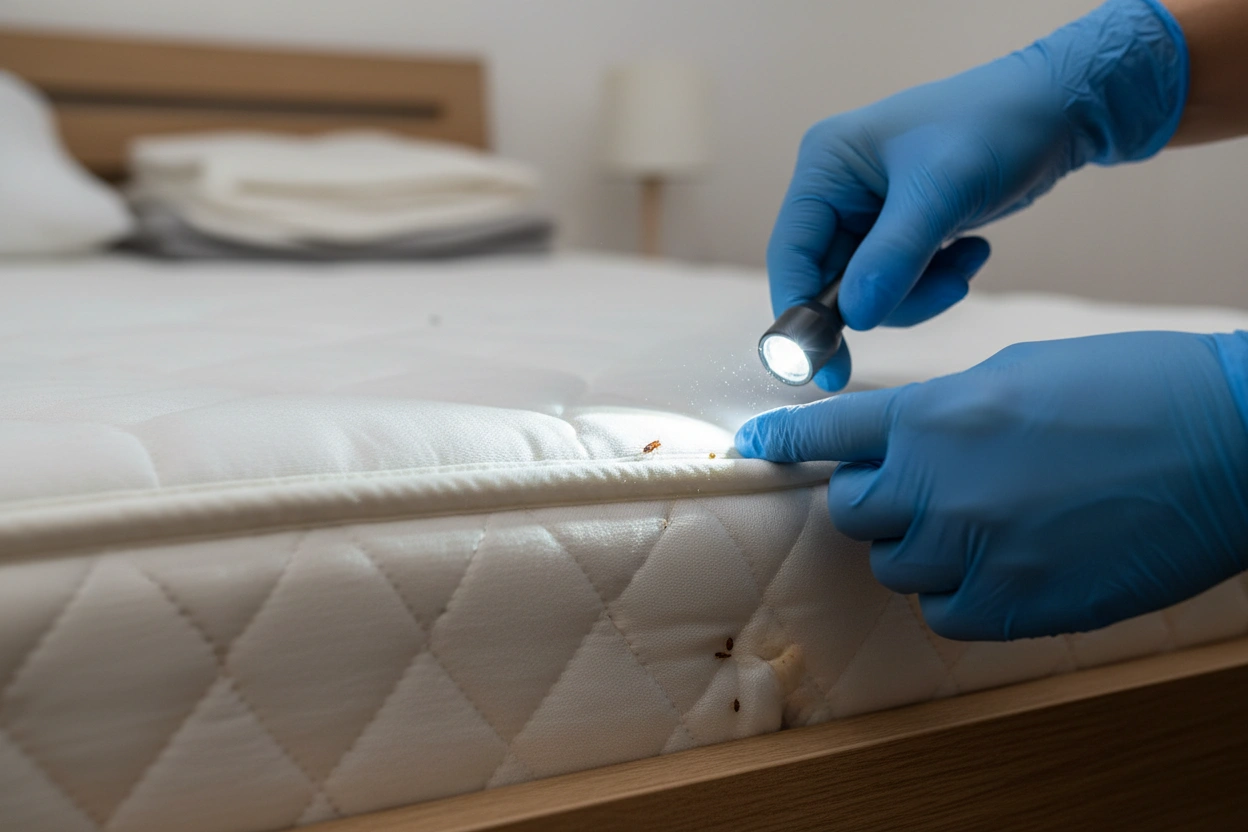
Conducting a thorough inspection is essential for detecting bed bugs early. Start by carefully examining your sleeping area, including the mattress seams, box springs, and bed frame. Use a flashlight to illuminate dark corners and crevices where bed bugs may be hiding.
Here are some effective bed bug inspection techniques to help you:
-
Visual Inspection: Look for physical signs of bed bugs, such as shed skins, eggs, or dark spots of fecal matter on bedding and furniture.
-
Use of Tools: Employ tools like a magnifying glass to inspect small areas and a stiff brush to dislodge bed bugs from their hiding spots.
-
Heat Treatment: High temperatures can kill bed bugs. Consider using a portable heater to treat items that may be infested.
-
Pheromone Traps: These traps can help capture bed bugs and provide an indication of their presence in your home.
-
Professional Inspection: If you suspect a significant infestation, hiring a pest control professional can provide a thorough assessment and effective treatment options.
Utilizing these techniques can enhance your ability to find bed bugs early and take appropriate action.
Debunking Common Myths About Bed Bugs
Understanding misconceptions about bed bugs is vital for prevention. There are many myths surrounding these pests that can lead to ineffective control measures. For example, a common belief is that bed bugs are only found in dirty homes. In reality, bed bugs can thrive in any environment, regardless of cleanliness.
Another myth is that bed bugs only bite at night. While they are nocturnal, they can also feed during the day if they are hungry and have access to a host. Accurate information is essential to ensure that you are taking the right steps to prevent and control bed bug infestations.
It is crucial to differentiate between facts and myths to effectively tackle a potential bed bug problem. By debunking these common misconceptions, you can approach bed bug prevention with a clear understanding of what to expect and how to act.
The Intersection of Early Detection and Pest Control
Knowing how to check for early signs of bed bugs most people miss at home is essential in maintaining a comfortable living environment. From recognizing common hiding spots to implementing effective inspection techniques, the insights shared throughout this article can empower you to take proactive steps against bed bug infestations.
Pest Patrol is dedicated to helping you apply these strategies effectively. With our expertise in home pest control and prevention, we can provide tailored solutions to ensure your home remains bed bug-free.