
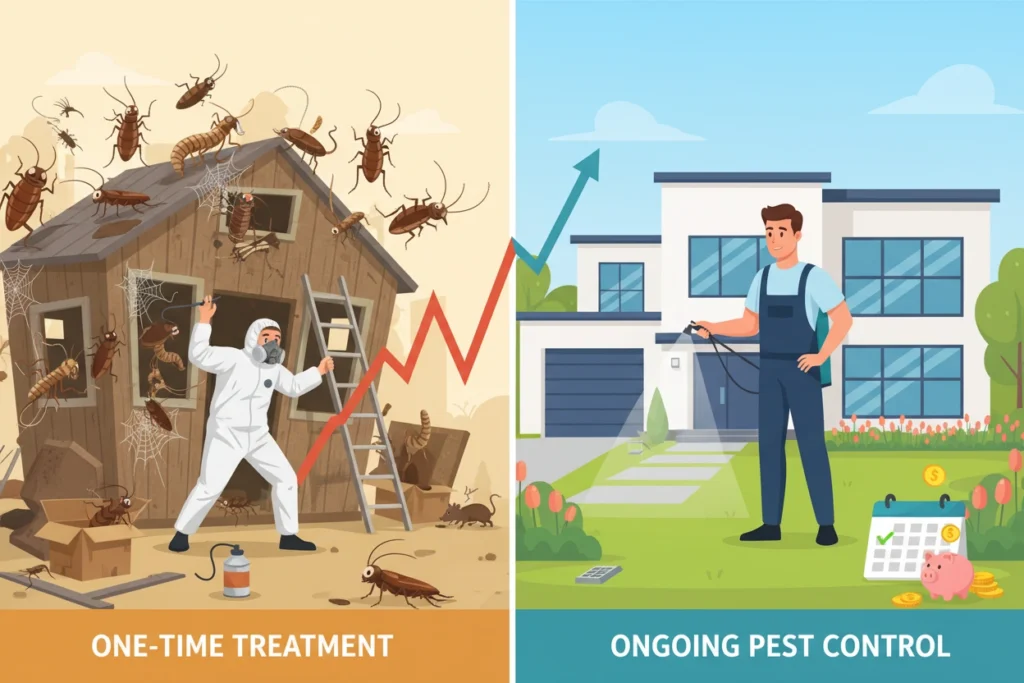
Are you wondering whether ongoing pest control is worth the investment compared to one-time treatments? As homeowners and businesses alike strive to maintain a pest-free environment, understanding the financial implications of pest control options becomes crucial. This article will explore the cost-effectiveness of ongoing pest control versus one-time treatments, helping you make an informed decision that aligns with your needs and budget.
Exploring the Costs of Pest Control Options
When considering pest control, the first aspect to evaluate is the cost associated with each method. Ongoing pest control typically involves a subscription model where services are rendered at regular intervals, often quarterly or bi-monthly. The ongoing pest control cost usually ranges from $300 to $600 annually, depending on the type of pest control service, the size of the property, and the frequency of treatments. This pricing structure often includes routine inspections, preventive measures, and treatments tailored to specific pest issues.
In contrast, one-time pest treatments are generally charged per visit, and the pricing can vary significantly based on the pest type, severity of the infestation, and size of the area needing treatment. For example, a one-time treatment for termites may cost between $1,000 to $3,000, while general pest control treatments for ants or spiders might range from $150 to $300 per visit. These costs can accumulate quickly, especially if multiple treatments are necessary within a short timeframe.
Understanding the Long-term Benefits of Regular Treatments
Ongoing pest control contributes significantly to long-term pest management by establishing a proactive approach to pest prevention. Regular treatments help to identify and address pest problems before they escalate, reducing the likelihood of infestations. The consistent monitoring and application of preventive measures lead to healthier living environments and can ultimately save money by preventing extensive damage caused by pests.
The role of preventive pest control in savings cannot be overstated. By investing in ongoing services, property owners can mitigate risks associated with severe pest infestations. For instance, termites can cause extensive structural damage that may require costly repairs. By maintaining a regular pest control schedule, homeowners can avoid these unexpected expenses and maintain the integrity of their properties. Additionally, ongoing services can lead to improved peace of mind, knowing that your property is being monitored and treated consistently.
Evaluating the Effectiveness of Each Approach
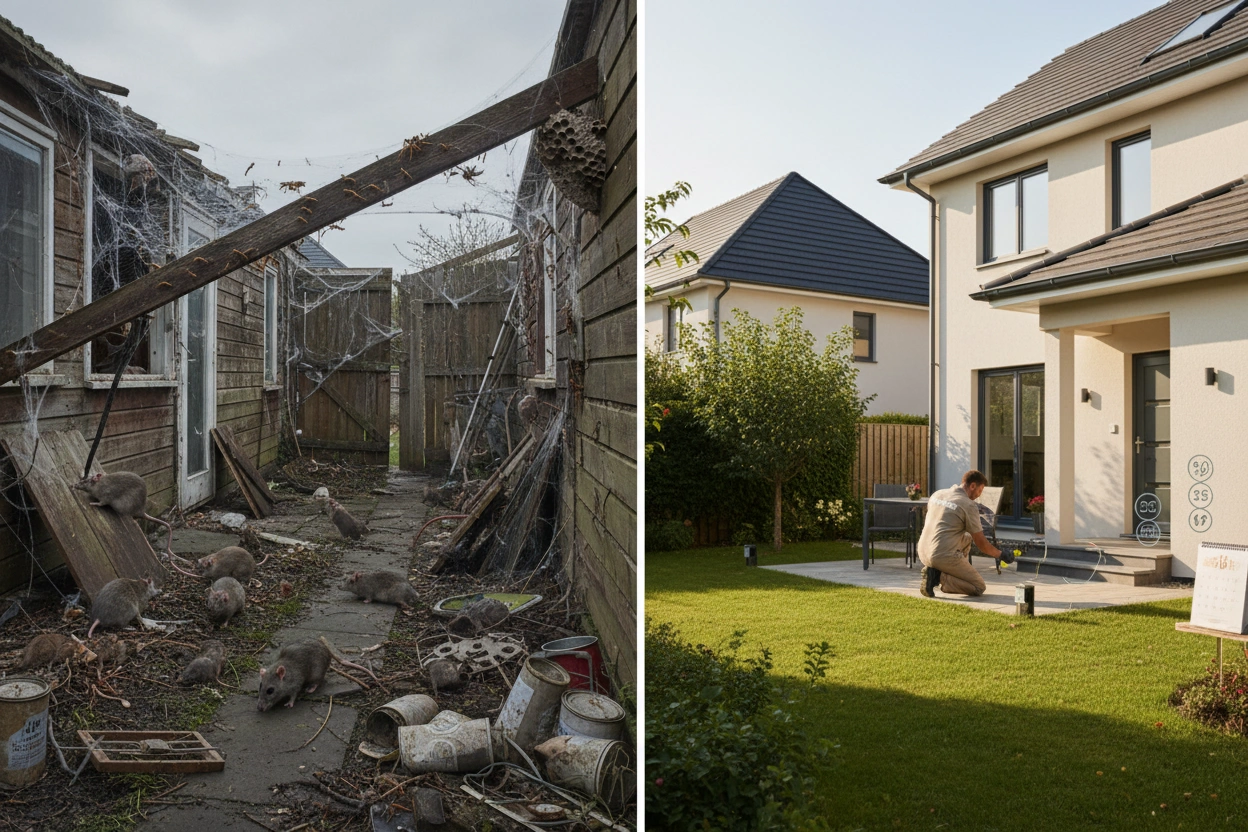
When comparing pest control effectiveness between ongoing treatments and one-time services, the former typically offers superior results. Ongoing pest control is designed to address pest issues in a holistic manner, with professionals assessing the property regularly and adjusting treatments based on observed pest activity. This adaptability ensures that the treatment plan remains effective against evolving pest behaviors and environmental factors.
Real-world examples of success rates illustrate this point. Properties that engage in ongoing pest management have reported significantly lower instances of pest sightings compared to those relying solely on one-time treatments.
Identifying Potential Savings With Ongoing Services
Calculating potential savings over time is essential when evaluating the financial implications of ongoing pest control services. By analyzing the costs associated with repeated one-time treatments versus a comprehensive ongoing plan, the savings become apparent. For example, if a homeowner spends $300 on quarterly treatments, the total annual cost would amount to $1,200. In comparison, a well-structured ongoing plan could provide similar or better coverage for a significantly lower annual cost, leading to savings of hundreds of dollars.
Understanding the risks of neglecting ongoing services is equally important. Without regular pest control, homeowners expose themselves to the danger of reinfestation and escalating pest populations. This not only leads to increased treatment costs but may also result in property damage that could incur further expenses. The long-term financial benefits of ongoing pest control services often outweigh the initial investment, making it a wise choice for many property owners.
Why Ongoing Pest Control Often Pays Off Over Time
When comparing one-time treatments to ongoing pest control, the key difference is prevention. One-time services can address immediate issues, but they may not stop pests from returning if underlying conditions are not managed. Ongoing plans focus on consistent monitoring, early detection, and seasonal treatments that reduce the chances of repeat infestations. Over time, this approach often leads to fewer major problems, less damage, and more predictable costs.
If you are weighing your options and want a plan that fits your home or business, Pest Patrol can assess your situation and recommend a strategy tailored to your needs and budget. Contact Pest Patrol for a free quote and take the next step toward a more reliable, long term solution for pest control.