

Understanding how weather impacts pest activity is crucial for effective pest control in Portland. Weather fluctuations can significantly influence pest populations, making it essential for homeowners and businesses to adopt proactive strategies for pest management. This article will delve into the relationship between weather and pest activity, while providing actionable insights to help you mitigate pest issues.
The Influence of Weather on Pest Behavior

Seasonal Changes and Pest Activity
Pests, like many living organisms, have life cycles that are heavily influenced by seasonal changes. In Portland, the temperate climate results in distinct seasonal variations that affect pest behavior. During warmer months, pests such as ants, mosquitoes, and flies become more active, often leading to increased sightings in residential and commercial areas. Conversely, colder months typically see a decline in pest activity, but it is crucial to note that many pests, including rodents, seek shelter indoors during winter, making year-round protection in Portland an ongoing concern year-round.
-
Spring: In the spring, pests emerge from their dormant states, taking advantage of rising temperatures and abundant food sources. This is the prime time for ant extermination efforts, as colonies begin to expand.
-
Summer: The heat of summer often leads to an increase in pest populations. Mosquitoes thrive in humid conditions, while flies and wasps become more prevalent around outdoor gatherings.
-
Fall: As temperatures begin to cool, many pests will attempt to invade homes in search of warmth. Rodent control in Portland becomes particularly vital during this season as mice and rats look for nesting sites.
-
Winter: While many pests become less active, some, such as cockroaches, can survive indoors and require targeted pest control solutions to eliminate infestations.
Rainfall and Humidity’s Role in Pest Activity
Rainfall and humidity can create favorable conditions for various pests. High humidity levels can lead to increased mosquito breeding, while damp environments can attract termites and carpenter ants. Understanding these patterns allows homeowners and businesses to implement timely pest prevention tips.
-
Mosquitoes: Standing water from heavy rains creates breeding grounds for mosquitoes. Regularly check and eliminate stagnant water around your property to reduce mosquito populations.
-
Termites: Increased rainfall can lead to higher moisture levels in wood, making it more appealing for termites. Regular inspections and preventative treatments can help safeguard structures.
-
Ants: Many ant species prefer moist environments, making them more likely to invade homes during and after rainy periods. Using eco-friendly pest control methods can help manage these invasions sustainably.
Effective Pest Control Strategies
Eco-Friendly Pest Control Options
As awareness of environmental issues grows, many homeowners are seeking eco-friendly pest control solutions. Sustainable pest management practices not only target pests but also minimize harm to beneficial insects and the surrounding ecosystem.
-
Natural Repellents: Using essential oils such as peppermint or tea tree oil can deter pests like ants and spiders. These natural options are less harmful to the environment and safe for indoor use.
-
Biological Control: Introducing natural predators, such as ladybugs for aphid control, can help manage pest populations without the need for chemical pesticides.
-
Integrated Pest Management (IPM): This holistic approach combines various strategies to manage pest populations sustainably. IPM emphasizes monitoring, prevention, and minimal pesticide use, making it ideal for eco-conscious residents.
Residential and Commercial Pest Solutions
Both residential and commercial spaces in Portland require tailored pest control strategies to address specific needs. Understanding the unique challenges of each environment can enhance pest management efforts.
Residential Pest Solutions
For homeowners, proactive measures are essential in maintaining a pest-free environment. Here are some effective residential pest solutions:
-
Regular Inspections: Conducting routine inspections can help identify potential pest problems before they escalate. Look for signs of infestations, such as droppings, nests, or damaged wood.
-
Sealing Entry Points: Pests often enter homes through small cracks and openings. Sealing these entry points can prevent pests from finding their way indoors.
-
Maintaining Cleanliness: Keeping your home clean, particularly in kitchens and dining areas, can minimize food sources for pests. Regularly dispose of garbage and store food in sealed containers.
Commercial Pest Services
Businesses in Portland must also prioritize pest control to maintain a safe and healthy environment for employees and customers. Effective commercial pest services can include:
-
Tailored Treatment Plans: Commercial pest control services should offer customized plans based on the specific needs of the business, taking into account the type of industry and potential pest risks.
-
Regular Monitoring: Implementing ongoing monitoring systems can help detect and address pest issues before they become significant problems.
-
Employee Training: Providing training for employees on pest prevention tips can foster a culture of cleanliness and awareness, helping to reduce pest-related risks.
Common Mistakes in Pest Management
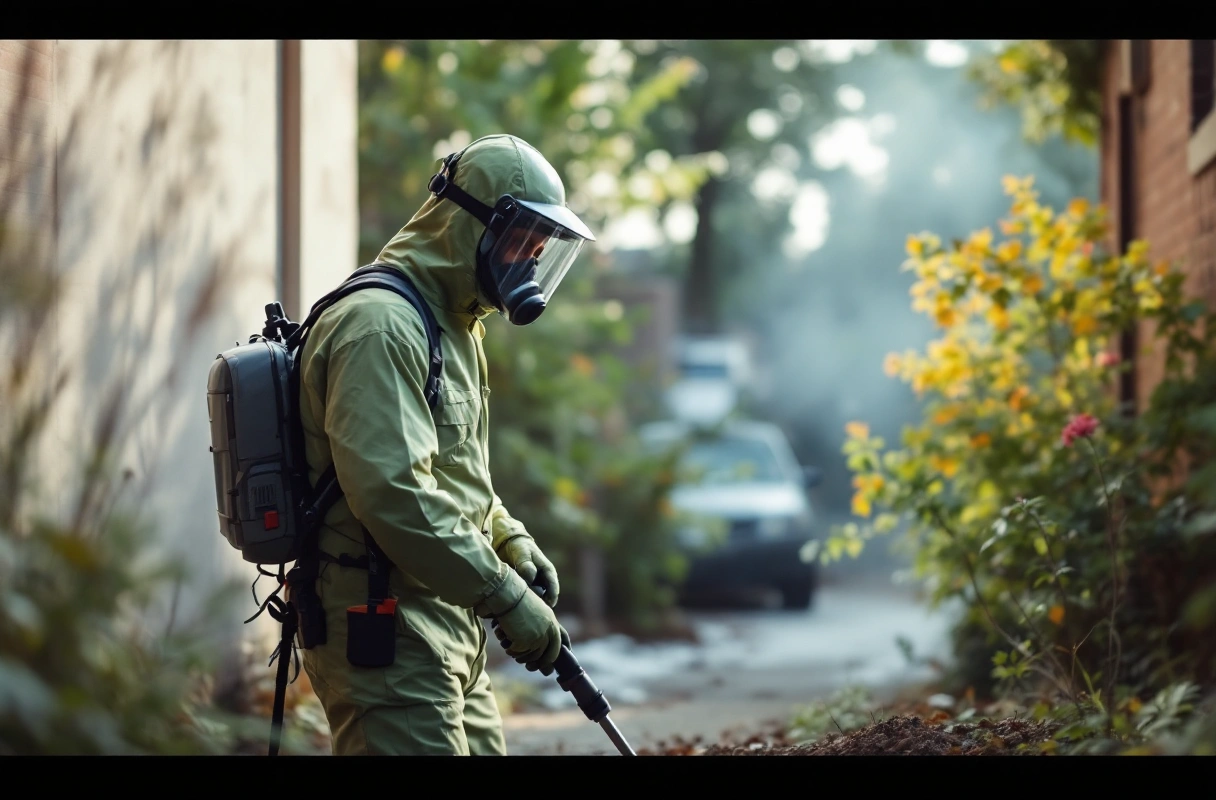
Understanding common misconceptions and mistakes in pest management can save time and resources. Here are several pitfalls to avoid:
-
Neglecting Seasonal Changes: Many people overlook the seasonal factors that influence pest activity. It’s essential to adjust your pest management strategies according to the time of year.
-
Using Chemicals Recklessly: Overusing chemical pesticides can lead to harmful consequences for both the environment and human health. Opt for targeted applications and consider eco-friendly alternatives.
-
Ignoring Early Signs of Infestation: Failing to act upon early signs of pest activity can lead to larger infestations that are more challenging and costly to manage.
Pest Prevention Tips for Homeowners
Implementing effective pest prevention tips can significantly reduce the likelihood of infestations. Here are actionable strategies for homeowners in Portland:
-
Landscape Management: Keep shrubs and trees trimmed away from the house to reduce pest access points. Regular maintenance can deter pests from making your home their habitat.
-
Proper Drainage: Ensure that gutters and downspouts are functioning correctly to prevent water accumulation, which can attract pests.
-
Routine Property Inspections: Schedule regular inspections with professional pest control services to catch potential issues early.
The Role of Pest Patrol in Pest Control
Pest Patrol is dedicated to providing effective pest control in Portland, focusing on sustainable and eco-friendly methods. Our team understands the unique challenges posed by the local climate and pest populations, and we are committed to offering tailored solutions for both residential and commercial clients.
Our pest control services include comprehensive inspections, customized treatment plans, and ongoing support to ensure that your pest issues are effectively managed. With Pest Patrol, you can trust that our expert team will help you navigate the complexities of pest management, ensuring a safe and pest-free environment for your home or business.