
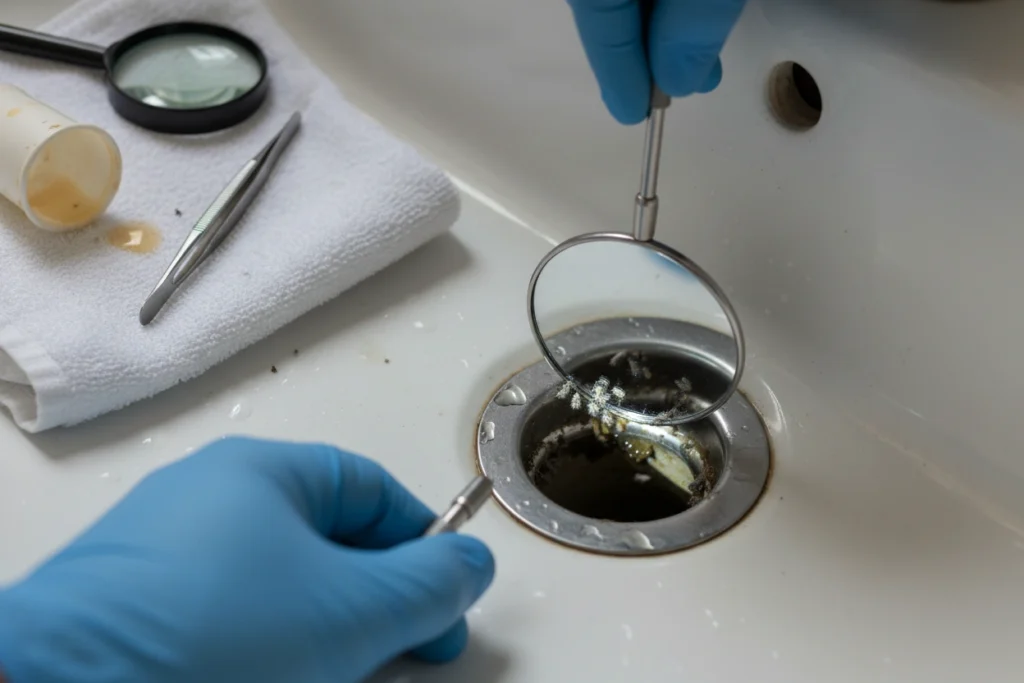
Have you ever noticed tiny flies buzzing around your sink? These pesky drain flies can be a sign of a bigger problem. Often mistaken for fruit flies, drain flies thrive in moist environments, particularly in and around drains. Understanding how to spot their breeding sites is crucial in preventing an infestation before it escalates. In this article, we will explore how to identify drain fly breeding sites before they multiply, the signs of infestation, and effective prevention techniques.
Recognizing the Signs of Drain Fly Infestation
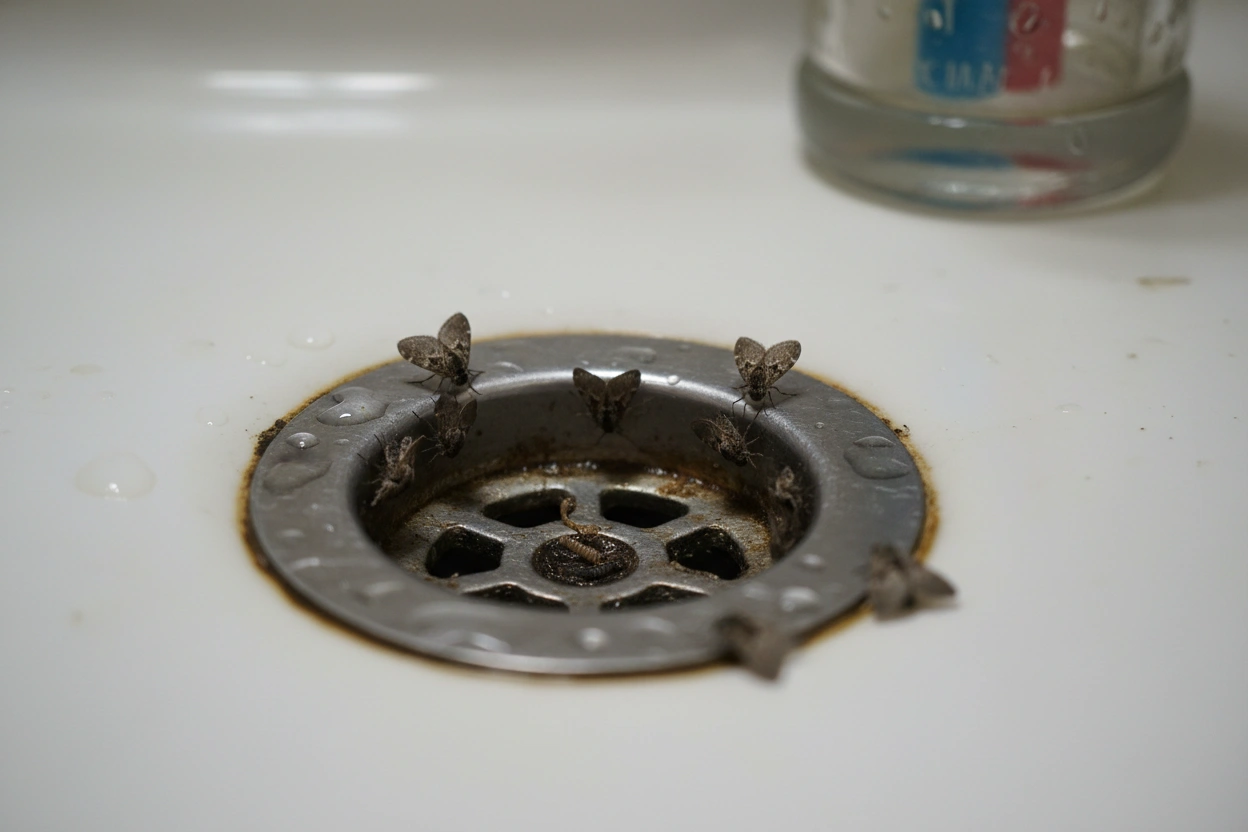
Identifying common signs of drain fly presence is the first step in tackling this nuisance. Drain flies, also known as moth flies, are often seen hovering around sinks, bathtubs, and other damp areas in your home. The most prominent indicator of a drain fly infestation is the presence of these small, fuzzy flies, typically measuring about 1/8 inch long. They are often found near stagnant water, sewage, or organic matter, which serves as their breeding ground. Additionally, you may notice small, dark-colored larvae in the drains or around the areas where these flies are spotted.
Understanding how the life cycle contributes to their rapid increase is essential for effective management. The drain fly life cycle consists of four stages: egg, larva, pupa, and adult. Adult females can lay up to 200 eggs at a time, and the eggs hatch within 48 hours under favorable conditions. The larvae feed on organic debris in the drains, growing quickly and emerging as adults within a week. This rapid life cycle means that a small problem can quickly escalate into a larger infestation if not addressed promptly.
Identifying Potential Breeding Sites in Your Home
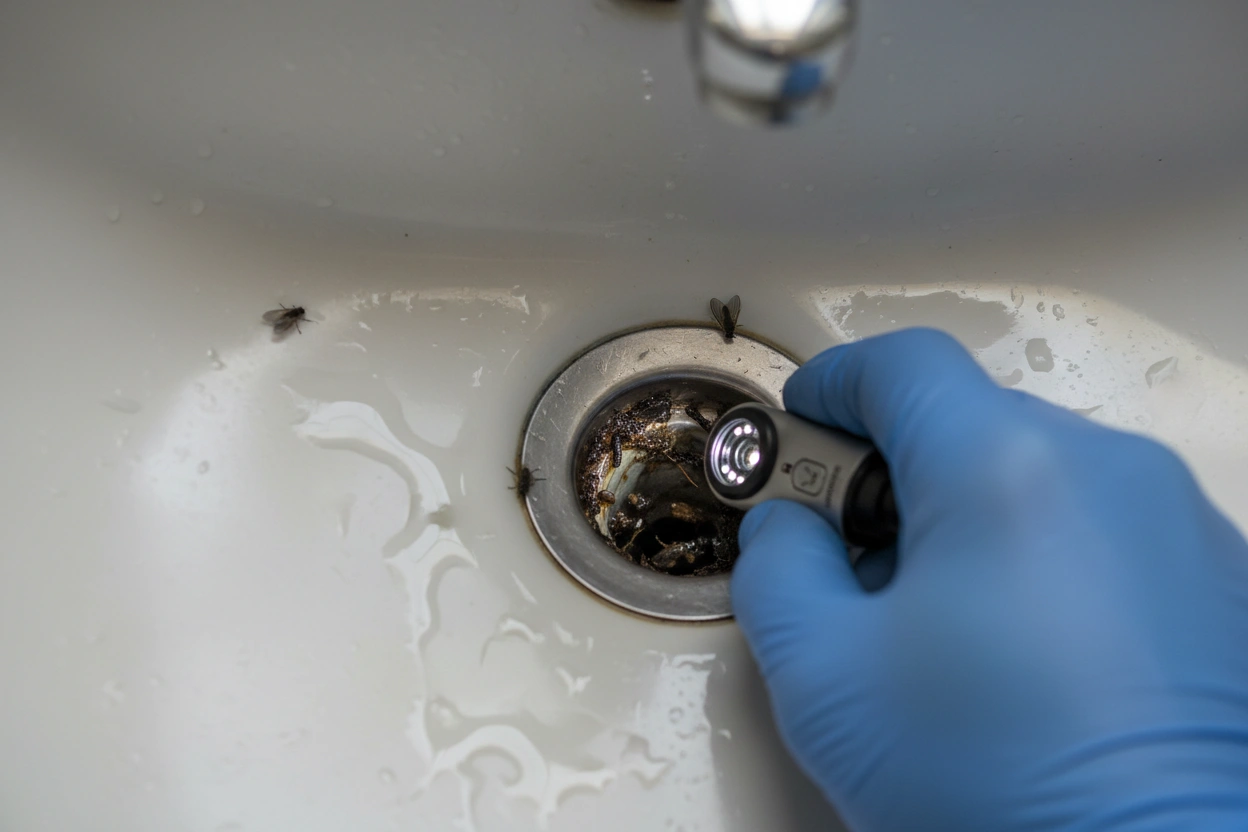
Common areas where drain flies breed are typically damp and dark, making them hard to detect. The most common breeding sites include kitchen sinks, bathroom drains, and any area with standing water. It is essential to inspect not only the drains but also the surrounding areas, including the sink traps and under the sink cabinets, where moisture may accumulate. Other potential breeding sites can include clogged gutters, basement drains, and even potted plants that retain excess water.
To inspect for nests effectively, start by checking the drains for any visible buildup of organic matter or slime. This buildup can often be felt as a greasy layer inside the drain. Use a flashlight to inspect hard-to-see areas and look for any signs of larvae or adult flies. Additionally, a simple test can be conducted by placing a piece of clear tape over the drain overnight; if flies are present, they will become trapped under the tape, confirming their presence in that area.
Effective Drain Fly Prevention Techniques
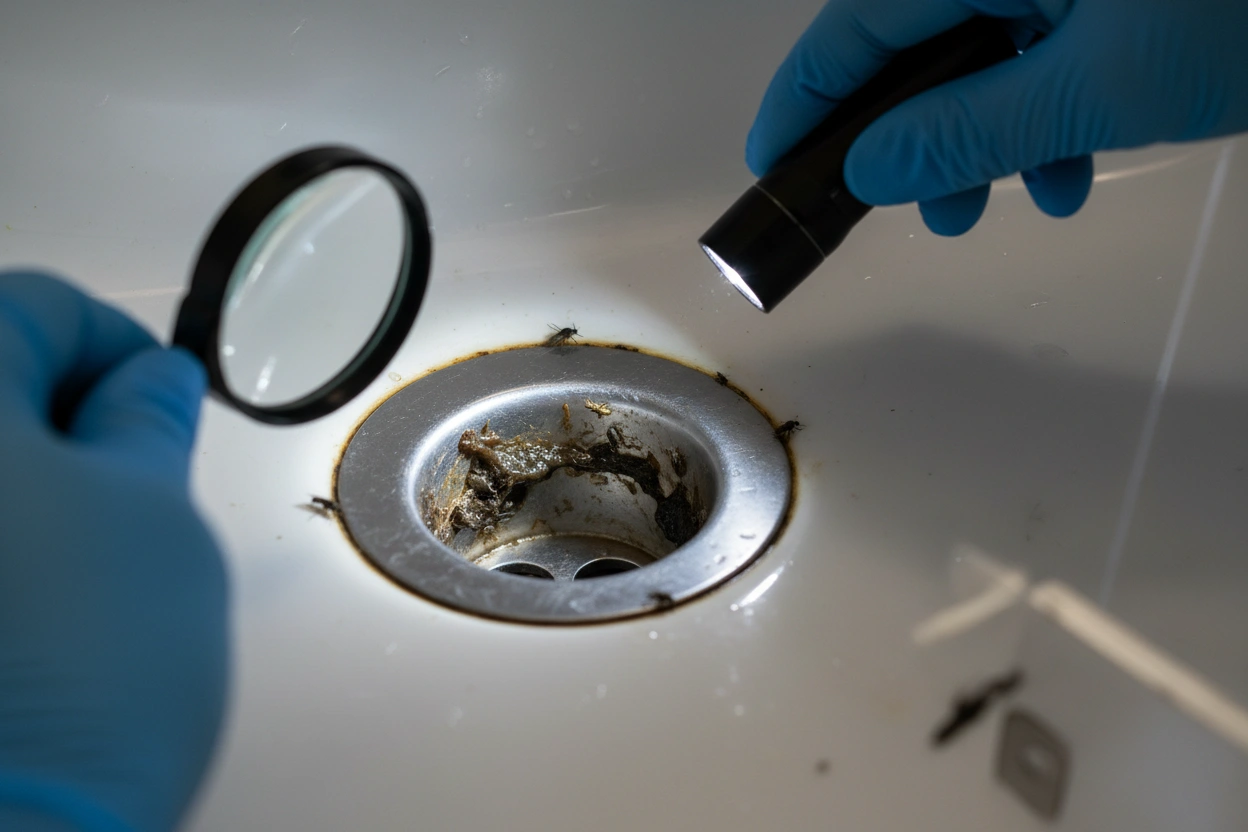
The importance of regular drain maintenance cannot be overstated. Routine cleaning of your drains can significantly reduce the chances of drain fly infestations. This maintenance should involve removing any organic material that may accumulate in the drain, such as food particles, soap scum, and hair. Regularly flushing your drains with hot water can also help break down any buildup. For a more thorough cleaning, consider using a mixture of baking soda and vinegar, which can help eliminate organic matter without the use of harsh chemicals.
Preventative measures to keep flies at bay include sealing any cracks or openings around drains and ensuring that all plumbing is in good condition. Additionally, consider installing drain covers to prevent debris from entering the drain. In areas prone to moisture, such as basements or bathrooms, using a dehumidifier can help reduce humidity levels, making it less conducive for drain flies to breed. Regular inspections of your home can also help catch potential issues before they develop into an infestation.
How to Eliminate Drain Flies Once They’ve Appeared
Strategies for effective elimination begin with identifying and cleaning the breeding sites. Once you have located the nests, it is crucial to clean the area thoroughly. This may involve scrubbing the drains with a brush to remove any larvae or organic matter. Additionally, employing commercial drain cleaning products can help ensure that all residues are eliminated. Be sure to follow the instructions on the product label for best results.
For those who prefer eco-friendly options, several natural remedies can effectively deter drain flies. A mixture of equal parts vinegar and water can be poured down the drain to disrupt the flies’ breeding cycle. Essential oils, such as peppermint or tea tree oil, can also be effective; simply mix a few drops with water and spray around the affected areas. Setting traps can also aid in elimination; a simple trap can be made using a jar filled with apple cider vinegar covered with plastic wrap, pierced with small holes to attract and trap the flies.
Stop Drain Flies at the Source Before They Spread
Drain flies often seem minor at first, but their presence usually signals buildup inside pipes, floor drains, or rarely used plumbing lines. Spotting small moth-like flies near sinks, showers, or utility drains is a sign that breeding is already underway. Acting quickly to locate and treat the source is what prevents repeated outbreaks and ongoing frustration. Proper cleaning, moisture control, and targeted treatment make all the difference.
If drain flies are lingering in your kitchen, bathroom, or commercial space, Pest Patrol can identify the breeding site and recommend a focused solution designed to eliminate the problem at its root. Contact Pest Patrol for a free quote and take the next step toward a cleaner, fly-free home.