
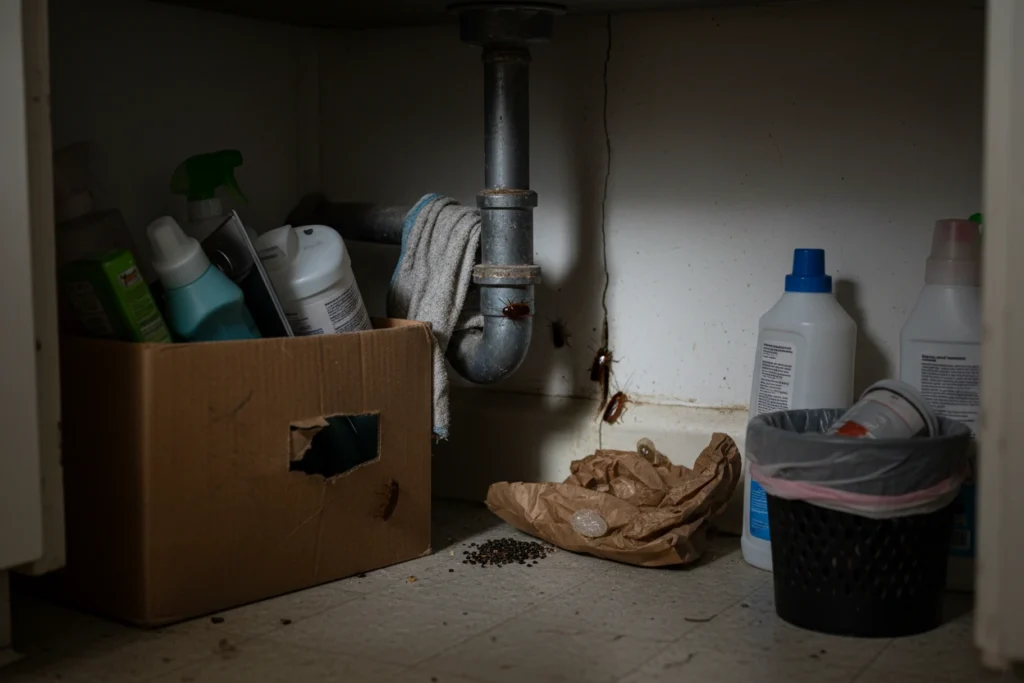
Have you ever wondered what a hidden roach problem looks like in your apartment? Many tenants and homeowners may be unaware of the early signs of a roach infestation, which can lead to significant health risks and property damage if left unchecked. In this article, we will explore the early signs of a roach infestation, how to identify these pests, and effective strategies for prevention and control.
Recognizing the Early Signs of Infestation
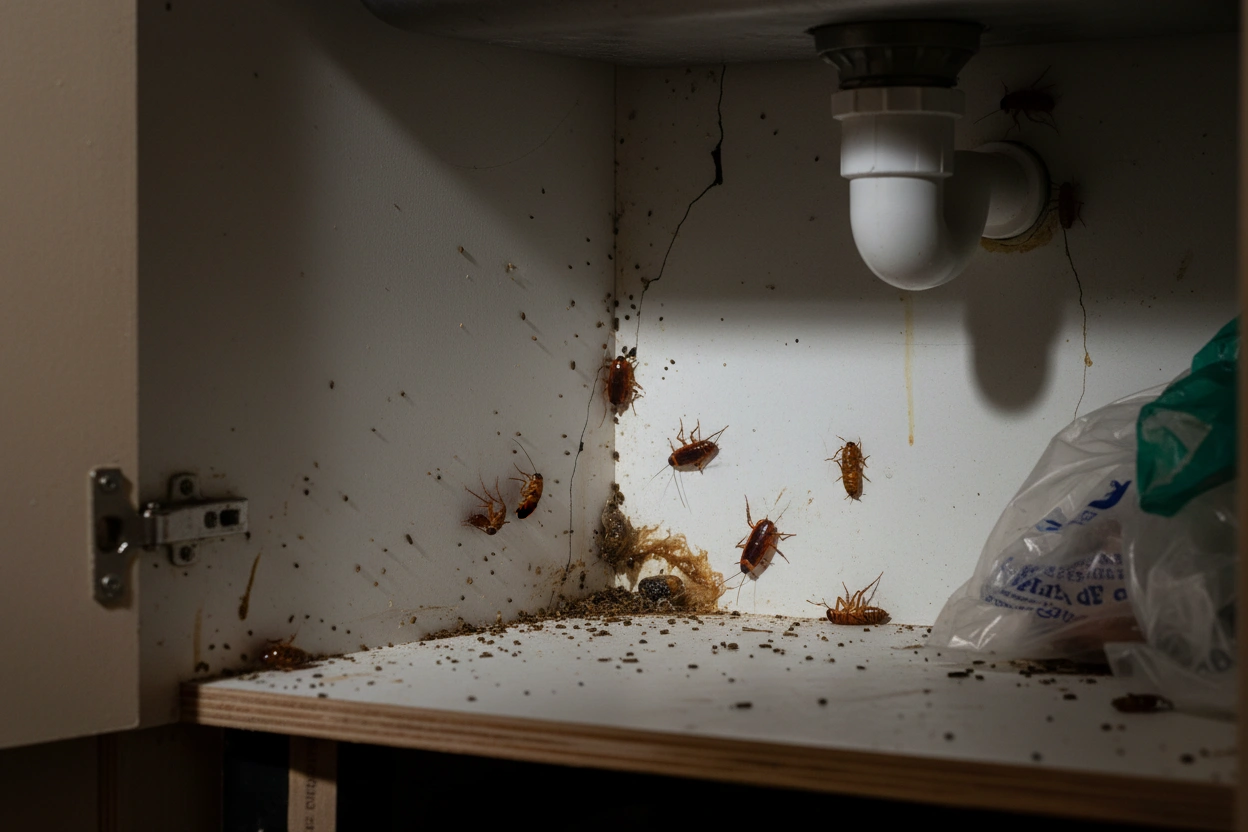
When it comes to identifying a hidden roach problem, vigilance is key. The initial indicators of a roach infestation are often subtle and easy to overlook. One of the most common signs of a roach infestation is the presence of droppings. These droppings are usually small, dark, and cylindrical, resembling coffee grounds or black pepper. You may find them in kitchen cabinets, around appliances, or in corners where food particles accumulate.
In addition to droppings, look for egg cases, known as ootheca, which are brown, oval-shaped, and can contain multiple eggs. Roaches also shed their skins as they grow, and finding these shed skins can indicate a thriving population. Unusual odors may also be a telltale sign; roaches emit a musty smell that can become more pronounced as their numbers increase. Furthermore, inspect food packaging for signs of damage, such as holes or gnaw marks, as roaches are notorious for infiltrating food supplies.
Identifying Common Roach Species in Apartments
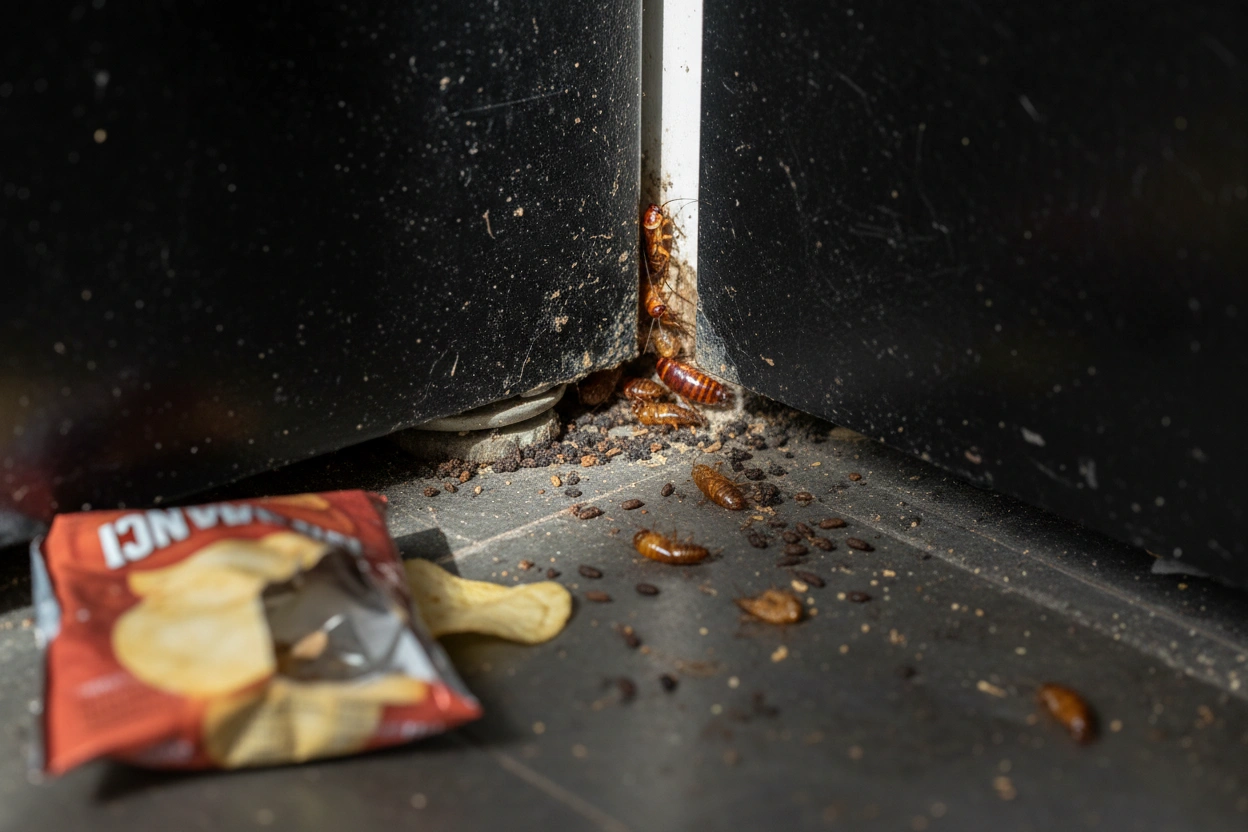
Understanding the various species of roaches is crucial in effectively identifying and controlling them. The most common roach species found in apartments include the American cockroach, German cockroach, and Oriental cockroach. Each of these species has unique characteristics that can aid in identification.
The American cockroach is one of the largest, reaching up to three inches long with a reddish-brown color and a yellowish figure behind its head. They are often found in warm, moist areas, such as basements and sewers. On the other hand, the German cockroach is smaller, typically about half an inch long, and has two distinctive dark stripes running down its back. This species is particularly notorious for rapid reproduction and is often found in kitchens and bathrooms. Finally, the Oriental cockroach is dark brown to black and is commonly found in cooler, damp areas. Knowing the differences among these common roach species can help you tailor your control strategies effectively.
Understanding Roach Breeding Habits
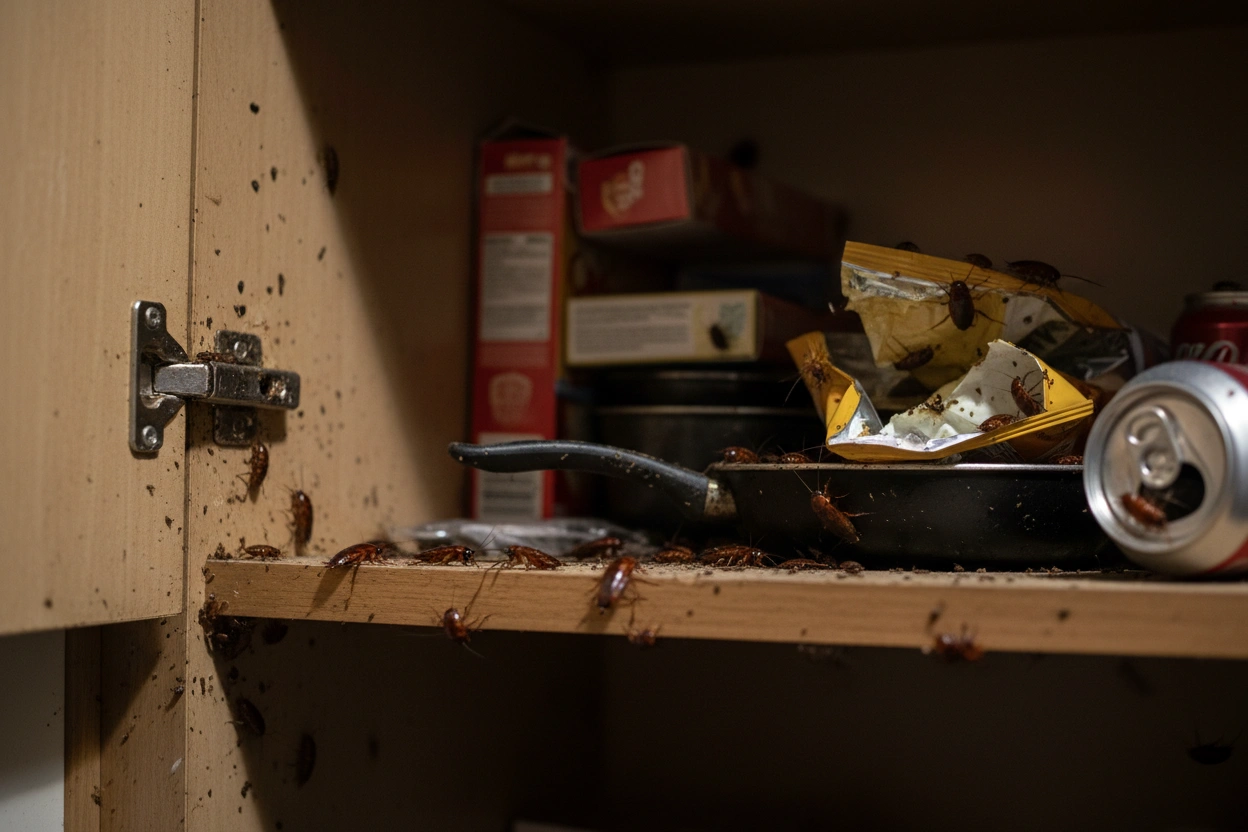
Roaches are known for their rapid reproductive capabilities, which makes early detection essential in managing infestations. A female German cockroach can produce up to 40 eggs at a time, and under ideal conditions, these eggs can hatch in as little as 28 days. This rapid lifecycle means that a small problem can quickly escalate into a significant infestation if not addressed promptly.
Identifying breeding sites is crucial for effective pest control. Roaches prefer dark, warm, and moist environments, often breeding in places such as behind appliances, under sinks, and in wall voids. Regularly inspecting these areas can help in pinpointing potential breeding grounds. By addressing these locations with targeted pest control efforts, you can significantly reduce the likelihood of a full-blown infestation.
Health Risks Associated With Roach Infestations
The presence of roaches in your apartment is not just an inconvenience; it can pose serious health risks. Roaches are known carriers of various pathogens, including bacteria and viruses, which can contaminate food and surfaces. This contamination can lead to foodborne illnesses, making it crucial to maintain cleanliness in your living spaces.
Moreover, roaches can trigger allergies and asthma, particularly in sensitive individuals. The proteins found in roach saliva, droppings, and shed skins can lead to allergic reactions and exacerbate respiratory issues. For families with children or individuals with pre-existing health conditions, the risks associated with roach infestations are particularly concerning, highlighting the importance of prompt identification and control.
Effective Roach Control Strategies
Implementing effective roach control strategies can significantly reduce the likelihood of an infestation. Preventative measures should be your first line of defense. This includes maintaining cleanliness by regularly cleaning food spills, sealing cracks and crevices in walls, and storing food in airtight containers. Reducing moisture in your home is also vital, as roaches are attracted to damp environments.
When it comes to roach extermination methods, you can choose between DIY solutions and professional pest control services. DIY solutions may include using roach baits, traps, and insecticidal sprays. However, for larger infestations, contacting a professional pest control service may be necessary. These experts can assess the situation, identify the species involved, and implement effective treatment plans tailored to your specific needs.
Hidden Roaches Rarely Stay Hidden for Long
A hidden roach problem often starts quietly. You might notice small droppings in cabinets, a musty odor near appliances, shed skins under sinks, or brief sightings late at night when the lights flip on. These early warning signs matter. Roaches reproduce quickly, spread bacteria, and can trigger allergies or asthma symptoms, especially in apartment settings where shared walls make infestations harder to contain. Acting early is the difference between a manageable issue and a widespread problem.
If you suspect roaches in your apartment or want a professional inspection for peace of mind, Pest Patrol can help identify the source and recommend a targeted treatment plan. Contact Pest Patrol for a free quote and take the next step toward restoring a clean, comfortable, and roach-free living space.