
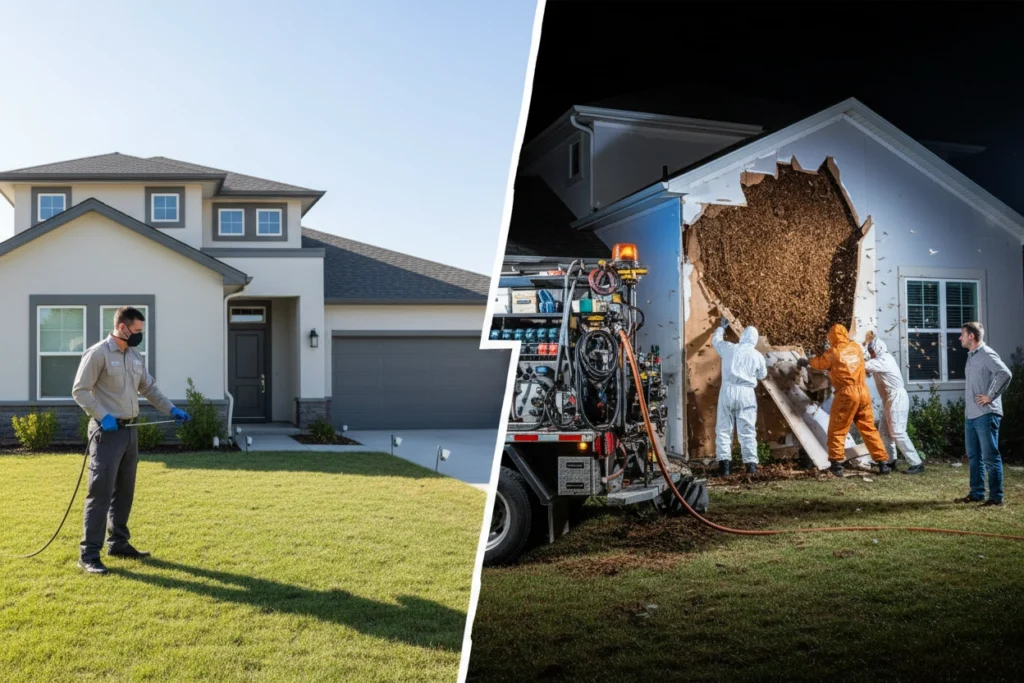
Have you ever faced a pest infestation and wondered about the hidden costs of treatment? The financial implications of pest control can often be overlooked until it’s too late. While emergency pest treatments may seem like a quick fix, they can lead to significant expenses and long-term challenges. This article explores the financial implications of choosing preventative pest control versus emergency treatments, helping you make an informed decision.
The Financial Burden of Pest Infestations
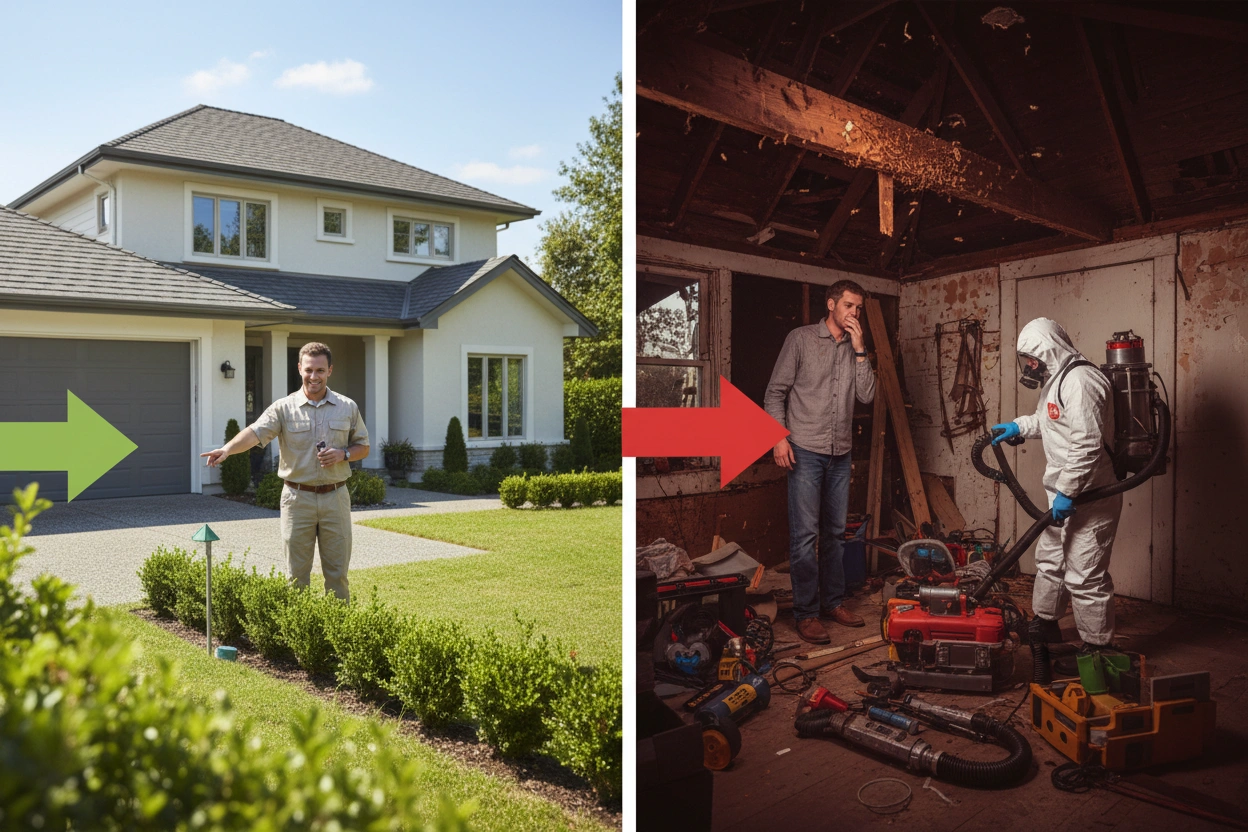
Emergency pest treatments can lead to immediate costs that can skyrocket, especially if the infestation is severe. When pests such as termites, rodents, or bed bugs invade your home, the urgency to address the problem often results in hasty decisions. Homeowners may find themselves paying premium prices for emergency services, which can range from hundreds to thousands of dollars depending on the severity of the infestation and the type of treatment required.
Moreover, the potential property damage exacerbates the financial strain. For instance, a termite infestation can compromise the structural integrity of a home, leading to extensive repairs that far exceed the initial treatment costs. It is not uncommon for homeowners to face repair bills in the thousands after neglecting preventative measures. Thus, while emergency treatments can provide a temporary solution, they often come with long-term financial repercussions that could have been avoided.
Understanding Preventative Pest Control Savings
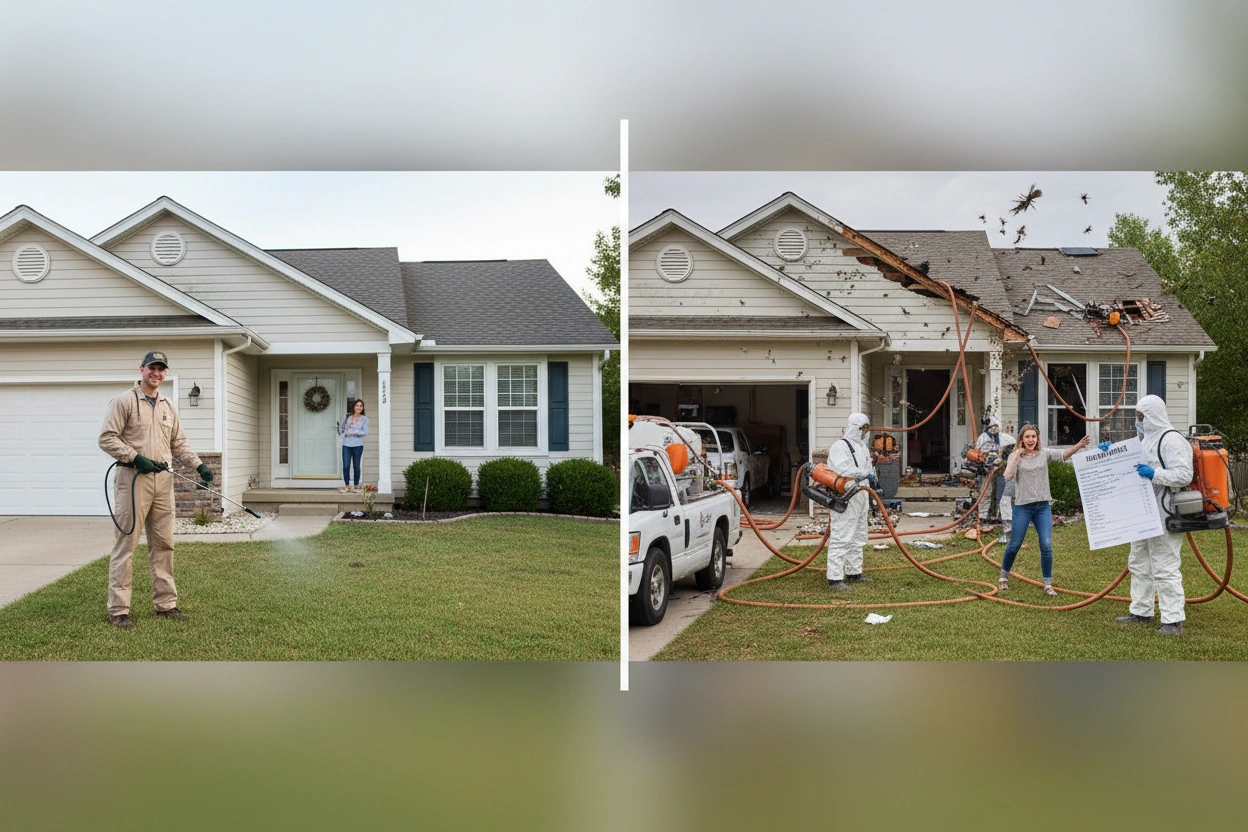
Investing in preventative pest control can yield significant long-term cost benefits. By implementing regular pest management strategies, homeowners can effectively reduce the likelihood of infestations occurring in the first place. This proactive approach often involves routine inspections and maintenance, which can be substantially less expensive than emergency treatments.
For instance, a typical preventative service might cost a few hundred dollars annually, which is a fraction of what emergency pest treatments could cost. Furthermore, regular maintenance reduces the need for emergency interventions, allowing homeowners to avoid the high costs associated with treating established infestations. By prioritizing preventative pest control, you not only save money but also protect your home and peace of mind.
Comparative Analysis: Costs of Prevention Vs. Emergency Response
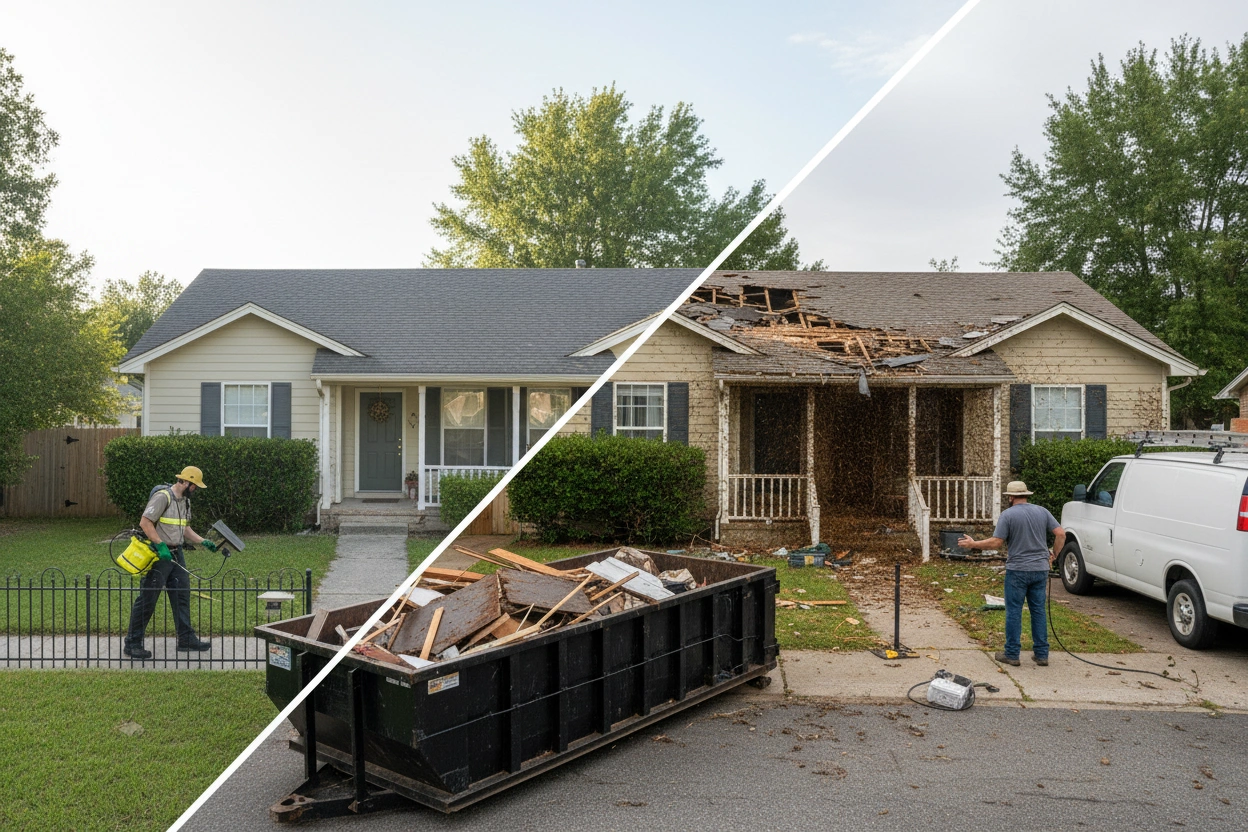
When analyzing the costs of preventative pest control versus emergency response, several factors come into play. The initial cost comparison often reveals that preventative measures are significantly cheaper. For example, a standard pest control service may charge between two hundred to five hundred dollars for annual preventative treatments, while an emergency call can start at five hundred dollars and quickly escalate based on the severity and type of pest.
Several factors influence pricing for both options:
-
Type of Pest: Certain pests like termites or bed bugs require specialized treatments that can be more expensive.
-
Extent of Infestation: The more severe the infestation, the higher the costs for emergency treatments.
-
Location: Urban areas may have higher pest control costs due to demand and accessibility.
-
Service Frequency: Regular, scheduled services typically cost less than one-time emergency interventions.
By weighing these factors, it becomes clear that preventative pest control not only reduces immediate expenses but also mitigates the risk of costly emergency treatments in the future.
Pest Prevention Tips for Homeowners
Homeowners can take several simple steps to reduce pest risks and maintain a pest-free environment. Effective pest prevention strategies include:
-
Regular Inspections: Conduct routine checks around your home for signs of pests or potential entry points.
-
Seal Entry Points: Use caulk or weather stripping to seal gaps around windows, doors, and foundation cracks where pests can enter.
-
Maintain Cleanliness: Keeping your home clean and free of food debris can deter pests from making your home their habitat.
-
Proper Waste Management: Ensure that trash is stored in sealed containers and disposed of regularly to avoid attracting pests.
-
Landscaping Considerations: Trim back bushes and trees that touch your home, as they can provide pathways for pests.
By following these best practices, homeowners can significantly reduce the likelihood of pest infestations and the associated costs.
The Financial Implications of Pest Control Choices
The decision between preventative pest control and emergency treatments is crucial for homeowners concerned about costs. By understanding the financial burdens of emergency pest treatments and the savings associated with preventative measures, homeowners can make informed choices that protect their property and finances.
To explore how Pest Patrol can help you implement effective pest management strategies and learn more about the benefits of preventative pest control, contact us today.