
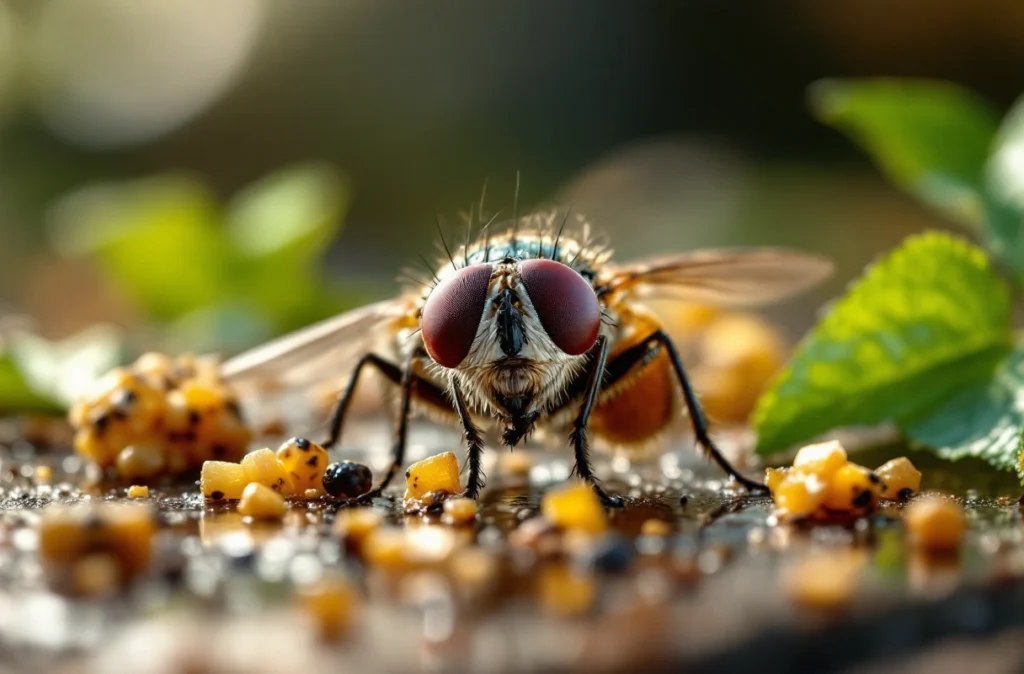
Have you ever spotted tiny flies buzzing around your kitchen and wondered what they are? These pesky insects can be a nuisance, especially when they invade your living spaces. Understanding the distinctions between drain flies and fruit flies is crucial for effective pest management. This article will explore the key differences between these two common household pests, including their identification, habits, and elimination methods.
Identifying the Key Features of Drain Flies
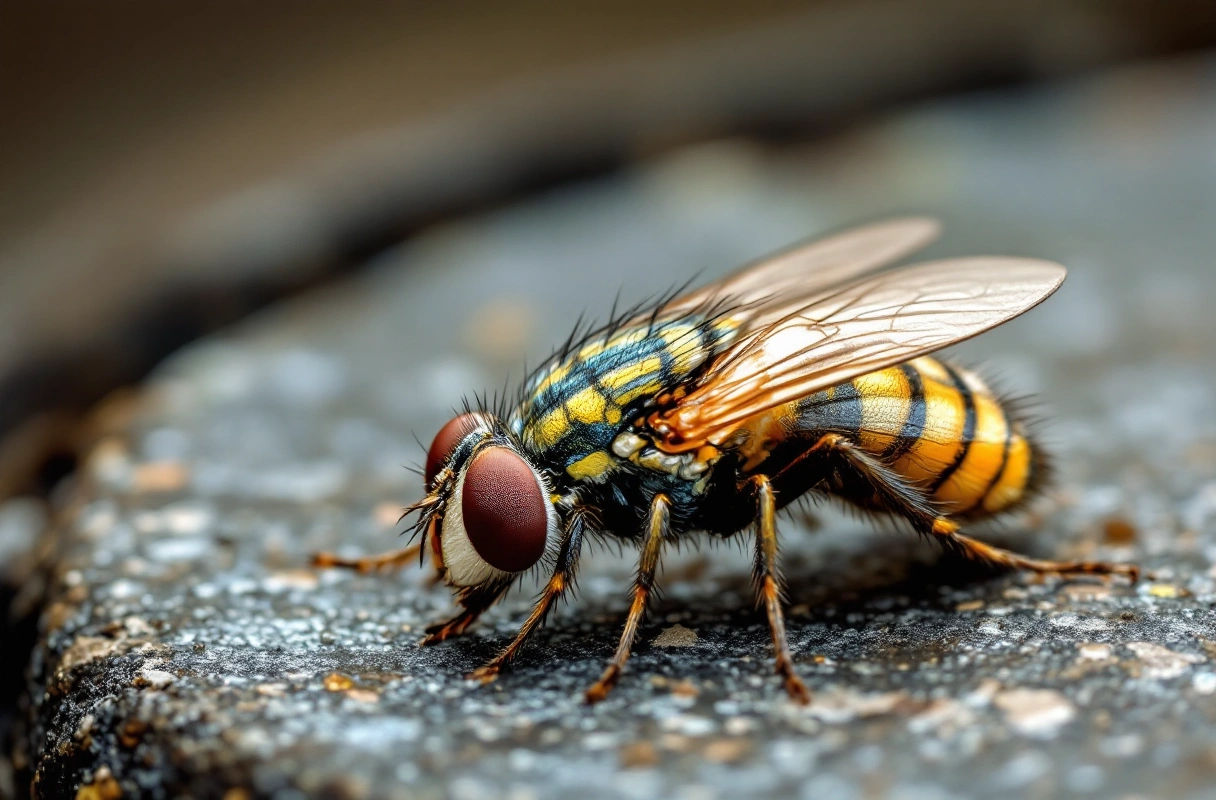
Drain flies, also known as moth flies, are small, fuzzy insects that can easily be mistaken for other types of flies. These flies typically measure about 1/8 inch in length and have a distinctive moth-like appearance due to their hairy bodies and large wings that rest flat over their backs. The coloration of drain flies is usually gray or black, often with a fuzzy texture that enhances their resemblance to moths.
Common signs of a drain fly infestation include the presence of adult flies near sinks, drains, and wet areas. You may also notice a buildup of dark, sticky residue in your plumbing, which indicates that the larvae are breeding in the organic matter within the drains. These flies tend to emerge in swarms, particularly during warmer months, and are often seen hovering in damp areas of your home.
Recognizing the Lifecycle of Fruit Flies
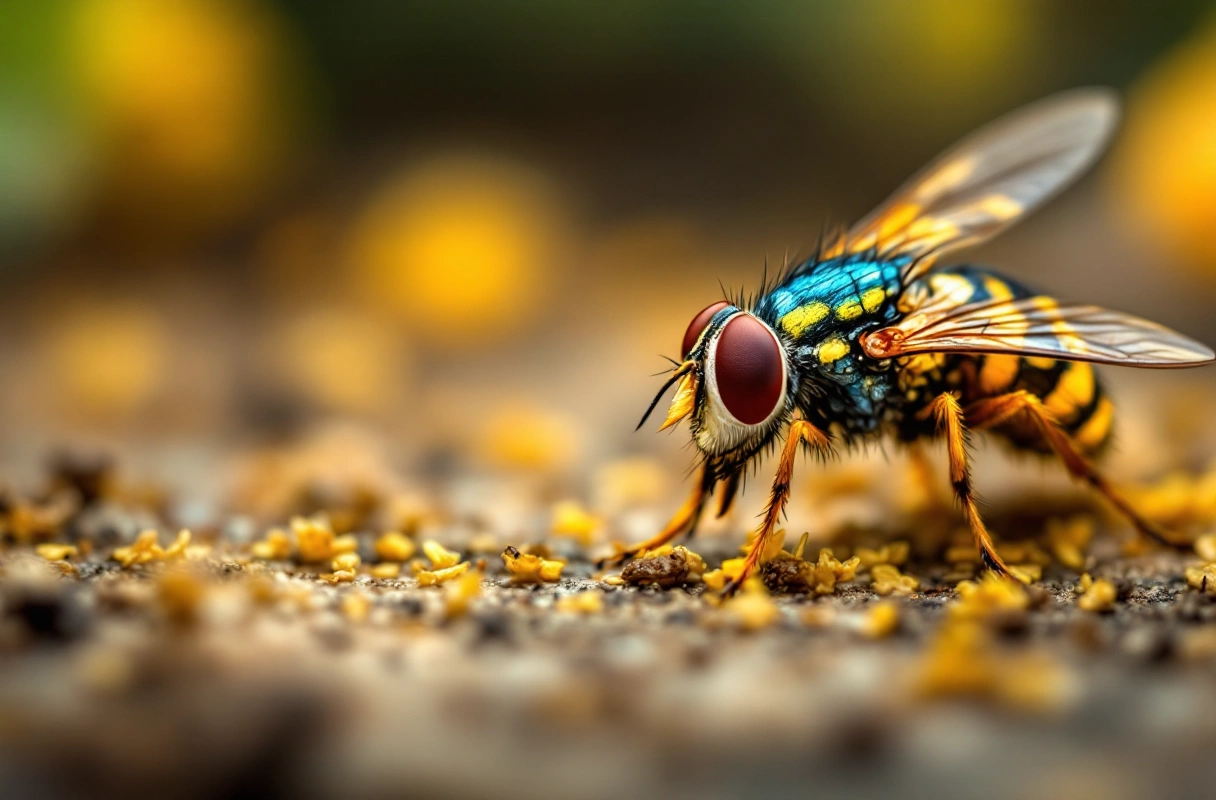
The lifecycle of fruit flies is relatively short, making them prolific breeders. A typical fruit fly lifecycle consists of four stages: egg, larva, pupa, and adult. Female fruit flies can lay up to 500 eggs at a time on the surface of fermenting fruits and vegetables, which serve as a food source for the larvae once they hatch. The eggs hatch within 24 to 30 hours, and the larvae feed on the decaying organic material for about four to six days before pupating.
Factors influencing the reproduction of fruit flies include temperature and the availability of food sources. Warm temperatures can accelerate their lifecycle, allowing them to reproduce rapidly. In ideal conditions, fruit flies can go from egg to adult in as little as eight to ten days, leading to swift population growth. This is why it is critical to address fruit fly infestations promptly to prevent them from multiplying.
Comparing Drain Flies and Fruit Flies
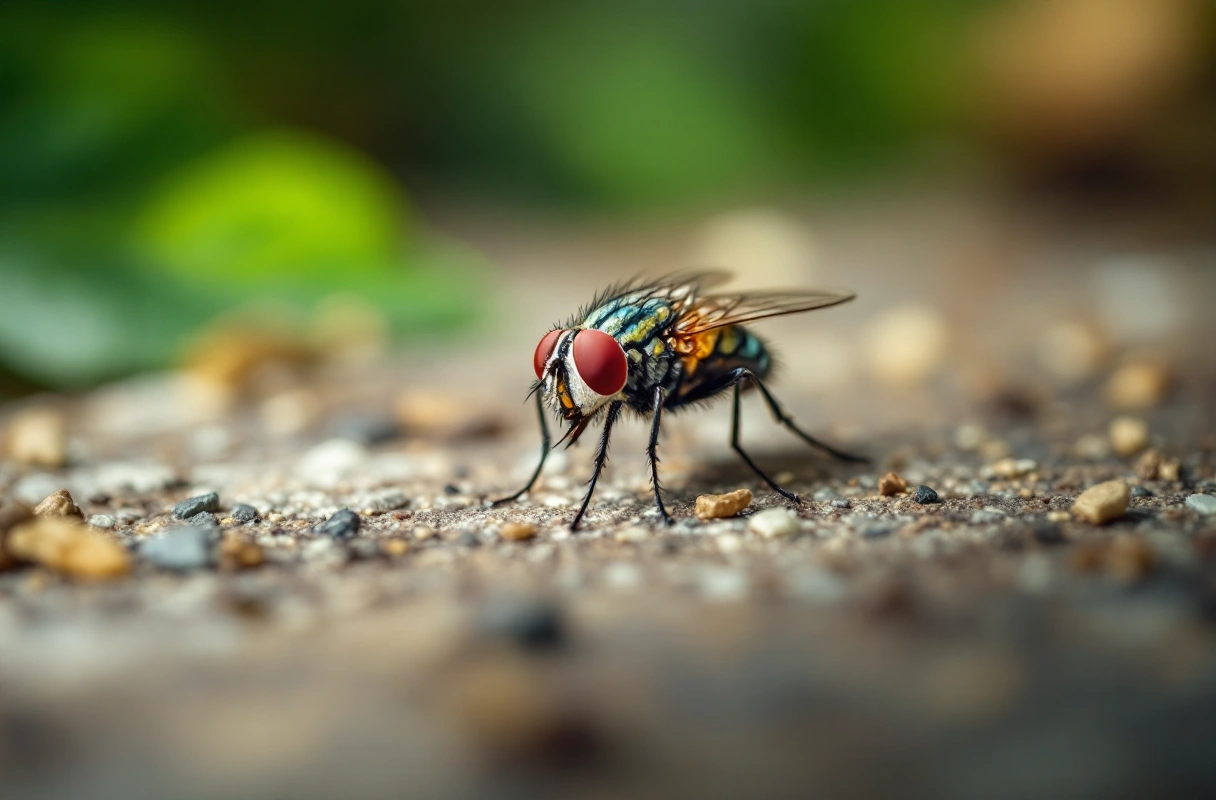
When examining drain flies versus fruit flies, there are notable differences in both appearance and behavior. Drain flies are characterized by their fuzzy bodies and broad, rounded wings, while fruit flies are more slender with a tan or light brown coloration and have red eyes. The behavior of these flies also differs; drain flies are often found resting on walls or ceilings in moist areas, whereas fruit flies are typically seen around ripe or decaying fruits and vegetables.
To differentiate between the two, pay attention to their habitats and feeding preferences. Drain flies thrive in areas with stagnant water, often breeding in the organic matter found in drains, while fruit flies are attracted to sugary substances and fermenting produce. If you are unsure which type of fly is present, consider capturing one for closer inspection or using a magnifying glass to examine its features.
Effective Strategies to Eliminate Drain Flies
Eliminating drain flies requires a systematic approach to identify and treat the infestation. Start by locating the breeding sites, which are typically found in drains, sinks, or areas with standing water. You can do this by inspecting your plumbing for dark, sticky residues or larvae. Once you identify the source, clean the affected areas thoroughly using a mixture of hot water and vinegar to remove any organic matter.
Recommended pest control methods for drain flies include the use of commercial drain cleaners that target organic buildup. Additionally, placing fly traps specifically designed for drain flies can help capture adult insects and reduce their population. Regular maintenance of your plumbing, such as cleaning drains and fixing leaks, can also prevent future infestations.
Proven Methods to Get Rid of Fruit Flies
When it comes to getting rid of fruit flies, there are several effective DIY solutions and store-bought options available. One popular method is to create a fruit fly trap using a jar filled with apple cider vinegar and a few drops of dish soap. The vinegar attracts the flies, while the soap breaks the surface tension, trapping them inside.
In addition to traps, keeping your kitchen clean and free from overripe fruits and vegetables is essential. Store produce in the refrigerator and promptly dispose of any waste to minimize their food sources. For persistent infestations, consider using commercial fruit fly traps that are designed to attract and eliminate these pests. Preventive measures, such as sealing food containers and regularly cleaning surfaces, are also crucial in avoiding future issues.
Understanding the Differences Between Drain Flies and Fruit Flies
In summary, understanding the differences between drain flies and fruit flies is essential for effective pest control. Drain flies are commonly found in moist areas and breed in organic matter within drains, while fruit flies are attracted to decaying produce and reproduce rapidly in warm conditions. By knowing how to identify these pests and implementing appropriate elimination strategies, you can maintain a fly-free environment in your home.
If you find yourself struggling with a fly infestation, Pest Patrol is here to help. With expert knowledge and proven strategies, we can assist you in effectively managing and eliminating both drain flies and fruit flies. Don’t let these pests take over your space; contact Pest Patrol for tailored solutions that ensure your home remains a comfortable and fly-free zone.