

As a property manager, you need to treat roach prevention as a systematic operational priority, not a reactive task. Roaches exploit moisture, food debris, structural gaps, and inconsistent sanitation standards — conditions common in multi-unit buildings. You’re legally required to maintain habitable conditions, and unaddressed infestations expose you to rent withholding claims and health code violations. Seal entry points, enforce cleanliness policies, and respond to tenant reports within 24 hours. Everything you need to build a solid prevention strategy is covered ahead.
Key Takeaways
-
Multi-unit properties are especially vulnerable to roach infestations due to shared walls, plumbing systems, inconsistent cleaning standards, and high tenant turnover.
-
Pest control is a legal habitability requirement, and unaddressed infestations expose property managers to rent withholding, lease termination, and fines.
-
Kitchens, bathrooms, basements, and utility areas are primary hotspots requiring systematic inspections with documented findings, photos, and tenant signatures.
-
Roaches enter through gaps as small as 1/16 inch, making sealing pipe penetrations with silicone caulk and installing door sweeps essential.
-
Acknowledge pest reports within 24 hours, schedule inspections within 48 hours, and maintain a licensed pest control vendor for emergencies.
Why Roaches Target Rental Properties in the First Place
Roaches are opportunistic survivors, and rental properties offer them everything they need to thrive: food, moisture, warmth, and shelter. Understanding roach behavior helps you identify why multi-unit buildings are particularly vulnerable.
Shared walls, plumbing systems, and utility conduits create interconnected pathways that allow infestations to spread rapidly between units. Rental conditions often accelerate the problem — inconsistent cleaning standards, delayed maintenance requests, and high tenant turnover each introduce new infestation risks.
Cockroaches exploit minor structural deficiencies, including gaps around pipes, deteriorating weatherstripping, and unsealed wall penetrations. They’re drawn to kitchens and bathrooms where moisture accumulates and food debris collects.
As a property manager, recognizing these environmental triggers isn’t optional — it’s foundational to implementing any effective prevention strategy before infestations establish and compound.
Why a Roach Problem Can Become Your Legal Problem
When a roach infestation goes unaddressed, your liability exposure as a property manager escalates quickly.
Most jurisdictions classify pest control as a habitability requirement under landlord-tenant law. That means you’re legally obligated to maintain pest-free conditions, and failing to do so directly violates tenant rights.
Tenants can pursue several remedies against you, including rent withholding, repair-and-deduct actions, lease termination, and civil litigation.
Courts have ruled consistently in favor of tenants when documented infestations demonstrate negligence on the property manager’s part.
Your legal liabilities don’t stop at civil claims. Health code violations can trigger municipal fines, failed inspections, and mandatory remediation orders.
Proactive documentation, scheduled inspections, and rapid response protocols are your strongest defenses against escalating exposure.
Prevention isn’t just operational—it’s a legal imperative.
The Property Hotspots Where Roaches Take Hold First
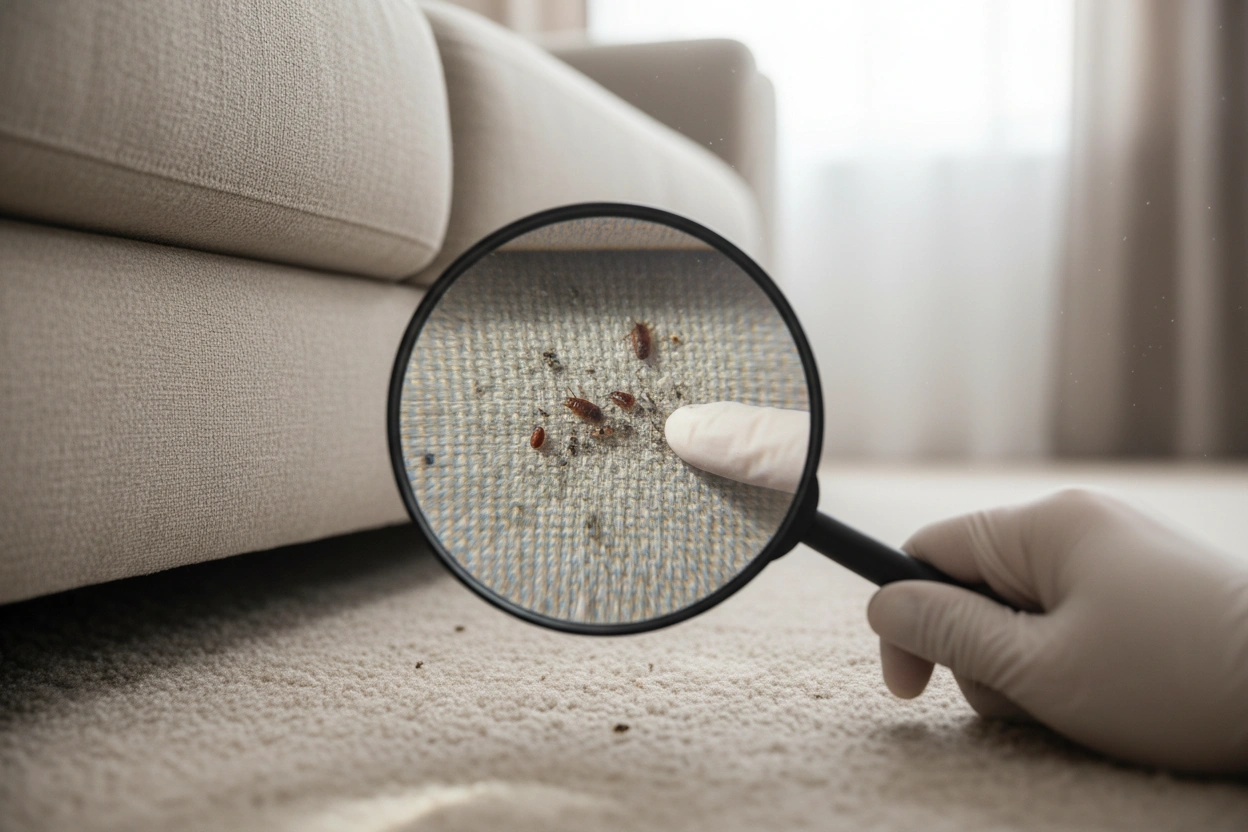
Roaches don’t settle randomly—they target specific structural and environmental conditions your property already provides.
Kitchens and bathrooms offer moisture, warmth, and food residue; basements and utility rooms provide darkness and pipe access; and gaps around doors, windows, and utility penetrations serve as primary entry channels.
Once you’ve identified these hotspots, you can build a prevention strategy that cuts off each vulnerability before an infestation takes hold.
Kitchen And Bathroom Vulnerabilities
Two rooms account for the majority of roach infestations in residential and commercial properties: the kitchen and the bathroom.
Kitchen sanitation failures create immediate roach attractants — grease buildup behind appliances, food debris beneath refrigerators, and moisture around sink drains all signal ideal harborage conditions. You’ll find roaches exploiting these vulnerabilities within days of a sanitation lapse.
Bathroom maintenance gaps present equally serious risks. Leaking pipes beneath vanities, deteriorating caulk around tubs, and poor ventilation create the persistent moisture roaches require to survive.
They’ll establish harborage inside wall voids adjacent to plumbing lines, making detection difficult.
As a property manager, you must implement systematic inspection protocols for both rooms, addressing moisture sources and sanitation deficiencies before roach populations establish themselves and spread to adjacent units.
Basement And Utility Areas
Basements and utility areas function as primary infestation entry points before roaches ever reach tenant-occupied spaces.
You’ll find roaches exploiting basement humidity levels above 50%, which creates ideal breeding conditions behind water heaters, beneath HVAC units, and along foundation walls.
Address utility leaks immediately — even minor pipe sweating provides sufficient moisture to sustain colonies for months.
Conduct quarterly inspections targeting these specific vulnerabilities:
-
Pipe penetrations: Seal gaps where plumbing enters walls using copper mesh and expanding foam
-
Floor drains: Install drain covers with tight-fitting screens
-
Electrical conduits: Apply fire-rated sealant around conduit entry points
-
Sump pump areas: Monitor moisture accumulation and improve drainage
Installing dehumidifiers maintaining 40-45% relative humidity greatly reduces roach survivability in these critical zones.
Entry Points And Gaps
Three structural vulnerabilities consistently serve as primary roach entry points across most residential and commercial properties: foundation gaps, utility penetrations, and door/window perimeter failures.
Your entry point identification process should begin with these three zones before expanding to secondary locations.
Foundation gaps appear where concrete sections settle unevenly or where masonry meets framing.
Utility penetrations occur wherever pipes, conduits, or cables breach exterior walls.
Door and window perimeters fail when weatherstripping deteriorates or frames shift seasonally.
Gap sealing protocols must address each vulnerability type differently.
Foundation gaps require hydraulic cement or polyurethane caulk.
Utility penetrations need copper mesh backing before applying foam sealant.
Door perimeters demand weatherstripping replacement combined with door sweep installation.
Document every identified entry point with photographs and GPS coordinates for systematic remediation tracking.
How to Seal Entry Points Against Roaches Before They Get In
Roaches need only a 1/16-inch gap to squeeze through, so sealing entry points is one of the most cost-effective defenses you can implement across a property.
Begin with systematic entry point identification, inspecting pipe penetrations, utility conduits, door sweeps, window frames, and foundation cracks.
Prioritize high-risk zones: kitchens, bathrooms, and basement-level utility rooms.
For effective sealing, match your material to the gap type.
Use silicone caulk for static joints around plumbing and baseboards.
Apply expanding foam for larger voids in wall cavities.
Install door sweeps with tight tolerances on all exterior-facing units.
Replace deteriorated weatherstripping immediately.
Document every sealed location with photos and reinspection dates.
Recheck seals quarterly, since building settlement and temperature cycling gradually reopen gaps you’ve already addressed.
How to Set and Enforce Cleanliness Standards Across Your Property
Once you’ve sealed your property’s entry points, you’ll need to establish written cleanliness policies that define acceptable standards for food storage, waste disposal, and common area maintenance.
Distribute these policies to all tenants at move-in and post them in shared spaces so expectations are unambiguous.
Reinforce compliance through scheduled and unannounced inspections, documenting violations and issuing corrective notices promptly to prevent conditions that attract roaches.
Establishing Clear Cleanliness Policies
While pest-proofing your building’s physical structure is essential, it means little if tenants are leaving food out, failing to bag trash, or letting dishes pile up for days.
Establish written cleanliness policies within your lease agreements, specifying exact expectations around food storage, waste disposal, and kitchen maintenance.
Implement cleaning schedules for shared spaces, designating responsibility clearly so no area goes unmonitored.
Tenant education is equally critical—distribute move-in packets outlining how poor sanitation directly enables roach infestations.
Host brief orientation sessions explaining proper trash bagging, recycling protocols, and drain maintenance.
When violations occur, document them promptly and issue written notices referencing specific lease clauses.
Consistent enforcement signals that cleanliness standards aren’t suggestions—they’re contractual obligations that protect every resident’s living environment.
Enforcing Standards Through Inspections
Document every finding with dates, photos, and tenant signatures. When violations appear, issue written notices with clear correction deadlines and follow-up inspection dates.
Track repeat violations systematically, as patterns often reveal units requiring professional pest intervention before infestations spread.
Share your inspection criteria with tenants upfront so expectations stay transparent. Consistent enforcement removes ambiguity, discourages negligence, and creates a defensible paper trail should lease violations escalate to formal proceedings.
What to Put in Your Lease to Keep Roaches Out
Your lease agreement is one of the most powerful tools you’ve got for preventing roach infestations before they start. Draft specific lease clauses that clearly define tenant responsibilities around sanitation, food storage, and waste disposal.
Require tenants to report pest sightings within 48 hours, store food in sealed containers, and dispose of garbage in designated receptacles only. Specify that tenants who introduce infestations through negligence bear partial or full remediation costs.
Include language prohibiting clutter accumulation that creates harborage conditions. Define what constitutes a lease violation in pest-related terms, and outline the consequences.
When tenants understand their legal obligations from move-in day, you establish accountability early. Clear, enforceable language removes ambiguity and gives you documented grounds to act when violations occur.
How to Respond Fast When Tenants Report Roaches
Strong lease language sets the foundation, but it only pays off when you back it up with a fast, structured response the moment a tenant reports roaches.
Establish clear tenant communication protocols before an infestation occurs. When a report comes in, acknowledge it within 24 hours, document the complaint in writing, and schedule an inspection within 48 hours.
Your emergency procedures should include a licensed pest control vendor on call, a standardized inspection checklist, and written findings shared with the tenant.
Identify whether the source is unit-specific or building-wide, then treat accordingly. Log every step—dates, technician names, treatment methods, and follow-up schedules.
Speed and documentation protect you legally and demonstrate professional accountability.
When Roach Prevention Requires a Professional Pest Control Service
While self-managed baiting and sealing can handle minor activity, certain conditions demand a licensed pest control professional—and recognizing that threshold early prevents a manageable problem from becoming a building-wide infestation.
Professional intervention becomes necessary when:
-
Multiple units report simultaneous activity, indicating colony spread beyond isolated zones.
-
DIY treatments fail after two application cycles, signaling possible pesticide resistance or inaccessible harborage points requiring specialized equipment.
-
German cockroaches are confirmed, as their rapid reproduction rate and harborage behavior make them nearly impossible to eliminate without integrated pest management protocols.
When you’re facing any of these conditions, contact a licensed pest management provider immediately.
They’ll conduct a thorough inspection, identify infestation scope, and deploy targeted treatment plans that self-managed approaches simply can’t replicate at scale.
Frequently Asked Questions
Can Roaches Spread From One Rental Unit to Neighboring Units?
Yes, roaches can absolutely spread between units through shared walls, pipes, and vents. You’ll need proactive pest control measures to stop roach migration before it escalates into a building-wide infestation affecting multiple tenants simultaneously.
How Do Roaches Affect Property Values and Tenant Retention Rates?
Roach infestations directly damage your property reputation and slash tenant satisfaction, driving occupancy rates down. You’ll face decreased rental income, costly legal disputes, and struggle to retain quality tenants who’ll actively seek cleaner, well-maintained alternatives.
Are Certain Roach Species Harder to Eliminate Than Others?
Yes, certain species are harder to eliminate. German roaches’ rapid reproduction complicates elimination strategies, while American roaches’ outdoor roach behavior requires different approaches. You’ll need species-specific tactics to effectively address each infestation type.
Do Roaches Pose Direct Health Risks to Tenants Beyond Contamination?
Yes, roaches pose direct health risks beyond contamination. You’ll notice infestation signs like shed skins and droppings, which trigger asthma and allergies. These health implications include transmitting pathogens such as Salmonella, E. coli, and parasitic worms to tenants.
Can Natural or DIY Roach Deterrents Work in Rental Properties?
Yes, you can deploy natural remedies and DIY solutions like boric acid, diatomaceous earth, and essential oils as supplementary deterrents, but they’re most effective when you’ve already sealed entry points and eliminated moisture sources.
Conclusion
Roach prevention isn’t a one-time task—it’s an ongoing management system. You’ll need to combine structural sealing, enforceable lease language, tenant accountability, and professional pest control partnerships to stay ahead of infestations. Document every inspection, respond quickly to reports, and don’t wait for a full infestation before acting. When you treat prevention as a core operational responsibility rather than a reactive measure, you’ll protect your property, your tenants, and your legal standing simultaneously.