
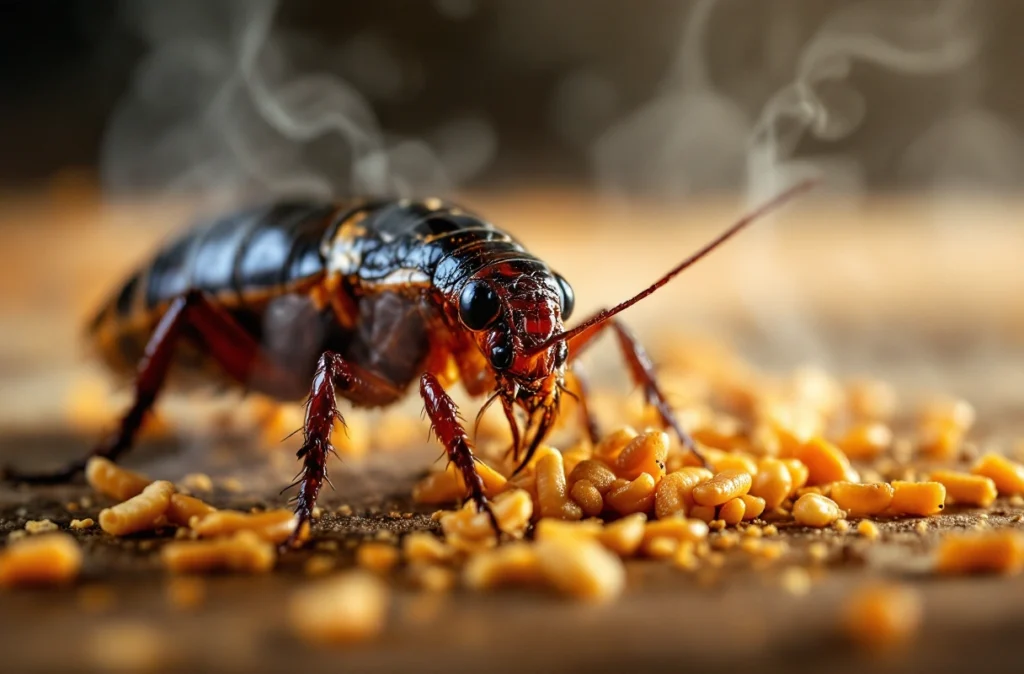
Did you know that your kitchen might be a buffet for cockroaches? These resilient pests are notorious for invading homes, particularly kitchens, where food and moisture abound. Understanding what smells or foods attract roaches the most can be crucial for effective pest control and prevention. This article goes into surprising foods and smells that attract roaches, providing insights on how to protect your home from these pests.
Common Kitchen Foods That Roaches Can’t Resist

Identifying the top food attractants for roaches is the first step in combating their presence in your kitchen. Roaches are omnivorous scavengers, meaning they will consume a wide variety of foods. However, certain items are particularly appealing to them. Some of the most common foods that attract roaches include:
-
Sugary substances: Foods high in sugar, such as candies, syrups, and even some fruits, are irresistible to roaches. They are drawn to the sweet scent and the energy that sugar provides.
-
Greasy foods: Leftover grease from cooking can be a powerful attractant. Roaches thrive on the oils and fats left behind on countertops, stovetops, and even in the drains.
-
Starchy foods: Items like bread, pasta, and rice are not only nutritious for humans but also for roaches. The starches in these foods provide a significant energy source.
How food storage practices can impact roach activity is equally important. If food is not stored properly, it can create an open invitation for roaches. Using airtight containers and regularly cleaning up spills can significantly reduce the likelihood of attracting these pests. Additionally, always check for expired food items and dispose of them promptly to eliminate potential roach food sources.
Unseen Smells That Lure Roaches Into Your Home

Examining how specific smells attract cockroaches reveals the hidden factors that contribute to their presence in our homes. Roaches have a keen sense of smell, which they use to locate food. Certain kitchen smells can be particularly enticing to them:
-
Cooking odors: The aroma of freshly cooked meals can act as a beacon for roaches. The scents of frying, baking, or simmering can travel through the air and lead roaches straight to your kitchen.
-
Food waste: The smell of decomposing food in trash cans or compost bins can attract roaches from great distances. Even small remnants left on plates can produce odors strong enough to lure them in.
-
Moisture: Roaches are also attracted to damp areas. The smell of mildew or mold can signal a potential habitat for these pests, encouraging them to invade your home.
The role of food preparation smells in attracting pests cannot be underestimated. To mitigate this, ensure that food is stored correctly, and clean surfaces regularly to remove any lingering odors. Additionally, be cautious with waste disposal, ensuring that trash bins are sealed tightly to contain any enticing smells.
Understanding Roach Bait Preferences for Effective Control

Discussing how knowledge of roach preferences aids pest control can provide valuable insights into effective strategies. Understanding what attracts roaches can help in selecting the right bait. Roaches tend to prefer certain types of bait based on their nutritional needs and the environment. For instance, gel baits are often favored because they mimic the food sources that roaches naturally seek out.
Different types of baits and their effectiveness against roaches can vary significantly. The most common bait types include:
-
Gel baits: These are effective because they can be placed in small cracks and crevices where roaches hide. The gel consistency allows roaches to consume the bait easily.
-
Boric acid baits: This classic method has been used for years. When ingested, boric acid disrupts the roach’s digestive system and leads to death.
-
Granular baits: These can be spread around areas where roaches are likely to travel. They are particularly effective in outdoor settings or in basements.
To maximize the effectiveness of any bait, it is essential to place it strategically in areas where roaches are active, such as near food sources or in dark, hidden spaces. Monitoring and replenishing the bait regularly can ensure continued effectiveness in controlling roach populations.
Effective Strategies for Preventing Roach Infestations
Providing actionable tips for keeping kitchens roach-free is vital for homeowners looking to protect their space. Prevention is often the best strategy when it comes to dealing with roaches. Here are some effective strategies:
-
Regular cleaning: Keeping your kitchen clean is paramount. Wipe down surfaces daily, sweep and mop floors frequently, and ensure that food crumbs are promptly cleaned up.
-
Seal entry points: Inspect your home for cracks and crevices that may serve as entry points for roaches. Seal these with caulk or other appropriate materials to deny them access.
-
Proper food storage: Store food in airtight containers to prevent roaches from accessing it. This includes pet food, which can also attract these pests.
Discussing the importance of regular cleaning and maintenance cannot be overstated. Establishing a routine for deep cleaning, including scrubbing appliances and checking for leaks, can help eliminate potential nesting sites for roaches. Additionally, consider using preventive measures such as essential oils or natural repellents that can deter roaches from entering your home.
What Smells or Foods Attract Roaches the Most? Insights from Pest Patrol
Understanding what smells or foods attract roaches the most is crucial for maintaining a pest-free kitchen. By recognizing the common kitchen foods that roaches can’t resist, the unseen smells that lure them in, and the strategies for best practices for pest control, you are better equipped to combat these unwanted invaders. Regular cleaning, proper food storage, and strategic use of baits can all contribute to a roach-free environment.
For professional assistance and more information, contact Pest Patrol today. Let us help you create a clean and roach-free environment in your home.