
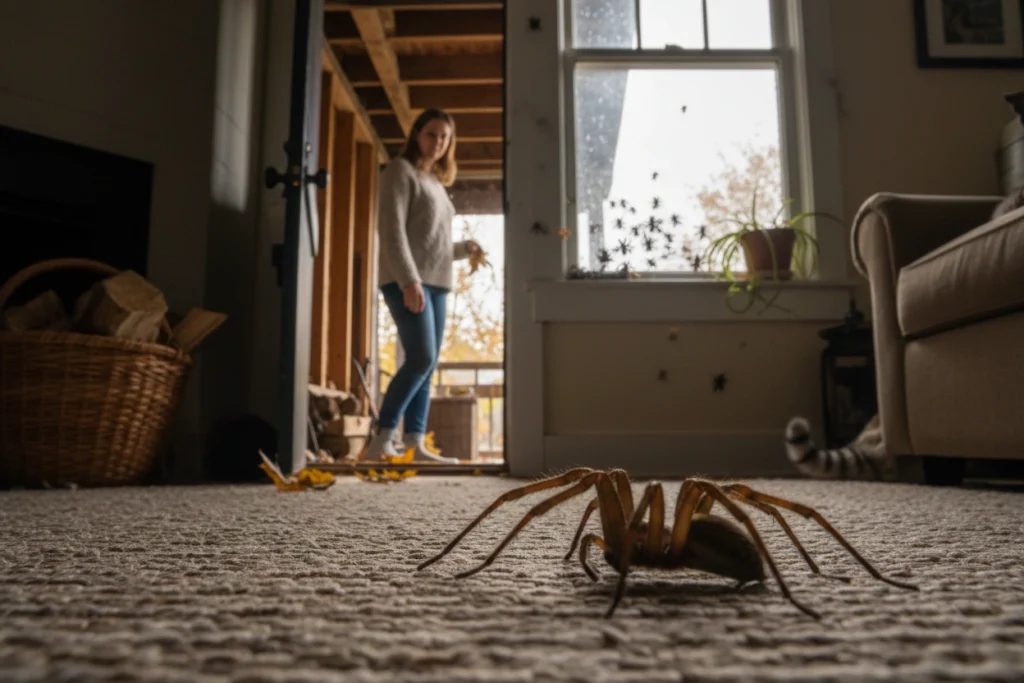
Have you noticed an alarming increase in spiders scuttling across your floors? You’re not alone. Many homeowners experience a sudden influx of these eight-legged creatures, often leading to feelings of unease and confusion. Understanding the reasons behind this phenomenon can help you take effective measures to manage and prevent spider activity in your home.
In this article, we will explore the common reasons behind the sudden rise in spider sightings in your home and provide effective prevention strategies. By addressing environmental factors, identifying common house spider species, and implementing proactive control methods, you can create a spider-free living space.
Uncovering the Reasons Behind Increased Spider Sightings

Why am I seeing more spiders in my house all of a sudden? This question often arises when homeowners notice a spike in spider activity. Several environmental changes and seasonal behaviors contribute to increased spider sightings indoors.
Environmental Changes That Attract Spiders
Spiders are drawn to environments that offer food, shelter, and favorable conditions. Changes in your surroundings can inadvertently create an inviting habitat for these pests. Common environmental factors include:
-
Increased Food Supply: An uptick in other insects, such as flies and mosquitoes, can lead to more spiders in your home, as they prey on these pests.
-
Seasonal Weather Patterns: Warm weather can push spiders indoors as they seek refuge from heat and drought. Conversely, as temperatures drop in the fall, spiders often look for warmth in homes.
-
Landscaping Changes: If you’ve recently altered your garden or landscaping, this can disturb spider habitats and drive them inside.
Seasonal Behaviors Leading to More Indoor Spiders
Spiders exhibit seasonal behaviors that can lead to increased indoor sightings. During certain times of the year, particularly fall, many species seek warmer environments to survive. This migration indoors can result in a noticeable uptick in spider activity. Additionally, during the spring, spiders may reproduce, leading to a higher population density.
Understanding these dynamics can help homeowners anticipate and manage spider activity more effectively. By recognizing when these behaviors peak, you can take preemptive measures to minimize spider presence.
Recognizing Common House Spider Species
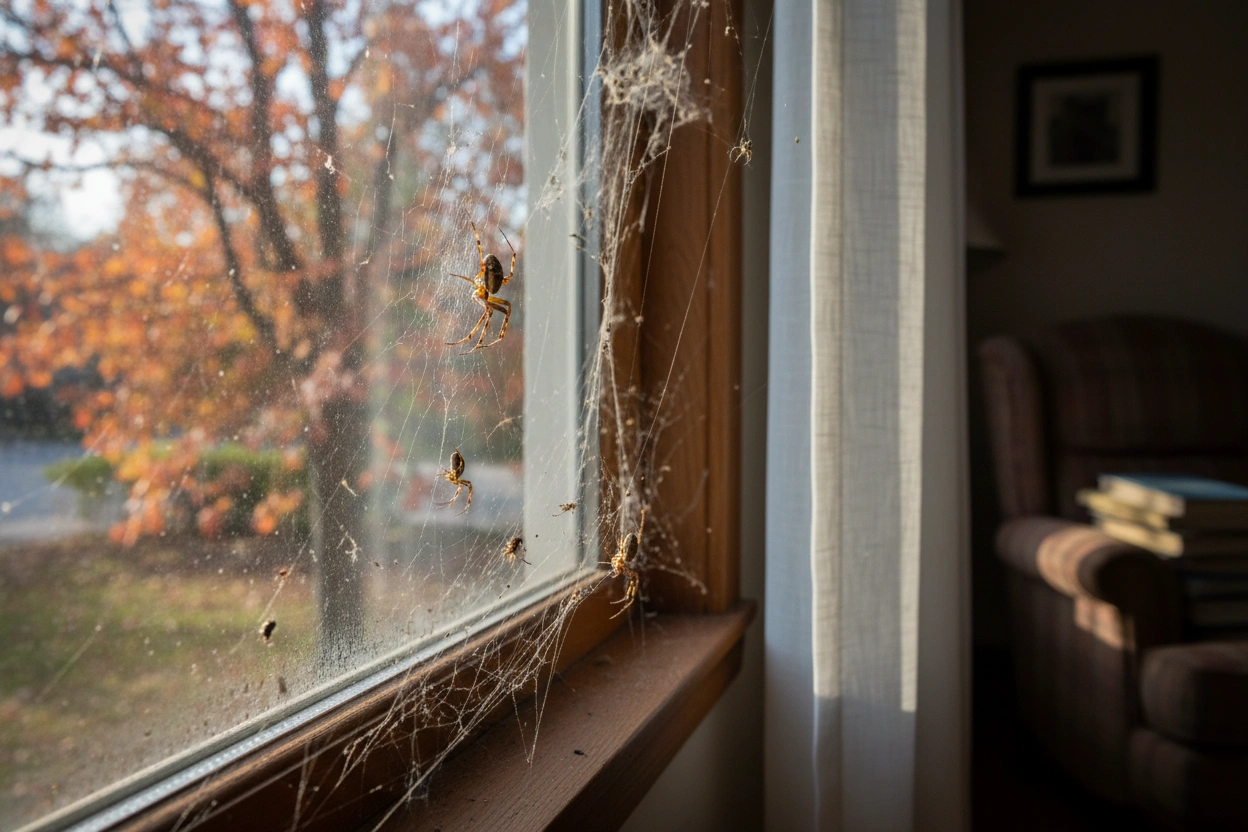
To effectively manage spider populations, it is crucial to identify common house spider species. Each species has distinct behaviors and characteristics that can influence how they interact with your home environment.
Overview of Common Indoor Spider Species
Several spider species are commonly found in homes. Here are a few notable examples:
-
Common House Spider (Parasteatoda tepidariorum): This species is often recognized by its light brown color and rounded abdomen. They are harmless and primarily feed on household insects.
-
Wolf Spider (Lycosidae family): These spiders are larger and more aggressive, often found in basements and garages. They do not spin webs but hunt for prey.
-
Daddy Longlegs (Opiliones): Though not true spiders, these arachnids are often mistaken for them. They are harmless and primarily feed on decaying matter.
Identifying Species to Understand Behavior
Identifying the species in your home can guide your control strategies. For instance, if you notice wolf spiders, you may need to address underlying moisture problems or seal entry points, as they prefer dark, damp areas. On the other hand, common house spiders can often be managed with simple cleaning and decluttering efforts.
Understanding the species present in your home allows you to tailor your approach to spider management effectively.
Effective Spider Prevention Methods for Your Home
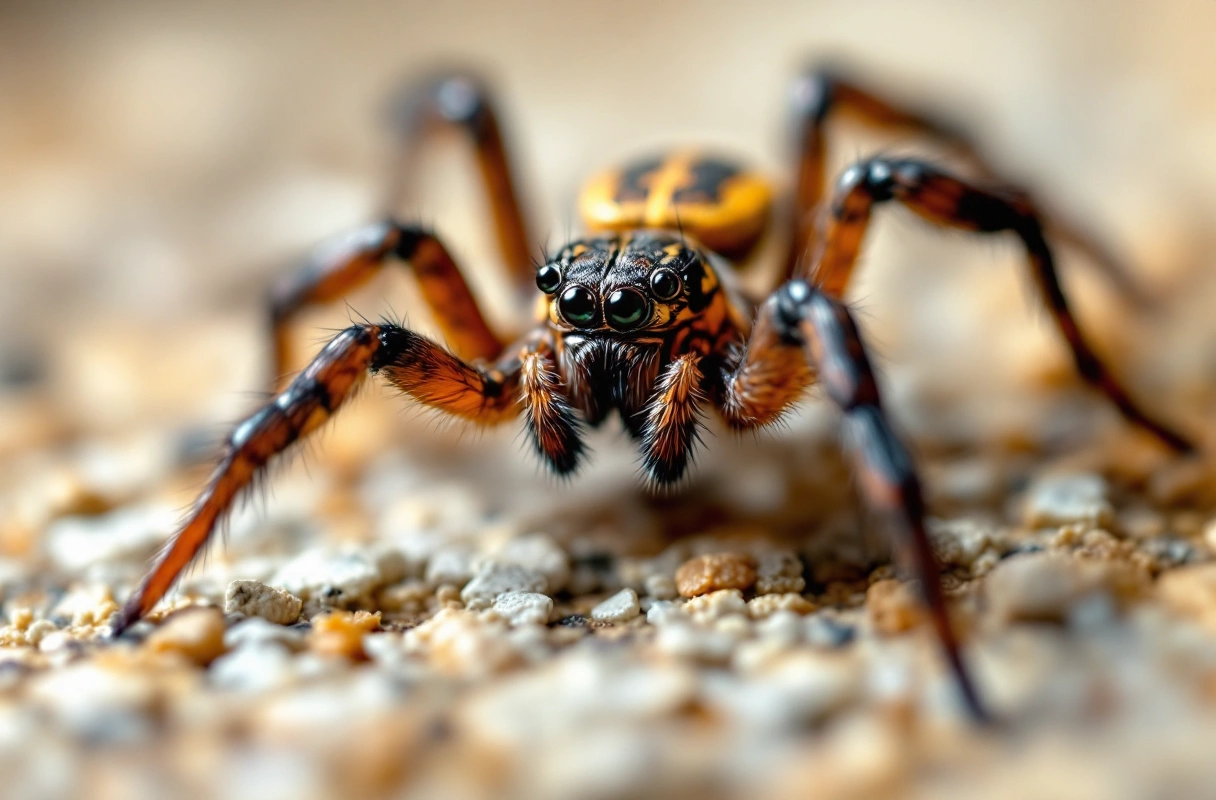
Proactive measures can significantly reduce spider populations in your home. Implementing best practices for household pest management is essential to creating an inhospitable environment for spiders.
Proactive Measures to Reduce Spider Populations
-
Seal Entry Points: Inspect and seal cracks in windows, doors, and walls to prevent spiders from entering your home. Use caulk or weather stripping to close gaps.
-
Maintain Cleanliness: Regularly vacuum and dust your home to eliminate spider webs and remove potential food sources. Pay special attention to corners, attics, and basements.
-
Reduce Clutter: Minimize clutter in your home, as spiders often hide in boxes, piles of clothes, and other disorganized areas. Organizing your space can make it less inviting for spiders.
Best Practices for Household Pest Management
-
Regular Inspections: Conduct routine inspections of your home to identify spider activity and potential entry points.
-
Outdoor Maintenance: Keep your yard tidy by trimming vegetation and removing debris. This reduces the likelihood of spiders migrating indoors.
-
Natural Deterrents: Consider using natural repellents such as peppermint oil or vinegar sprays around entry points to deter spiders.
By following these prevention methods, you can significantly decrease the likelihood of a spider infestation and create a more comfortable living environment.
Understanding Spider Population Growth Dynamics
To effectively manage spider populations, it’s essential to understand the dynamics of spider population growth. Various factors contribute to increases in spider populations, influencing their presence in homes.
Factors Contributing to Spider Population Increases
Several factors can lead to a spike in spider populations, including:
-
Climate Change: Warmer temperatures and shifting weather patterns can create more favorable conditions for spider reproduction and survival.
-
Urbanization: As urban areas expand, spiders often adapt to new environments, leading to increased sightings in residential areas.
-
Food Availability: A rise in other insect populations can lead to more spiders, as they thrive in environments with ample food sources.
The Ecological Role of Spiders in Pest Control
Spiders play a crucial ecological role in controlling pest populations. By preying on insects, they help maintain a balance in the ecosystem. Understanding this role can help homeowners appreciate spiders’ presence while implementing effective control measures to manage their populations.
The Intersection of Spider Sightings and Pest Control Strategies
As we’ve explored throughout this article, the question of why you are seeing more spiders in your house all of a sudden can often be traced back to environmental factors, seasonal behaviors, and the characteristics of common house spider species. Effective spider prevention methods and an understanding of spider population dynamics can empower homeowners to manage their pest issues proactively.
If you’re dealing with increased spider activity in your home, contact Pest Patrol today for expert assistance and tailored pest management solutions.