
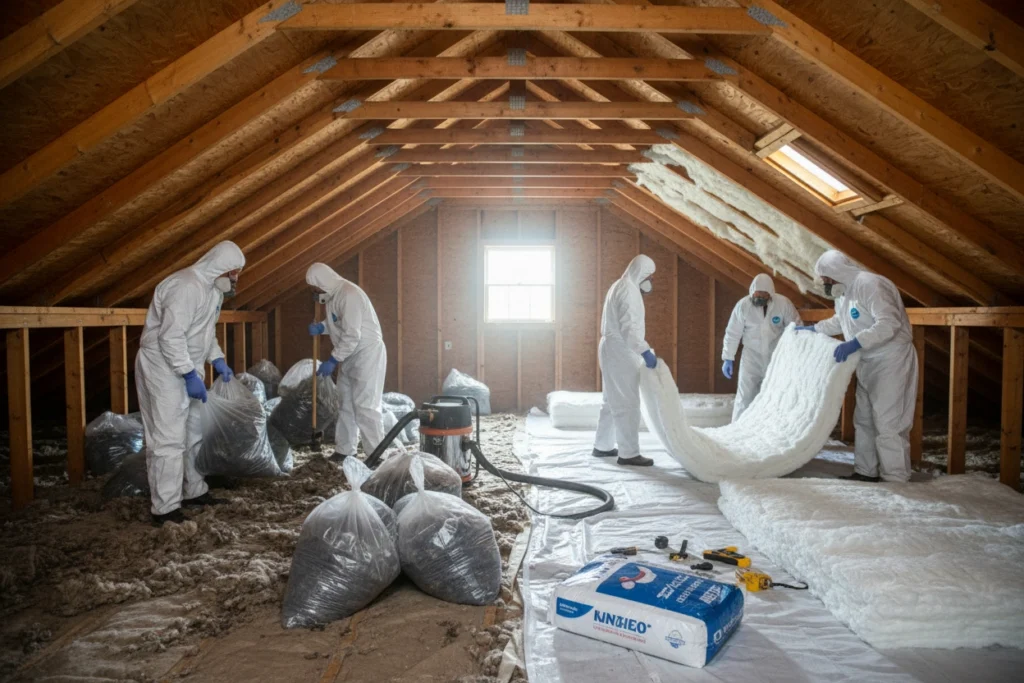
Is your insulation harboring hidden dangers? Contaminated insulation can lead to serious health and safety issues, such as mold growth, pest infestations, and reduced energy efficiency. Understanding the costs associated with removing and replacing contaminated insulation is crucial for homeowners. This article explores the various factors influencing pricing, what to expect during the process, and how to make informed decisions about your insulation needs.
Why Insulation Quality Matters for Your Home
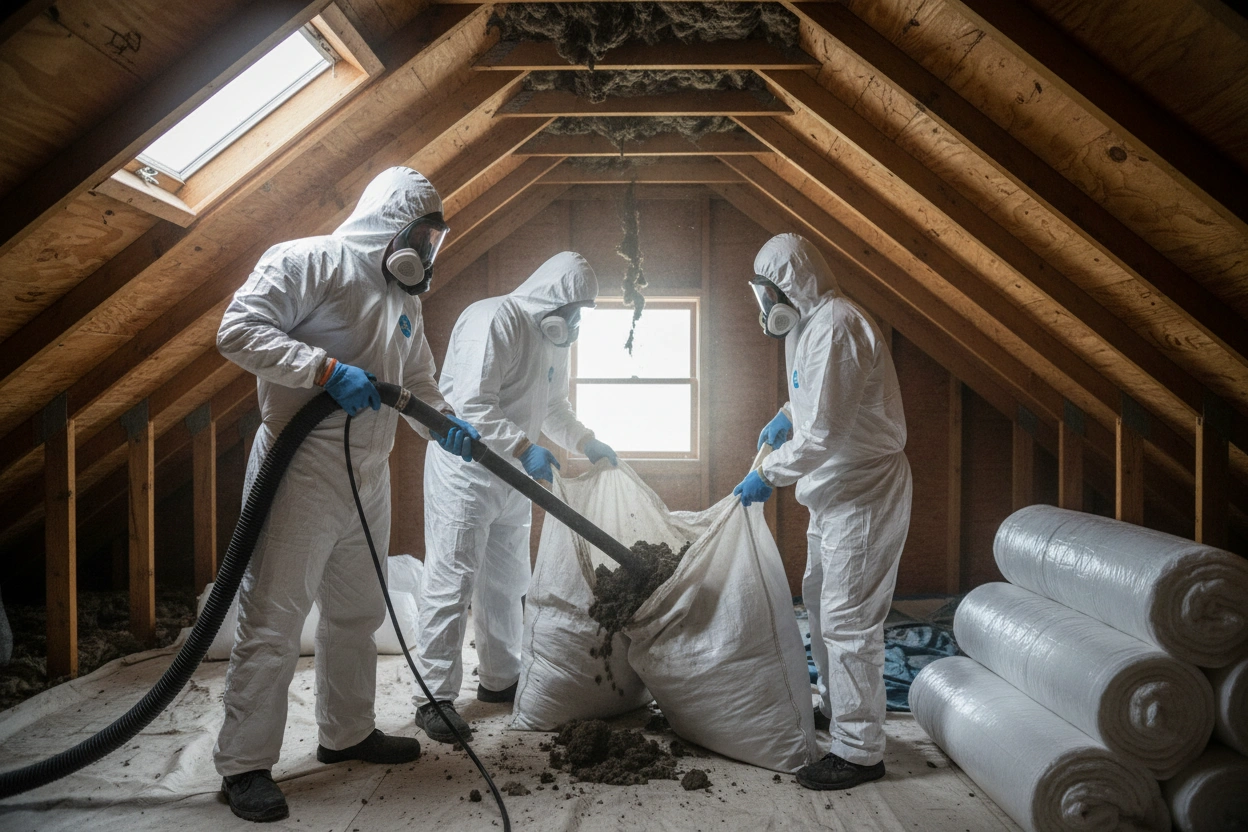
The quality of insulation in your home plays a pivotal role in both energy efficiency and comfort. Proper insulation acts as a barrier, keeping your home warm in winter and cool in summer. Contaminated insulation, however, can compromise this barrier. It can be a breeding ground for mold, bacteria, and pests, which not only affects the air quality in your home but also poses serious health risks to you and your family.
When insulation becomes contaminated—whether due to water damage, pest droppings, or other environmental factors—it can lose its effectiveness and become a health hazard. Mold spores released into the air can cause respiratory issues, allergies, and other health problems. This is why understanding how much it costs to remove and replace contaminated insulation is essential for maintaining a safe and healthy living environment.
Breaking Down Insulation Removal Costs
Insulation removal costs can vary significantly based on several factors. On average, homeowners can expect to pay between $1.00 and $3.00 per square foot for insulation removal. However, the total cost can fluctuate depending on the type of insulation being removed, the complexity of the job, and the geographical location. For instance, removing blown-in insulation may be more labor-intensive than removing batts, which can increase the overall expense.
Several factors influence the cost of insulation cleanup services, including:
-
Type of Contamination: Mold removal insulation typically requires specialized cleaning methods, which can elevate costs.
-
Accessibility: Insulation located in hard-to-reach areas, such as attics, may require additional labor and equipment.
-
Disposal Fees: The cost of insulation disposal can vary depending on local regulations and landfill fees, impacting the total removal cost.
Understanding these factors can help homeowners better anticipate the costs involved and prepare for the financial commitment of removing contaminated insulation.
Understanding Insulation Replacement Expenses
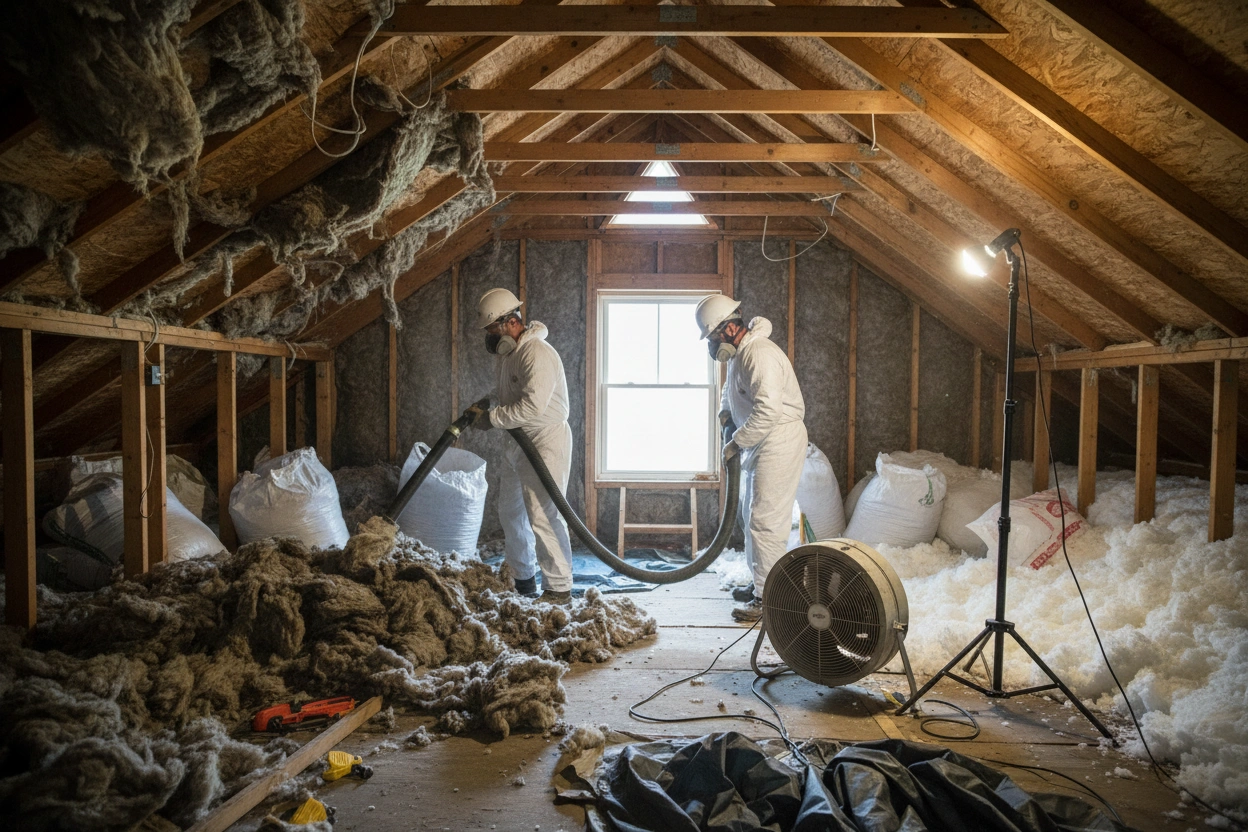
Once the contaminated insulation has been removed, the next step is replacement. Insulation replacement costs typically range from $1.50 to $4.00 per square foot, depending on the type of insulation chosen. Homeowners should consider various insulation materials, including fiberglass, cellulose, and spray foam, each with its own cost and performance characteristics.
When comparing different insulation materials, consider the following:
-
Fiberglass Insulation: Generally the most affordable option, priced between $0.50 and $2.00 per square foot, fiberglass insulation offers good thermal performance but may not be the best choice for moisture-prone areas.
-
Cellulose Insulation: Made from recycled paper products, cellulose insulation costs about $1.00 to $3.00 per square foot. It is an eco-friendly option that provides excellent soundproofing and thermal benefits.
-
Spray Foam Insulation: This high-performance option can cost between $2.50 and $7.00 per square foot but offers superior insulation properties and air sealing capabilities.
By understanding these costs and material options, homeowners can make informed decisions that align with their budgets and energy efficiency goals.
Choosing the Right Insulation Removal Company
Selecting a reputable insulation removal company is crucial for ensuring the job is done safely and effectively. When looking for insulation removal companies, consider the following factors:
-
Experience and Expertise: Choose a company with a proven track record in handling contaminated insulation removal. Look for certifications and training in mold remediation and environmental services.
-
Insurance and Licensing: Ensure the company is fully licensed and insured to protect yourself from liability in case of accidents or damages during the removal process.
-
Customer Reviews: Research customer feedback and testimonials to gauge the company’s reliability and quality of service.
Hiring professionals for contaminated insulation removal not only ensures compliance with safety regulations but also guarantees that the job will be performed efficiently, minimizing the risk of future contamination.
Tips for a Smooth Insulation Replacement Process
Planning and preparation are key to a successful insulation replacement process. Before installation, homeowners should take the following steps:
-
Conduct a Home Assessment: Evaluate the areas that require insulation replacement and identify any underlying issues, such as moisture problems or pest infestations.
-
Choose the Right Insulation: Based on your assessment, select an insulation material that meets your needs for thermal performance and moisture resistance.
-
Schedule the Installation: Coordinate with your chosen insulation company to schedule the installation at a convenient time, allowing ample time for the job to be completed.
During the insulation replacement process, expect the following:
-
Preparation Work: The area may need to be cleared of furniture and other items to ensure safe and efficient installation.
-
Insulation Installation: Professionals will install the new insulation according to manufacturer specifications and local building codes.
-
Final Inspection: After installation, a final inspection ensures that the insulation is correctly installed and that all safety measures have been adhered to.
By following these tips, homeowners can ensure a smooth and effective insulation replacement process, ultimately enhancing their home’s energy efficiency and safety.
When Contaminated Insulation Needs More Than a Patch Fix
Damaged or contaminated insulation is more than an energy efficiency issue. It can hold droppings, odors, and hidden pest activity that continues to affect your home long after the initial problem. Costs often vary based on how much insulation needs to be removed, the level of contamination, and whether pest proofing is required before replacement. Addressing both the insulation and the root cause ensures the problem does not return.
If you suspect your attic insulation has been affected by pests or want a clear assessment before moving forward, Pest Patrol can evaluate the condition and recommend the right next steps. Contact Pest Patrol for a free quote and take the next step toward a cleaner, more comfortable, and well protected home.