

Have you ever wondered why bed bug treatment costs can vary so widely? The price for eliminating these unwelcome pests can range significantly based on several factors. Understanding these elements is crucial for homeowners and renters alike, as it can help you make informed decisions when faced with a bed bug infestation. This article will explore the key factors that influence the costs associated with bed bug treatments, helping you navigate the often-confusing landscape of pest control pricing.
Understanding Bed Bug Treatment Costs
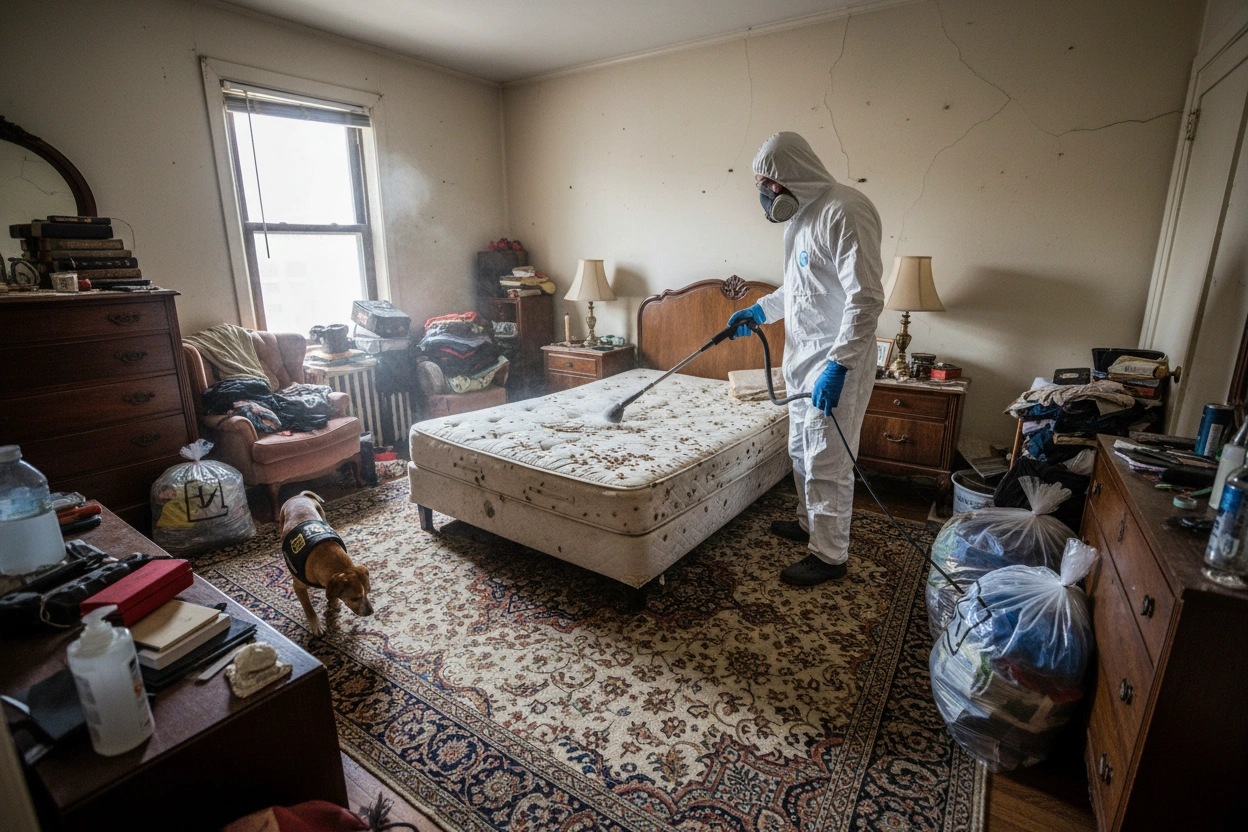
When assessing bed bug treatment costs, it’s essential to have a clear understanding of the average expenses involved. On average, homeowners can expect to pay between $300 and $1,500 for bed bug extermination services, depending on the severity of the infestation and the treatment methods employed. Factors such as the size of the affected area, the extent of the infestation, and whether multiple treatments are required can all affect the final price.
Knowing treatment pricing is vital for budgeting and preparation. Many homeowners may underestimate the financial impact of a bed bug infestation, leading to unexpected expenses. By familiarizing yourself with the average costs of bed bug treatment, you can better prepare for the financial implications and choose the most appropriate pest control solution for your needs.
Key Factors That Influence Treatment Prices
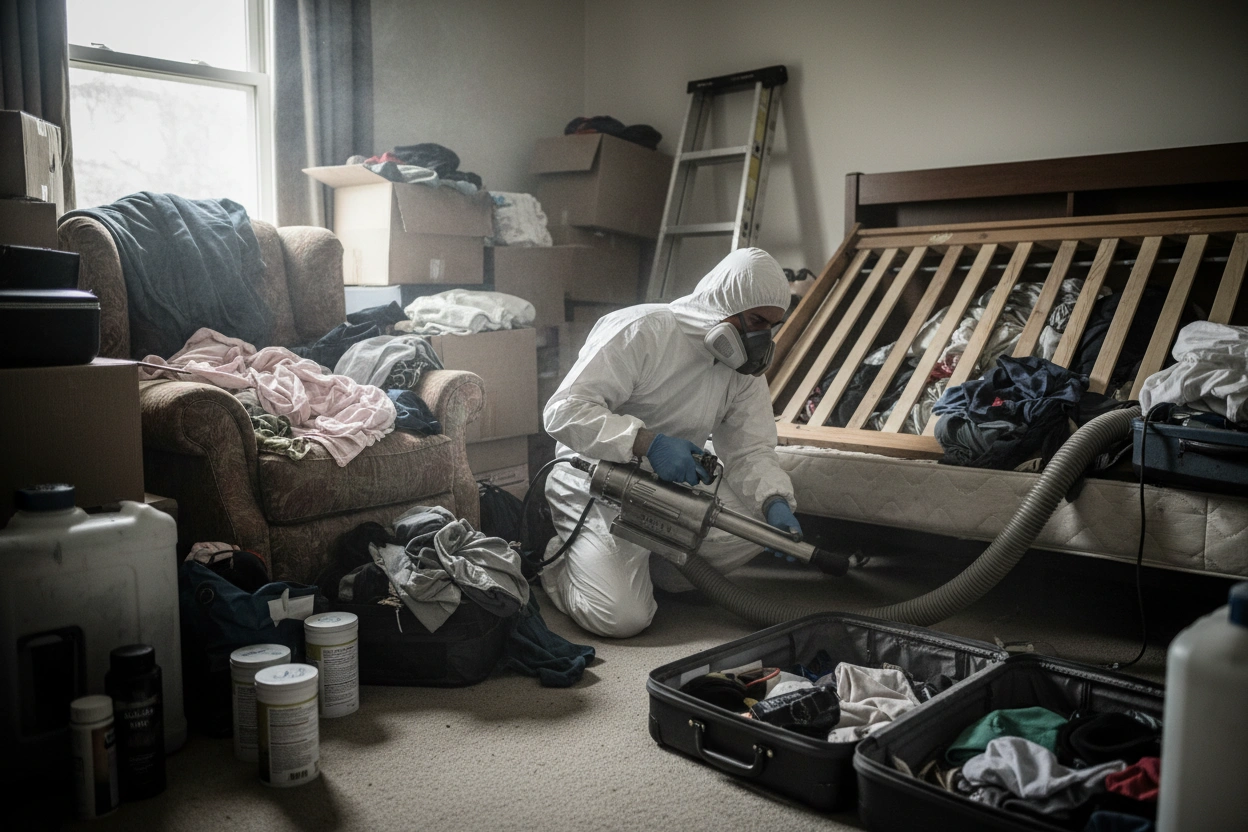
Several key factors significantly influence bed bug treatment prices.
Severity of Bed Bug Infestation
The level of infestation is one of the most critical determinants of treatment costs. A minor infestation may require a single treatment, while a severe infestation could necessitate multiple visits and treatments. The pest control professional will assess the extent of the problem during an initial inspection, and this evaluation will heavily influence the final cost.
Type of Treatment Method Used
The treatment method employed also plays a crucial role in determining costs. Various options exist, including chemical treatments, heat treatments, and steam treatments.
-
Chemical Treatments: Often the most affordable option, these involve applying insecticides to affected areas. However, they may require multiple applications, increasing overall costs.
-
Heat Treatments: This method involves raising the temperature of the infested area to a level lethal to bed bugs. While highly effective, heat treatments can be more expensive due to the equipment and labor involved.
-
Steam Treatments: Utilizing high-temperature steam, this method is effective for spot treatments but may not cover large infestations adequately. Costs can vary based on the technician’s experience and the equipment used.
Understanding these factors can help you make an informed decision when selecting a treatment method that aligns with your budget and infestation severity.
The Role of Local Pest Control Services
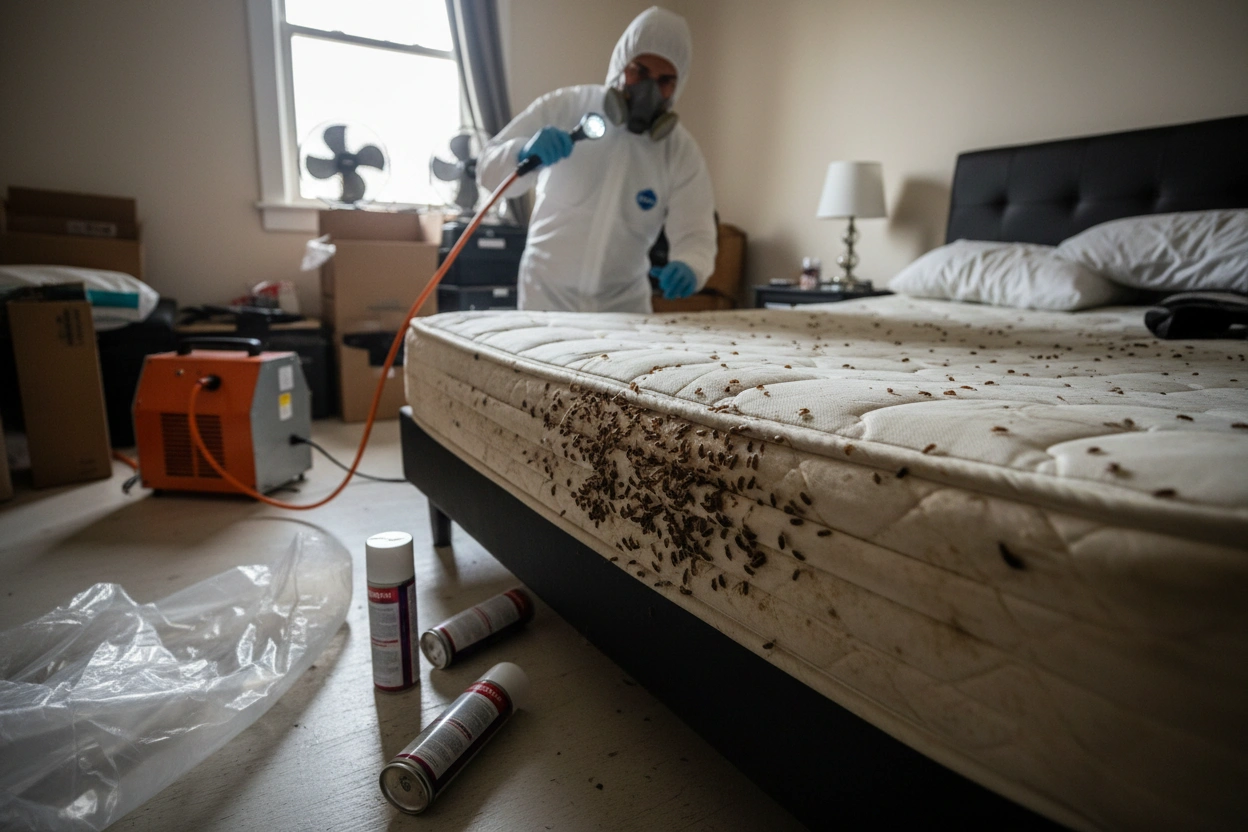
Choosing a local pest control service can significantly impact the pricing of bed bug treatments. Local services often have a better understanding of regional pest issues and may offer tailored solutions that cater to the specific challenges in your area.
Importance of Choosing a Local Service
Local pest control companies typically have established reputations within their communities. They can provide personalized service and have a vested interest in maintaining customer satisfaction. Additionally, local businesses may offer competitive pricing to attract clients, which can lead to more cost-effective solutions for homeowners.
How Location Affects Pricing
Location can also influence treatment costs. Urban areas often experience higher pricing due to increased demand and the complexity of managing pest control in densely populated regions. Conversely, rural areas may see lower prices, but the availability of specialized services could be limited. Understanding how your geographical location affects pest control pricing is essential for making the best choice for your needs.
Evaluating Treatment Effectiveness and Overall Value
When considering bed bug treatment options, it is crucial to evaluate the effectiveness of various methods and the overall value they provide.
Understanding the Effectiveness of Different Treatments
Not all treatments are created equal. Some may offer quick results but lack long-term effectiveness, while others may take longer to implement but provide lasting solutions. It is essential to assess the success rates of different methods, as well as any potential follow-up treatments that may be necessary.
The Balance Between Cost and Effectiveness
Finding the right balance between cost and effectiveness is key to a successful bed bug treatment strategy. While it may be tempting to choose the least expensive option, this can lead to recurring infestations and higher long-term costs. Investing in a more effective treatment may save you money and stress in the long run.
What Drives the Cost of Bed Bug Treatment
Bed bug treatment costs can vary widely depending on how extensive the infestation is, how long it has been active, and the treatment approach required. Early stage issues are typically more contained, while larger infestations may involve multiple rooms, repeated treatments, and more intensive methods. Preparation, follow up visits, and preventative measures also play a role in the overall investment. Understanding these factors helps set clear expectations and ensures you choose a solution that fully resolves the problem.
If you are dealing with bed bugs or want a clear breakdown of what treatment may involve for your situation, Pest Patrol can inspect your space and recommend the most effective approach. Contact Pest Patrol for a free quote and take the next step toward restoring a clean, comfortable, and pest-free home.