
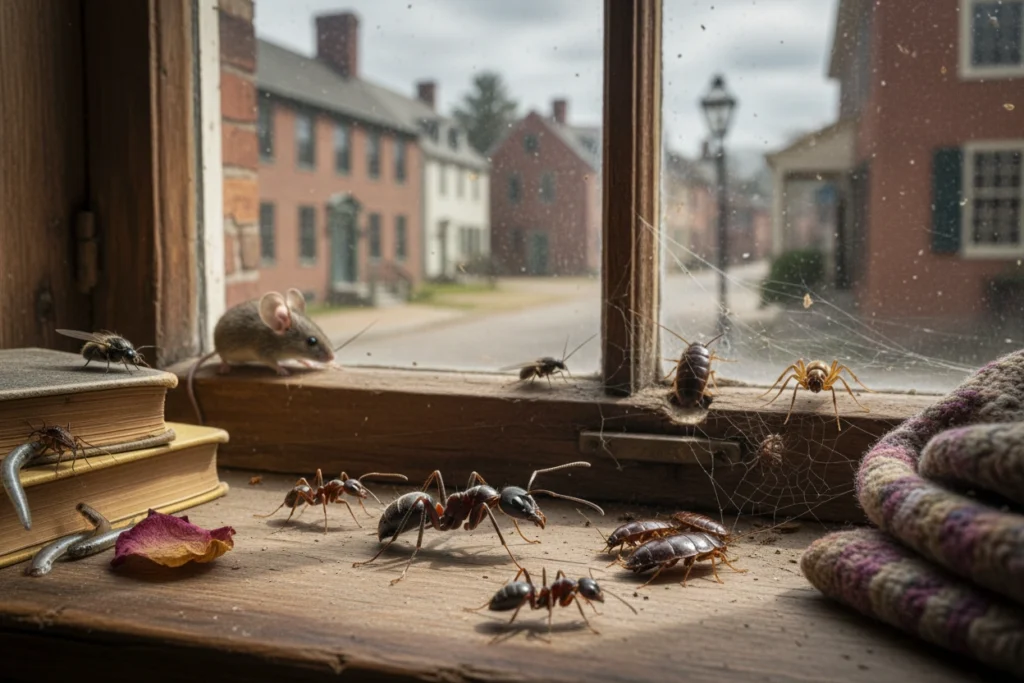
As the seasons change in Salem, so does the list of common household pests that residents need to watch for. With the arrival of spring, various pests emerge, seeking warmth, food, and shelter within homes. Understanding what pests are most prevalent in Salem right now is crucial for homeowners who want to protect their living spaces. This article explores the most common pests currently affecting Salem homes, along with prevention tips and pest management strategies that can help maintain a pest-free environment.
Recognizing the Most Common Pests in Salem
Salem’s unique climate and seasonal changes significantly influence the types of pests that invade homes. During spring, the warming temperatures and increased moisture create an ideal environment for various pests to thrive. Here are some of the most common pests that residents may encounter:
-
Ants: Various species, including carpenter ants and odorous house ants, are frequently found in Salem homes. They are often attracted to food sources and can establish colonies indoors.
-
Termites: These wood-destroying insects pose a significant threat to the structural integrity of homes. Termite activity often increases in warmer months, making it essential for homeowners to remain vigilant.
-
Mosquitoes: As temperatures rise, so does the mosquito population. These pests can breed in standing water, making outdoor areas particularly susceptible.
-
Rodents: Mice and rats seek shelter in homes as they search for food and nesting sites. They can cause damage and spread disease, making their presence concerning.
-
Spiders: While many spiders are harmless, some can pose health risks. They often enter homes in search of prey, and their populations can rise during warmer months.
The impact of seasonal changes on pest populations cannot be understated. Warmer weather not only increases the activity of these pests but also enhances their reproductive cycles, leading to more significant infestations. Being aware of what pests are common in Salem homes right now allows homeowners to take proactive measures to prevent infestations.
Identifying Signs of Pest Infestation
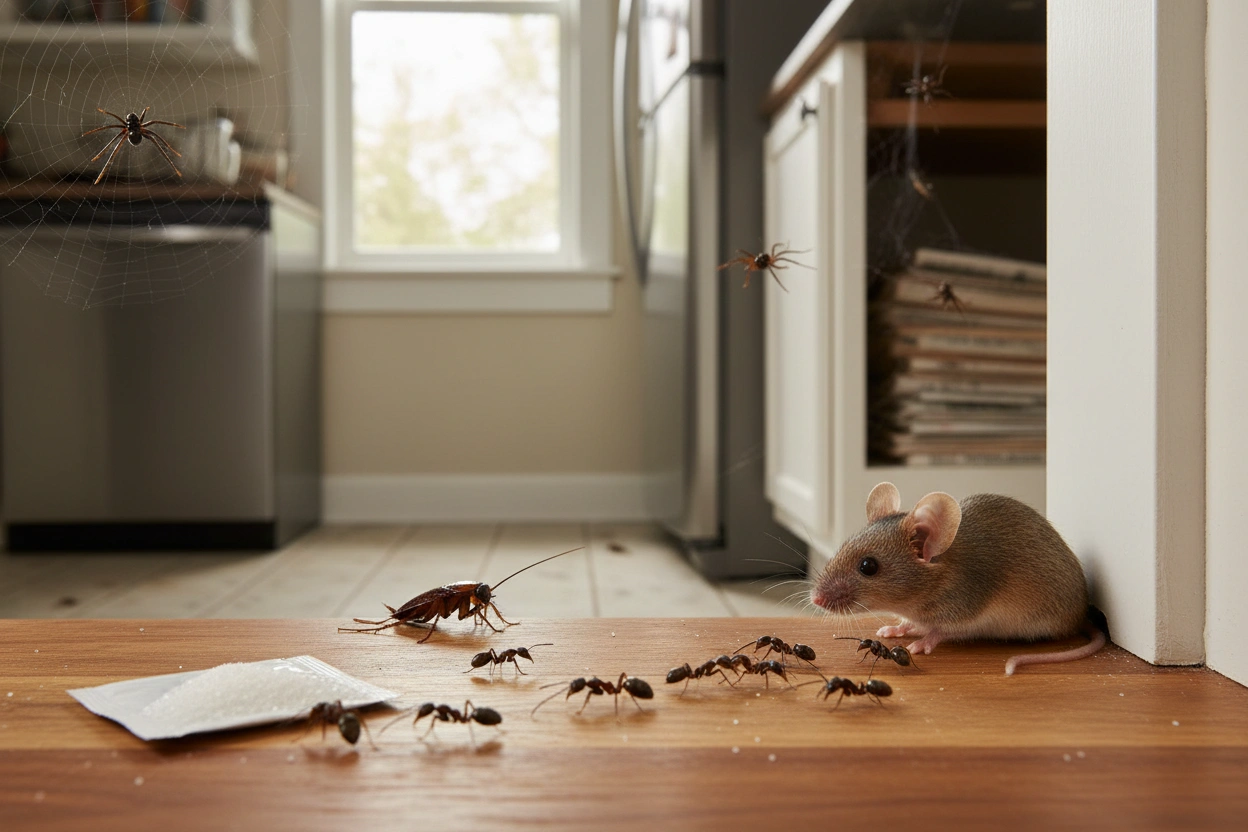
Timely identification of pest infestations is crucial for effective pest management. Homeowners should be aware of the common signs indicating a pest presence in their homes. Here are some key indicators to watch for:
-
Droppings: The presence of droppings is a clear sign of pest activity. Rodents leave behind small, pellet-like droppings, while insects may leave behind remnants or casings.
-
Gnaw Marks: Chewed materials, such as wood, wires, or food packaging, can indicate rodent activity. These marks are often left by pests seeking food or nesting materials.
-
Nests: Discovering nests, whether made of shredded paper, fabric, or natural materials, is a telltale sign of an infestation. Common nesting sites include attics, basements, and behind appliances.
-
Unusual Sounds: Noises such as scratching or scurrying, particularly at night, may indicate the presence of pests like rodents or insects.
-
Visible Damage: Signs of damage to furniture, walls, or food items can indicate an ongoing infestation. Homeowners should inspect their properties regularly for any unusual changes.
Recognizing these pest infestation signs early can help homeowners take appropriate action before the problem escalates. Ignoring these signs can lead to more severe issues, including extensive property damage and health risks.
Effective Strategies for Preventing Pests in Homes
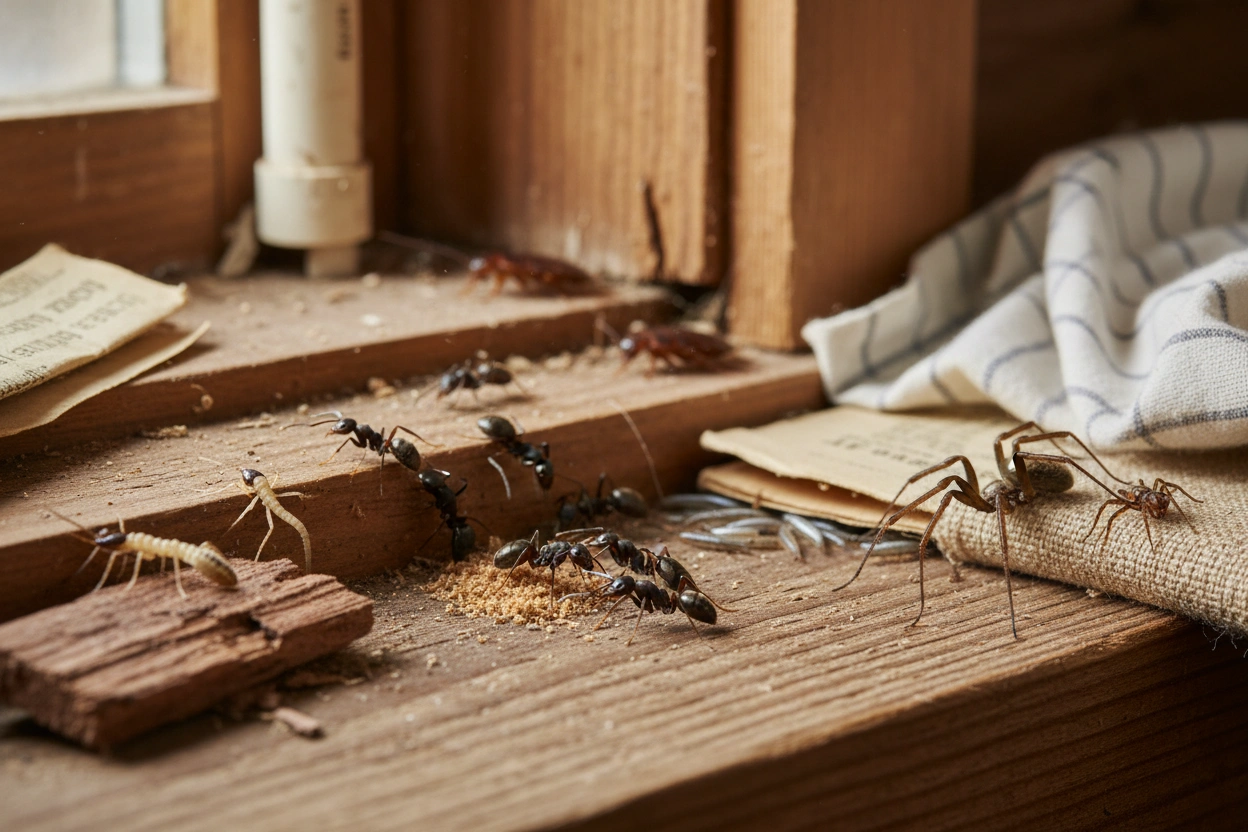
Proactive measures are essential for keeping pests at bay and maintaining a pest-free home environment. Here are some effective strategies for preventing pests in homes:
-
Seal Entry Points: Inspect your home for gaps or cracks in walls, windows, and doors. Use caulk or weather stripping to seal these entry points to prevent pests from entering.
-
Maintain Cleanliness: Keeping your home clean is one of the most effective ways to deter pests. Regularly vacuum and wipe down surfaces to eliminate food particles and crumbs that attract pests.
-
Proper Food Storage: Store food in airtight containers and keep pantry areas organized. This minimizes the chances of attracting pests that seek food sources.
-
Manage Moisture: Pests thrive in damp environments. Fix any leaks and ensure proper drainage around your home to reduce moisture levels that can attract pests.
-
Regular Inspections: Conduct routine inspections of your home, especially in areas prone to pest activity such as attics, basements, and crawl spaces. Early detection can prevent larger infestations.
Implementing these long-term pest management solutions can significantly reduce the likelihood of infestations. By being proactive, homeowners can protect their properties and maintain a healthy living environment.
When to Seek Local Pest Control Services
Despite best efforts, some pest problems may require professional intervention. Knowing when to seek local pest control services is crucial for effective pest management. Here are some signs that it’s time to call in the professionals:
-
Persistent Infestations: If you notice ongoing pest activity despite your attempts to manage the problem, it may be time to consult pest control experts who can provide targeted treatments.
-
Large Infestations: A significant increase in pest numbers or the discovery of a large nest indicates a serious infestation that requires professional assistance.
-
Structural Damage: If you observe signs of damage to your home, such as wood decay from termites or chewed wiring from rodents, immediate professional help is essential to mitigate further harm.
-
Health Concerns: If pests pose a risk to your family’s health, such as disease transmission from rodents or allergens from insects, seeking professional help is crucial.
Local pest control services offer several benefits, including expert knowledge, tailored treatment plans, and access to specialized pest control products. Professionals can effectively address pest issues while ensuring the safety of your home and family.
Stay Ahead of the Pests Active in Salem Homes
Pest activity can shift quickly depending on the season, making it important to stay aware of what is currently common in your area. Ants, rodents, spiders, and other pests often become more noticeable as conditions change, and early signs like droppings, trails, or unusual sightings can point to a growing issue. Taking preventive steps and responding early helps keep small problems from turning into larger infestations.
If you are noticing pest activity in or around your home or want a professional assessment based on current conditions, Pest Patrol can help. Their team can identify what you are dealing with and recommend a targeted plan to keep your home protected. Contact Pest Patrol for a free quote and take the next step toward a safer, pest-free space.