
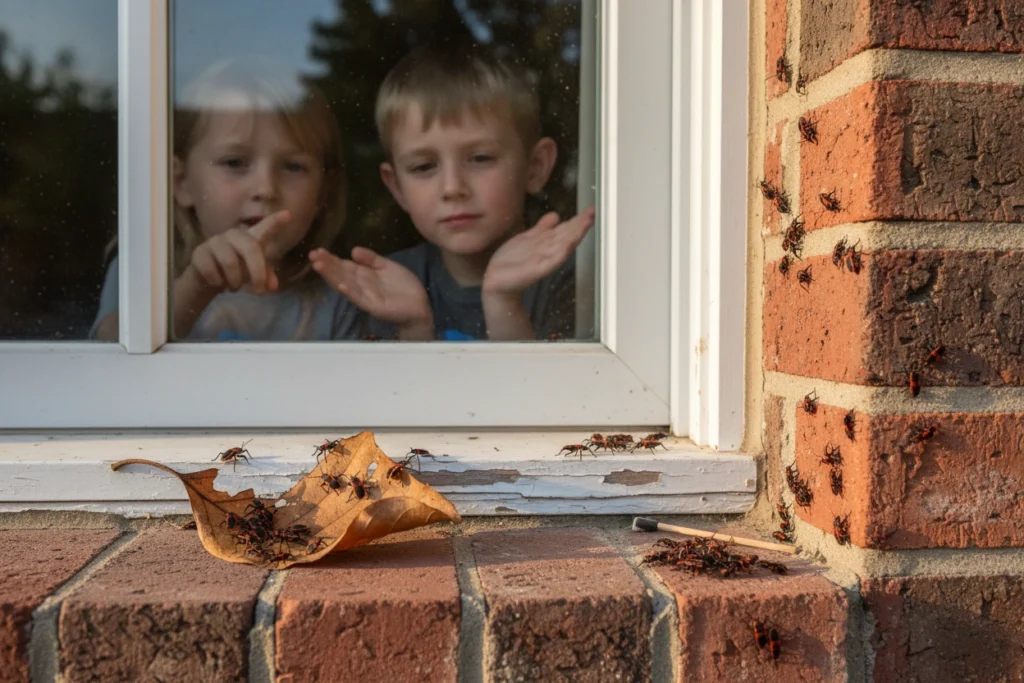
Are boxelder bugs wreaking havoc in your home or garden? Understanding their role can help you decide your next steps. In this article, we will delve into whether boxelder bugs pose a real threat to your property or if they’re merely a nuisance. We will also discuss effective control strategies that can help you manage these pests more effectively.
Identifying Boxelder Bugs and Their Habits
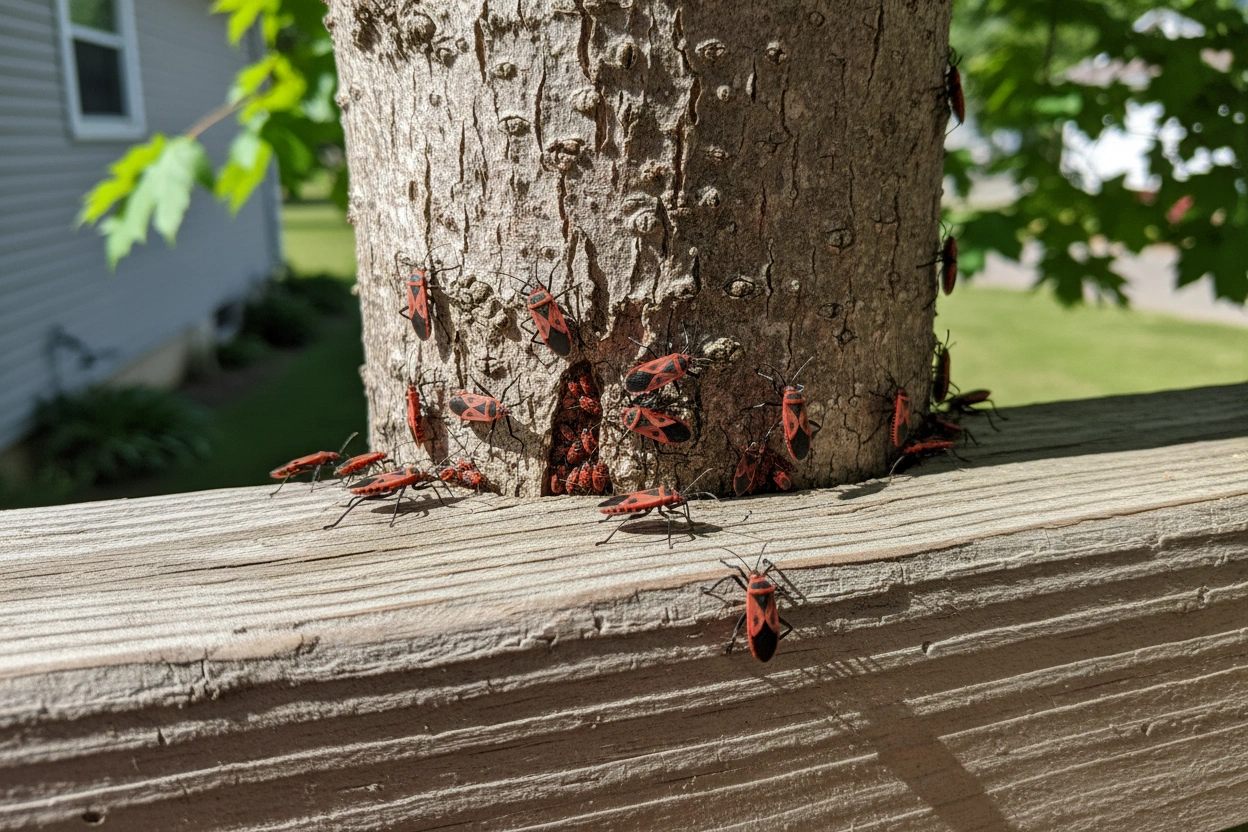
Boxelder bugs, scientifically known as Boisea trivittata, are easily recognizable due to their distinct physical characteristics. Adult boxelder bugs are approximately half an inch long, featuring a black body with orange or red markings along their sides and a unique pattern on their wings. Their elongated shape and vibrant colors make them noticeable, especially when they gather in large groups. Nymphs, which are the juvenile stage, are smaller, wingless, and typically bright red or orange.
Understanding the lifestyle patterns of boxelder bugs is essential for effective identification and management. These pests are commonly found in areas where boxelder trees, maple trees, and other similar plants are abundant. They tend to congregate in sunny spots, particularly on the sides of buildings during the fall as they seek shelter for the winter. Boxelder bugs are primarily active during the day, utilizing warmth from the sun to sustain their energy levels, which is when they are most likely to be spotted.
Assessing the Damage Potential of Boxelder Bugs
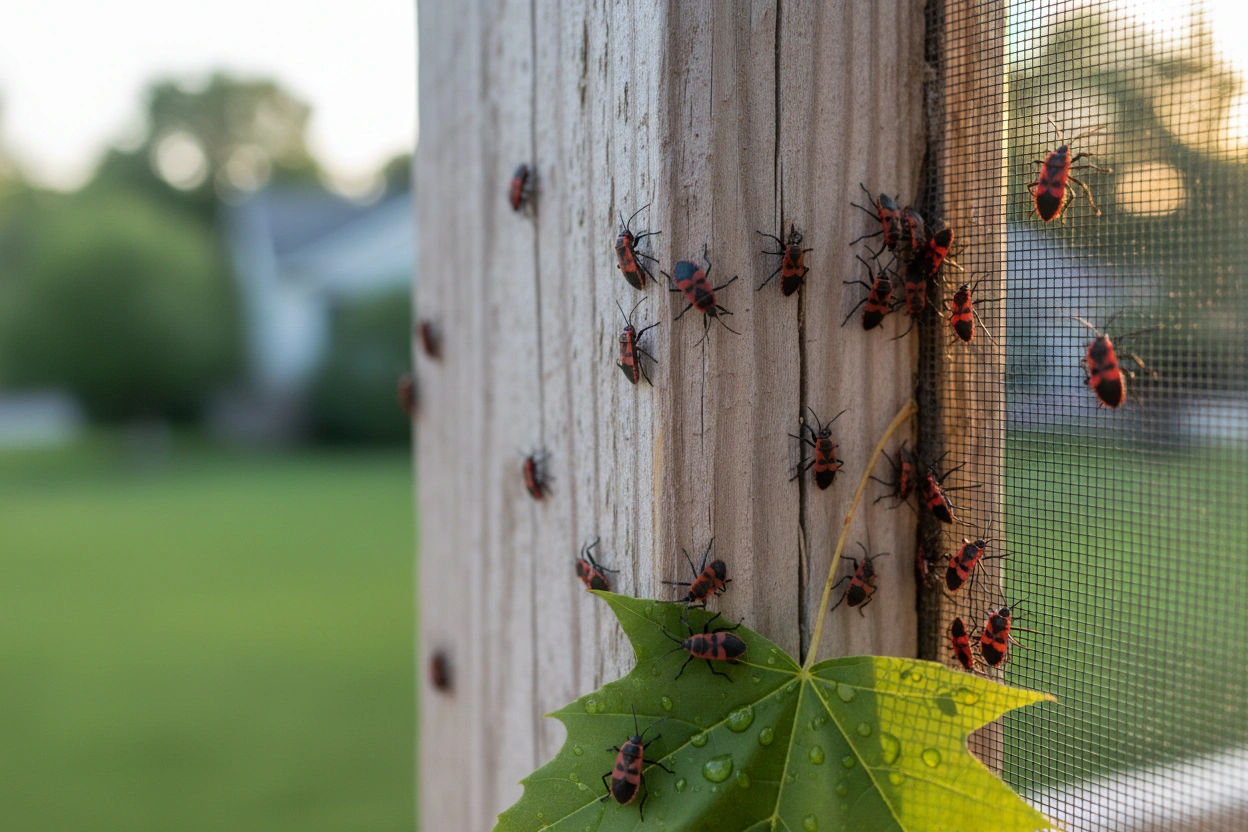
When considering whether boxelder bugs cause damage, it is crucial to understand their feeding habits. Boxelder bugs primarily feed on the sap of trees, particularly boxelder trees, maples, and other similar species. While they do not bite humans or pets, their feeding can lead to discoloration and wilting of the leaves on affected trees. However, the level of damage is often minimal and typically does not result in long-term harm to healthy trees.
Potential harm to structures is another concern. Boxelder bugs do not cause physical damage to homes or buildings, but they can be a nuisance when they invade in large numbers. They may enter through small cracks and openings, especially during the fall months, seeking warmth. Once inside, they can create a mess with their droppings and shed skins, leading to an unsightly and unhygienic environment. Therefore, while boxelder bugs do not pose significant damage risks, their presence can be bothersome and lead to secondary issues if not managed properly.
Effective Boxelder Bug Control Strategies
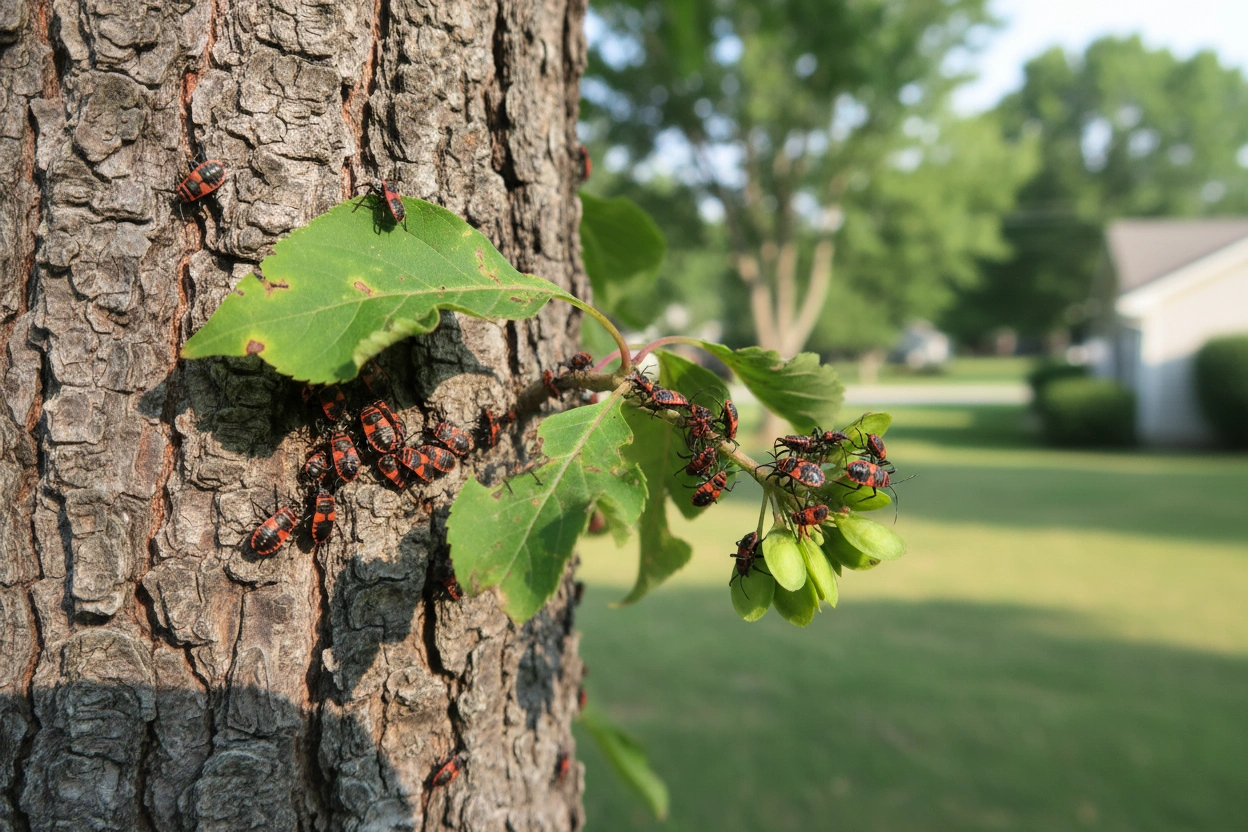
For effective boxelder bug control, implementing proven pest management tips is essential. Here are some strategies to consider:
-
Seal Entry Points: Inspect your home for cracks and gaps, especially around windows, doors, and foundations. Sealing these entry points can help prevent boxelder bugs from entering your home.
-
Remove Attractants: Boxelder bugs are attracted to specific plants. If feasible, consider removing or relocating boxelder trees and other host plants from near your home to reduce the likelihood of infestation.
-
Use Insecticidal Soap: Applying insecticidal soap or insecticides specifically labeled for boxelder bugs can help control their population when they are spotted. Always follow the manufacturer’s instructions for safe application.
-
Vacuuming: For immediate removal, vacuuming boxelder bugs can be effective. Make sure to dispose of the vacuum bag or contents promptly to prevent them from escaping.
Preventive measures are equally important. Regularly inspecting your home and maintaining a clean environment can significantly reduce the chances of an infestation. Keeping gutters clean and ensuring proper drainage can also deter these pests from seeking shelter near your home.
Understanding Nuisance Pests and Their Impact
Nuisance pests are defined as organisms that do not cause significant damage but can be bothersome to homeowners. Boxelder bugs fall into this category, as their presence is more of an annoyance than a genuine threat. Nuisance pests can disrupt daily life, particularly when they invade homes in large numbers, leading to discomfort and hygiene concerns.
Comparing boxelder bugs with other common household pests, such as ants or cockroaches, highlights their unique behavior. While ants may invade for food and cockroaches can pose health risks, boxelder bugs primarily seek warmth and shelter without causing direct harm. This distinction is important for homeowners to understand, as it can influence their response to infestations.
In managing nuisance pests, focusing on prevention and control strategies tailored to the specific pest type is crucial. For boxelder bugs, understanding their behavior can lead to more effective management approaches.
The Intersection of Boxelder Bugs and Pest Management
In summary, understanding whether boxelder bugs cause damage or are merely a nuisance is vital for effective pest control. While they do not typically cause significant harm to structures or plants, their presence can be bothersome and lead to secondary issues if not managed appropriately. Implementing the pest management tips outlined in this article can help homeowners control boxelder bug populations and prevent future infestations.
At Pest Patrol, we understand the complexities of managing household pests like boxelder bugs. With our expert knowledge and proven strategies, we can help y protect your home from these nuisance pests. Don’t let boxelder bugs disrupt your peace of mind; contact us today.