
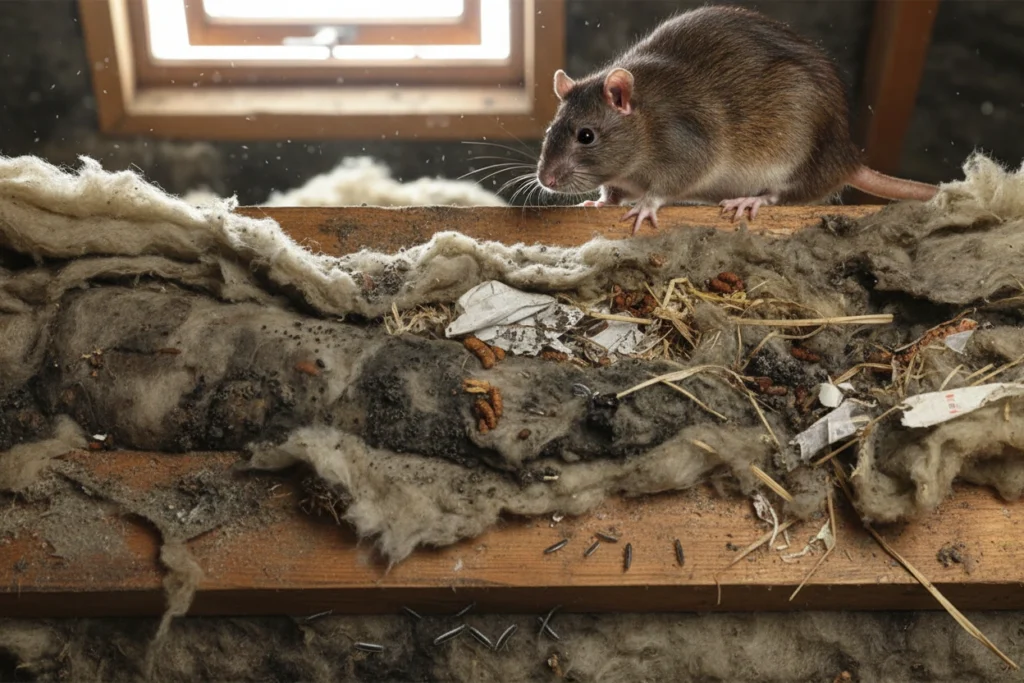
Are you aware that your insulation could be a hidden haven for pests? Many homeowners overlook the importance of proper insulation maintenance, which can lead to serious infestations and health risks. In this article, we will explore the warning signs that your insulation may be contaminated and the potential risks it poses to your home and health.
How Contaminated Insulation Becomes a Pest Magnet
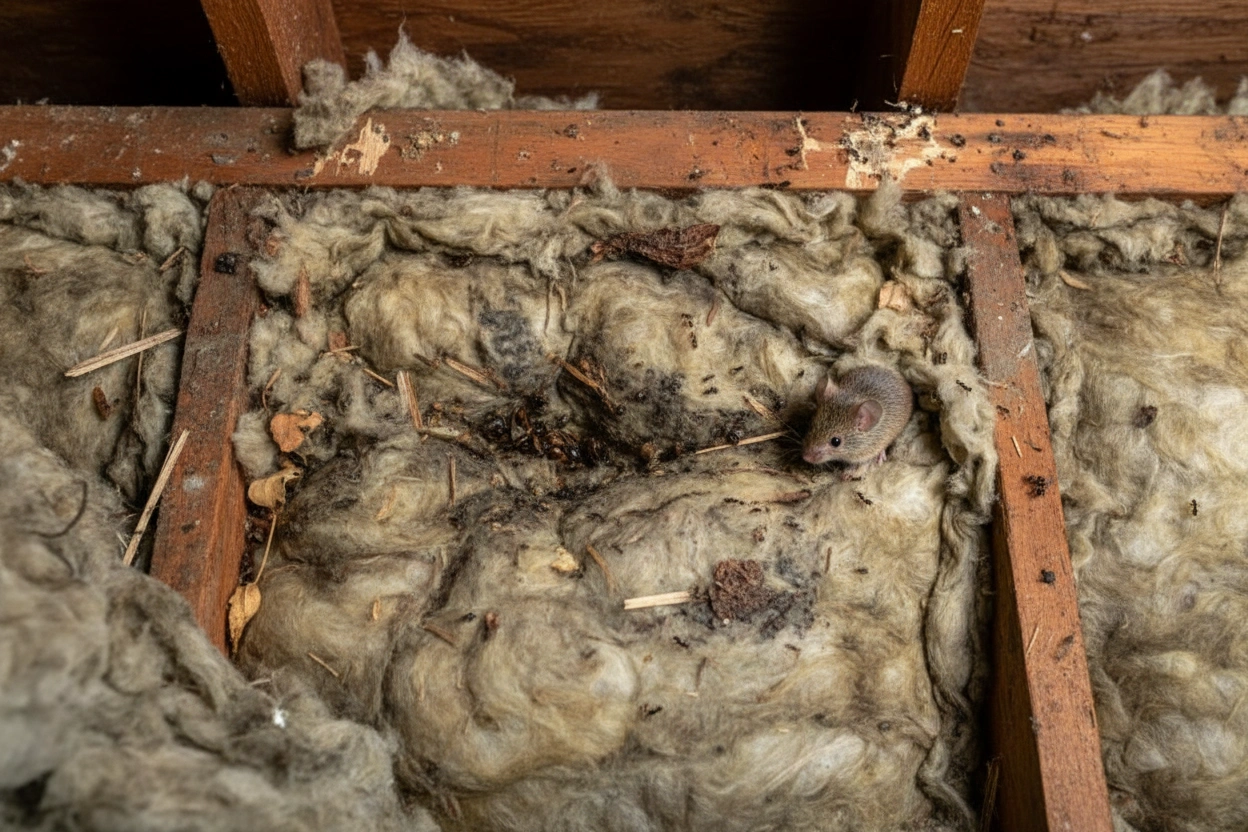
The relationship between insulation types and pest infestations is crucial for homeowners to understand. Different insulation materials can either deter or attract pests. For instance, cellulose insulation, made from recycled paper, is particularly appealing to rodents because it provides a warm nesting environment and is often a food source. On the other hand, fiberglass insulation is less attractive but can still become a habitat if it is improperly installed or damaged.
Understanding the conditions that encourage pests in insulation is equally important. Moisture is one of the primary factors that can lead to contamination. When insulation becomes damp, it not only loses its effectiveness but also creates a breeding ground for mold and pests. In 2026, the risk of moldy insulation has become a significant concern, especially in areas with high humidity or in homes with poor ventilation. Such conditions can lead to infestations by rodents, insects, and other pests, which can compromise the integrity of your home and pose health risks.
Identifying the Signs of Contaminated Insulation
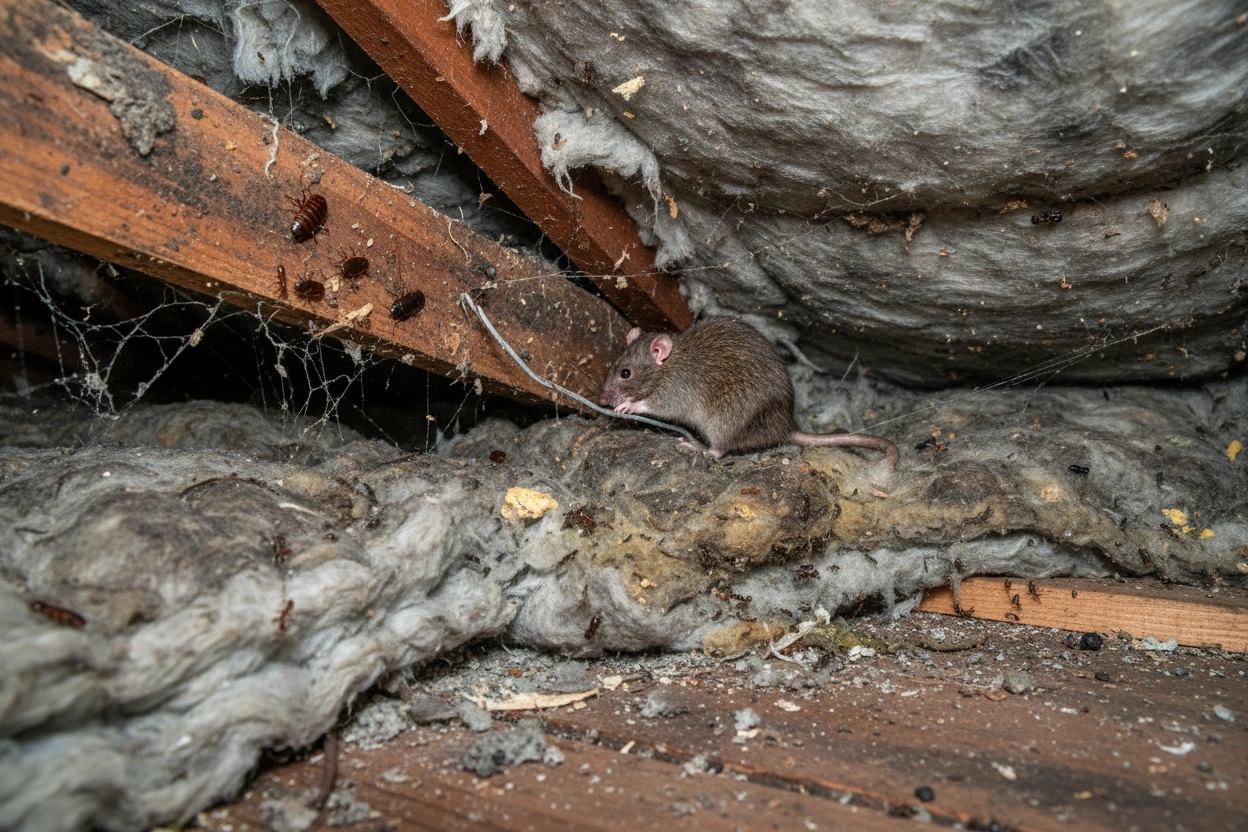
Physical indicators of infestation can be subtle yet alarming. Homeowners should regularly check their insulation for droppings, gnaw marks, or nests, especially in attics and crawl spaces. These signs often indicate rodent infestations in insulation, which can lead to further damage. Additionally, if you notice any unusual wear or holes in your insulation, it may signify that pests have made their way in.
Beyond physical signs, smell and health symptoms linked to contaminated insulation can also be telling. A musty odor may indicate mold growth, which often accompanies pest infestations. Homeowners may also experience respiratory issues or allergic reactions due to contaminated insulation. These health risks of contaminated insulation can have long-term effects, making it crucial to address any signs of contamination promptly.
Effective Pest Prevention Techniques for Your Insulation
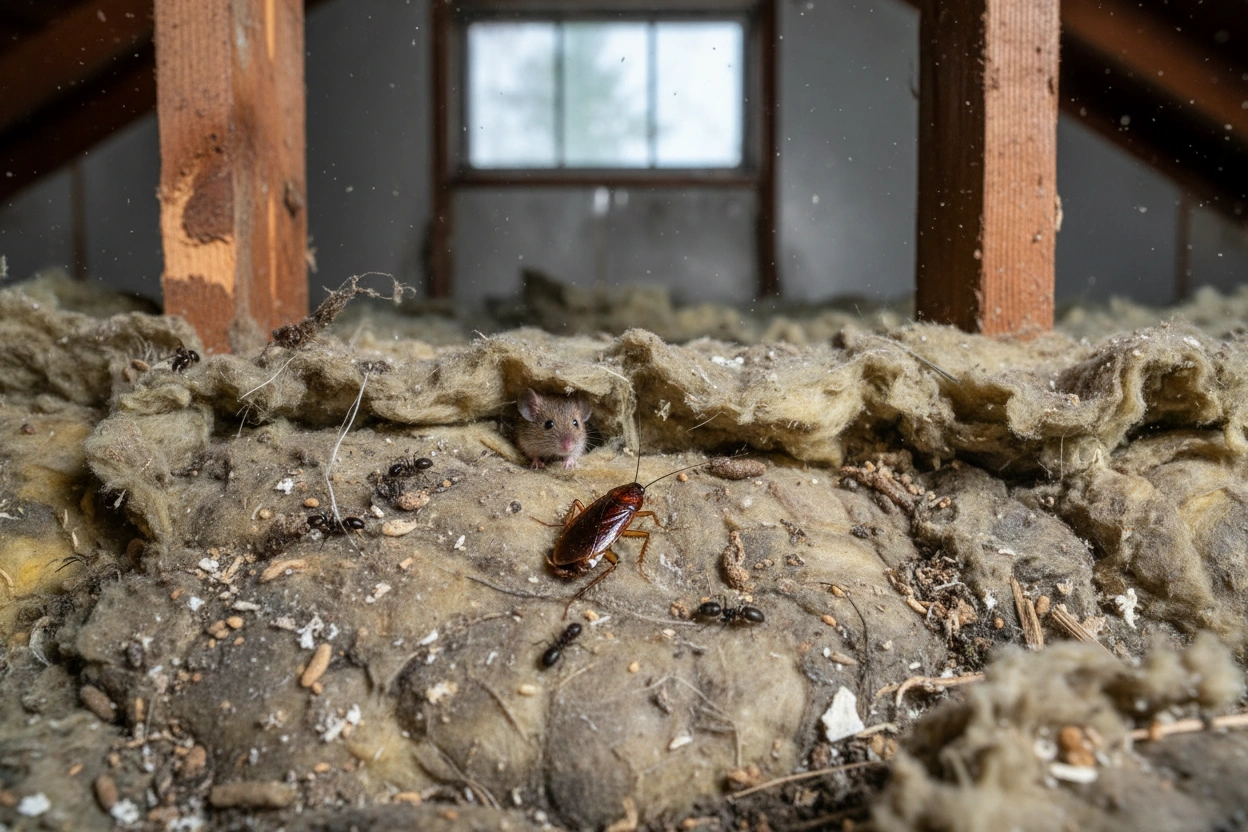
Regular maintenance is essential as a deterrent against pests. Homeowners should schedule routine inspections of their insulation to identify any potential issues before they escalate into infestations. This includes checking for moisture, damage, and signs of pest activity. Keeping your home dry and well-ventilated is also key to preventing pests from making a home in your insulation.
The importance of a pest-proof insulation installation cannot be overstated. Utilizing pest-resistant insulation materials and ensuring proper sealing during installation can significantly reduce the chances of infestations. Additionally, installing barriers such as metal mesh can prevent rodents from entering your insulation space. Implementing these effective pest prevention techniques can save homeowners from costly repairs and health risks associated with contaminated insulation.
When to Consider Contaminated Insulation Removal
Evaluating the extent of contamination is critical when deciding whether to remove insulation. Homeowners should assess not only the visible signs of infestation but also the overall condition of the insulation. If the insulation is heavily soiled, damaged, or shows persistent signs of pest activity, removal may be the best option to restore the integrity of your home.
Professional removal vs. DIY solutions is another important consideration. While some homeowners may attempt to remove contaminated insulation themselves, this can pose health risks and may not effectively address the underlying issues. Professional pest control insulation services can ensure safe removal and proper disposal, as well as provide recommendations for new insulation that will help prevent future infestations.
The Importance of Insulation Replacement for Your Home
Knowing when replacement is necessary is vital for maintaining a healthy home environment. If your insulation has been contaminated to the point where it is no longer effective, replacing it may be the best course of action. This is especially true if the insulation has been compromised by moisture or pests, as these issues can lead to more significant problems, including structural damage.
Choosing the right insulation types to prevent future infestations is equally important. Homeowners should consider materials that are naturally resistant to pests, such as closed-cell spray foam insulation. This type not only provides excellent thermal performance but also acts as a barrier against moisture and pests. An insulation replacement guide can help homeowners make informed decisions that protect their homes from future infestations.
The Intersection of Insulation Contamination and Pest Control
Understanding the dynamics of how contaminated insulation can attract new pests is essential for homeowners seeking to maintain a safe and healthy living environment. The insights shared in this article highlight the importance of vigilance regarding insulation conditions and the potential health risks associated with neglect.
Pest Patrol is here to assist you in addressing these critical issues. We can help you evaluate your insulation, identify any potential contamination, and implement effective pest prevention techniques. Don’t let contaminated insulation compromise your home’s safety and your family’s health.
For more information and to ensure your insulation remains pest-free, contact Pest Patrol today. Together, we can help protect your home from the hidden dangers of contaminated insulation.