
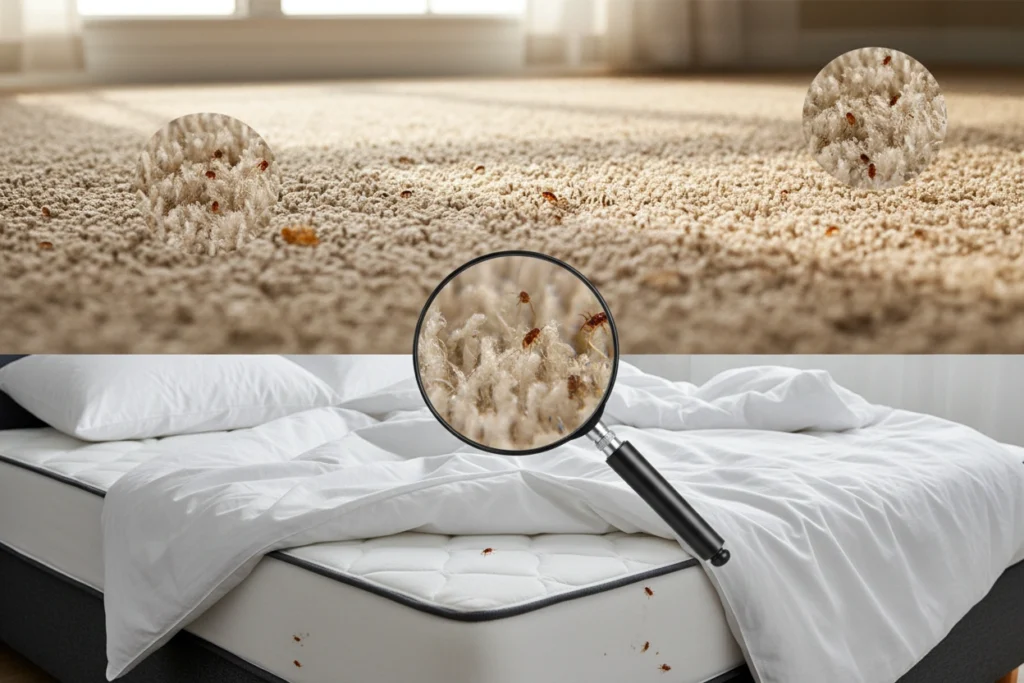
Imagine waking up to discover tiny bites on your skin and the unsettling thought that your home might be infested. Bed bugs are notorious for causing anxiety and discomfort, leading many homeowners to question their presence in various areas of the home. This article explores whether bed bugs can live in carpets, especially in areas close to beds or couches, their behaviors, and how homeowners can effectively manage and prevent infestations.
Understanding Where Bed Bugs Thrive
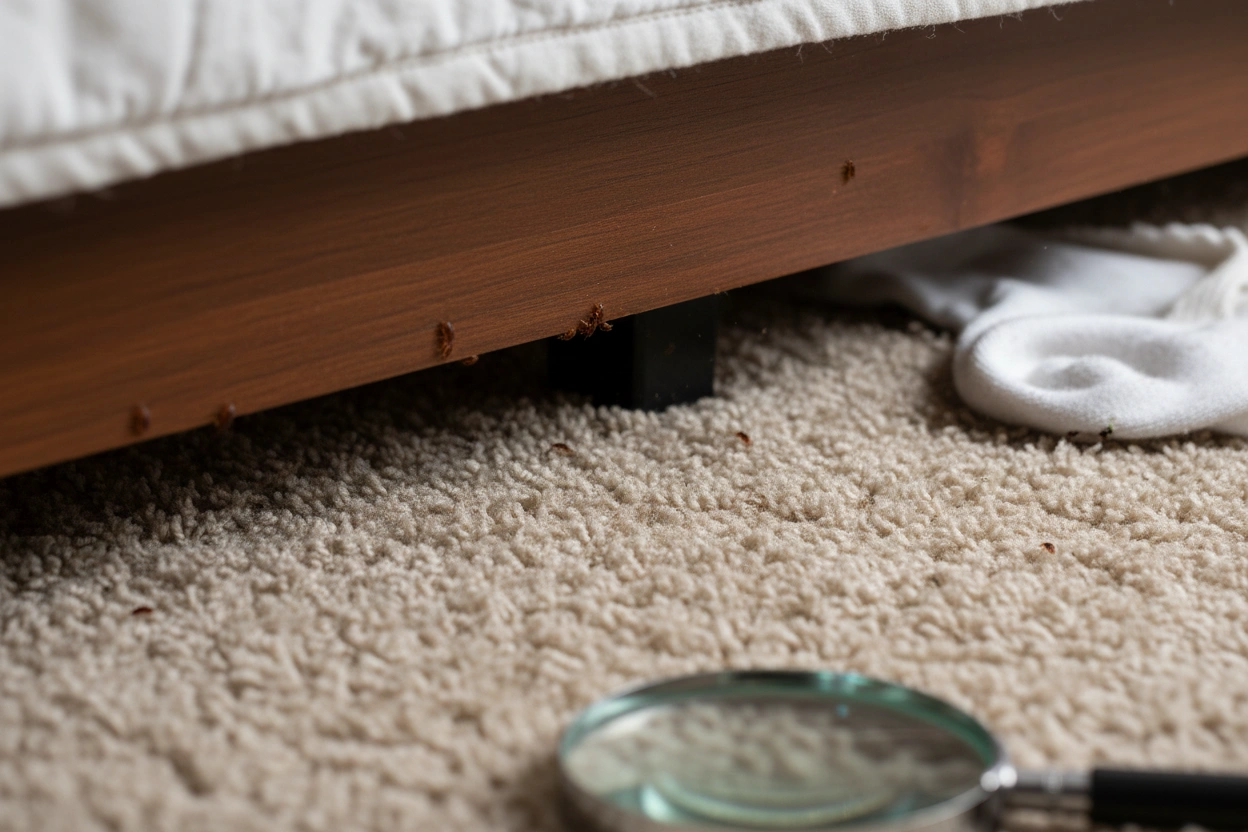
Bed bugs prefer warm, secluded areas that provide easy access to their primary food source: human blood. While most people associate these pests with beds, they can inhabit several locations throughout a home. Bed bugs are excellent at hiding and can squeeze into tiny crevices, making them difficult to detect until an infestation is well underway.
-
Common Hiding Spots Beyond Beds: In addition to mattresses and box springs, bed bugs can be found in various other locations. Common hiding spots include:
-
Baseboards and wall cracks
-
Behind headboards and nightstands
-
In furniture seams and cushions
-
Within carpets, especially in areas close to beds or couches
-
Homeowners should be aware that bed bugs can indeed live in carpets, particularly if the carpets are situated near their primary feeding areas. Regular inspections and thorough cleaning can help to identify and mitigate potential infestations before they escalate.
Identifying Signs of Bed Bug Infestation
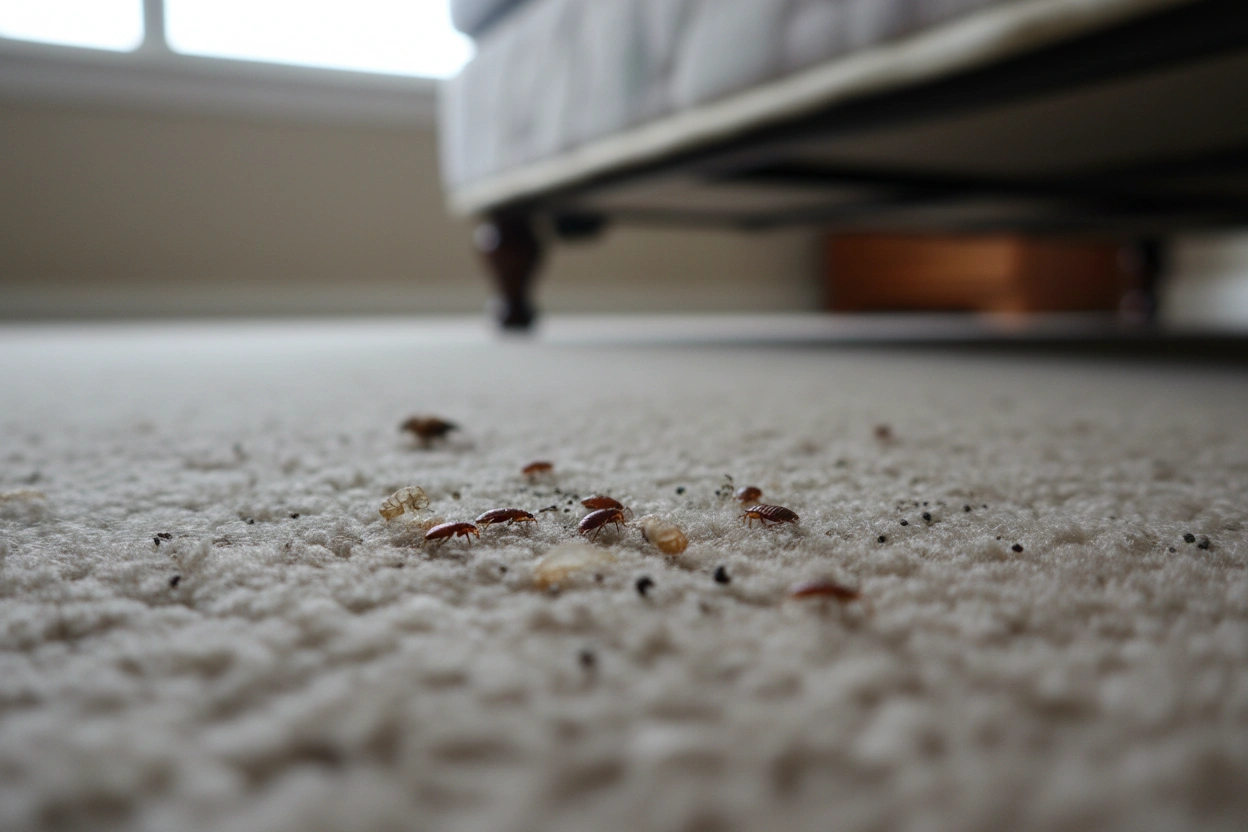
Recognizing the signs of a bed bug infestation is crucial for timely intervention. Homeowners need to be vigilant and informed about the physical indicators that these pests leave behind.
-
Physical Signs of Bed Bugs: Some of the most common signs include:
-
Small, rust-colored stains on bedding, carpets, or furniture, which are often the result of crushed bed bugs.
-
Tiny white eggs or eggshells, which indicate breeding and an established population.
-
A musty odor that may emanate from heavily infested areas, caused by bed bug secretions.
-
-
Recognizing Bed Bug Bites: Bed bug bites often appear as small, red, itchy welts on the skin. They usually occur in clusters or lines, typically on exposed areas of the body, such as arms, legs, and neck. However, not everyone reacts to bed bug bites, making it essential to look for other signs of infestation.
Identifying these signs early can significantly impact the effectiveness of treatment options and help prevent the spread of these pests throughout the home.
Effective Carpet Cleaning Techniques
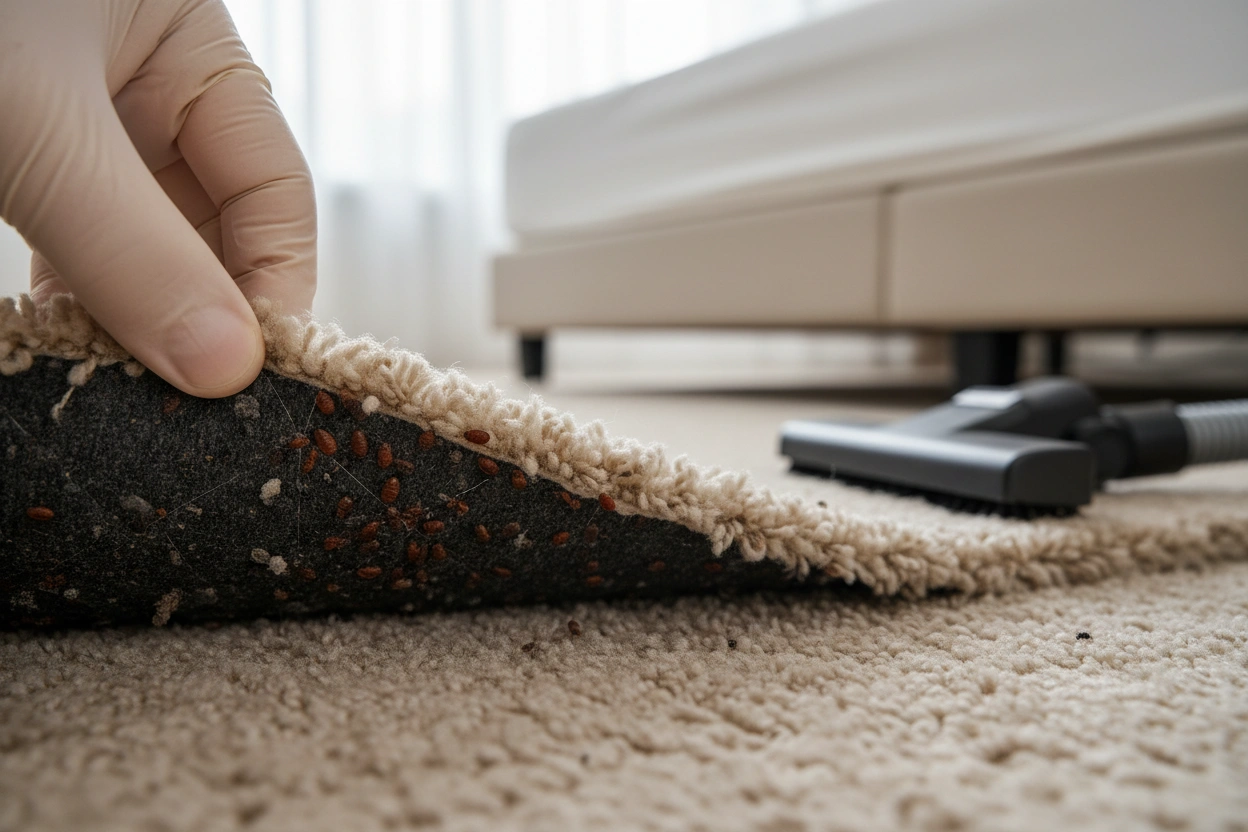
Maintaining clean carpets is an essential aspect of home pest control. Regular carpet maintenance can help deter bed bugs and other pests from taking up residence.
-
Importance of Regular Carpet Maintenance: Carpets can harbor bed bugs, dust mites, and other allergens. Regular vacuuming, at least once a week, can help to remove potential hiding spots for pests. It’s also advisable to use a vacuum with a HEPA filter to ensure that tiny particles are effectively trapped.
-
Methods for Deep Cleaning Carpets: For deeper cleaning, consider the following techniques:
-
Steam cleaning: The high temperatures of steam can kill bed bugs and their eggs effectively.
-
Professional carpet cleaning: Hiring a professional service can ensure thorough treatment and removal of potential infestations.
-
Spot cleaning: Address stains and signs of infestations immediately to prevent bed bugs from establishing themselves.
-
Implementing these carpet cleaning techniques not only helps in managing potential bed bug populations but also promotes a healthier living environment.
Proven Bed Bug Treatment Options
If a bed bug infestation is confirmed, homeowners must act quickly to eradicate the pests. Various treatment options are available, ranging from professional pest control to home remedies.
-
Professional Pest Control Methods: Engaging a licensed pest control expert is often the most effective way to deal with a significant infestation. Professional treatments may include:
-
Insecticide application: Targeted chemical treatments can eliminate bed bugs at all life stages.
-
Heat treatment: This method involves raising the temperature of the affected area to levels that are lethal to bed bugs.
-
-
Home Remedies for Minor Infestations: For less severe infestations, homeowners may consider home remedies, such as:
-
Diatomaceous earth: This natural powder can be sprinkled in areas where bed bugs are suspected, as it dehydrates and kills them.
-
Essential oils: Certain oils, such as tea tree oil and lavender oil, may repel bed bugs and can be used in DIY spray solutions.
-
Using a combination of these treatment options can effectively address bed bug issues and restore comfort to your home.
Strategies for Preventing Bed Bugs in Your Home
Preventing bed bugs is far more effective than dealing with an infestation after it occurs. Homeowners can adopt several best practices to minimize the risk of bed bugs invading their spaces.
-
Best Practices for Avoiding Infestations: Implement the following strategies:
-
Regularly inspect second-hand furniture before bringing it into your home.
-
Use protective covers on mattresses and pillows to deter bed bugs.
-
Be cautious when traveling, as bed bugs can hitch a ride in luggage.
-
-
Importance of Regular Inspections: Conducting routine inspections of your home can help catch bed bug issues early. Check common areas such as bedrooms, living rooms, and any places where people gather. Early detection is key to preventing a larger infestation.
By integrating these prevention strategies, homeowners can significantly reduce the chances of a bed bug invasion.
The Implications of Bed Bugs in Carpets and Beyond
The presence of bed bugs can lead to significant discomfort and anxiety for homeowners. Understanding that these pests can thrive in carpets, not just beds, is crucial for effective management. Homeowners should remain vigilant in identifying signs of infestations and employ proactive cleaning and prevention strategies.
For expert guidance and support in dealing with bed bugs, contact Pest Patrol today. Our team is equipped to provide tailored solutions that meet your specific needs and ensure a pest-free environment.