
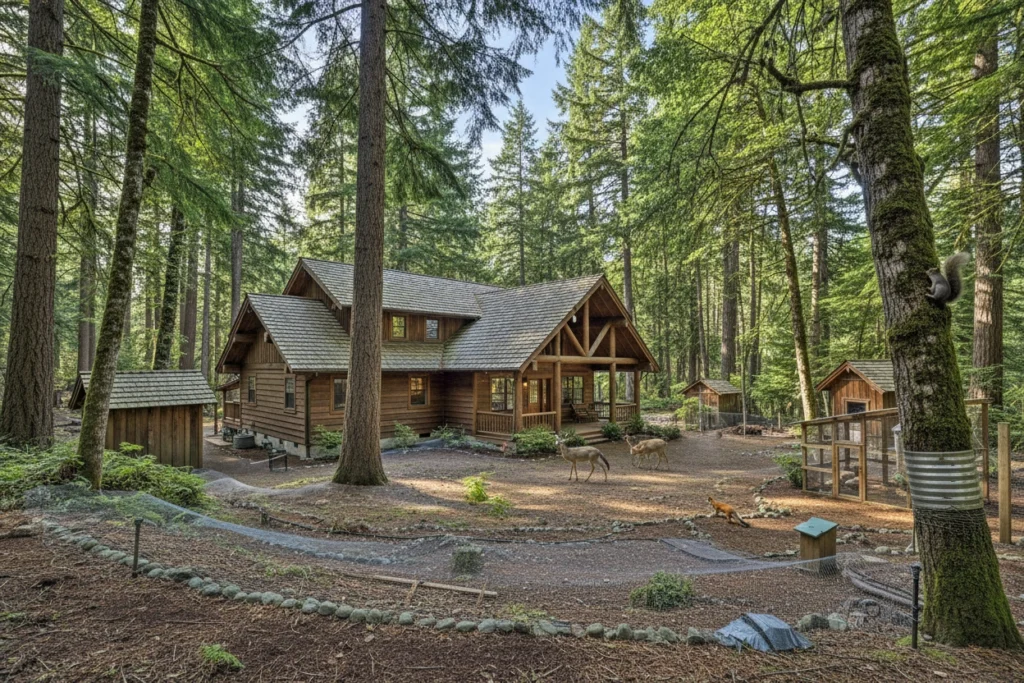
Protecting a wooded property in West Linn starts with sealing entry points using hardware cloth, steel wool, and silicone caulk across foundations, rooflines, and utility penetrations. You’ll also need to manage vegetation, eliminate standing water, and store firewood away from your home’s exterior. West Linn’s dense canopy and proximity to the Willamette River create year-round pressure from roof rats, squirrels, and raccoons that won’t let up without a structured approach—and there’s much more to this strategy than most homeowners expect.
Key Takeaways
-
Wooded West Linn properties near the Willamette River create ideal conditions for roof rats, mice, squirrels, and raccoons year-round.
-
Seal foundation cracks, soffit gaps, and rooflines using steel wool, hardware cloth, or silicone caulk to block common entry points.
-
Avoid using foam alone near rooflines, as rodents can easily chew through it without reinforcement.
-
Inspect your property at least twice yearly to identify new vulnerabilities caused by wear or environmental changes.
-
Persistent pest activity after DIY attempts signals the need for licensed professionals offering species-specific treatments and commercial-grade exclusion materials.
Why Wooded Properties in West Linn Attract More Pests

West Linn’s dense tree canopy, thick undergrowth, and proximity to the Willamette River create ideal conditions for a wide range of pests.
Forest ecology directly shapes pest behavior—wooded environments provide consistent food sources, nesting sites, and moisture levels that support large pest populations year-round.
Rodents exploit root systems and fallen logs for shelter, while raccoons and squirrels navigate the canopy to access your roofline and attic.
Standing water near riparian zones breeds insects, and dense vegetation gives ground-level pests protected travel corridors directly to your foundation.
If your property backs up to a greenbelt or forested area, you’re not dealing with occasional visitors—you’re positioned along active wildlife and rodent pathways that require deliberate, systematic pest management strategies. Regular inspections can help identify these pathways and mitigate potential infestations before they escalate.
Which Rodents and Wildlife Are Most Common in West Linn
Wooded neighborhoods like West Linn support several persistent pest species that property owners encounter regularly.
Dense tree canopy, adjacent greenbelts, and proximity to the Tualatin River create ideal habitat for rodents and wildlife year-round.
The three most common species you’ll encounter include:
-
Roof rats and house mice – They exploit gaps in siding, rooflines, and crawl spaces, especially during fall cooling cycles.
-
Gray squirrels – Squirrel behavior centers on nesting in attics and chewing through electrical wiring and insulation, causing structural damage.
-
Raccoons – Raccoon habits include raiding garbage, denning under decks, and accessing attics through weakened soffits.
Identifying which species you’re dealing with determines the correct removal method, entry point sealing strategy, and long-term exclusion approach for your property. Implementing strategies to block entry points is crucial for preventing infestations.
Seal Your Home Before Pests Find a Way In
Once you’ve identified the rodents and wildlife pressuring your property, your next step is locating and closing every gap they could exploit.
Focus on common entry points like foundation cracks, soffit gaps, pipe penetrations, and damaged vent screens, then seal them with materials rated for the specific pest—steel wool, hardware cloth, caulk, or expanding foam each serve different purposes. Regularly check for new entry points that may arise due to wear or environmental changes.
Schedule regular inspections at least twice a year to catch new vulnerabilities before something moves in.
Common Entry Points Found
Pests don’t need a wide-open door to move in — they need only a crack. Inspecting your home’s common vulnerabilities reveals entry point locations that most homeowners overlook entirely.
Focus your inspection on these three high-risk zones:
-
Roofline and soffits — gaps where fascia boards meet siding, damaged vents, and deteriorating wood create direct access for squirrels, raccoons, and rats.
-
Foundation perimeter — cracks in concrete, unsealed utility penetrations, and poorly fitted crawl space covers invite rodents at ground level.
-
Doors and windows — worn weatherstripping, unscreened vents, and misaligned frames leave measurable gaps that mice exploit easily.
Each zone requires a methodical, hands-on assessment.
Don’t assume what you can’t see isn’t being used — rodents and wildlife operate largely out of sight.
Sealing Materials That Work
Finding the entry points is only half the battle — sealing them with the right materials determines whether your work actually holds. Different gaps require different caulking options and sealing techniques.
Use silicone or polyurethane caulk for foundation cracks and window frames; both resist moisture and hold up against temperature swings common in West Linn’s climate.
For larger gaps around pipes and utility penetrations, pack steel wool tightly before applying expanding foam — rodents can’t chew through the combination.
Hardware cloth with a quarter-inch mesh works best over vents and crawl space openings.
Avoid using foam alone near rooflines or soffits, as squirrels and rats will gnaw right through it.
Match the material to the location, and you’ll build a barrier that actually lasts.
Inspecting Your Home Regularly
Sealing gaps correctly only works if you know where all the gaps are — and that requires inspecting your home on a consistent schedule.
Regular home inspections catch new vulnerabilities before pests exploit them. During each walkthrough, you’re also performing passive pest identification — spotting droppings, gnaw marks, or nesting material early enough to act fast.
Structure your inspections around three priority areas:
-
Foundation and crawl space perimeter — check for new cracks, soil disturbance, or burrowing activity near the base.
-
Roofline and eaves — look for displaced flashing, deteriorating soffits, or chewed wood edges.
-
Utility entry points — inspect pipe collars, conduit openings, and vents for gaps or compromised screens.
Inspect quarterly at minimum — monthly during fall when wildlife actively seeks shelter.
Yard and Landscaping Habits That Deter Wildlife
Your yard’s layout and upkeep directly influence which wildlife pests take up residence on your property. Strategic landscaping creates conditions that discourage rodents, raccoons, and other wildlife from settling in.
Start by selecting native plants that don’t produce excess fruit, berries, or seeds that attract foragers. Remove ground cover plants that grow dense and low, as these create ideal harborage zones for rodents and insects.
Install landscape barriers such as gravel borders along your foundation to eliminate soft soil that burrowing animals exploit. Keep grass trimmed short, prune shrub bases at least 12 inches above ground, and maintain a clear perimeter around your home’s exterior.
Stack firewood away from the house and elevate it off the ground to eliminate nesting opportunities. Additionally, understanding how temperature fluctuations influence pest behavior can help you make informed landscaping choices that further deter wildlife.
When DIY Isn’t Enough for West Linn Pest Control
If your pest activity persists after multiple treatments, or you’re finding new entry points faster than you can seal them, your DIY approach has likely reached its limit.
Wooded properties in West Linn present compounding variables—dense vegetation, abundant wildlife corridors, and moisture-rich soil—that standard store-bought solutions aren’t engineered to address.
A licensed pest control professional brings species-specific treatment protocols, commercial-grade products, and systematic inspection methods that eliminate infestations at their source rather than managing surface-level symptoms. Effective rodent control solutions are essential for maintaining a safe environment and protecting your property from further damage.
Signs DIY Has Failed
Many homeowners attempt DIY pest control with the best intentions, but there are clear signs it’s not working.
Recognizing DIY failures early prevents minor pest attraction issues from escalating into full infestations.
Watch for these three indicators:
-
Recurring activity – You’re seeing rodents or wildlife repeatedly in the same areas despite applying treatments or setting traps.
-
New entry points – Fresh gnaw marks, damaged vents, or compromised crawl space screens indicate pests are actively breaching your perimeter.
-
Increased droppings or tracks – Growing evidence of pest movement signals that your current approach isn’t reducing the population.
If you’re experiencing any of these signs, your property’s wooded environment likely requires a professional assessment and a structured, site-specific treatment plan.
Professional Intervention Benefits
When DIY methods consistently fall short, professional pest control delivers structured solutions that address the root causes of infestation rather than the symptoms.
Professional expertise means technicians accurately identify species, entry points, and behavioral patterns specific to wooded environments like West Linn. That precision drives effective solutions tailored to your property’s layout, vegetation density, and wildlife pressure.
You’ll benefit from commercial-grade exclusion materials, targeted baiting systems, and treatment schedules calibrated to pest activity cycles.
Professionals also document findings, track reinfestation indicators, and adjust protocols accordingly. Unlike trial-and-error DIY attempts, this systematic approach eliminates guesswork.
Pest Patrol serves West Linn and surrounding communities, offering rodent and wildlife management backed by a 100% satisfaction guarantee.
Fast response times mean infestations get addressed before they escalate further.
What Professional Pest Control Does for Wooded Properties
Professional pest control does more than eliminate visible pests—it addresses the structural and environmental conditions that make wooded properties vulnerable in the first place.
Technicians apply integrated pest management strategies that combine habitat modification, exclusion work, and targeted treatments to reduce long-term risk.
A professional assessment typically delivers:
-
Entry point identification – Technicians locate gaps in foundations, rooflines, and utility penetrations that wildlife and rodents exploit.
-
Habitat modification guidance – You’ll receive specific recommendations for vegetation management, debris removal, and wood storage practices that reduce harborage zones.
-
Targeted treatment plans – Treatments are calibrated to your property’s specific pest pressures, minimizing chemical use while maximizing effectiveness.
This structured approach produces measurable, lasting results that DIY methods rarely achieve on densely wooded lots. Additionally, they can help identify and seal up gaps and holes that may allow rodents to enter your home.
Frequently Asked Questions
How Often Should Wooded Property Owners Schedule Professional Pest Inspections?
You should schedule professional pest inspections twice yearly as part of your property maintenance tips routine. Increasing pest inspection frequency to quarterly improves early detection if you’ve noticed active wildlife or rodent activity on your wooded property.
Are Pest Control Treatments Safe for Outdoor Pets and Backyard Wildlife?
Most treatments are safe when applied correctly, but you’ll need to follow outdoor pet precautions—temporarily restricting access to treated zones. Pest Patrol prioritizes pest control safety by using targeted, eco-conscious products that minimize risks to backyard wildlife.
Does Homeowners Insurance Ever Cover Damage Caused by Wildlife Infestations?
Most homeowners insurance policies don’t cover wildlife coverage for gradual infestations. You’ll typically find that infestation claims get denied unless sudden, accidental damage occurred. Always review your policy’s exclusions carefully and consult your insurer directly.
What Time of Year Are Rodent and Wildlife Problems Worst in West Linn?
You’ll face peak seasonal rodent behavior in fall and winter as temperatures drop. Wildlife migration patterns shift in spring, bringing additional pressure. Both seasons demand proactive monitoring if you’re protecting a wooded West Linn property.
Can Neighboring Wooded Lots Affect My Property’s Pest Control Efforts?
Yes, neighboring wooded lots directly impact your pest control efforts. They function as wildlife corridors and neighboring habitats, continuously reintroducing rodents and wildlife onto your property, making perimeter exclusion and consistent monitoring essential components of any long-term management strategy.
Conclusion
Living on a wooded West Linn property means you’re constantly managing nature’s proximity to your home. You’ve got to seal entry points, maintain your yard, store food securely, and monitor for early signs of activity. When DIY measures fall short, you’ll need a licensed pest control professional who understands local wildlife behavior. Don’t wait for an infestation to escalate — proactive, layered protection is what keeps rodents and wildlife out of your structure for good.