
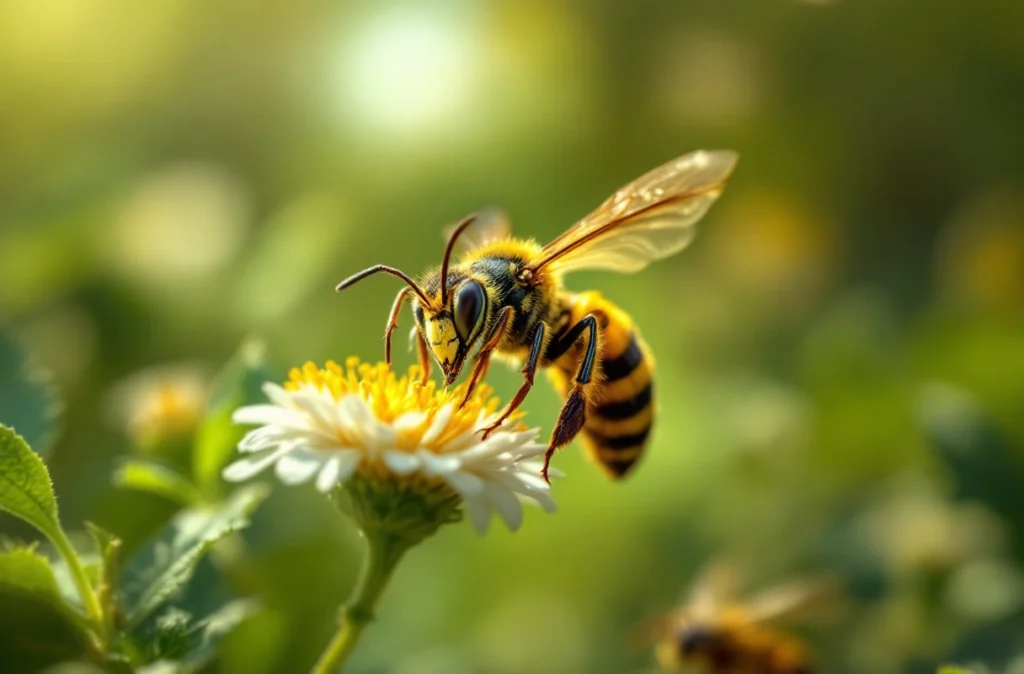
Have you ever wondered why wasps seem to return to the same spot year after year? This recurring phenomenon can be puzzling and frustrating for homeowners who find themselves facing wasp infestations each season. In this article, we will explore the reasons behind the repetitive nesting habits of wasps, their behaviors throughout the seasons, and practical tips for prevention and control.
Exploring Wasp Nesting Habits and Patterns
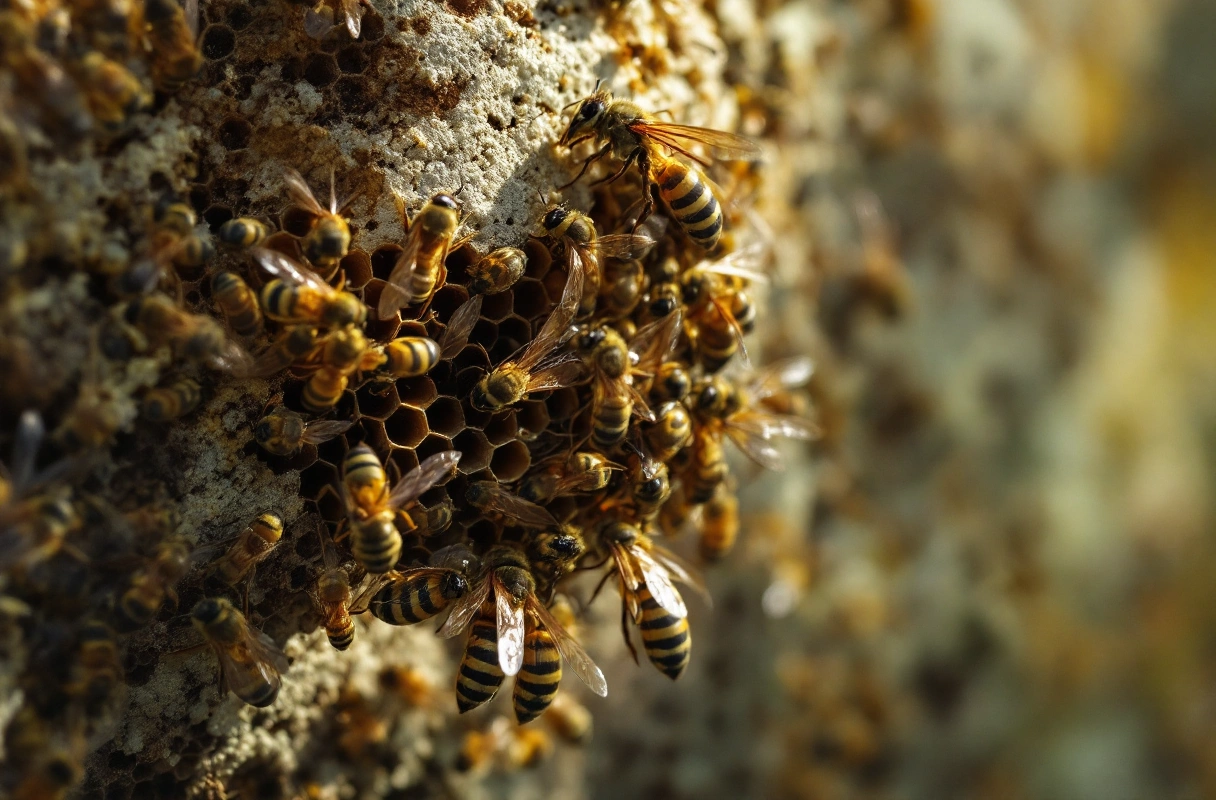
Wasps exhibit specific nesting preferences that significantly influence their return to the same location. These insects typically favor sheltered areas that provide protection from the elements and predators. Common nesting sites include eaves, attics, and tree branches, which offer the necessary cover and proximity to food sources. The selection of these locations is not arbitrary; wasps are instinctively drawn to places where they have successfully established nests in the past.
Certain environmental factors also attract wasps to repeat nesting. For instance, areas rich in flowering plants provide abundant food sources for adult wasps, while nearby water sources are crucial for hydration and nest maintenance. Moreover, the previous year’s nest can serve as a visual cue, signaling to new queens that the site is a suitable and safe environment for their offspring. This pattern of returning to the same spot creates a cycle that can lead to significant infestations if not addressed effectively.
Understanding Seasonal Wasp Behavior
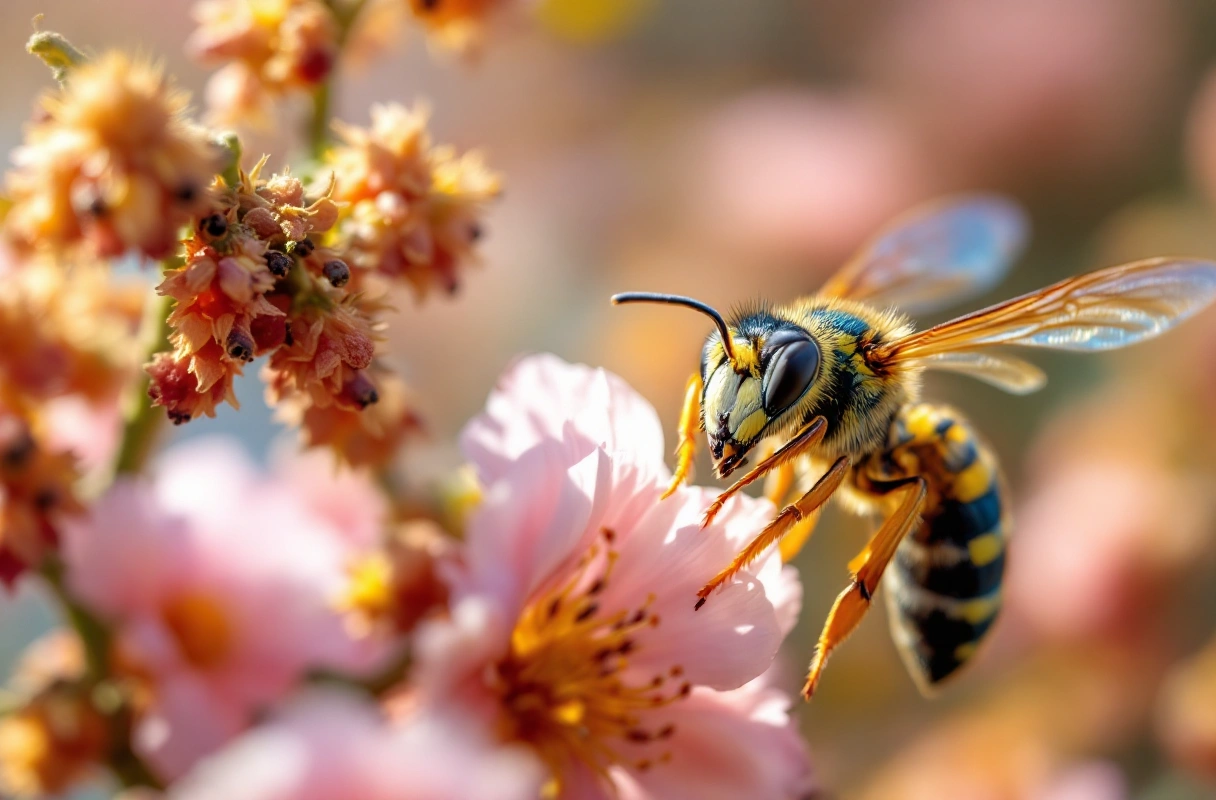
Wasps have distinct lifecycle phases that affect their activity throughout the year. Their lifecycle consists of four stages: egg, larva, pupa, and adult. During the spring, newly emerged queens seek out nesting sites to establish their colonies. As the season progresses, the colony grows, and workers are responsible for foraging and caring for the young. This growth phase typically peaks in late summer, leading to increased wasp activity and, consequently, higher chances of human encounters.
Seasonal changes also impact wasp behavior and nesting tendencies. In cooler months, wasps enter a dormant state, with most adults dying off, except for fertilized queens. As temperatures rise in spring, these queens emerge and begin the cycle anew. Understanding this seasonal rhythm is crucial for homeowners looking to manage wasp populations effectively, as proactive measures can be taken before the queens establish nests.
Effective Pest Control Tips for Homeowners
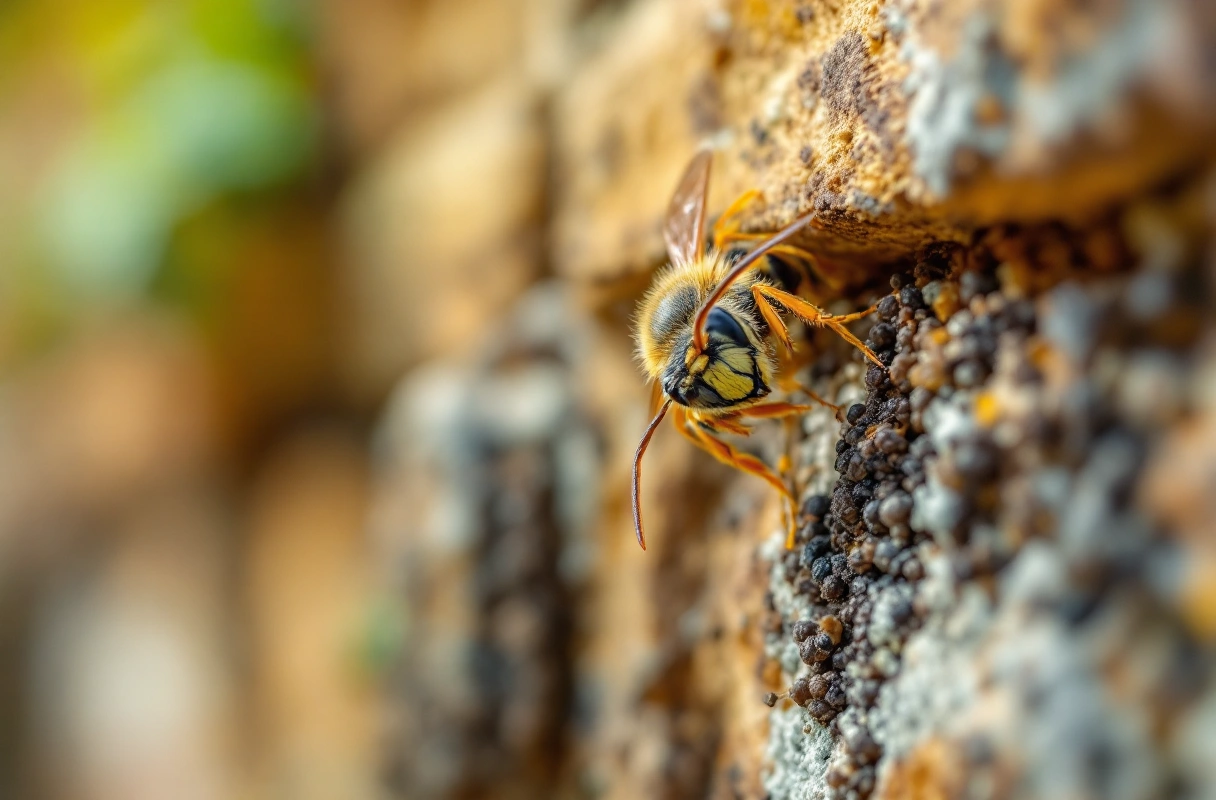
Proactive measures can prevent wasp infestations and minimize the risk of encounters. One of the most effective strategies is to conduct regular inspections of your property. Pay close attention to potential nesting sites, such as under eaves, in sheds, and within shrubs. If you notice early signs of nesting, such as increased wasp activity or the presence of paper-like structures, addressing the situation promptly is essential.
In addition to inspections, homeowners should also focus on eliminating attractants. Wasps are drawn to food sources, so keeping outdoor areas clean and free of spills, garbage, and uncovered food is vital. Seal any entry points in your home where wasps might gain access, and consider using traps or natural deterrents as part of your outdoor pest management strategy. By implementing these tips, you can significantly reduce the likelihood of wasps returning to your property each year.
Wasp Repellent Methods That Actually Work
When it comes to deterring wasps, several natural and chemical methods have proven effective. Natural repellents, such as peppermint oil, vinegar, and citrus scents, can be used to create a hostile environment for wasps. Spraying these substances around potential nesting sites can help keep them at bay. Additionally, planting certain herbs and flowers, like mint and marigolds, can act as natural repellents and make your outdoor space less appealing to these pests.
Chemical repellents and insecticides are also available for those dealing with severe infestations. However, it is crucial to choose the right product based on the specific wasp species you are dealing with. Always follow label instructions and safety precautions to ensure effective and safe use. In some cases, professional pest control services may be warranted to handle persistent infestations.
Recognizing Common Wasp Species and Their Habits
Identifying different wasp species can greatly aid in management efforts. Common wasp species, such as yellow jackets, paper wasps, and hornets, each exhibit unique behaviors and nesting preferences. For example, yellow jackets are known for their aggressive behavior and typically nest in the ground, while paper wasps prefer to build their nests in sheltered areas above ground. Understanding these species-specific habits can improve control efforts and help tailor prevention strategies effectively.
Moreover, being able to recognize the signs of a wasp infestation is crucial. Look for nests, increased wasp activity around food sources, and unusual buzzing sounds. By familiarizing yourself with the common wasp species in your area, you can better prepare and implement targeted management strategies that suit your specific situation.
The Intersection of Wasp Behavior and Homeowner Prevention
Understanding why wasps keep returning to the same spot every year can empower homeowners to take effective action. By recognizing their nesting habits and seasonal behaviors, you can implement proactive measures that deter these pests from establishing colonies on your property.
From regular inspections to employing effective repellent methods, knowledge is your strongest ally in managing wasp populations. If you find yourself overwhelmed or need expert advice and solutions, do not hesitate to reach out.