
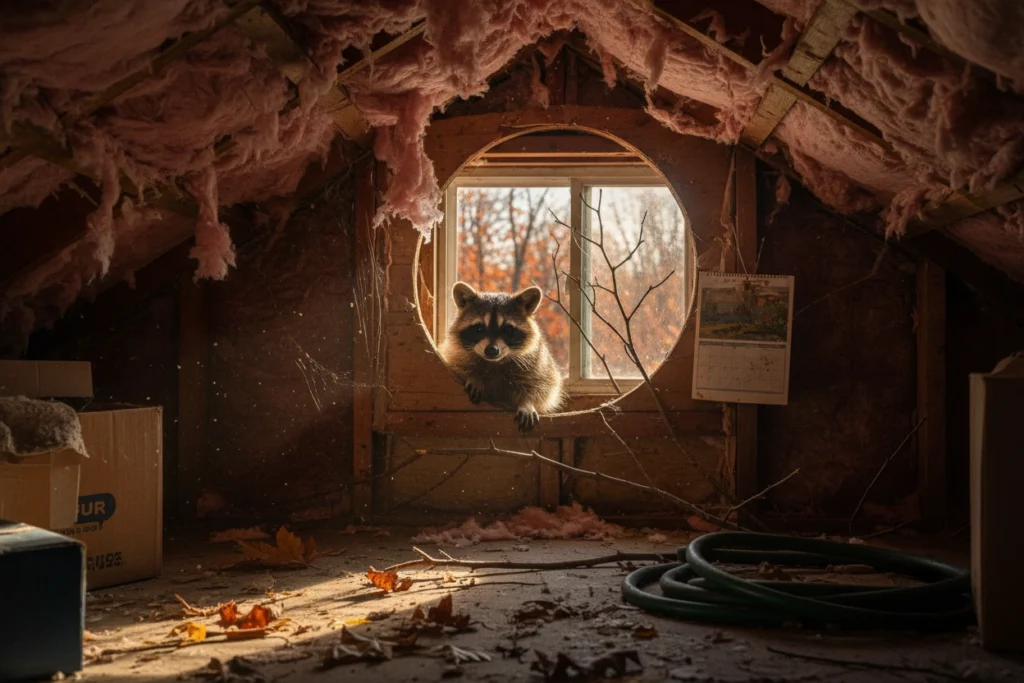
Raccoons are cunning creatures, often finding their way into unexpected places like attics. With their dexterous paws and sharp intelligence, these nocturnal mammals can navigate their environment in search of food and shelter. Understanding when they are most likely to invade attics is crucial for homeowners who wish to protect their properties from unwanted wildlife intrusions. This article delves into the seasonal habits of raccoons, exploring when they are most likely to invade attics and how homeowners can prevent these unwanted guests.
The Seasonal Behavior of Raccoons Unveiled
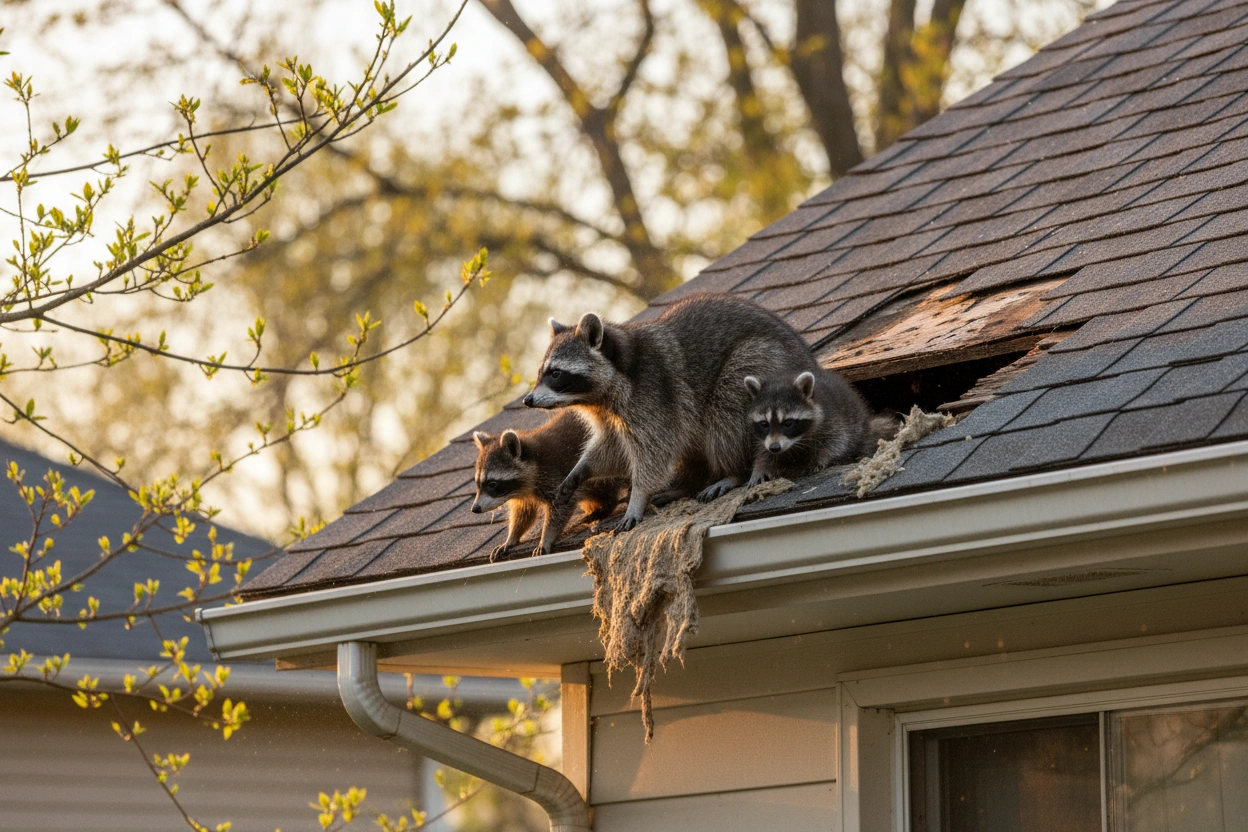
Raccoons exhibit distinct seasonal behavior that influences their activity levels and patterns of movement. Generally, these animals are most active during the warmer months, particularly in spring and summer. As the weather warms, raccoons emerge from their winter dens, driven by the need to find food and suitable nesting locations. During this period, the availability of food sources, such as fruits and insects, peaks, leading to increased raccoon activity. Homeowners may notice a rise in raccoon sightings and disturbances during these months, making it essential to be vigilant.
Temperature also plays a significant role in raccoon activity. As temperatures drop in fall and winter, raccoons seek shelter to conserve warmth. This search for a cozy refuge often leads them to attics, where they can find insulation and protection from the elements. Thus, understanding seasonal raccoon activity is vital for homeowners looking to safeguard their properties throughout the year.
Seasonal Patterns of Activity
-
Spring: Raccoons emerge from hibernation, searching for food and nesting sites.
-
Summer: Increased activity as they take advantage of abundant food sources.
-
Fall: Preparation for winter leads to scavenging and seeking shelter.
-
Winter: Raccoons may invade attics to escape the cold, particularly if other food sources are scarce.
Recognizing Signs of Raccoon Infestations
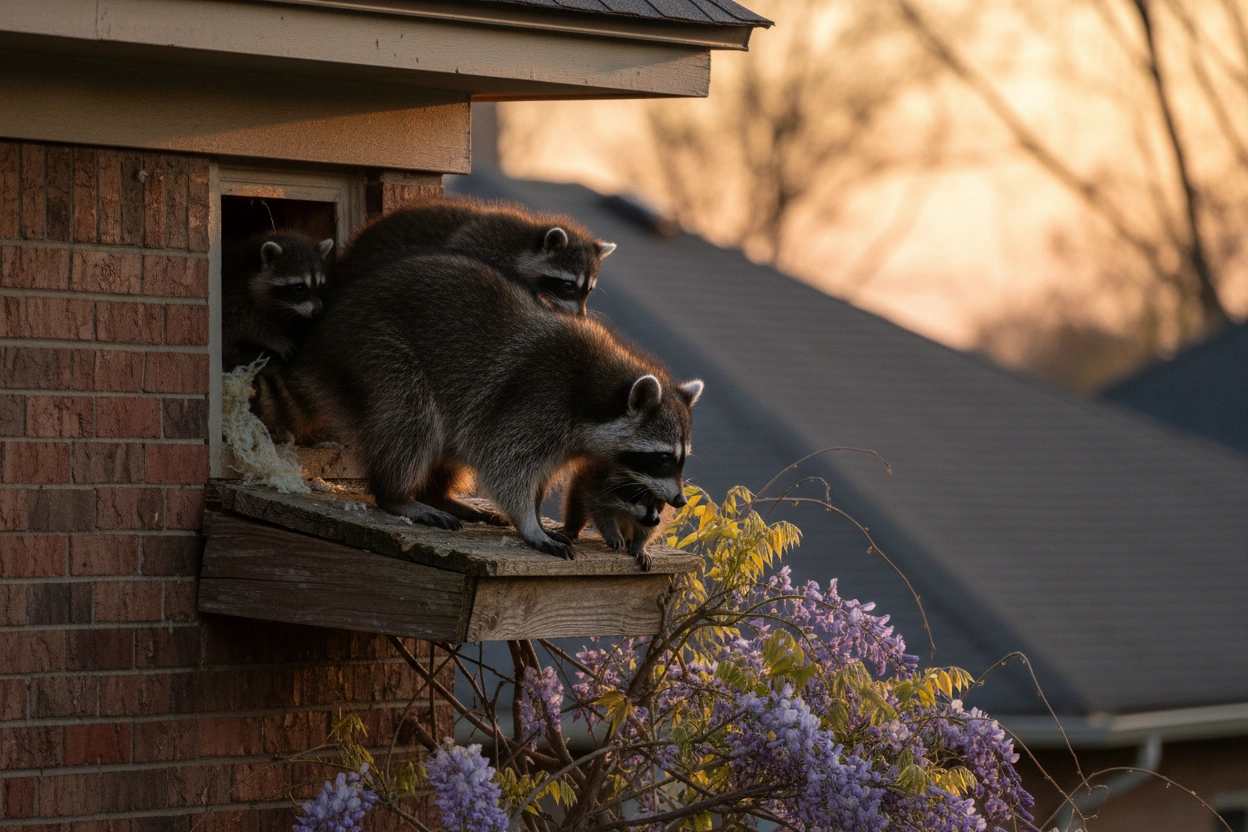
Identifying the signs of a raccoon infestation early can prevent more significant issues down the line. Homeowners should be aware of common indicators of raccoon entry, particularly in attics. Noises such as scratching, scurrying, or vocalizations at night often signal the presence of raccoons. Their nocturnal nature means that disturbances are typically heard during evening hours, which can be alarming to residents.
Another critical sign of raccoon activity is the presence of droppings. Raccoon feces are usually dark and cylindrical, often containing remnants of food such as berries or insects. Additionally, damage to insulation can signal a problem. Raccoons often tear up insulation materials to create nests, leading to compromised attic conditions that can affect the overall health of the home. Homeowners should inspect their attics regularly for these signs to catch infestations early and mitigate further damage.
Common Indicators of Infestation
-
Noise: Scratching or scurrying sounds during the night.
-
Droppings: Dark, cylindrical feces with food remnants.
-
Insulation Damage: Torn or displaced insulation materials in the attic.
Preventing Raccoons From Entering Your Attic
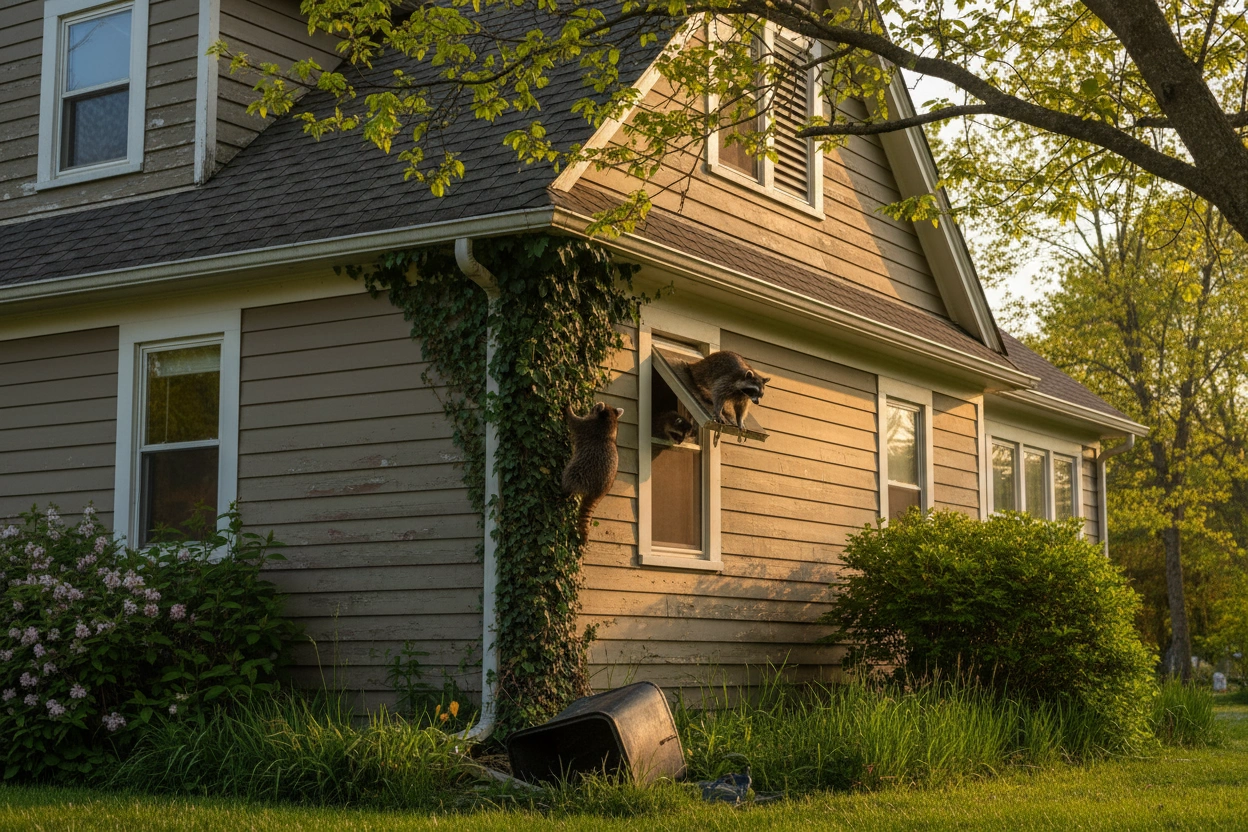
Preventing raccoons from entering your attic requires a proactive approach that includes several effective strategies. One of the most critical steps is sealing potential entry points. Raccoons are adept climbers and can access attics through small openings. Homeowners should inspect their roofs, vents, and eaves for gaps or holes that could allow raccoons entry. Using materials such as heavy-duty wire mesh or metal flashing can help block these access points effectively.
Another vital strategy for raccoon entry prevention is maintaining a clean environment around the home. Raccoons are attracted to easily accessible food sources, such as pet food left outside or unsecured garbage bins. Homeowners should ensure that trash is stored in raccoon-proof containers and that outdoor pet food is brought inside at night. Additionally, landscaping should be kept tidy, as overgrown bushes can provide raccoons with hiding spots and easy access to attics.
Effective Strategies for Prevention
-
Seal Entry Points: Inspect and secure any holes or gaps in the roof, vents, and eaves.
-
Secure Garbage: Use raccoon-proof trash cans and avoid leaving food outside.
-
Maintain Landscaping: Trim overgrown bushes and trees that could provide access to rooftops.
What to Do if Raccoons Invade Your Attic
If raccoons are discovered in your attic, it is essential to take immediate action to address the situation. The first step is to confirm their presence and assess the extent of the infestation. Homeowners should avoid confronting the animals directly, as raccoons can be aggressive if they feel threatened. Instead, consider using humane wildlife removal techniques or contacting a professional service for assistance.
Timely raccoon damage repair is crucial once the animals have been removed. Damage to insulation, wiring, or structural elements can lead to costly repairs if not addressed promptly. Additionally, any droppings or urine should be cleaned up safely to prevent health risks associated with raccoon feces, which can carry diseases. Implementing wildlife control tips such as thorough inspections and preventive measures can help ensure that raccoons do not return.
Steps to Take After Discovery
-
Confirm Presence: Listen for noises and look for signs of droppings or damage.
-
Avoid Direct Confrontation: Do not approach or attempt to handle the raccoons.
-
Seek Professional Help: Consider humane wildlife removal services for safe extraction.
-
Repair Damage: Address any structural or insulation damage promptly.
-
Implement Control Tips: Conduct regular inspections and preventive measures to deter future infestations.
Understanding Raccoon Patterns for Effective Prevention
Understanding when raccoons are most likely to enter attics is essential for homeowners seeking to protect their properties. Seasonal patterns of raccoon activity, signs of infestations, and effective prevention strategies can help you stay ahead of these cunning creatures. By remaining vigilant and taking proactive measures, you can deter raccoons from making your attic their home.
If you find yourself facing a raccoon issue, Pest Patrol is here to help. With expert knowledge in wildlife control and prevention, we can guide you through the best practices to keep your home safe. Don’t let raccoons disrupt your peace of mind.