

As the weather warms, a flurry of pest activity begins to emerge, signaling the start of spring. With the arrival of longer days and increased temperatures, many insects that have been dormant during the winter months reemerge, seeking food, mates, and suitable nesting sites. Understanding which pests become active as temperatures rise is crucial for homeowners and gardeners alike, as it allows for proactive measures to control these unwelcome visitors.
In this article, we will explore the various pests that become active as temperatures rise, offering insights on identification, prevention, and control methods. By arming yourself with knowledge, you can effectively manage these pests and protect your home and garden.
Identifying Common Spring Pests
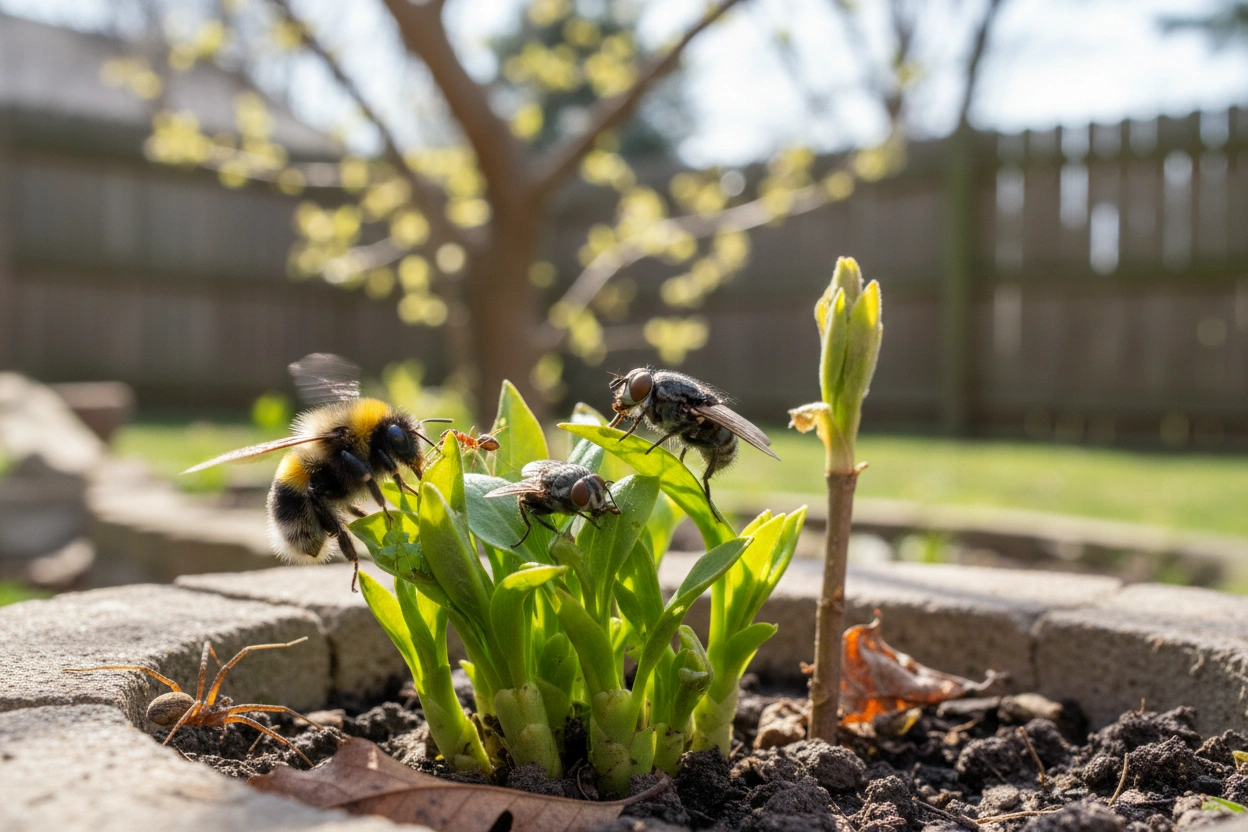
During spring, several pests become particularly prevalent, each with unique characteristics that aid in their identification. Some of the most common spring pests include:
-
Ants: As temperatures rise, various ant species, including carpenter ants and pavement ants, become active. They emerge in search of food and nesting sites. Ants are typically small, with segmented bodies and distinct antennae, making them relatively easy to identify.
-
Mosquitoes: These insects thrive in warm weather, with females seeking stagnant water to lay their eggs. Mosquitoes are recognizable by their long, thin bodies and characteristic buzzing sound. Their presence is often marked by itchy bites on exposed skin.
-
Termites: As the temperature increases, termite colonies begin to swarm, seeking new locations to establish nests. These pests can be identified by their soft bodies, straight antennae, and the presence of wings during their mating season.
-
Spider Mites: These tiny pests are often found on plants, feeding on sap and causing leaves to yellow or drop. They are difficult to spot due to their small size but can be identified by the fine webbing they produce.
-
Fleas: With warmer weather, fleas become active and seek hosts for feeding. They are small, jumping insects that can be identified by their flattened bodies and dark brown color.
Understanding these pests and their behaviors is essential for effective pest management. By being aware of their characteristics, homeowners can identify infestations early and take appropriate action.
Understanding Temperature Effects on Pest Activity
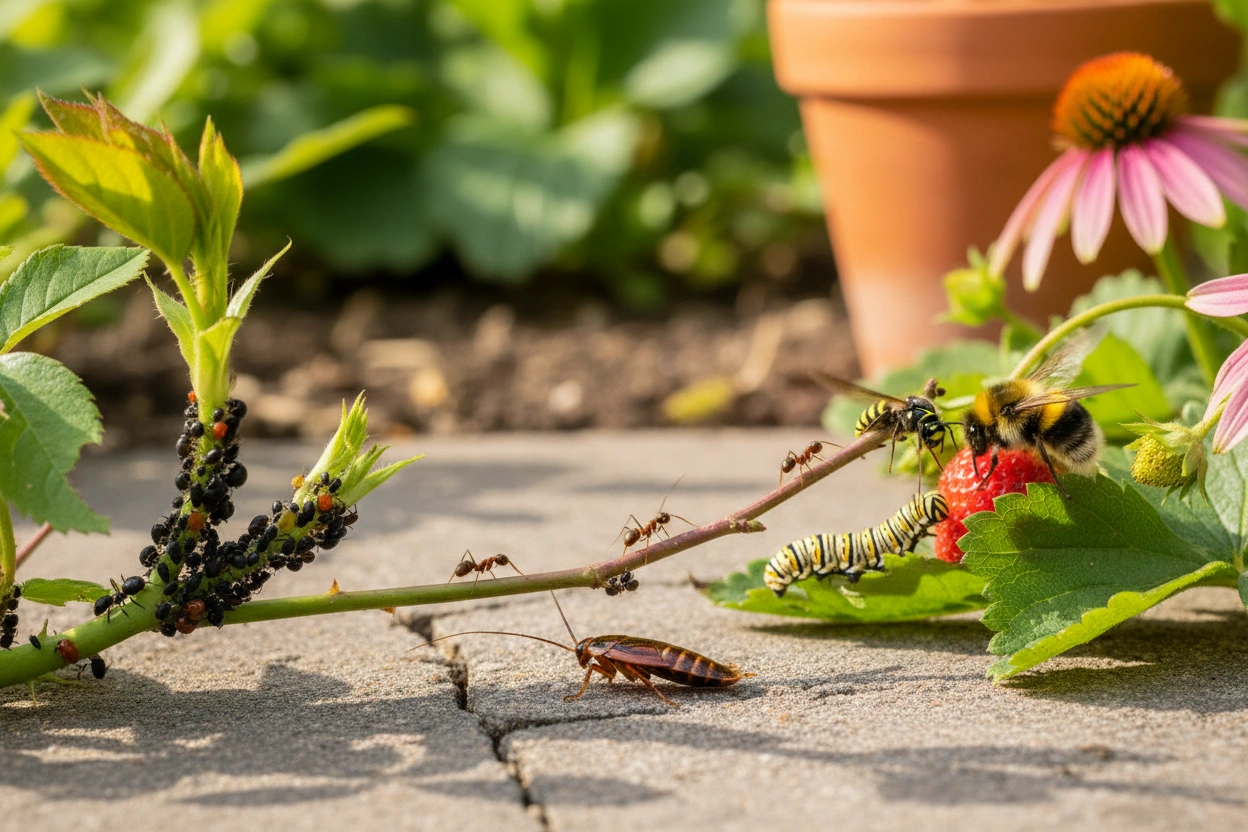
Temperature plays a significant role in the life cycles of various pests. As the weather warms, several physiological and behavioral changes occur in pest populations:
-
Life Cycle Acceleration: Warmer temperatures can speed up the life cycles of many insects, resulting in multiple generations within a single season. For example, the reproductive rates of mosquitoes and aphids can increase dramatically with rising temperatures, leading to larger populations.
-
Reproductive Patterns: Temperature influences the mating behaviors of pests. Many insects require specific temperature thresholds to initiate mating rituals. For instance, the swarming behavior of termites is closely linked to warm, humid conditions, which signal the start of their reproductive cycle.
-
Survival Rates: Warmer temperatures can also affect the survival rates of pests during their life stages. Eggs and larvae may develop more quickly in warmer conditions, increasing the likelihood of survival and the establishment of new populations.
Understanding the relationship between temperature and pest activity is crucial for anticipating pest problems. By monitoring temperature fluctuations, homeowners can better predict when specific pests are likely to become active and implement preventive measures accordingly.
Effective Pest Prevention Strategies for Spring
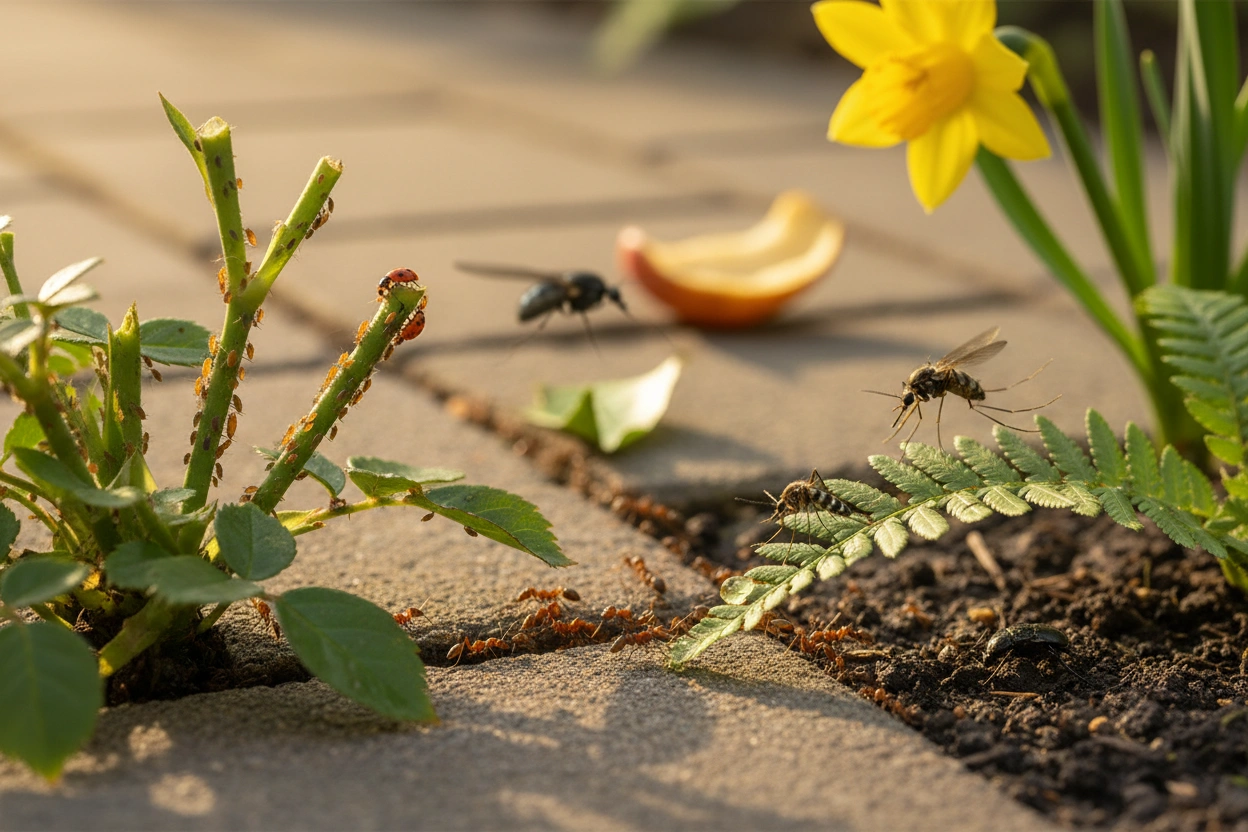
Preventing pest infestations before they become a significant problem is essential for maintaining a healthy home and garden. Here are some effective strategies to keep pests at bay:
-
Regular Inspections: Conduct routine inspections of your home and garden to identify any signs of pest activity. Look for droppings, nests, or damaged plants, which may indicate an infestation.
-
Seal Entry Points: Inspect your home for cracks and openings where pests can enter. Seal any gaps around windows, doors, and foundations to deter pests from finding their way inside.
-
Maintain Cleanliness: Keeping your home and garden clean can significantly reduce the likelihood of pest infestations. Regularly remove debris, such as fallen leaves and standing water, where pests can breed.
-
Use Barriers: Install physical barriers, such as screens on windows and doors, to prevent pests from entering your home. Additionally, using row covers in your garden can protect plants from pests while allowing sunlight and moisture to reach them.
-
Natural Repellents: Consider using natural pest repellents, such as essential oils or diatomaceous earth, to deter pests without the use of harsh chemicals.
Early intervention is critical when it comes to pest management. Implementing these strategies not only helps prevent infestations but also promotes a healthier living environment.
When to Seek Professional Pest Control
While many pest issues can be managed through DIY methods, there are situations where professional pest control is necessary. Recognizing the signs that indicate a pest problem is beyond DIY can save time and money in the long run. Consider the following indicators:
-
Severe Infestation: If you notice a significant number of pests that cannot be controlled with basic measures, it may be time to call in the experts. This is particularly true for pests like termites and bed bugs, which can cause extensive damage and discomfort.
-
Health Concerns: Pests such as rodents and cockroaches can pose health risks through the spread of diseases. If you suspect a pest problem that could affect your family’s health, seeking professional assistance is advisable.
-
Recurrent Problems: If you find yourself dealing with the same pest issues year after year, it may indicate an underlying problem that requires a comprehensive approach. Professional pest control services can provide tailored solutions to address the root causes of infestations.
Hiring pest control experts offers several benefits, including access to specialized knowledge, effective treatment methods, and long-term prevention strategies. Professionals are equipped to identify and eliminate pests safely, ensuring that your home remains pest-free.
As Temperatures Rise, So Does Pest Activity
Warmer weather brings more than blooming gardens and longer days. It also signals increased activity from ants, rodents, wasps, spiders, and other seasonal pests looking for food, water, and shelter. Understanding which pests emerge in spring and how temperature shifts influence their behavior helps you stay one step ahead. Early prevention such as sealing entry points, reducing moisture, and monitoring outdoor nesting areas can significantly reduce the risk of infestations inside your home.
If pest activity is already picking up around your property or you want a proactive plan in place before it escalates, Pest Patrol can help. Their team provides thorough inspections and customized treatment options designed to address both immediate concerns and long term prevention. Contact Pest Patrol for a free quote and take the next step toward keeping your home protected all season long.