
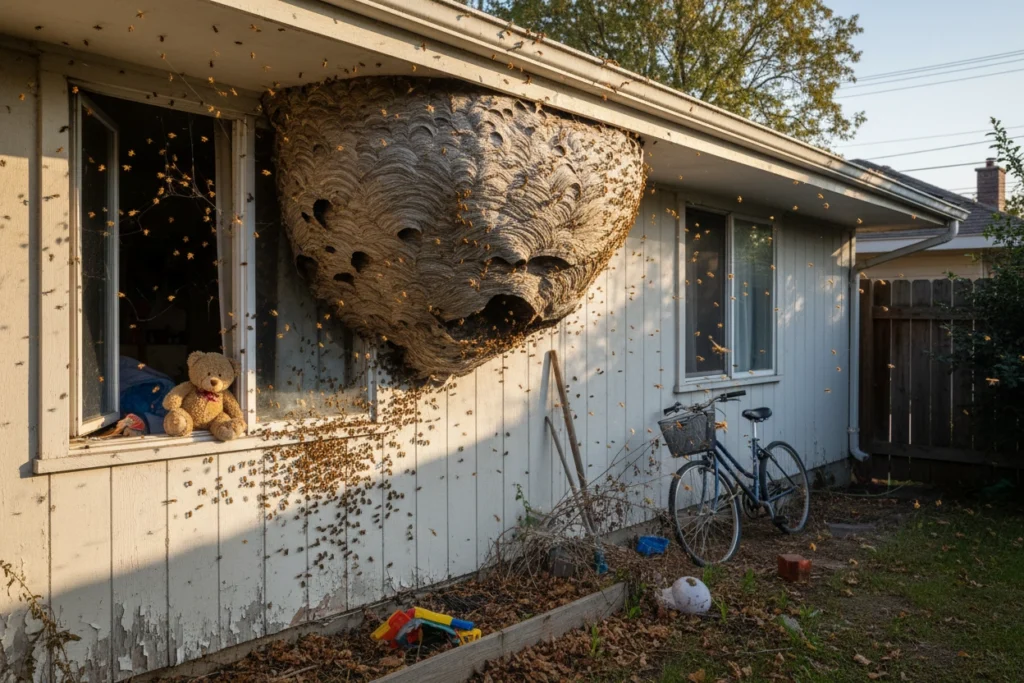
Ignoring a wasp nest can lead to unexpected consequences for homeowners. While these insects play a role in the ecosystem, their presence near your home can pose significant risks. This article explores what happens if you neglect a wasp nest near your home, the potential dangers associated with wasps, and effective solutions for managing their presence.
The Risks of Leaving a Wasp Nest Untreated
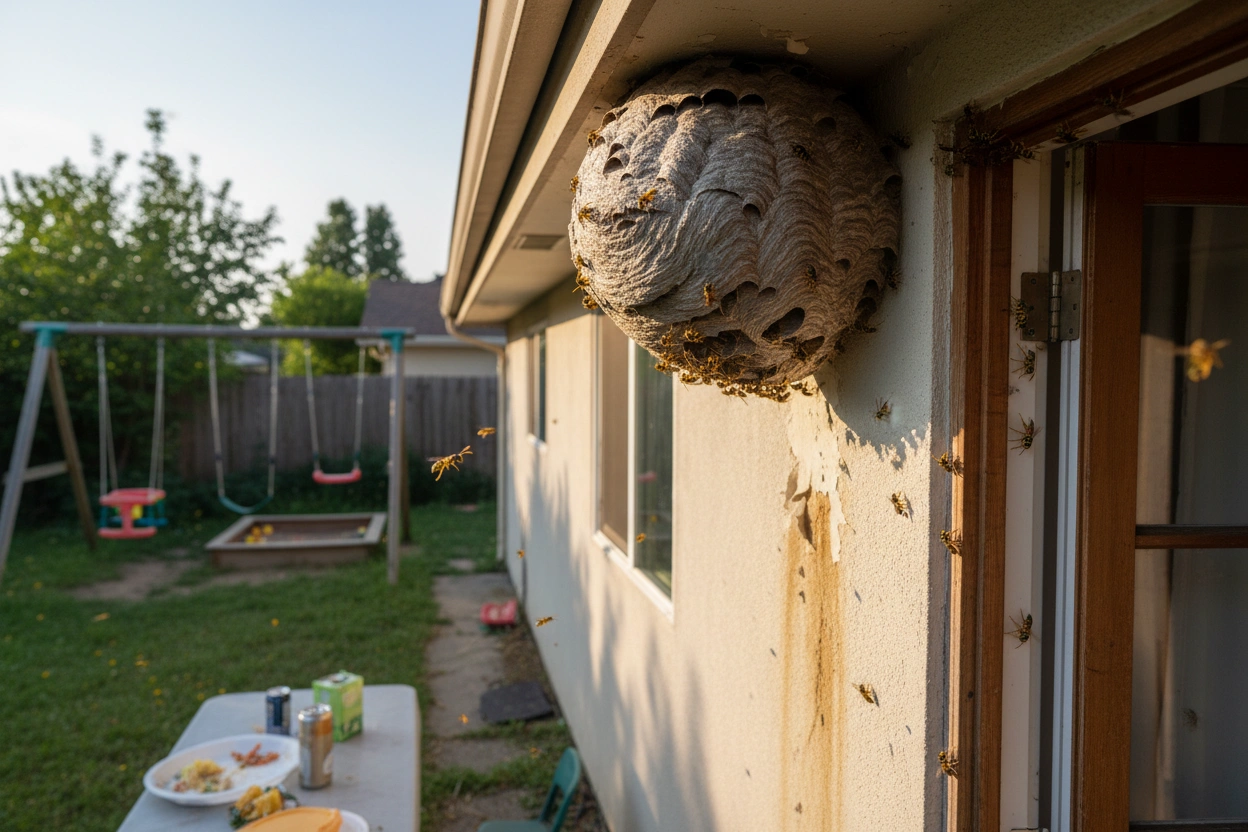
Leaving a wasp nest untreated can escalate into a series of risks that impact both your health and the safety of your home. One of the primary dangers is the potential for increased aggression from wasps. When a nest is disturbed, even unintentionally, wasps can become highly aggressive and defend their territory. This aggression can lead to multiple stings, which are not only painful but can also result in severe allergic reactions for some individuals.
Health risks associated with wasp stings are significant, particularly for those with allergies to wasp venom. An allergic reaction can cause symptoms ranging from swelling and pain to anaphylaxis, a life-threatening condition that requires immediate medical attention. Additionally, wasp stings can lead to secondary infections if not treated promptly. Ignoring a wasp nest increases the likelihood of these dangerous encounters, making it crucial for homeowners to address the issue before it escalates.
Identifying Signs of Wasp Infestation
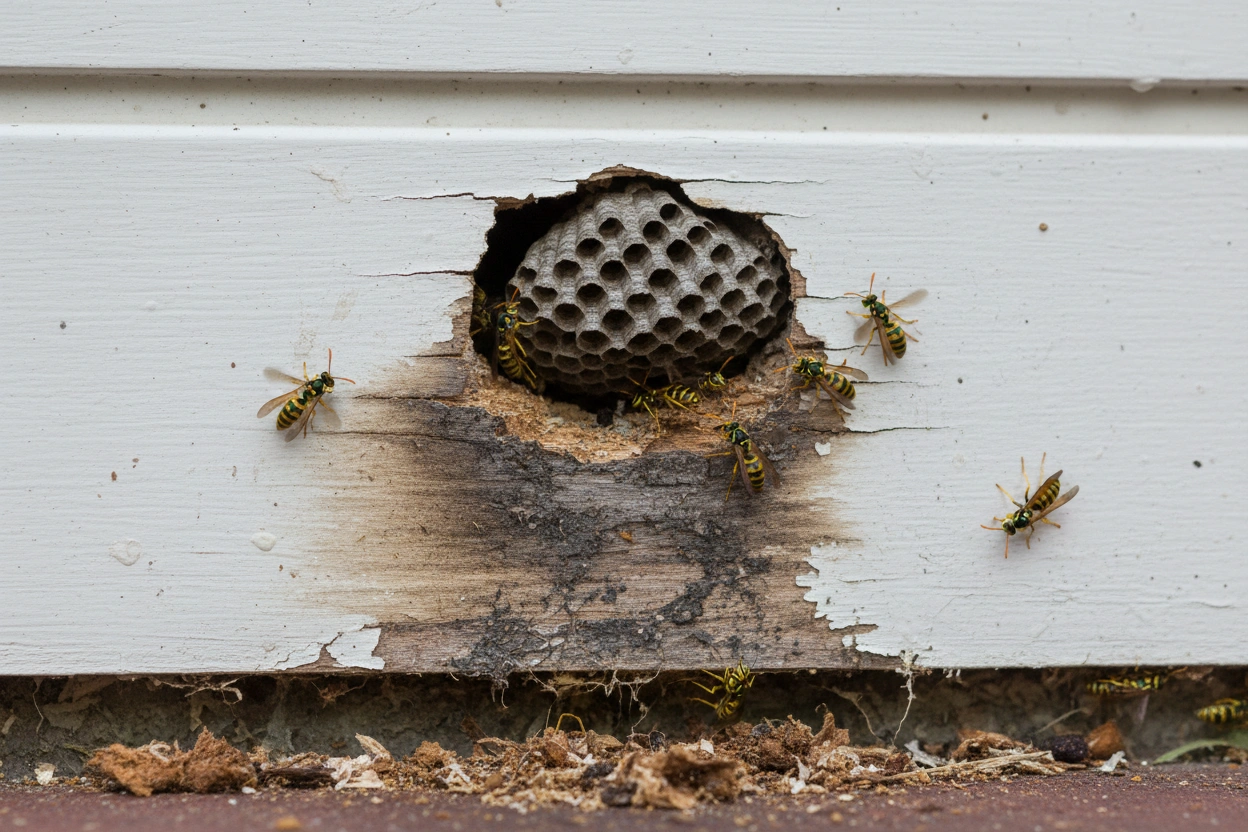
Recognizing the signs of a wasp infestation is essential for timely intervention. Common indicators that a wasp nest may be nearby include the sighting of wasps flying in and out of a specific area, often around eaves, attics, or dense foliage. Homeowners should also be aware of increased wasp activity during late summer and early fall, as wasps become more aggressive in their quest for food.
Differentiating between wasps and other insects is important for accurate identification. Wasps typically have elongated bodies with a narrow waist, contrasting with bees, which are more robust and hairy. Additionally, wasps are often more aggressive than bees and can sting multiple times, making it vital to be cautious when observing these insects. Understanding these signs can help homeowners take appropriate action before the situation worsens.
Preventing Wasp Nests Around Your Home
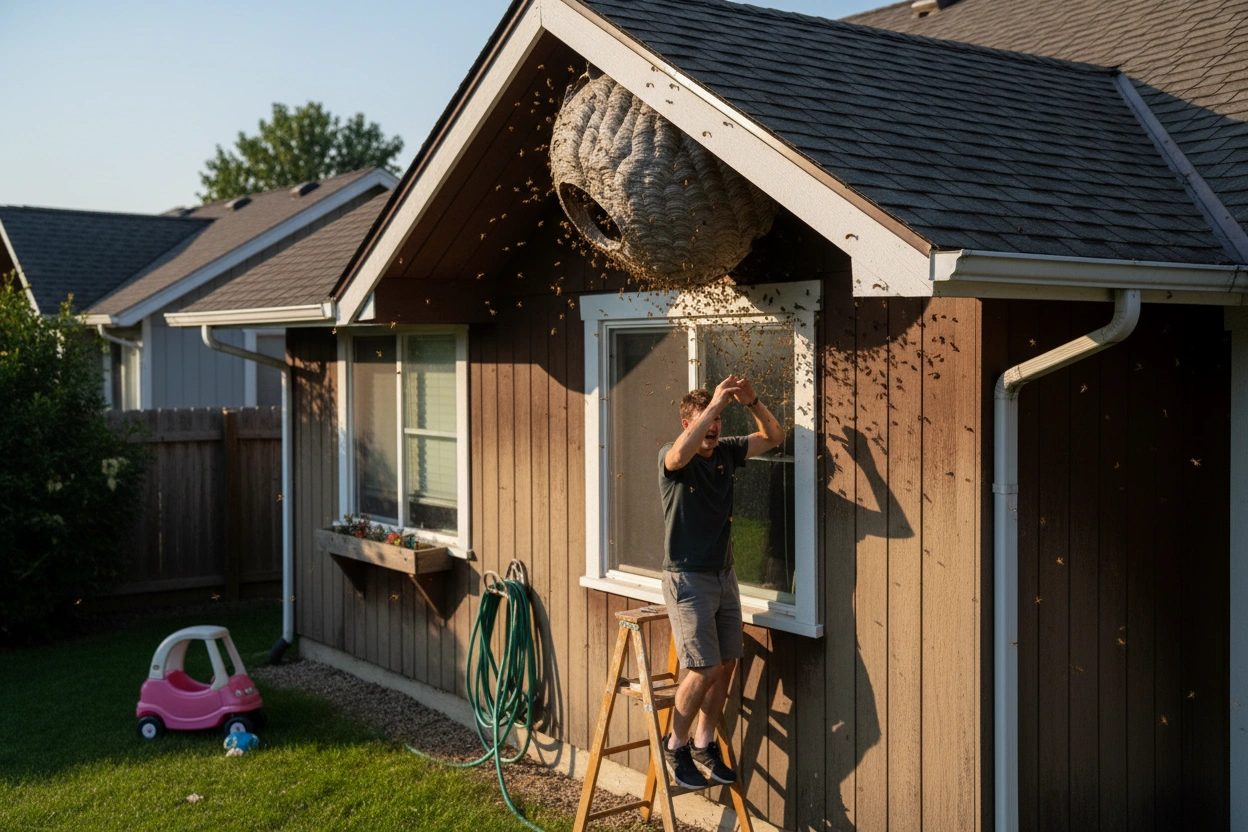
Implementing preventive measures is key to deterring wasps from nesting near your home. Homeowners can adopt several strategies to minimize the likelihood of a wasp infestation. One effective method is to eliminate potential food sources. This includes properly sealing garbage cans, cleaning up food spills, and ensuring outdoor dining areas are kept tidy. Additionally, planting wasp-repelling plants such as mint or citronella can help create an inhospitable environment for these pests.
Seasonal considerations are also crucial for prevention. Early spring is when wasps begin to establish nests, so taking proactive measures during this time can significantly reduce the risk of infestation. Regular inspections of your property for signs of wasp activity can help catch potential problems before they escalate. By staying vigilant and employing these strategies, homeowners can effectively prevent wasps from making a home near theirs.
When to Seek Professional Help for Wasp Removal
Determining when to seek professional help for wasp removal is critical for ensuring safety and effective management. If a nest is located in a hard-to-reach area, such as high up on a building or inside walls, it is advisable to contact professionals. Additionally, if there are signs of a large infestation, or if anyone in the household has a history of severe allergic reactions to wasp stings, immediate expert intervention is necessary.
The benefits of hiring professional pest control services cannot be overstated. Professionals have the experience, tools, and knowledge to safely remove wasp nests without putting themselves or others at risk. They can also offer insights into preventing future infestations and provide treatments that are effective yet environmentally friendly. Seeking professional help ensures that the situation is handled promptly and safely, minimizing the risks associated with wasp stings and potential infestations.
Ignoring a Wasp Nest Can Quickly Turn Risky
A wasp nest left untreated can grow rapidly, increasing both the number of wasps and the likelihood of aggressive behavior. As colonies expand, wasps become more protective of their nests, raising the risk of painful stings and potential allergic reactions. Nests near entryways, eaves, or outdoor living areas can make everyday activities uncomfortable and, in some cases, unsafe. Addressing the issue early helps reduce these risks before the colony becomes harder to manage.
If you have spotted a wasp nest or want to prevent one from becoming a larger problem, Pest Patrol can assess the situation and recommend a safe, targeted solution. Contact Pest Patrol for a free quote and take the next step toward keeping your home and outdoor spaces secure.