
Understanding the behavior of wasps and yellow jackets can be crucial for outdoor safety. Knowing when wasps are least active not only helps prevent painful stings but also allows for safer outdoor activities. In this article, we will explore the times of day when wasps are least active, providing insights that can help you plan your outdoor activities effectively.
Decoding Wasp Activity Patterns Throughout the Day

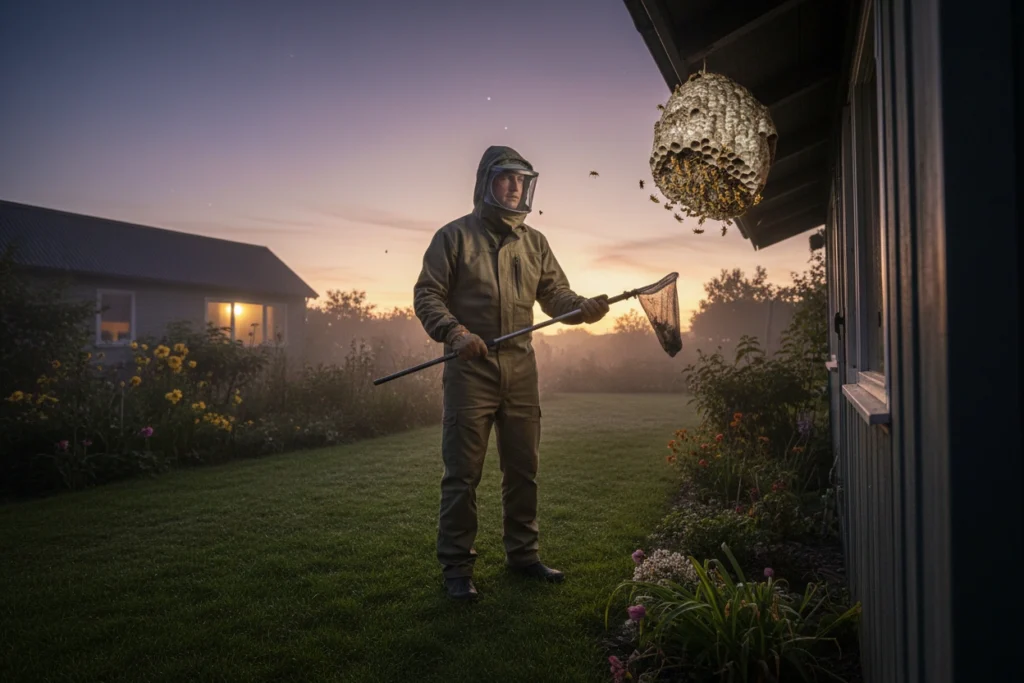
Wasps exhibit varying activity levels throughout the day, significantly influencing the safest times to engage in outdoor activities or remove nests. During the early morning hours, wasps are typically sluggish and less active as they are still warming up from the cooler night temperatures. This period is often considered the safest time to approach a nest, as wasps are less likely to react aggressively.
As the day progresses, wasps become more active, peaking in the late afternoon. During this time, they are often foraging for food and can be particularly aggressive if their nests are disturbed. Understanding these peaks in wasp activity can prevent stings and ensure safer outdoor experiences. Therefore, the best time to avoid wasps is during the early morning hours, typically before 10 AM, when they are least likely to be active.
Key Times to Remember
-
Early Morning (Before 10 AM): Wasps are least active and more sluggish.
-
Late Morning to Afternoon (10 AM – 3 PM): Increased activity as wasps forage for food.
-
Late Afternoon (3 PM – Dusk): Peak activity; wasps can become aggressive if nests are disturbed.
By recognizing these patterns, individuals can plan their outdoor activities accordingly, ensuring a safer environment for themselves and their families.
Seasonal Variations in Wasp Activity
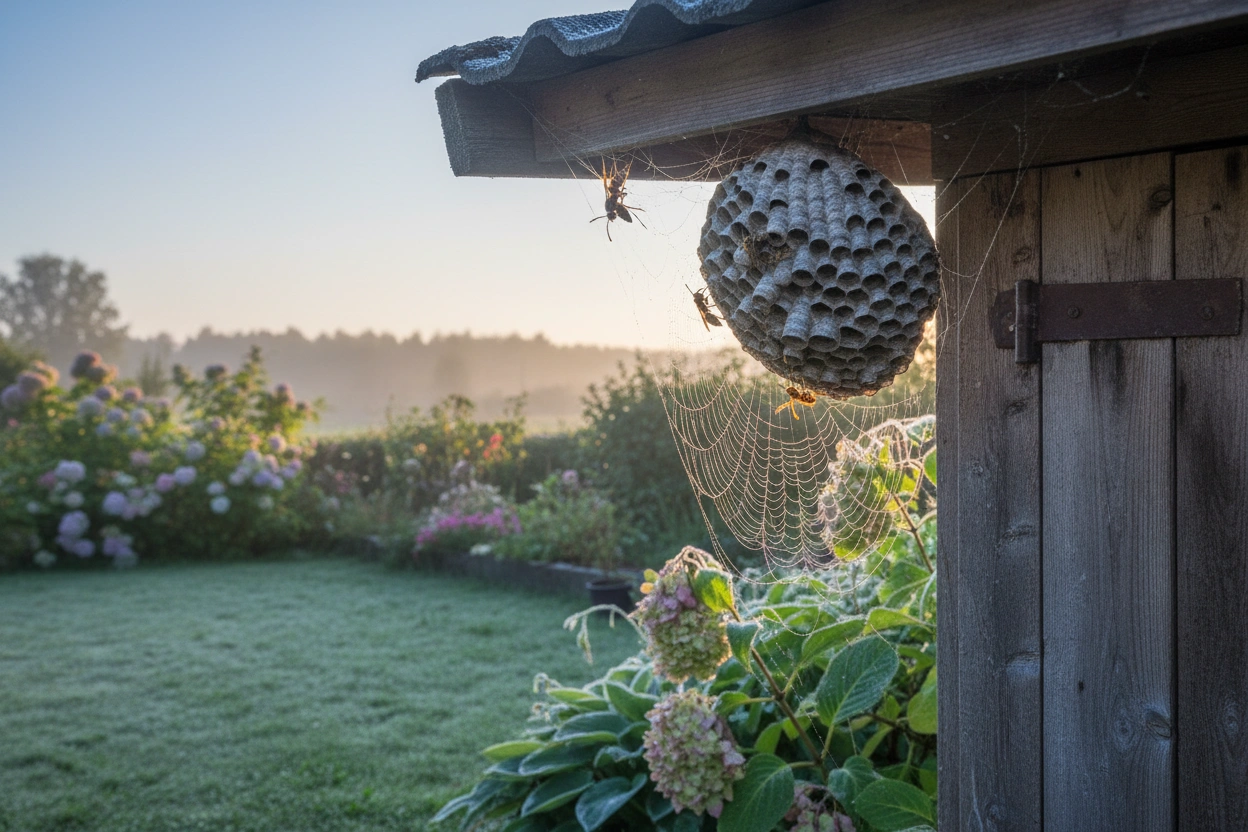
Wasp behavior changes with the seasons, which plays a crucial role in planning outdoor activities. In the spring, wasps emerge from hibernation, and their activity begins to rise as they search for food and nesting sites. This initial phase is characterized by low aggression, making it a good time for wasp nest removal.
As summer approaches, wasp colonies grow, leading to increased population and heightened aggression, particularly during late summer and early fall. During this period, wasps are more protective of their nests and can be more likely to sting if they feel threatened. Understanding these seasonal patterns can help in planning outdoor activities and deciding when to take preventive measures against wasps.
Seasonal Activity Overview
-
Spring: Emergence from hibernation; low aggression; good time for nest removal.
-
Summer: Increased population and aggression; caution is advised during outdoor activities.
-
Fall: Peak aggression as colonies prepare for winter; extra vigilance is necessary.
This seasonal understanding of wasp activity can empower individuals to make informed decisions about outdoor dining, gardening, and other activities that might attract wasps.
Factors That Attract Wasps and How to Prevent Them

Understanding what attracts wasps can help in avoidance and prevention strategies. Wasps are particularly drawn to sugary foods and drinks, protein sources, and certain scents. Outdoor dining can inadvertently invite wasps, especially if food is left uncovered or spills occur.
To create wasp-free zones, consider implementing the following strategies:
-
Cover Food and Drinks: Always keep food covered and clean up spills immediately to minimize attraction.
-
Seal Garbage Cans: Ensure that trash bins are tightly sealed to avoid attracting foraging wasps.
-
Plant Selection: Avoid planting flowers that are particularly attractive to wasps, such as certain varieties of fruit trees.
By being proactive and employing these strategies, individuals can significantly reduce the likelihood of encountering wasps during their outdoor activities.
Practical Prevention Tips
-
Keep Outdoor Areas Clean: Regularly remove food scraps and waste.
-
Use Natural Repellents: Essential oils like peppermint and eucalyptus can deter wasps.
-
Avoid Bright Colors: Wasps are attracted to bright colors; wearing neutral clothing can help reduce attraction.
By understanding these attraction factors and implementing preventive measures, you can enjoy safe outdoor activities while minimizing the risk of wasp encounters.
The Safest Times to Remove Nests and Outdoor Safety
The insights shared in this article highlight the importance of knowing when wasps are least active and how to create a wasp-free environment. By understanding the daily and seasonal activity patterns of wasps, individuals can make informed decisions about when to engage in outdoor activities or remove nests safely.
If you are concerned about wasps in your area or need assistance with pest control, contact Pest Patrol today. We offer tailored solutions to help you apply what you’ve learned about wasp activity patterns and maintain a safe environment for your outdoor activities.