

Have you ever noticed an unusual smell in your attic and wondered what it might mean for your home? The presence of a strange odor can often be the first indicator of a rodent problem, which can lead to serious damage if left unchecked. In this guide, we will explore the different odors associated with rodent infestations, how to detect these unwelcome guests, and effective methods for removal and prevention.
Identifying Common Rodent Scents in Your Home
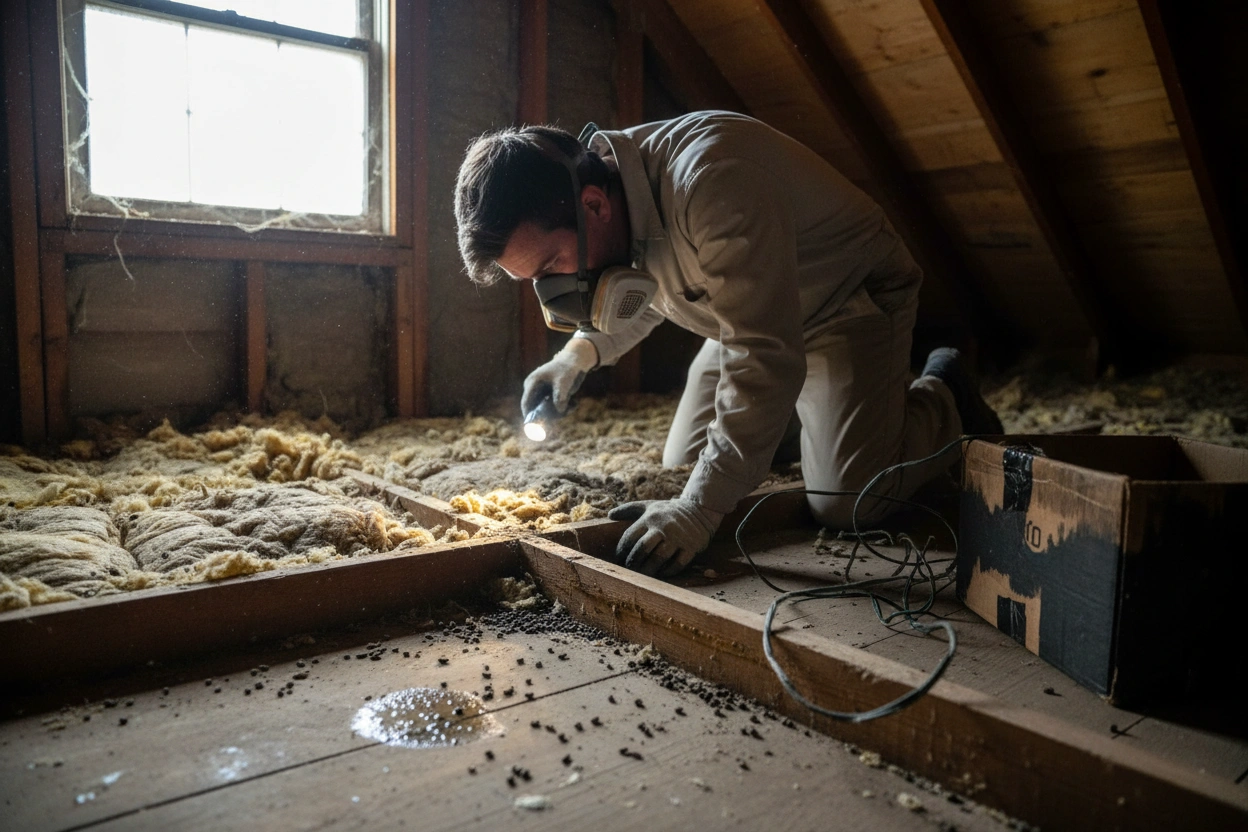
Understanding what smells indicate rodents in the attic is crucial for any homeowner. Rodent droppings have a distinct smell that can be described as musky and earthy. This scent often becomes more pronounced when the droppings are fresh. If you notice this smell, it could indicate that rodents are present in your attic or other areas of your home.
Different species of rodents produce unique odors. For instance, rat urine has a strong, ammonia-like scent that can be particularly pungent, especially in enclosed spaces like attics. Mice, on the other hand, may not produce as strong of an odor, but their droppings and urine can still create an unpleasant smell. Familiarizing yourself with these scents can help you identify an infestation early and take action.
Key Points:
-
Rodent droppings have a musky, earthy smell.
-
Rat urine emits a strong ammonia-like odor.
-
Mice produce less odor, but their droppings can still be a sign of infestation.
Signs That Suggest a Mice Infestation
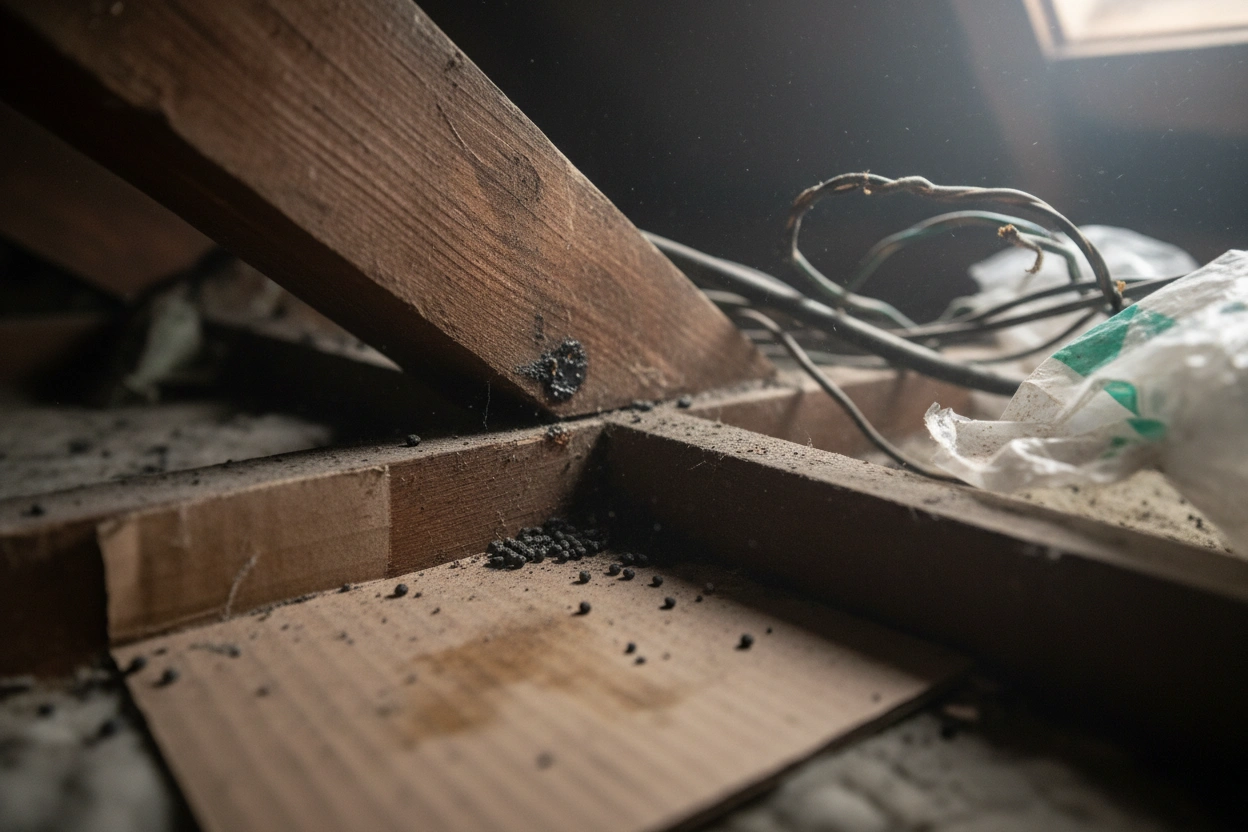
Detecting mice infestation signs early can save homeowners from extensive damage and health risks. Physical signs to look for include small droppings, gnaw marks on food packaging, and nests made of shredded paper or fabric. If you find any of these indicators, it is essential to take them seriously.
Behavioral signs of rodent activity may include hearing scurrying noises in the walls or ceiling, especially at night when rodents are most active. Additionally, if you notice food disappearing or being chewed on, it’s a clear indication that you may have unwanted guests. Being vigilant about these signs can help you respond swiftly to a potential infestation.
Key Points:
-
Look for physical signs like droppings, gnaw marks, and nests.
-
Listen for scurrying noises, especially at night.
-
Monitor food supplies for signs of tampering.
Effective Pest Control Strategies for Rodents
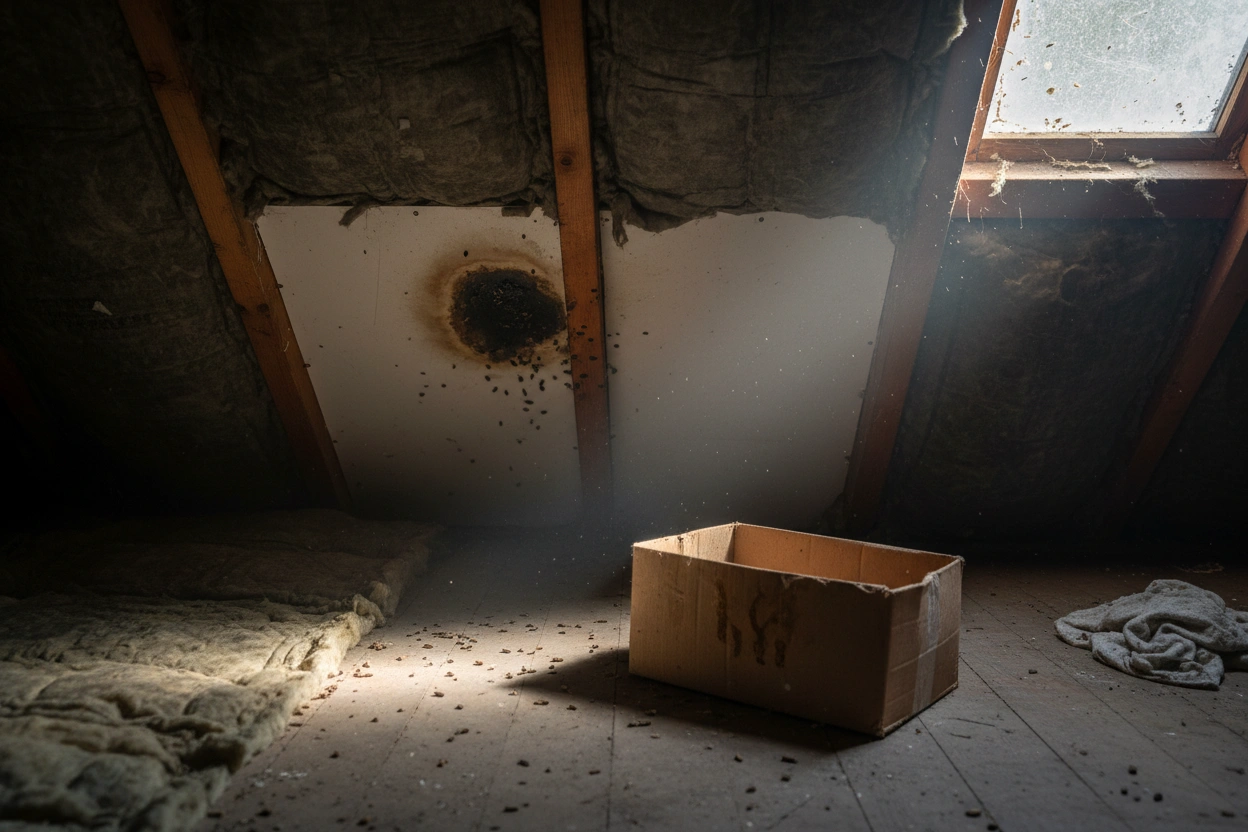
When it comes to pest control for rodents, immediate action is critical. The longer rodents are allowed to stay, the more damage they can cause. Various pest control options are available, including traps, bait stations, and professional extermination services. Each method has its pros and cons, and the best choice may depend on the severity of the infestation and your personal comfort level with handling traps or poisons.
For minor infestations, snap traps can be effective and are relatively easy to use. However, in cases of larger infestations, professional pest control services may be necessary. These experts can assess the situation, implement effective removal strategies, and provide guidance on long-term prevention.
Key Points:
-
Immediate action is crucial for effective rodent control.
-
Options include traps, bait stations, and professional extermination.
-
Professional services may be necessary for larger infestations.
Methods for Attic Rodent Removal and Prevention
When addressing attic rodent removal, it is vital to follow a systematic approach. Begin by identifying entry points where rodents may be gaining access to your home. Common entry points include gaps around vents, windows, and doors. Sealing these openings can significantly reduce the chances of a rodent infestation.
Once the entry points are secured, you can begin the removal process. This may involve setting traps or contacting pest control professionals. Long-term prevention strategies include regular inspections of your attic and surrounding areas, maintaining cleanliness, and ensuring food is stored properly. These proactive measures will help keep rodents at bay.
Key Points:
-
Identify and seal entry points to prevent access.
-
Set traps or contact professionals for removal.
-
Regular inspections and cleanliness are key to long-term prevention.
Rodent Odor Elimination Techniques
Eliminating odors post-removal is crucial for restoring a healthy living environment. Rodent smells can linger long after the rodents have been removed, which can be off-putting and even harmful to health. The first step is to clean any areas where droppings or urine were found. Use gloves and a mask to protect yourself from potential health risks.
Methods to neutralize rodent smells include using enzymatic cleaners specifically designed to break down organic matter. These cleaners can effectively eliminate the source of the odor rather than just masking it. Additionally, ensuring proper ventilation in the attic can help dissipate lingering smells, making your home more comfortable.
Key Points:
-
Clean areas where droppings and urine were found.
-
Use enzymatic cleaners for effective odor neutralization.
-
Ensure proper ventilation to help dissipate smells.
When Unusual Attic Odors Signal a Bigger Problem
Strange, persistent smells coming from the attic should never be dismissed. A strong ammonia-like odor, musty scent, or the smell of decay can point to rodent urine, nesting materials, or even a trapped animal. These odors often intensify over time and may spread through vents or ceiling spaces into the rest of your home. Identifying the source early allows you to address not only the smell, but the underlying infestation before contamination and damage become more serious.
If you are noticing unexplained odors or suspect rodents in your attic, Pest Patrol can perform a thorough inspection and recommend a clear plan for removal and prevention. Contact Pest Patrol for a free quote and take the next step toward restoring a clean, healthy home environment.