
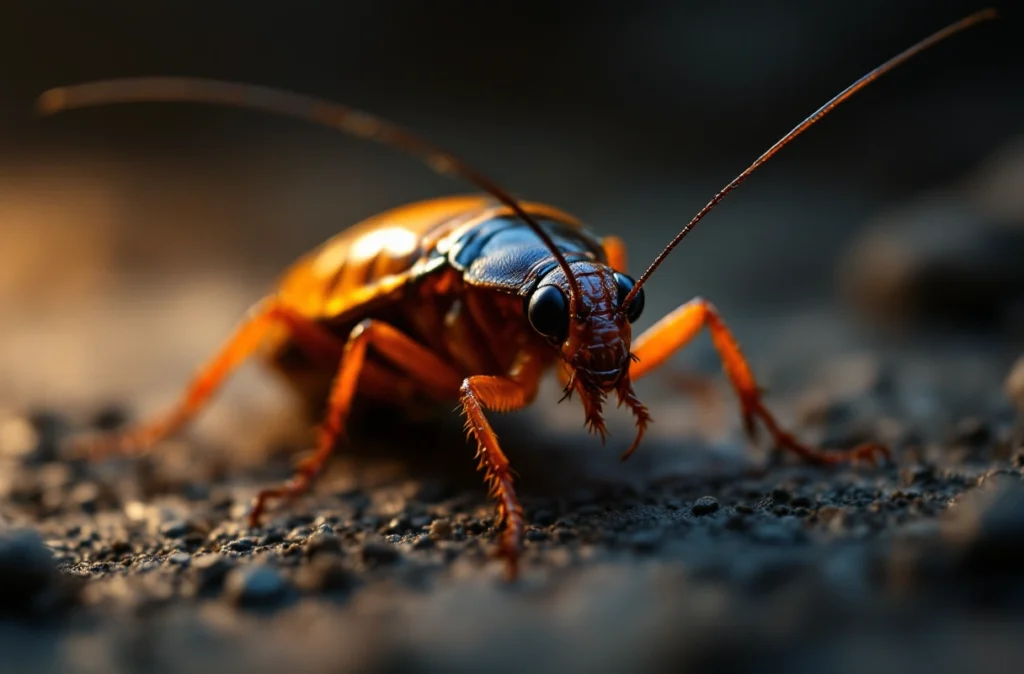
Have you ever wondered why cockroaches seem to prefer the cover of darkness? These resilient pests are notorious for their nighttime escapades, often scurrying across kitchen floors and hiding in dark corners when the sun sets. Understanding their nocturnal behavior of cockroaches can shed light on effective pest control methods and ways to prevent infestations in your home. This article will explore the reasons behind the nocturnal habits of cockroaches, identify common species, and provide practical pest control tips.
The Fascinating World of Cockroach Behavior
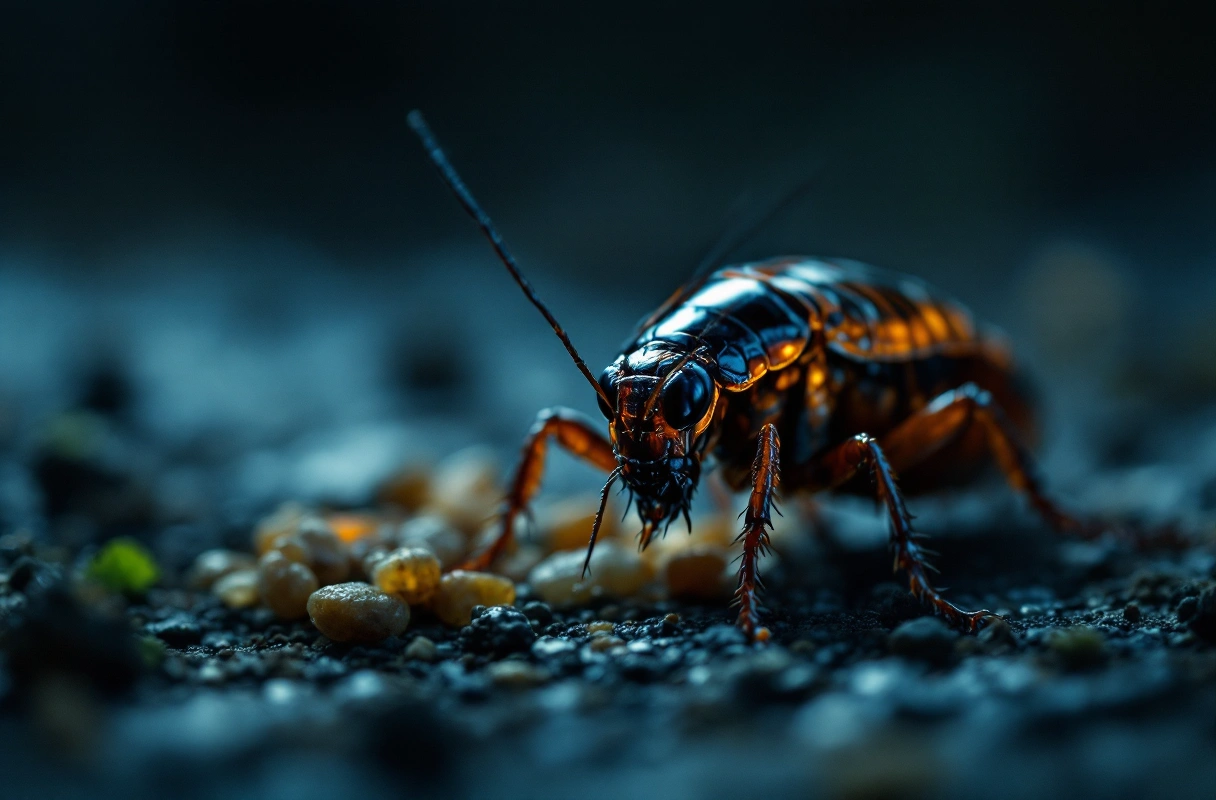
Cockroaches are fascinating creatures that exhibit a range of behaviors that help them thrive in various environments. One of the most notable aspects of their behavior is their preference for nighttime activity. This phenomenon can be attributed to several factors, including their natural instincts, feeding habits, and survival strategies. Cockroaches are primarily nocturnal insects, which means they are most active during the night. This behavior allows them to avoid predators and minimize their exposure to light, which they tend to avoid.
The significance of nocturnal activity in cockroaches cannot be overstated. By being active at night, they can access food sources without competition from other animals, including humans. Cockroaches are scavengers, feeding on organic matter, which can include anything from crumbs left on the floor to decaying plant material. This opportunistic feeding behavior is enhanced during the night when they can move about freely without detection. Understanding why cockroaches come out at night is essential for homeowners looking to manage infestations effectively.
Common Cockroach Species Found in Urban Areas
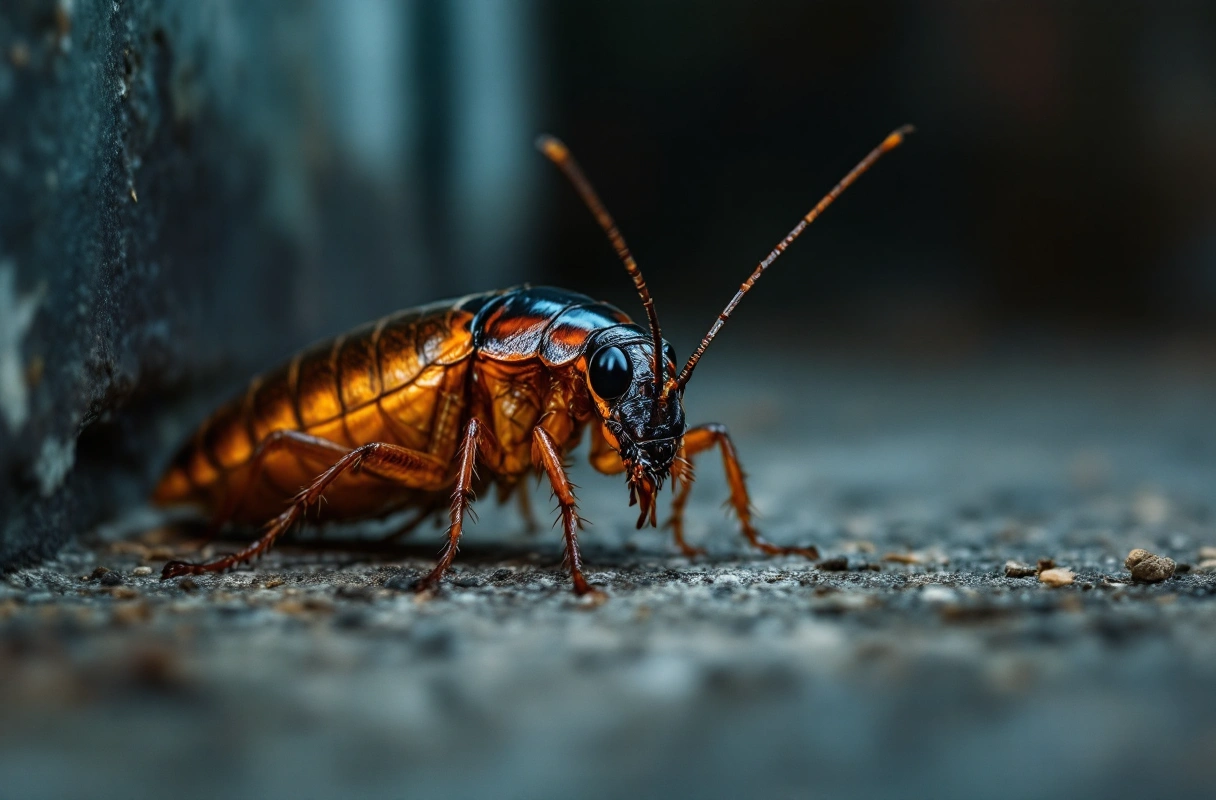
In urban areas, several cockroach species are commonly encountered, each with distinct characteristics and behaviors. The three most prevalent species are the German cockroach, American cockroach, and Oriental cockroach.
-
German Cockroach: This species is small and light brown with two dark stripes running down its back. They are known for their rapid reproduction and are often found in kitchens and bathrooms. Their preference for warmth and moisture makes them particularly troublesome in homes.
-
American Cockroach: Larger than the German cockroach, the American cockroach is reddish-brown and can grow up to three inches in length. They are often found in basements, sewers, and other damp areas, making them a common sight in urban environments.
-
Oriental Cockroach: This species is dark brown to black and is often mistaken for the American cockroach. They prefer cooler environments and are typically found in basements or crawl spaces.
Understanding the behavioral traits of these common cockroach species is crucial for effective pest management. Each species has unique habits and preferences, which can influence the choice of pest control strategies.
Understanding the Cockroach Life Cycle
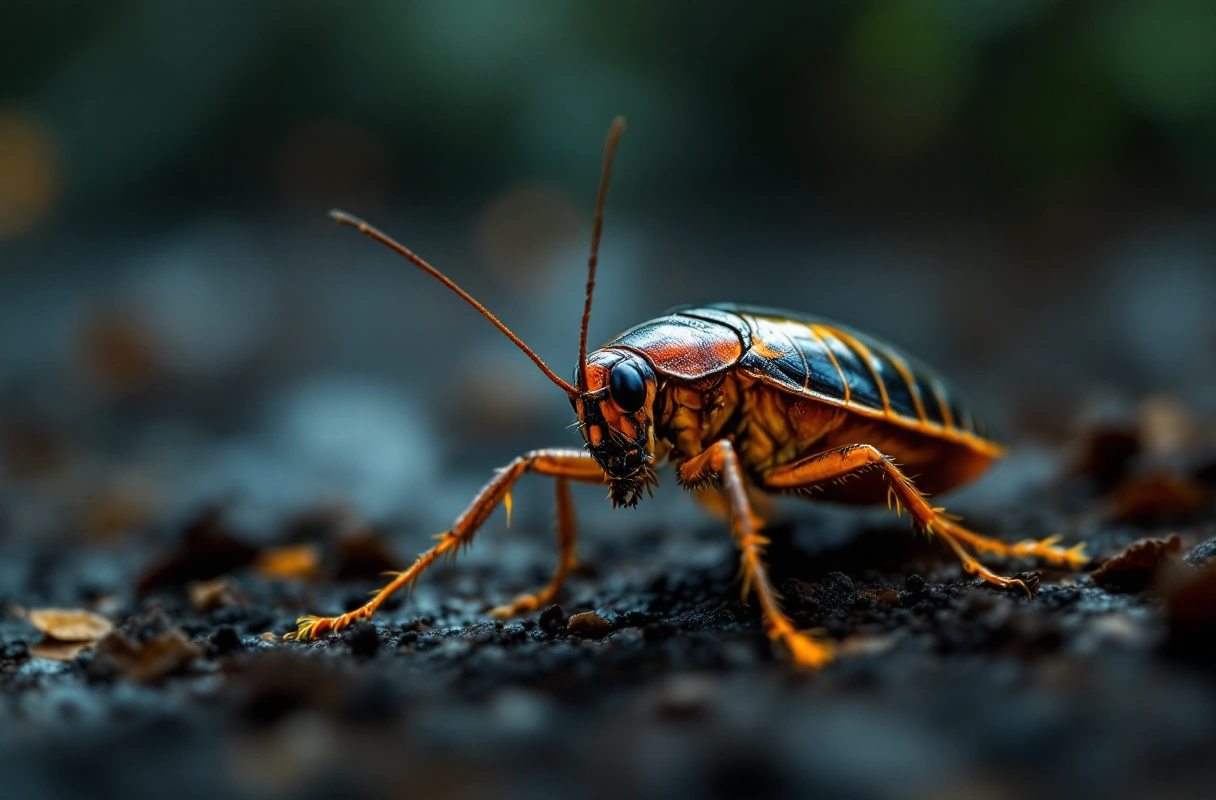
The cockroach life cycle consists of three main stages: egg, nymph, and adult. Understanding these stages is essential for managing infestations effectively.
-
Egg Stage: Female cockroaches produce egg cases, known as oothecae, which can contain up to 40 eggs. These cases are often hidden in dark, secluded areas, making them difficult to detect.
-
Nymph Stage: After hatching, cockroaches enter the nymph stage, where they resemble miniature adults. Nymphs molt several times before reaching maturity, with each molt providing opportunities for them to grow and adapt to their surroundings.
-
Adult Stage: Once they reach adulthood, cockroaches can reproduce rapidly, creating a cycle that can lead to significant infestations in a short period.
The impact of the cockroach life cycle on infestations is profound. A single female cockroach can produce multiple egg cases, leading to exponential population growth. Understanding this life cycle can help homeowners take proactive measures to interrupt the reproductive cycle and reduce the likelihood of infestations.
Attractants That Lure Cockroaches Into Your Home
Several factors can attract cockroaches into your home, leading to potential infestations. Common food sources are a primary attractant. Cockroaches are scavengers and are drawn to a wide variety of organic materials, including:
-
Crumbs and spills from food preparation
-
Pet food left out overnight
-
Garbage and organic waste
In addition to food sources, environmental factors play a significant role in attracting cockroaches. Warmth and moisture are particularly enticing for these pests. Areas with high humidity, such as bathrooms, kitchens, and basements, can provide ideal conditions for cockroaches to thrive. Moreover, clutter and dark hiding spots, such as piles of newspapers or cardboard boxes, can further entice these nocturnal pests.
By understanding what attracts cockroaches, homeowners can take steps to minimize these factors and make their homes less inviting to these pests.
Effective Home Pest Prevention Strategies
Preventing cockroach infestations requires a proactive approach that focuses on cleanliness and environmental management. Here are some effective strategies:
-
Maintain Cleanliness: Regularly cleaning kitchens and dining areas is crucial. Wipe down surfaces, sweep floors, and promptly clean up spills to eliminate food sources.
-
Seal Entry Points: Inspect your home for cracks and crevices where cockroaches can enter. Sealing these entry points can significantly reduce the likelihood of infestations.
-
Manage Moisture: Fix leaks and ensure proper ventilation in areas prone to humidity, such as bathrooms and kitchens. Reducing moisture levels makes your home less attractive to cockroaches.
-
Declutter: Minimize clutter around your home, especially in areas where cockroaches are likely to hide. Keeping your living spaces organized can make it harder for them to find suitable habitats.
Implementing these home pest prevention strategies can significantly reduce the risk of cockroach infestations and create a less hospitable environment for these nocturnal pests.
Best Pest Control Tips to Eliminate Cockroach Infestations
-
Professional Pest Control: Hiring a pest control service can provide thorough inspections and targeted treatments. Professionals have access to specialized products and techniques that can effectively eliminate infestations.
-
DIY Methods: Homeowners can use various DIY methods to manage cockroach populations. Common strategies include using bait traps, insecticidal sprays, and natural deterrents like boric acid or diatomaceous earth.
-
Recommended Products: When selecting pest control products, look for those specifically designed for cockroaches. Ensure that they are safe for indoor use and follow the manufacturer’s instructions for effective application.
-
Regular Monitoring: After implementing pest control measures, regular monitoring is essential to ensure the problem is resolved. Check for signs of cockroach activity and be prepared to take further action if necessary.
By combining professional assistance with pest control options, homeowners can effectively tackle cockroach infestations and maintain a pest-free environment.
The Intersection of Nocturnal Behavior and Pest Control Solutions
Understanding why cockroaches come out at night only is vital for homeowners seeking to manage these pests effectively. Their nocturnal behavior is not just a quirk; it is a survival strategy that influences their feeding habits and reproductive cycles. By learning about common cockroach species, their life cycles, and the factors that attract them, homeowners can take informed steps toward prevention and control.
Pest Patrol is dedicated to helping you apply what you’ve learned about cockroach behavior and tailored solutions to address your specific pest challenges. Our expert team can provide tailored solutions to address your specific pest challenges.